About Kalatop Wildlife Sanctuary
Kalatop Wildlife Sanctuary is a compact yet richly diverse forested reserve within the Chamba district of Himachal Pradesh. Its name, Kalatop, meaning “black cap,” perfectly describes the thick dark forest that appears like a velvety green-black carpet from a distance. Kalatop Wildlife Sanctuary is a popular tourist spot between the famed tourist towns of Dalhousie and Khajjiar.
Geography
Altitude & Terrain
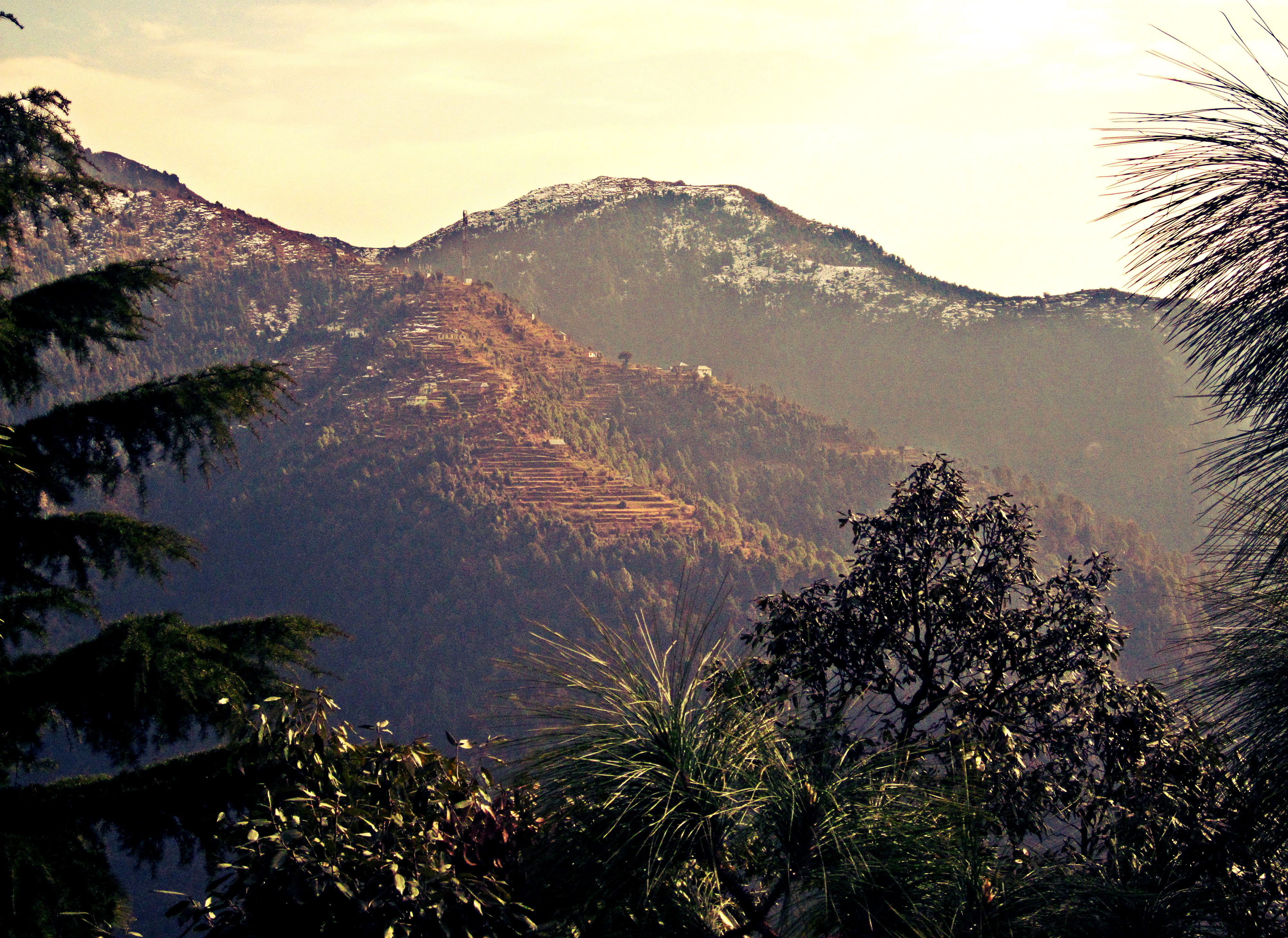
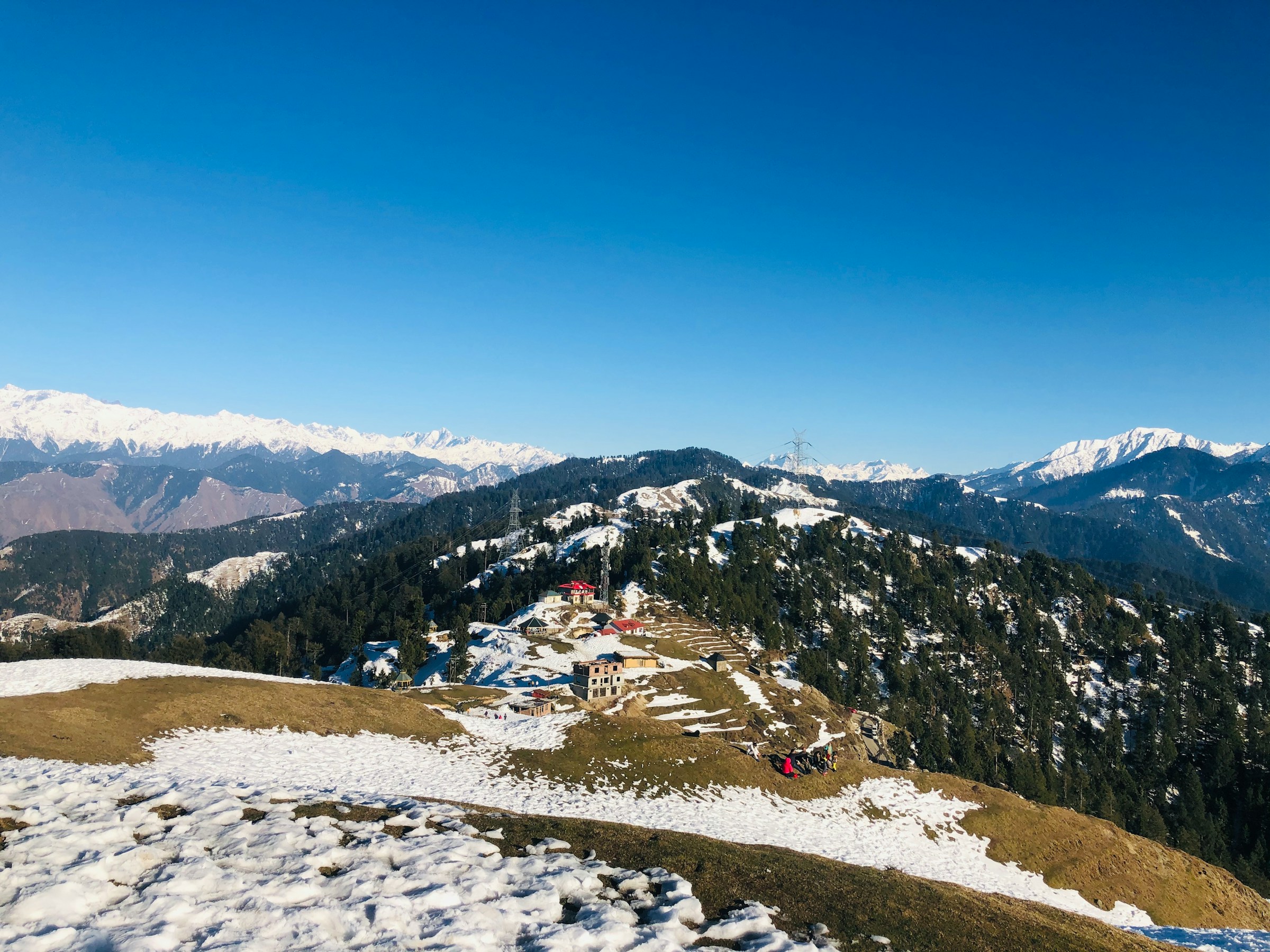
The sanctuary covers an altitude from around 1,185 meters to 2,768 meters above sea level. The terrain is covered in rolling meadows, steep slopes, and deep ravines. As height increases, the higher ridges are often blanketed with snow in winter. The lower area remains lush and green most of the year.
Hydrology
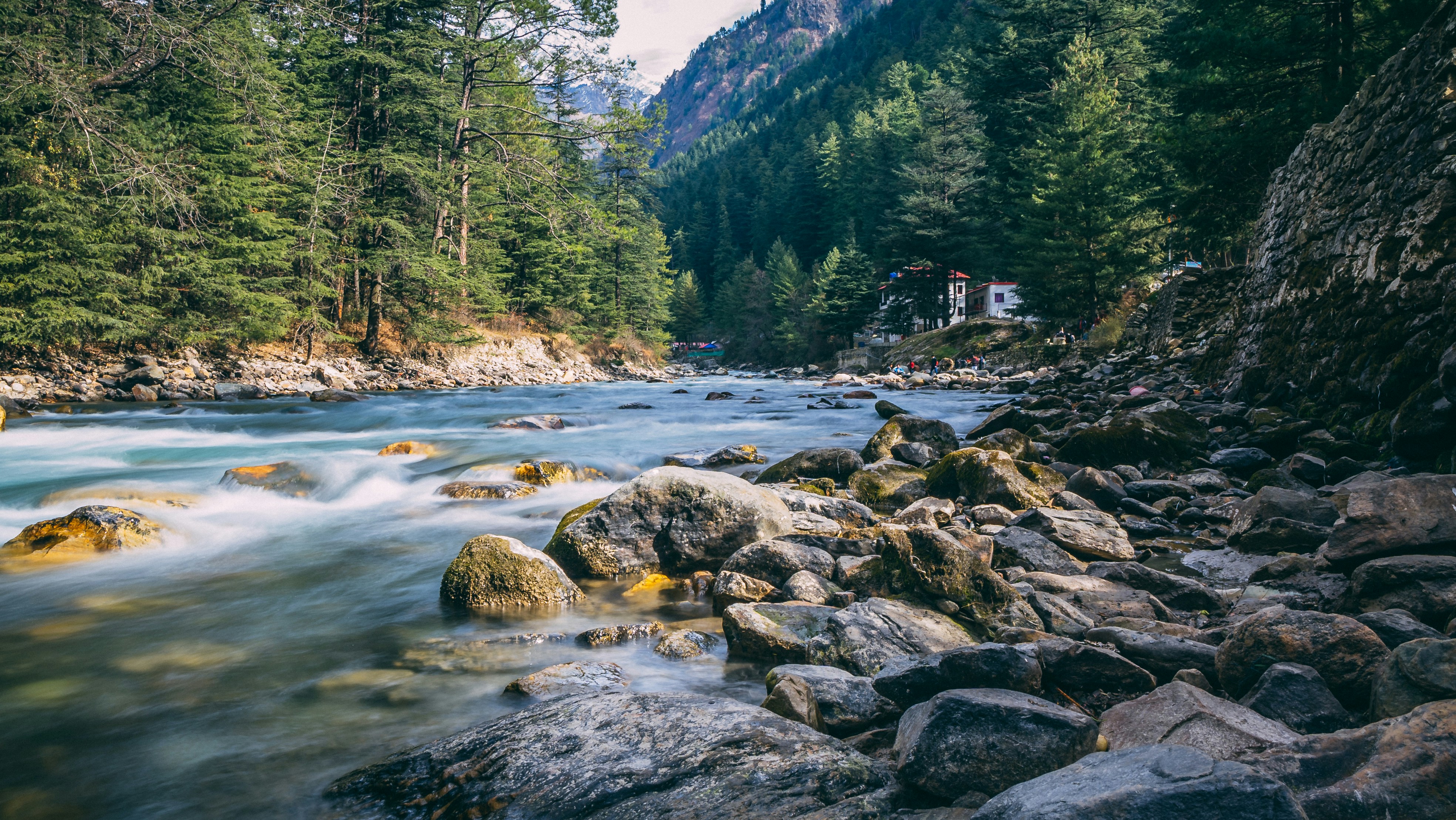
The sanctuary is fed by multiple perennial streams. The Ravi River, one of Himachal’s important rivers, flows close by. Several small nullahs originate in Kalatop’s woods, drain into the Ravi, and add to the sanctuary’s hydrological richness.
Forest Types
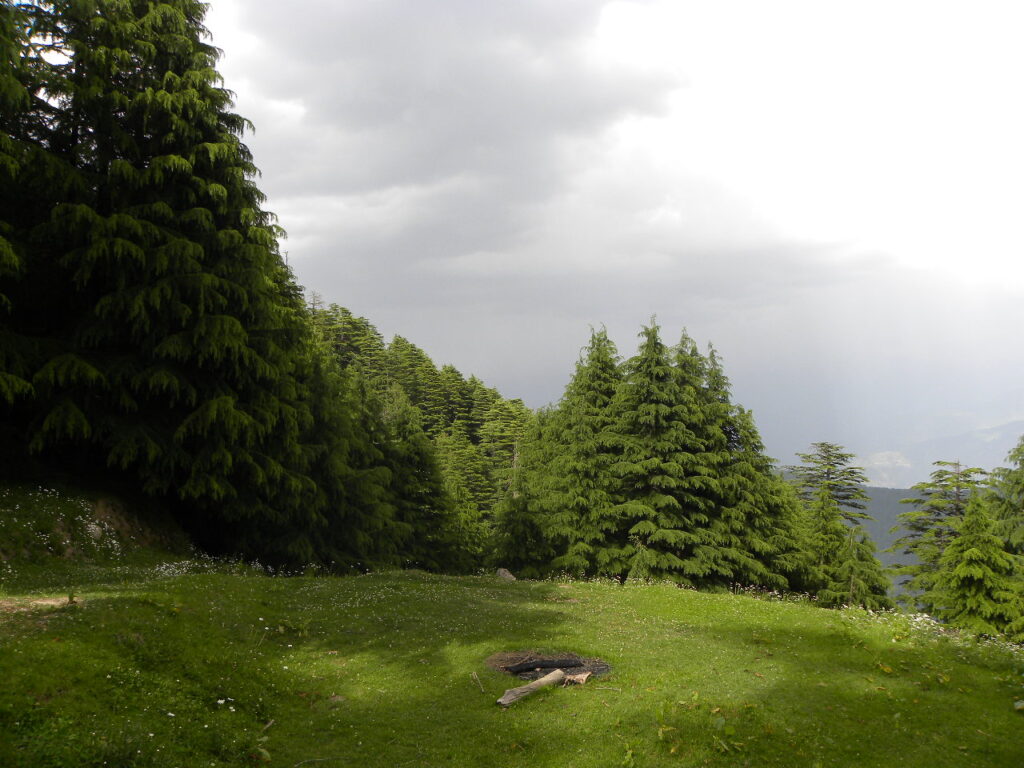
Kalatop Wildlife Sanctuary is dominated by deodar and fir at higher altitudes and oak, rhododendron, and blue pine lower down. Kalatop forms part of the larger temperate Himalayan broadleaf and coniferous forest system.
Climate
Thanks to its height and dense canopy, Kalatop enjoys a cool climate throughout the year, with heavy snowfall in winter, misty monsoon days, and bright yet crisp summers.
Nearby Important Places
Dalhousie (12 km)
A charming colonial-era hill station known for its British-era churches, pine-clad valleys, and views of the Pir Panjal range. Dalhousie is the main access point for Kalatop.
Khajjiar (10 km)
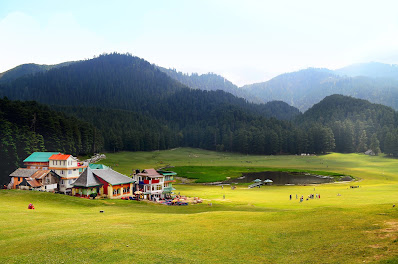
Nicknamed Mini Switzerland of India, Khajjiar is a stunning saucer-shaped meadow surrounded by thick forests of pine and cedar. The Khajji Nag Temple and the floating island on the meadow’s pond add unique charm.
Dainkund Peak (about 6 km from the Kalatop entrance)
The highest peak in the Dalhousie region is at around 2,755 meters. Known as the Singing Hill because of the whistling wind that passes through the trees, it offers panoramic views of the valleys below.
Panchpula (around 7 km from Dalhousie)
A scenic spot where several mountain streams meet. It is known for its waterfall and memorial to freedom fighter Sardar Ajit Singh.
Chamba Town (around 50 km by road)
One of Himachal’s culturally richest towns. Famous for its ancient temples, the Bhuri Singh Museum, and the beautiful Chamera Lake.
Other facts about Kalatop wildlife sanctuary
A Natural Wildlife Corridor
Kalatop connects to the larger Khajjiar-Kalatop forest circuit which, in turn, forms a corridor for wildlife movement toward the Ravi riverine forests, allowing animals like the Himalayan black bear and leopard to thrive.
Unexplored Trails
There are several little-known forest paths that local Gaddis (nomadic shepherds) still use for grazing their flocks—some routes even connect to remote parts of Chamba Valley if you venture with a local guide.
A Secret Bunker?
Some locals claim that during the British Raj, a secret underground storehouse or bunker was built near the forest rest house for storing hunting equipment and supplies. Though there’s no documented proof, stories still swirl among village elders.
Medicinal Plant Haven
The sanctuary is also an important site for traditional forest produce. Local villagers and herbalists sometimes collect herbs like Himalayan yew (a source of Taxol, used in cancer treatment), wild mushrooms, and aromatic plants, though modern restrictions limit such foraging to ensure conservation.
Night Sky Paradise
Because Kalatop lies away from town lights, on clear nights, the forest sky is stunning for stargazing—one can see the Milky Way shimmering above the dark canopy.
How to Combine Kalatop with Nearby Highlights
Many travelers craft a loop covering Dalhousie → Kalatop → Khajjiar → Chamba. This circuit offers a blend of forests, meadows, history, temples, and vibrant local culture within a short radius.
Suggested day plan:
Morning: Trek or drive to Kalatop, explore the forest rest house area, nature walks, birdwatching.
Afternoon: Proceed to Khajjiar, enjoy horse riding, or relax at the meadow.
Evening: Return to Dalhousie or stay overnight at a forest rest house for a unique experience.
Google Maps
FAQs
1. Where is Kalatop Wildlife Sanctuary located?
Kalatop Wildlife Sanctuary is located between Dalhousie and Khajjiar in the Chamba district of Himachal Pradesh. The sanctuary lies at an altitude ranging from approximately 1,800 to 2,700 meters above sea level.
2. Why is Kalatop Wildlife Sanctuary famous?
The sanctuary is famous for its dense deodar, pine, fir, and oak forests, rich wildlife, scenic trekking trails, and panoramic views of the Dhauladhar mountain range. It is one of the most popular nature destinations in the Dalhousie region.
3. What is the best time to visit Kalatop Wildlife Sanctuary?
The best time to visit is from March to June and September to November. During these months, the weather remains pleasant, and wildlife sightings are more common. Winter visits are also popular for snowfall experiences.
4. What animals can be seen in Kalatop Wildlife Sanctuary?
The sanctuary is home to Himalayan Black Bears, Leopards, Barking Deer, Himalayan Serow, Langurs, and numerous species of birds, including pheasants and Himalayan woodpeckers.
5. Is there an entry fee for the sanctuary?
Yes, visitors are generally required to pay an entry fee. Additional charges may apply for cameras, vehicles, and guided tours. Fees may vary according to current forest department regulations.
6. Can visitors go trekking inside the sanctuary?
Yes, Kalatop Wildlife Sanctuary is well known for its trekking routes. The most popular trail connects Dalhousie and Khajjiar through dense forests, offering excellent opportunities for birdwatching and nature photography.
7. How far is Kalatop Wildlife Sanctuary from Dalhousie?
The sanctuary is located about 8 to 10 kilometers from Dalhousie and can be reached by road or through a scenic trekking route.
8. Are accommodation facilities available near the sanctuary?
Yes, visitors can stay at the Kalatop Forest Rest House, which is located inside the sanctuary. Numerous hotels, resorts, and guesthouses are also available in Dalhousie and Khajjiar.
9. Is Kalatop Wildlife Sanctuary suitable for birdwatching?
Absolutely. The sanctuary is considered one of the best birdwatching destinations in Himachal Pradesh. Bird enthusiasts can spot species such as the Himalayan Monal, Khalij Pheasant, Eurasian Jay, and various Himalayan songbirds.
10. Can families and children visit Kalatop Wildlife Sanctuary?
Yes, the sanctuary is suitable for families, nature lovers, and children. The well-maintained forest trails, pleasant climate, and beautiful landscapes make it an enjoyable destination for visitors of all age groups.