Image Source: D Jas
About City Palace Alwar
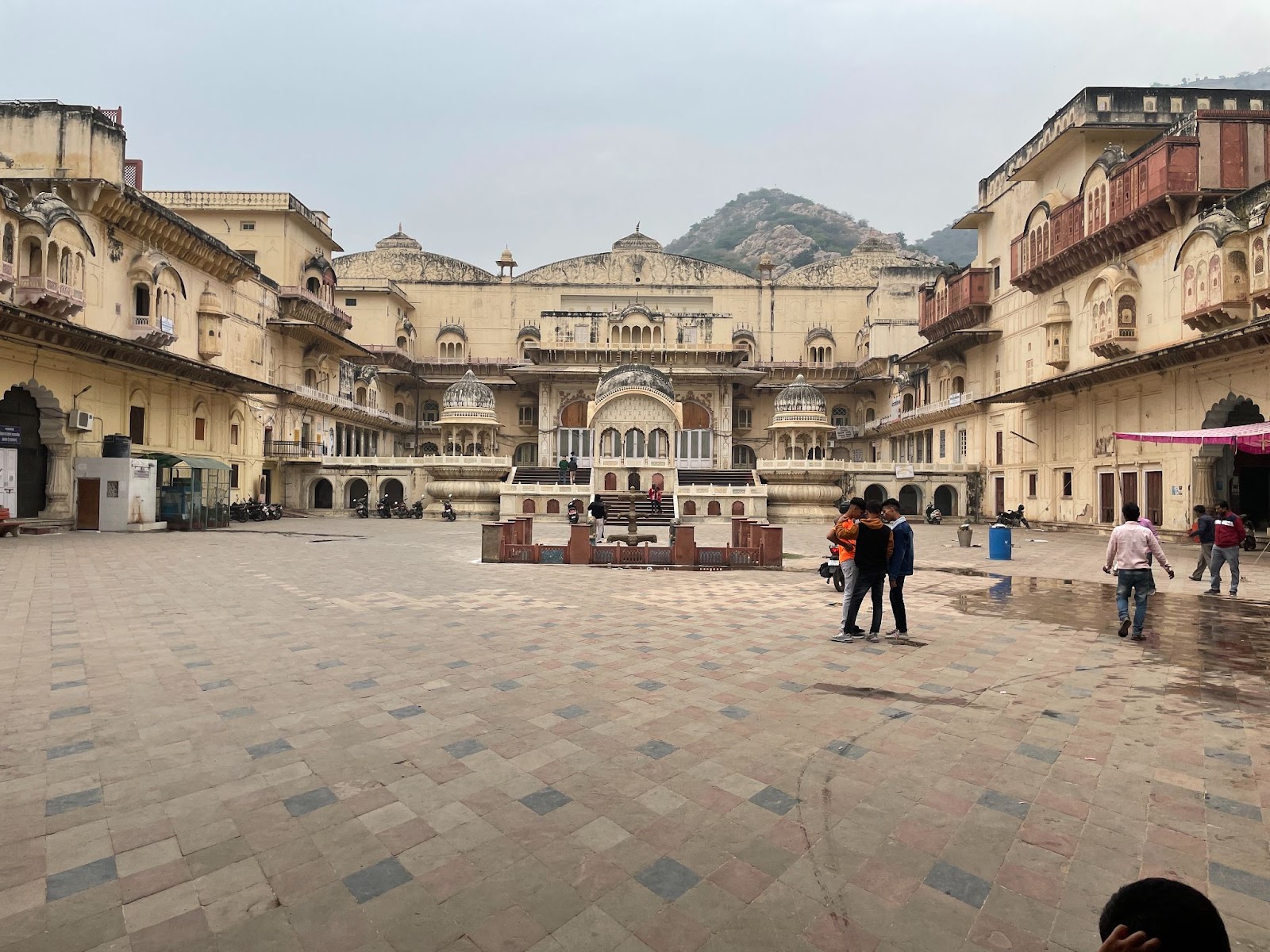
Nestled at the foothills of the ancient Aravalli Range, the magnificent City Palace Alwar is one of Rajasthan’s finest heritage landmarks. Known for its elegant architecture, royal history, and artistic treasures, the palace beautifully reflects the grandeur of the Rajput era blended with refined Mughal influences. Located in the heart of Alwar city, the palace attracts history lovers, architecture enthusiasts, photographers, and travelers seeking to explore Rajasthan’s lesser-known royal gems.
Built in 1793 by Maharaja Bakhtayar Singh, the palace served as the royal residence of the rulers of Alwar. Over the centuries, it became not only a symbol of power and prestige but also an important cultural center. Even today, the palace stands proudly as a reminder of Alwar’s glorious past and royal traditions.
Conveniently located around 3.5 kilometers from Alwar Junction Railway Station, the palace is easily accessible by road and is considered one of the most important attractions in the city.
Architecture and Design
One of the most striking features of City Palace Alwar is its seamless fusion of Rajput and Mughal architectural styles. The palace complex showcases grand balconies, delicately carved arches, ornamental pillars, sprawling courtyards, and beautifully designed gateways. Every corner of the structure reflects the artistic excellence of the craftsmen of that era.
As visitors step inside the palace complex, they are welcomed by a spacious central courtyard featuring a graceful marble pavilion shaped like a lotus. This elegant structure adds a touch of serenity and beauty to the royal setting. The intricate detailing on the walls and ceilings further highlights the sophistication of traditional Rajasthani architecture.
Another notable attraction inside the palace is the Vinay Vilas Mahal, which features an elevated pavilion-like entrance. The design elements here reveal strong Mughal influences combined with classic Rajput aesthetics, making the palace visually unique and historically significant.
Museum Inside the Palace
A major highlight of the palace complex is the government museum housed within the building. The museum offers visitors a fascinating glimpse into the artistic, literary, and military heritage of Alwar.
The palace structure consists of two levels, with government offices occupying the first floor and the museum located on the upper floor. The museum contains a rich collection of rare artifacts, manuscripts, miniature paintings, royal belongings, and ancient weaponry.
Among its most treasured exhibits are Mughal and Rajput paintings dating back to the 18th and 19th centuries. These artworks portray royal lifestyles, hunting scenes, mythological themes, and courtly traditions in exquisite detail. The museum also preserves several rare manuscripts written in Persian, Arabic, Sanskrit, and Urdu.
Some of the most remarkable manuscripts include Waqiat-e-Babri, Bostan, and Gulistan, which hold immense historical and literary value. Another prized possession is a beautifully illustrated copy of the Mahabharata, crafted by skilled Alwar artists. The collection of swords, shields, guns, and military equipment displayed in the museum also reflects the martial traditions of Rajasthan’s royal kingdoms.
Artificial Lake and Spiritual Atmosphere
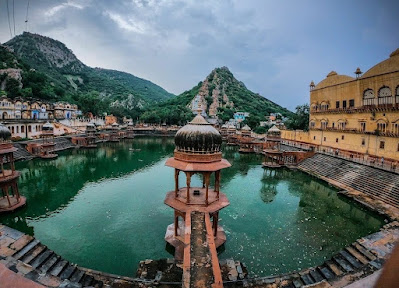
Surrounding the palace is a picturesque artificial lake that enhances the beauty and charm of the complex. This lake was constructed in 1815 by Maharaja Vinay Singh and continues to add a peaceful ambiance to the royal surroundings.
Several temples located along the banks of the lake create a spiritual atmosphere within the palace area. The calm waters, temple bells, and scenic surroundings make the place ideal for quiet walks and peaceful reflection. During sunrise and sunset, the lake area becomes especially beautiful, offering excellent opportunities for photography.
Mahosi Maharani Ki Chhatri and Purjan Vihar
Another architectural attraction within the palace complex is the elegant Mahosi Maharani Ki Chhatri. This cenotaph is admired for its distinctive Bengali-style roof and beautifully designed arches. The structure reflects a blend of regional artistic influences and royal memorial architecture.
Close to the cenotaph lies the lush and tranquil Purjan Vihar, a historic garden that provides a refreshing escape from the city’s bustle. Originally developed in 1868 by Maharaja Shiv Dan Singh and later beautified by Maharaja Mangal Singh in 1885, the garden features dense greenery, walking pathways, fountains, and shaded corners. It remains one of Alwar’s most peaceful heritage gardens.
Best Time to Visit
The best time to visit City Palace Alwar is between October and March, when the weather remains pleasant and suitable for sightseeing. Winters in Rajasthan are comfortable, making it easier to explore the palace complex, gardens, and nearby attractions.
Early mornings and late afternoons are ideal for photography, especially when the sunlight enhances the warm tones of the palace walls and reflects beautifully on the surrounding lake.
Timings and Entry Fee
Visitors can explore the palace from 9:45 AM to 5:15 PM, except on Mondays when the museum remains closed.
- Entry Fee for Indian visitors: ₹20
- Additional charges may apply for cameras or special exhibitions.
It is advisable to carry water, wear comfortable footwear, and allocate at least 2–3 hours to properly explore the palace and museum.
How to Reach City Palace Alwar
By Air:
The nearest airport is Jaipur International Airport, located about 150 km from Alwar. Taxis and buses are readily available from Jaipur to reach the city.
By Train:
Alwar Junction Railway Station is well connected to major cities such as Delhi, Jaipur, Jodhpur, and Mumbai. The City Palace is around 2 km from the railway station and can be reached by auto-rickshaw or taxi.
By Road:
Alwar enjoys excellent road connectivity via NH-48 and other state highways. Regular buses and taxis operate from Delhi, Jaipur, Gurgaon, and nearby cities. The palace is situated in the heart of Alwar city and is easily accessible by local transport.
Nearby Attractions of City Palace Alwar
1. Bala Quila (6 km)
Perched atop the Aravalli Hills, Bala Quila, or Alwar Fort, offers spectacular views of the city. Its massive gates, ancient structures, and historical significance make it one of Alwar’s most iconic landmarks.
2. Moosi Maharani Ki Chhatri (500 m)
Located just behind the City Palace, this beautiful cenotaph is known for its intricate Rajput architecture, marble pavilions, and exquisite carvings dedicated to Maharaja Bakhtawar Singh and Queen Moosi.
3. Siliserh Lake (15 km)
A picturesque lake surrounded by hills, Siliserh is a popular destination for boating, photography, and peaceful nature walks. The historic lakeside palace adds to its charm.
4. Sariska Tiger Reserve (38 km)
One of Rajasthan’s premier wildlife destinations, Sariska is famous for its tiger population, jeep safaris, diverse wildlife, and scenic forested landscapes.
5. Vijay Mandir Palace (10 km)
Situated beside a tranquil lake, this elegant palace was built by Maharaja Jai Singh and is admired for its beautiful architecture and serene surroundings.
6. Fateh Jung Gumbad (2 km)
This impressive 18th-century monument combines Rajput and Mughal architectural styles and stands as one of Alwar’s most significant historical structures.
Location of City Palace Alwar
FAQs
1. Where is City Palace Alwar located?
City Palace Alwar is located in the Alwar district of Rajasthan at the foothills of the Aravalli Hills.
2. Who built the City Palace Alwar?
The palace was built by Maharaja Bakhtayar Singh in 1793.
3. What is special about the architecture of City Palace Alwar?
The palace is famous for its beautiful blend of Rajput and Mughal architectural styles, featuring courtyards, arches, marble pavilions, balconies, and intricate carvings.
4. Is there a museum inside the palace?
Yes, the palace complex houses a government museum containing rare manuscripts, Rajput and Mughal paintings, ancient weapons, and royal artifacts.
5. What are the visiting timings of City Palace Alwar?
The palace is open from 9:45 AM to 5:15 PM and remains closed on Mondays.
6. What is the entry fee for City Palace Alwar?
The entry fee for Indian visitors is approximately ₹20.
7. What is the best time to visit the palace?
The winter season, from October to March, is considered the best time to visit due to pleasant weather conditions.
8. How far is the palace from Alwar Railway Station?
The palace is located around 3.5 kilometers from Alwar Junction Railway Station.
9. Are photography and videography allowed inside the palace?
Photography is generally allowed in many areas, although additional charges may apply in the museum section.
10. What other attractions are near City Palace Alwar?
Nearby attractions include Bala Quila, Moosi Maharani Ki Chhatri, Siliserh Lake, and Sariska Tiger Reserve..