Overview
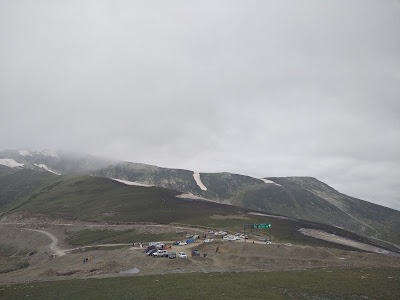
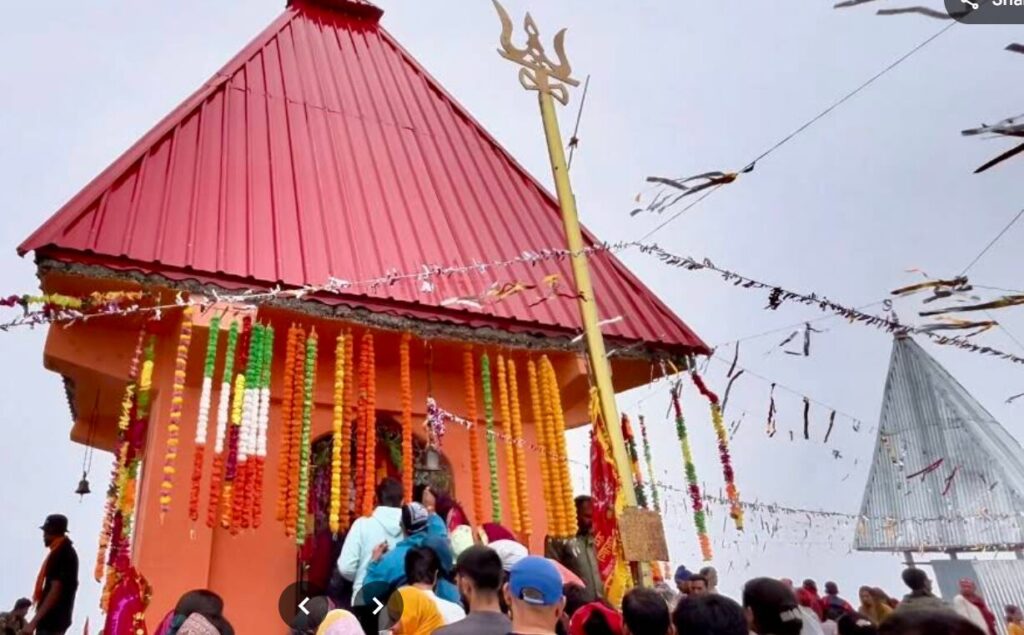
The revered Chamunda mata temple sarvadhar is one of the most significant high-altitude pilgrimage sites in the Pogal-Paristan region of Jammu & Kashmir’s Ramban district. Dedicated to Goddess Chamunda, a fierce manifestation of Shakti, the shrine sits in the Sarvadhar area at an elevation of approximately 14,000 feet (4,267 m), surrounded by alpine meadows, mountain ridges, and panoramic Himalayan views.
The temple has gained increasing prominence through the annual Chamunda Mata Yatra, which attracts devotees from Ramban, Doda, Kishtwar, Udhampur, Jammu, and other parts of North India.
Location
- Region: Sarvadhar, Pogal-Paristan.
- District: Ramban.
- Union Territory: Jammu and Kashmir.
- Elevation: Approximately 14,000 ft above sea level.
Religious Significance
Chamunda Devi is worshipped as the goddess who defeated the demons Chanda and Munda, from whom she derives her name. The shrine is considered a powerful Shakti site by local communities and serves as an important center of devotion in the Chenab Valley region.
History and the Yatra Tradition
Local traditions indicate that Sarvadhar was historically associated with community fairs such as the Mundasoo Mela and Seenabhati Mela. Over time, these gatherings evolved into the organized Chamunda Mata Yatra. The pilgrimage has reportedly been conducted in its current form since 2003 under the guidance of local temple development committees and community organizations.
The annual yatra usually takes place between June and August, when snow has melted from the upper reaches and trekking routes become accessible. Thousands of devotees participate during this period.
How to Reach
By Air
The nearest major airport is Jammu Airport.
By Rail
The nearest major railway station is Jammu Tawi Railway Station.
By Road
Ramban lies on National Highway 44, roughly midway between Jammu and Srinagar, making it accessible by road throughout much of the year.
Trek to the Shrine
The pilgrimage traditionally begins from the village of Seenabhati, which serves as a base camp. Pilgrims trek through mountain trails and meadows before reaching Sarvadhar and ultimately the temple. The route involves a challenging high-altitude trek of approximately 13–14 km over mountainous terrain.
What to Expect
Scenic Beauty
The shrine offers:
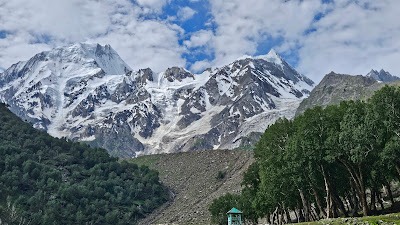
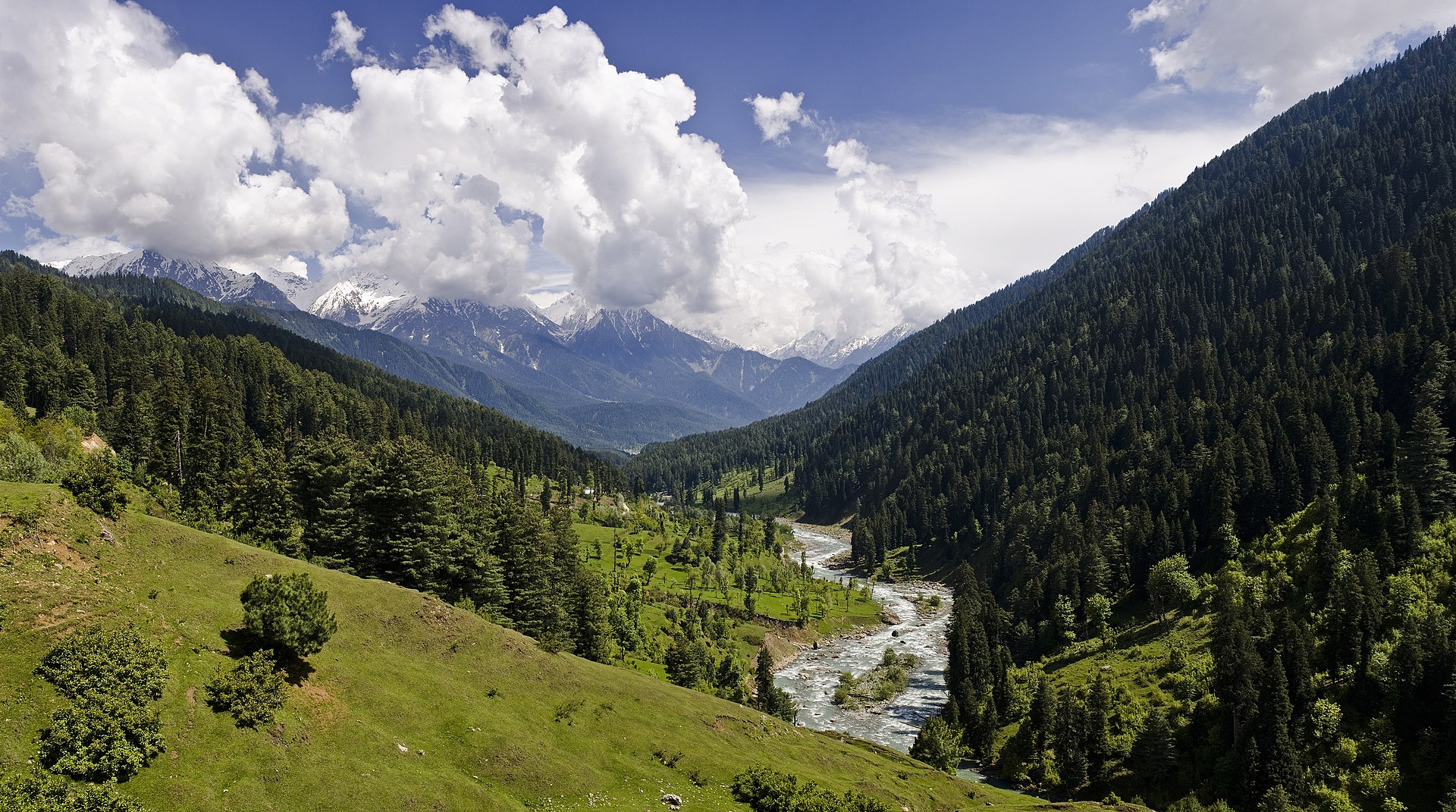
- Sweeping views of the Pogal-Paristan Valley.
- Alpine grasslands and wildflower-covered meadows.
- Snow-clad Himalayan ridges.
- Clear mountain skies during summer.
Spiritual Atmosphere
During the yatra season, visitors experience:
- Continuous devotional chanting.
- Traditional bhajans and kirtans.
- Community langars.
- Religious processions carrying the holy mace (Chhari).
Best Time to Visit
| Season | Recommendation |
|---|---|
| June–August | Ideal; official pilgrimage season |
| September–October | Pleasant weather, fewer crowds |
| November–May | Heavy snowfall and difficult access in higher reaches |
The temple area remains snowbound during much of winter, making summer the preferred period for both pilgrims and trekkers.
Travel Tips
- Acclimatize properly before undertaking the trek.
- Carry warm clothing even during summer.
- Wear sturdy trekking shoes.
- Carry water, snacks, and basic medicines.
- Check local weather conditions before departure.
- Travel with local guides if visiting outside the pilgrimage season.
- Respect local customs and religious practices.
Nearby Attractions
- Chinta Haran Mahadev Mandir (CHMM) in Pogal-Paristan.
- Chenab Valley viewpoints around Ramban.
- Banihal region and mountain landscapes.
- Traditional villages of Pogal and Paristan.
Quick Facts
- Deity: Chamunda Devi
- Location: Sarvadhar, Pogal-Paristan, Ramban
- Elevation: ~14,000 ft
- Main Festival: Annual Chamunda Mata Yatra
- Trek Distance: About 13–14 km
- Best Visit Period: June–August
- Type: High-altitude Hindu pilgrimage site
Chamunda Shrine is not only a place of worship but also one of the most spectacular high-altitude pilgrimage destinations in the Chenab Valley, combining spiritual significance with some of the finest mountain scenery in Jammu & Kashmir.