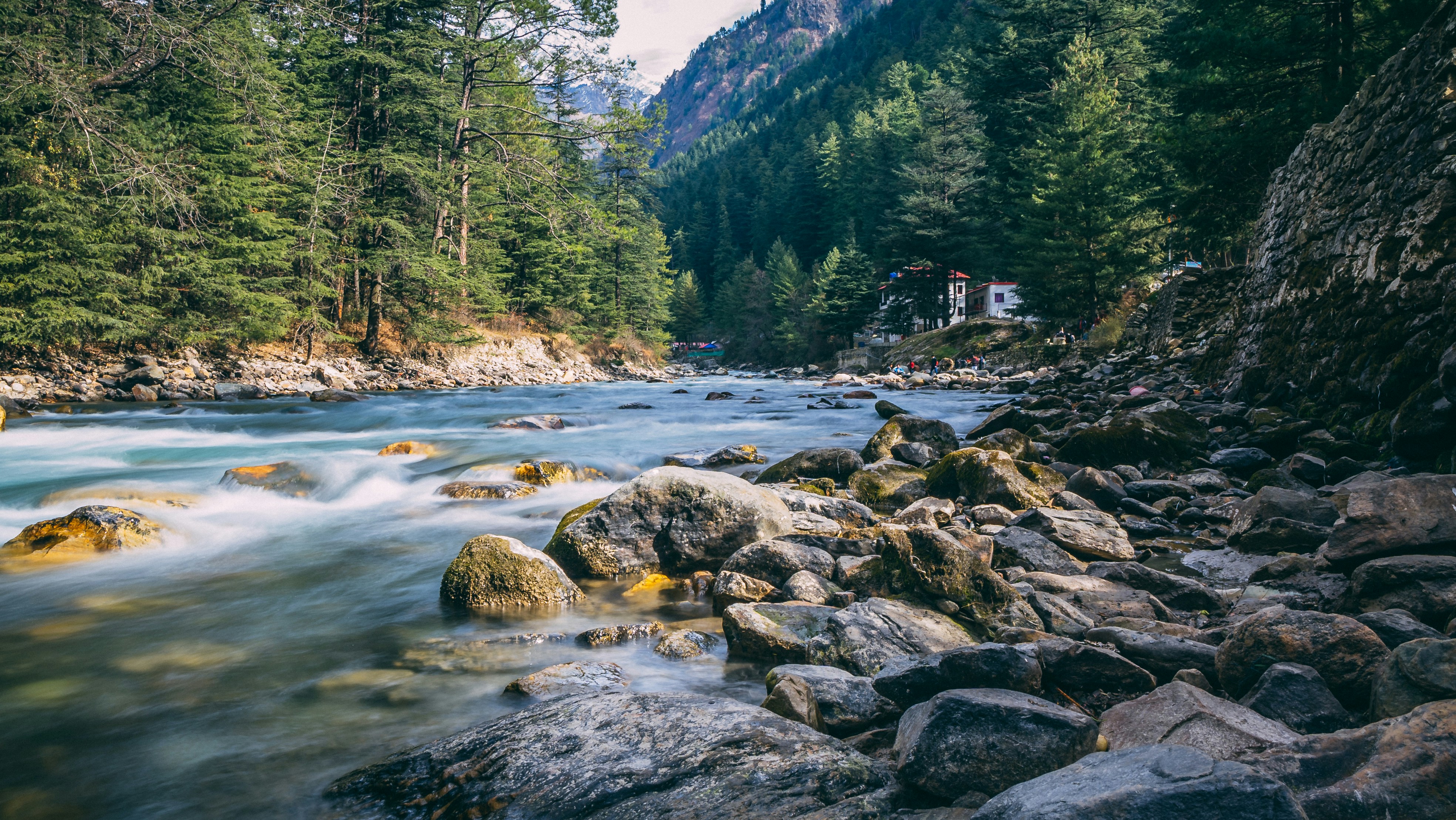
Image Source: TEAM 93 (Sam)
About Sinthan Pass
Perched high in the Himalayas at around 3,748 meters (12,300 feet), Sinthan Pass—often called Sinthan Top—is one of those places that still feels raw, untouched, and quietly spectacular. Sitting on the boundary between the Anantnag district of Kashmir Valley and the Kishtwar district of Chenab Valley, it connects two regions that differ not just in geography, but also in culture and way of life.
The drive to the top is an experience in itself. You wind your way through snow-covered peaks, sweeping valleys, and endless alpine landscapes. Unlike more crowded mountain destinations, Sinthan Pass has a calm, almost meditative vibe, making it perfect for travelers who enjoy offbeat places.
Geographical Significance
Sinthan Pass plays an important role as a natural bridge between two contrasting landscapes. On one side, you have the lush greenery of Kokernag in South Kashmir—known for its gardens, freshwater streams, and dense forests. On the other side lies Kishtwar, a region defined by rugged mountains and deep valleys.
The pass sits along National Highway 244 (NH-244), surrounded by the mighty Pir Panjal Range and Zanskar Range. As you ascend, the scenery shifts dramatically—from thick pine forests and flower-filled meadows to stark, rocky terrain dusted with snow.
Because of heavy snowfall, the pass usually remains closed from November to April, cutting off access for nearly half the year.
Climate and Best Time to Visit
The weather at Sinthan Pass stays cold throughout the year due to its altitude. Winters are harsh, with heavy snowfall making the route impassable.
The best time to visit is between May and October. During these months, the snow begins to melt, roads reopen, and the landscape comes alive with greenery—though patches of snow often remain, adding to the charm. Temperatures typically range from 5°C to 20°C.
Clear skies during this period offer breathtaking panoramic views, but mountain weather can be unpredictable. It’s always wise to carry warm layers, even in summer.
How to Reach Sinthan Pass
There are two main routes to reach Sinthan Pass:
From Srinagar (Kashmir Side)
The more popular and scenic route starts from Srinagar. The journey passes through Anantnag, Achabal, Kokernag, and Daksum before climbing up to the pass.
This route is around 130 km long and filled with waterfalls, forests, and scenic viewpoints.
From Jammu (Chenab Valley Side)
The longer but more adventurous route begins from Jammu, going through Batote, Doda, and Kishtwar.
At about 230 km, this route offers thrilling mountain roads and dramatic views of the Chenab Valley.
What to See and Do
Sinthan Pass is a paradise for nature lovers and photographers. The wide-open views of snowfields, jagged peaks, and deep valleys are truly unforgettable.
- Photography: Capture sweeping Himalayan vistas, changing light, and untouched landscapes.
- Snow Activities: Even in summer, you might find snow patches—perfect for a quick snowball fight or just soaking in the experience.
- Peace and Solitude: Unlike crowded hill stations, the silence here is striking—broken only by the sound of the wind.
Nearby, Daksum Valley is worth exploring. With its cedar forests, alpine flowers, and flowing streams, it’s ideal for picnics and relaxed walks.
For adventure enthusiasts, the pass also serves as a gateway to lesser-known trekking routes and is popular among bikers exploring the Chenab Valley.
Local Culture and People
The lower slopes around Sinthan Pass are home to nomadic communities like the Gujjars and Bakarwals. These pastoral tribes move seasonally with their livestock—mainly goats and sheep—between valleys and high-altitude pastures.
Their traditional tents, attire, and simple lifestyle offer a glimpse into a way of life that has remained unchanged for generations. Many travelers find interactions with these communities to be one of the most memorable parts of the journey.
Nearby Attractions to Sinthan Pass
Sinthan Pass, popularly known as Sinthan Top, is one of the most spectacular mountain passes in Jammu and Kashmir. Situated at an altitude of approximately 12,500 feet (3,800 meters), the pass connects the Kashmir Valley’s Anantnag district with Kishtwar in the Jammu region. Famous for its snow-covered landscapes, panoramic mountain views, alpine meadows, and winding mountain roads, Sinthan Pass has become a favorite destination for road-trippers, photographers, and adventure enthusiasts.
The pass remains snow-covered for much of the year and offers breathtaking views of the Pir Panjal and Greater Himalayan ranges. Its strategic location also makes it a gateway to several hidden valleys, trekking routes, and scenic destinations in both Kashmir and Chenab Valley.
Daksum
Located on the Anantnag side of the pass, Daksum is famous for its dense deodar forests, mountain streams, trout-rich rivers, and scenic picnic spots. It is one of the most beautiful destinations along the route to Sinthan Pass.
Kokernag
Kokernag is renowned for its freshwater springs, botanical gardens, and trout hatcheries. It serves as a popular starting point for travelers heading toward Sinthan Pass.
Breng Valley
The picturesque Breng Valley is known for its lush forests, meadows, rivers, and traditional Kashmiri villages. It offers a peaceful escape for nature lovers exploring South Kashmir.
Ahlan Valley
Located near Kokernag, Ahlan Valley is a hidden gem featuring expansive meadows, pine forests, and beautiful camping sites surrounded by mountains.
Verinag
Verinag is famous as the source of the Jhelum River. Its Mughal-era spring and landscaped gardens attract visitors throughout the year.
Achabal Garden
Achabal Garden is one of Kashmir’s finest Mughal gardens, known for its fountains, terraced lawns, and ancient chinar trees.
Margan Top
Margan Top is a high-altitude mountain pass that provides access to the remote and breathtaking Warwan Valley. The route offers stunning views of glaciers and alpine landscapes.
Warwan Valley
Warwan Valley is considered one of the most beautiful valleys in the Himalayas. It is known for pristine rivers, meadows, glaciers, and traditional mountain settlements.
Kishtwar National Park
Kishtwar National Park is home to diverse Himalayan wildlife, including snow leopards, Himalayan black bears, musk deer, and numerous bird species.
Kishtwar Town
Kishtwar is the main urban center of the Chenab Valley region. The town is known for its rich culture, ancient temples, and scenic mountain surroundings.
Chatroo Valley
Chatroo is a picturesque valley featuring dense forests, rivers, and traditional mountain villages. It serves as a gateway to several trekking routes in Kishtwar district.
Bhaderwah Valley
Often called the “Mini Kashmir of Jammu,” Bhaderwah is famous for its lush meadows, pine forests, and pleasant climate.
Padri Pass
Padri Pass is a scenic high-altitude pass offering magnificent views of the surrounding Himalayan peaks and valleys.
Sarthal Valley
Located in the Kathua region, Sarthal Valley is known for its alpine meadows, dense forests, and trekking opportunities.
Martand Sun Temple
Near Anantnag, Martand Sun Temple is one of Kashmir’s most significant archaeological monuments. Built during the 8th century, the temple offers both historical importance and panoramic valley views.
Pahalgam
About a few hours’ drive from the pass, Pahalgam is one of Kashmir’s most famous tourist destinations, known for its rivers, meadows, trekking routes, and stunning mountain scenery.
Travel Tips and Precautions
Sinthan Pass is remote and largely undeveloped, so preparation is key:
- Carry enough food, water, and warm clothing—there are no shops or facilities at the top.
- Refuel your vehicle at Anantnag or Kishtwar; fuel stations are scarce beyond these points.
- Roads can be narrow and slippery, especially during snowmelt—drive carefully and preferably during daylight.
- Mobile networks are unreliable or completely unavailable, so inform someone about your travel plans in advance.
- If you’re not used to mountain driving, consider hiring an experienced local driver.
Google Maps
FAQs
1. Is Sinthan Pass open throughout the year?
No, it usually remains closed from November to April due to heavy snowfall.
2. What is the best time to visit Sinthan Pass?
May to October is the ideal window when the roads are open and the weather is relatively stable.
3. Are there hotels or restaurants at the pass?
No, there are no facilities at the top. The nearest options are in Daksum, Anantnag, or Kishtwar.
4. Is it safe to drive to Sinthan Pass?
Yes, but caution is required. The roads are narrow and weather conditions can change quickly. Driving during the day is recommended.
5. Do I need any special permits?
As of now, Indian tourists generally don’t need special permits, but it’s always good to check local advisories before traveling.
6. Can beginners visit Sinthan Pass?
Yes, but proper planning is essential. It’s more suitable for travelers comfortable with remote and high-altitude destinations.