Introduction
Nestled in South China , Guangxi Zhuang Autonomous Region (广西壮族自治区, Guǎngxī Zhuàngzú Zìzhìqū) is one of China’s most breathtaking travel destinations. Famous for its surreal karst mountains , crystal-clear rivers, ancient villages, spectacular rice terraces, and diverse ethnic cultures, Guangxi offers an extraordinary blend of natural beauty and cultural heritage.
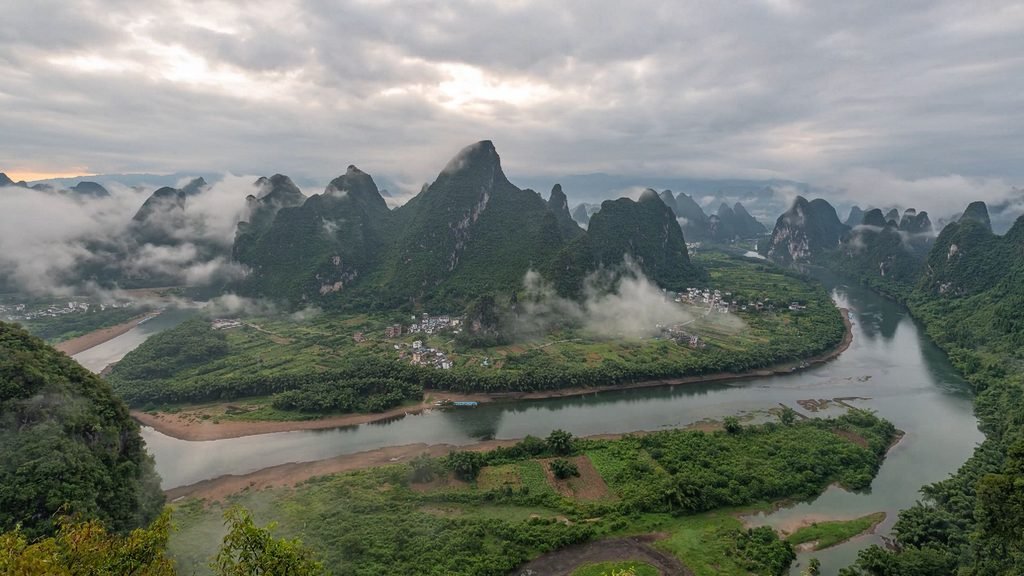
The region is best known for the postcard-perfect landscapes of Guilin and Yangshuo , where limestone peaks rise dramatically from emerald-green rice fields and the winding Li River . Beyond these iconic attractions, Guangxi is home to the magnificent Longji Rice Terraces , the spectacular Detian Waterfall on the Vietnam border, pristine beaches in Beihai , volcanic Weizhou Island , and centuries-old villages inhabited by the Zhuang , Dong , Yao , and Miao ethnic groups.
As China’s only autonomous region with a majority Zhuang ethnic population, Guangxi offers visitors a unique opportunity to experience colourful festivals, traditional architecture, folk music, and authentic local cuisine while exploring one of the country’s most diverse landscapes.
Whether you are seeking a relaxing river cruise, adventurous hiking trails, cultural immersion, photography, or unforgettable road trips, Guangxi is one of the most rewarding provinces to explore in China.
—
Quick Facts
| Information | Details |
| —————— | ———————————————————- |
| Chinese Name | 广西壮族自治区 (Guǎngxī Zhuàngzú Zìzhìqū) |
| English Name | Guangxi Zhuang Autonomous Region |
| Capital | Nanning |
| Region | South China |
| Area | Approximately 237,600 km² |
| Population | Around 50 million |
| Highest Peak | Mao’er Mountain (2,141 m) |
| Famous For | Karst landscapes, Li River, rice terraces, ethnic cultures |
| Main Ethnic Groups | Zhuang, Han, Dong, Yao, Miao, Mulam |
| Best Time to Visit | March–May and September–November |
—
Why Visit Guangxi?
Guangxi offers some of China’s most iconic natural scenery and cultural experiences.
Highlights
* Guilin’s world-famous karst mountains.
* Li River cruises.
* Yangshuo countryside.
* Longji Rice Terraces.
* Detian Waterfall.
* Ethnic minority villages.
* Ancient towns.
* Limestone caves.
* Coastal beaches.
* Weizhou Island.
* Scenic cycling routes.
* River rafting.
* Local cuisine.
—
Geography
Guangxi borders Guangdong , Hunan , Guizhou , Yunnan , and Vietnam , while its southern coastline opens onto the Beibu Gulf .
Major Geographic Regions
Northeastern Karst Mountains
Home to Guilin, Yangshuo, and Longsheng, this area is renowned for dramatic limestone peaks, caves, and winding rivers.
Central Guangxi
Characterised by rolling hills, fertile valleys, and agricultural landscapes surrounding cities such as Liuzhou and Laibin.
Southwestern Borderlands
This region features waterfalls, tropical forests, and border scenery near Vietnam, including the famous Detian Waterfall.
Southern Coast
Guangxi’s coastline includes sandy beaches, mangrove forests, fishing ports, and volcanic islands such as Weizhou Island.
—
History
Guangxi has been inhabited for thousands of years and has long served as a crossroads between southern China and Southeast Asia.
The region became part of imperial China during the Qin Dynasty (221–206 BCE), when the Lingqu Canal connected the Yangtze and Pearl River systems, facilitating trade and military expansion.
Over the centuries, Guangxi developed as a multicultural frontier where Han Chinese settlers interacted with indigenous peoples, particularly the Zhuang. The region also played important roles during the Taiping Rebellion , the Sino-French War , and the Second Sino-Japanese War .
Today, Guangxi is celebrated for its rich cultural diversity and well-preserved traditions.
—
Top Places to Visit
Guilin
Perhaps China’s most famous scenic city, Guilin is known for its limestone peaks, caves, and river landscapes.
Top attractions:
* Elephant Trunk Hill.
* Reed Flute Cave.
* Seven Star Park.
* Two Rivers and Four Lakes.
* Riyue Twin Pagodas.
Recommended stay: 2–3 days
—
Yangshuo
Located downstream from Guilin, Yangshuo is famous for:
* Karst mountains.
* Bamboo rafting.
* Cycling routes.
* West Street.
* Moon Hill.
* Yulong River.
Recommended stay: 2–4 days
—
Li River
The Li River cruise between Guilin and Yangshuo is widely regarded as one of the most beautiful river journeys in the world.
Highlights include:
* Limestone peaks.
* Fishing villages.
* Bamboo groves.
* Cormorant fishing demonstrations.
* Misty mountain scenery.
—
Longji Rice Terraces
Also known as the Dragon’s Backbone Rice Terraces, these centuries-old terraces climb steep mountain slopes and are cultivated by the Zhuang and Yao peoples.
Activities include:
* Hiking.
* Photography.
* Village visits.
* Homestays.
—
Nanning
The regional capital offers:
* Qingxiu Mountain.
* Guangxi Museum.
* Nanhu Park.
* Local food markets.
* Modern shopping districts.
—
Detian Waterfall
Located on the China–Vietnam border, Detian is Asia’s largest transnational waterfall and one of Guangxi’s most spectacular natural attractions.
—
Beihai
A coastal city known for:
* Silver Beach.
* Seafood.
* Historic Old Street.
* Ferry connections to Weizhou Island.
—
Weizhou Island
China’s youngest volcanic island features:
* Lava formations.
* Beaches.
* Coral reefs.
* Cycling routes.
* Seafood restaurants.
—
Huangyao Ancient Town
A beautifully preserved town with:
* Stone streets.
* Ancient bridges.
* Traditional residences.
* Riverside scenery.
—
Chongzuo & Mingshi Scenic Area
Known for peaceful rivers, karst mountains, and picturesque rural landscapes often compared to Guilin, but with fewer crowds.
—
UNESCO World Heritage Sites
Guangxi is home to two UNESCO World Heritage sites.
South China Karst
The Guilin and surrounding karst landscapes form part of the internationally recognised South China Karst World Heritage property, showcasing some of the world’s finest tower karst formations.
Zuojiang Huashan Rock Art Cultural Landscape
Located along the Zuojiang River near Chongzuo, these ancient cliff paintings created by the ancestors of the Zhuang people date back more than 2,000 years and depict rituals, daily life, and spiritual beliefs.
—
Ethnic Cultures
Guangxi is one of China’s most ethnically diverse regions.
Zhuang
China’s largest ethnic minority, known for colourful festivals, bronze drum traditions, and distinctive folk songs.
Dong
Famous for wooden drum towers, covered wind-and-rain bridges, and polyphonic choir singing.
Yao
Recognised for colourful traditional clothing, terraced farming, and mountain villages.
Miao
Known for silver jewellery, embroidery, and vibrant festivals.
Visitors can experience authentic minority culture through village stays, local festivals, and traditional performances.
—
Outdoor Activities
Popular activities include:
* Bamboo rafting.
* Cycling in Yangshuo.
* Hiking the Longji Rice Terraces.
* Rock climbing.
* Caving.
* River cruises.
* Birdwatching.
* Photography.
* Kayaking.
* Coastal exploration.
—
Food Guide
Guangxi cuisine combines Cantonese influences with local ethnic traditions.
Must-Try Dishes
* Guilin Rice Noodles.
* Yangshuo Beer Fish.
* Luosifen (Liuzhou Snail Noodles).
* Stuffed river snails.
* Lemon duck.
* Bamboo tube rice.
* Sticky rice dishes.
* Fresh seafood.
* Rice wine.
—
Best Time to Visit
| Season | Experience |
| ————————— | ———————————————- |
| Spring (March–May) | Flowers, green rice terraces, pleasant weather |
| Summer (June–August) | Lush scenery but hot and humid |
| Autumn (September–November) | Comfortable weather and golden rice terraces |
| Winter (December–February) | Mild climate and fewer tourists |
The best times to visit are March–May and September–November .
—
How to Reach
By Air
Major airports include:
* Guilin Liangjiang International Airport.
* Nanning Wuxu International Airport.
* Beihai Fucheng Airport.
—
By High-Speed Rail
Guangxi has an extensive high-speed rail network connecting:
* Beijing.
* Guangzhou.
* Shenzhen.
* Hong Kong (via connecting services).
* Changsha.
* Guiyang.
* Kunming.
—
By Road
Modern expressways make it easy to explore the province by car, especially routes linking Guilin, Yangshuo, Longsheng, and Nanning.
—
Suggested 10-Day Itinerary
Day 1–2
Explore Guilin.
Day 3–4
Cruise the Li River and stay in Yangshuo.
Day 5
Cycle through Yangshuo countryside.
Day 6–7
Visit Longji Rice Terraces and ethnic villages.
Day 8
Travel to Nanning.
Day 9
Visit Detian Waterfall.
Day 10
Relax in Beihai or take a ferry to Weizhou Island.
—
Where to Stay
Accommodation options include:
* Luxury riverside resorts.
* Boutique hotels.
* Traditional village homestays.
* Eco-lodges.
* Beach resorts.
* Budget hostels.
* International hotels.
—
Travel Tips
* Wear comfortable walking shoes for exploring terraces and villages.
* Bring lightweight rain gear, particularly during spring and summer.
* Book Li River cruises in advance during peak travel seasons.
* Carry cash or a mobile payment option for small villages where international cards may not be accepted.
* Respect local customs when visiting ethnic communities and ask permission before photographing people.
—
Frequently Asked Questions
What is Guangxi famous for?
Guangxi is famous for its karst mountains, the Li River, Guilin, Yangshuo, Longji Rice Terraces, Detian Waterfall, and the rich cultures of the Zhuang and other ethnic minority groups.
How many days should I spend in Guangxi?
A trip of 7–10 days is ideal to explore the main attractions, while two weeks allows for a deeper journey into ethnic villages, coastal areas, and lesser-known destinations.
Is Guangxi suitable for families?
Yes. River cruises, scenic countryside, beaches, caves, and cultural attractions make Guangxi a family-friendly destination.
What is the best way to travel around Guangxi?
High-speed rail is excellent for moving between major cities, while private cars or guided tours are recommended for exploring rural attractions such as the Longji Rice Terraces and Detian Waterfall.
Is Guangxi different from nearby Guangdong?
Yes. While Guangdong is more urban and industrial, Guangxi is known for its dramatic natural scenery, ethnic diversity, slower pace of life, and outdoor adventure opportunities.
—
Nearby Provinces
* Guangdong.
* Hunan.
* Guizhou.
* Yunnan.
* Vietnam (via international border crossings).
—
Photography Guide
Guangxi is considered one of the most photogenic regions in China, offering an exceptional mix of mountains, rivers, rice terraces, waterfalls, and coastal scenery.
Best Photography Locations
* Li River at sunrise.
* Xianggong Hill overlooking the Li River.
* Yangshuo karst peaks.
* Longji Rice Terraces during sunrise and sunset.
* Detian Waterfall.
* Elephant Trunk Hill.
* Reed Flute Cave.
* Weizhou Island coastline.
* Huangyao Ancient Town.
* Mingshi Scenic Area.
Best Time for Photography
* Spring (March–May): Emerald-green rice terraces, misty karst peaks, and flowering countryside.
* Autumn (September–November): Golden rice terraces, clear skies, and comfortable weather.
* Sunrise: Best for mist-covered karst mountains and the Li River.
* Sunset: Ideal for Xianggong Hill, Yangshuo countryside, and coastal landscapes around Beihai and Weizhou Island.