Introduction
The Seraj region of Mandi represents one of the most authentic and least explored landscapes of Himachal Pradesh. Unlike the bustling hill stations of Shimla or Manali, Seraj offers a quieter, deeper connection with the Himalayas—where traditional lifestyles, dense forests, and sacred beliefs continue to shape everyday life. The term “Seraj” is often understood to refer to the interior highland areas, and this region truly lives up to that meaning, both geographically and culturally.
—
Geographic Identity and Landscape
Seraj is not an administrative district but a well-recognized cultural and geographical region within Mandi. It is broadly divided into Inner Seraj and Outer Seraj, each with its own distinct character. Inner Seraj includes remote valleys such as Janjehli Valley, known for its isolation, dense forests, and traditional settlements. Outer Seraj, on the other hand, lies closer to the Kullu border and includes areas near Jalori Pass, acting as a transitional zone between Mandi and Kullu cultures.
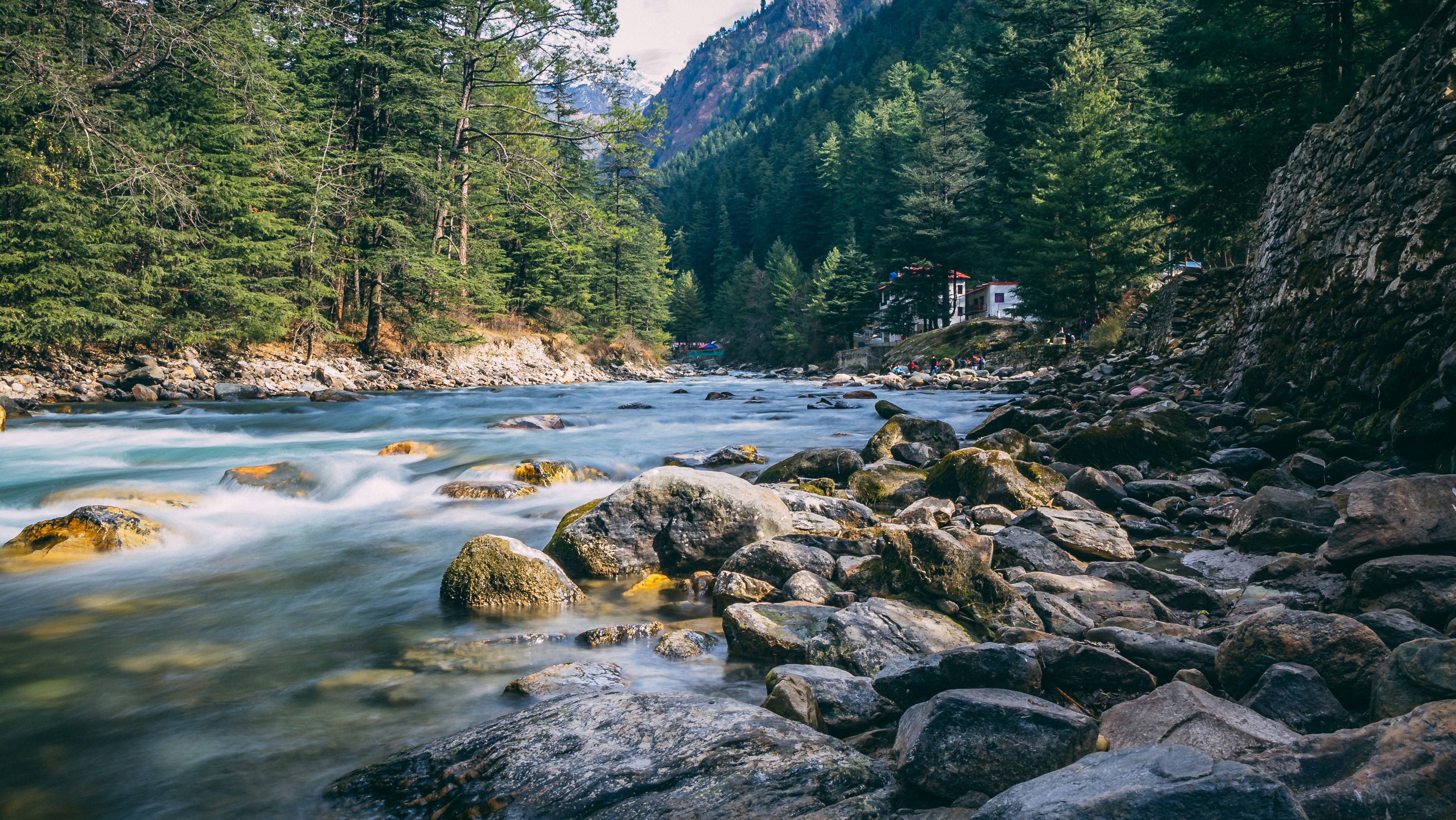
The landscape of Seraj is dominated by thick forests of deodar, oak, and pine, interspersed with open meadows locally known as *thach*. High ridges such as Sarkidhar and sacred peaks like Shikari Devi Temple define the skyline. These features make Seraj a classic example of the middle Himalayan terrain, where forested slopes gradually give way to panoramic ridgelines.
—
Cultural Significance and Devta System
One of the most defining aspects of Seraj is its deeply rooted **devta culture**, which continues to guide social and spiritual life. Almost every village in the region has its own deity, believed to be a living force that protects and governs the community. These deities are carried in beautifully decorated palanquins and are actively involved in local decision-making, festivals, and rituals.
This system is not symbolic but functional—villagers often consult their deity for important matters, including disputes and agricultural decisions. Compared to other parts of Himachal, the traditions in Seraj remain largely untouched by commercialization, preserving a rare continuity of indigenous practices.
—
Historical Background
Historically, the Seraj region remained relatively isolated due to its rugged terrain and dense forest cover. Unlike Shimla, which became a major colonial center, Seraj saw limited British influence. This isolation helped preserve its traditional architecture, customs, and social systems. Villages developed organically, maintaining strong community bonds and a lifestyle closely tied to nature.
The lack of major trade routes passing through Seraj also meant that external cultural influences were minimal, allowing the region to retain its original identity over centuries.
—
Economy and Lifestyle
The economy of Seraj is primarily based on agriculture, horticulture, and pastoralism. Crops such as maize, wheat, and barley are commonly grown, while apple orchards and other fruit cultivation have gained importance in recent decades. Livestock rearing, especially sheep and cattle, plays a crucial role, with shepherds moving seasonally to high-altitude meadows.
The lifestyle here is simple and sustainable, with houses traditionally built using wood and stone to withstand harsh winters. Daily life revolves around seasonal cycles, local festivals, and community cooperation, reflecting a deep harmony with the natural environment.
—
Tourism and Emerging Importance
In recent years, Seraj has begun to attract travelers seeking offbeat destinations. Its appeal lies in its authenticity and lack of mass tourism. Places like Janjehli Valley serve as base points for trekking, while sacred sites like Shikari Devi Temple offer both spiritual and scenic experiences. Hidden ridges such as Sarkidhar provide opportunities for exploration beyond conventional routes.
Unlike popular tourist circuits, Seraj offers a slower, more immersive form of travel, where visitors can engage with local culture, nature, and traditions in a meaningful way.
—
Connectivity and Accessibility
Reaching Seraj requires effort, which has contributed to its preserved state. From Mandi, the region lies about 80 to 100 kilometers away, connected by narrow and winding mountain roads. Public transport is limited, and travelers often rely on private vehicles or taxis.
While the journey can be challenging, it is also scenic, passing through forests, villages, and mountain landscapes that gradually transition into the remote beauty of Seraj.
—
Conclusion
The Seraj region of Mandi stands as a reminder of what the Himalayas once were—untouched, culturally vibrant, and deeply connected to nature. From its dense forests and high ridges like Sarkidhar to its living traditions and sacred peaks, Seraj offers an experience that goes far beyond conventional tourism.
For those willing to venture off the beaten path, it reveals a side of Himachal that is not just seen, but truly felt.