Image Source: soumyendra kumar/ Google Maps
Introduction
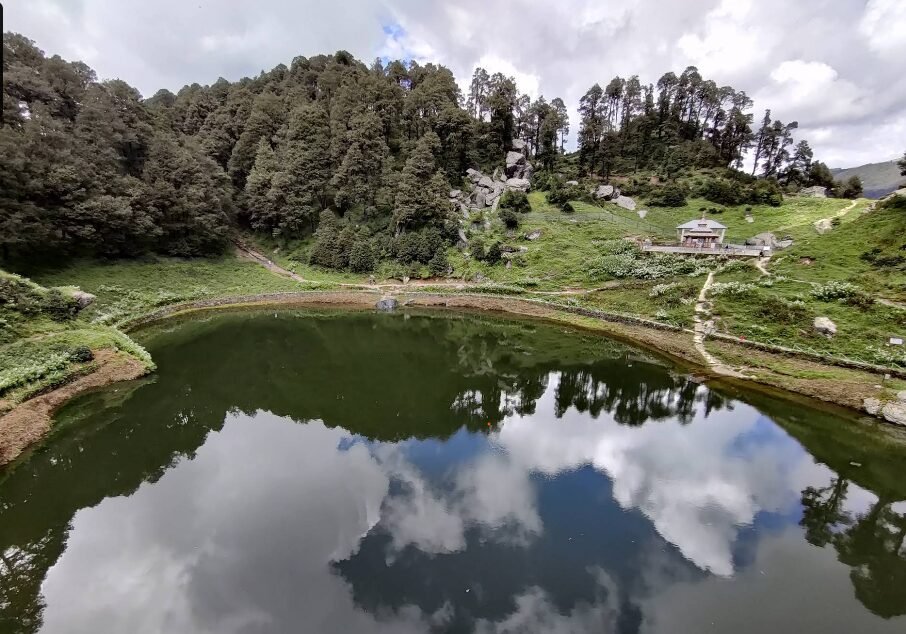
Hidden deep within the forests of Himachal Pradesh, **Serolsar Lake** is one of the most pristine and spiritually significant high-altitude lakes in the region. Located near the famous Jalori Pass in the Kullu district, this serene water body sits at an altitude of around 3,100 meters and is surrounded by dense oak and deodar forests.
Unlike many crowded Himalayan destinations, Serolsar Lake retains an untouched charm—where silence, spirituality, and natural beauty merge into a deeply immersive experience.
—
Location and Geographic Setting
Serolsar Lake lies about 5 km from
Jalori Pass, which connects the Kullu Valley with the Shimla region.
The lake is nestled in the **Great Himalayan foothills**, surrounded by thick forests of:
* Oak (locally called *kharsu*).
* Pine.
* Deodar.
The trail to the lake is relatively gentle, making it one of the most accessible high-altitude treks in Himachal Pradesh.
—
Mythology and Religious Significance
Serolsar Lake is not just a natural wonder—it is a sacred site deeply associated with local beliefs. The lake is dedicated to **Budhi Nagin**, the mother of all nag (serpent) deities in the region.
Budhi Nagin is believed to reside in the lake, protecting the surrounding forests and villages. According to local legends:
* The water of the lake is considered **holy and pure**.
* No leaves or dirt are ever seen floating on its surface.
* Birds are said to **clean the lake regularly**, maintaining its sanctity.
Near the lake stands a small temple dedicated to Budhi Nagin, where devotees offer prayers and seek blessings.
—
Natural Beauty and Environment
Serolsar Lake is often described as a “mirror lake” due to its crystal-clear waters that reflect the surrounding forest and sky.
Key Natural Features
* **Perfectly round shape**, adding to its mystical aura.
* Dense forest cover creating a secluded atmosphere.
* Rich biodiversity including Himalayan birds and small mammals.
* Seasonal wildflowers blooming in summer.
The area remains relatively undisturbed, making it ideal for nature lovers and those seeking solitude.
—
Trek to Serolsar Lake
The trek from Jalori Pass to Serolsar Lake is one of the most popular short treks in Himachal Pradesh.
Trek Details
* Distance: ~5 km (one way).
* Difficulty: Easy to moderate.
* Duration: 2–3 hours.
The trail passes through enchanting forests and gentle slopes, offering occasional clearings with panoramic Himalayan views.
Experience Along the Trail
* Wooden rest shelters along the path.
* Sounds of birds and rustling leaves.
* Cool mountain breeze even in summer.
* Occasional sightings of wildlife.
This trek is ideal for beginners as well as experienced trekkers looking for a peaceful hike.
—
Best Time to Visit
The lake is accessible for most of the year, but each season offers a different experience:
* **April to June**: Pleasant weather, blooming flowers.
* **July to September**: Lush greenery (but risk of rain).
* **October to November**: Clear skies and crisp air.
* **December to March**: Snow-covered trail (challenging but magical).
Winter visits require caution due to heavy snowfall near Jalori Pass.
—
How to Reach Serolsar Lake
Step 1: Reach Jalori Pass
Jalori Pass is the base point for the trek.
By Road
* From Shimla: ~100 km via Narkanda.
* From Kullu: ~75 km via Banjar Valley.
You can reach Jalori Pass by:
* Private taxi.
* Self-drive vehicle.
* Local buses (up to nearby towns like Banjar or Ani, then taxi).
—
Step 2: Trek to the Lake
From Jalori Pass, follow the well-marked forest trail to Serolsar Lake. No guide is strictly necessary, but local guides are available if needed.
—
Cultural and Local Experience
The villages around Jalori Pass and Banjar Valley offer a glimpse into traditional Himachali life. Wooden houses, local temples, and simple mountain lifestyles add cultural depth to the journey.
Festivals dedicated to local deities often involve rituals connected to Serolsar Lake, reinforcing its importance in regional belief systems.
—
Travel Tips
* Carry warm clothing, even in summer.
* Wear good trekking shoes.
* Avoid littering (the lake is considered sacred).
* Start early to return before sunset.
* Carry water and light snacks.
—
Conclusion
Serolsar Lake is not just a destination—it is an experience of quiet reverence. Far from the crowds of mainstream hill stations, it offers a rare combination of natural purity and spiritual depth.