Image Source: Ranjeet kumar/ Google Maps
Located in the heart of Manali, along the banks of the Beas River, Van Vihar Park is one of the peaceful green spaces in this busy tourist town. Situated close to Mall Road, the park offers visitors a quiet escape into nature with tall trees, walking paths and a small artificial lake.
Unlike Manali’s high altitude trekking destinations, Van Vihar is easy to include in a relaxed town itinerary. It is a suitable stop for families, couples and travellers who want a break from shopping, sightseeing and road journeys through the Kullu Valley.
The park is known for its dense groves of deodar cedar trees, which provide shade and give the area a woodland atmosphere. Deodar is an important Himalayan tree associated with the region’s natural and cultural heritage. However, the exact age of individual trees in Van Vihar is not established by the sources checked, so it is better not to describe all of them as centuries old.
Natural Environment
The park is covered with trees, including deodar and other Himalayan species, creating a refreshing contrast to the busy streets and built up areas of Manali. Its wooded paths make it a pleasant place for a short walk, especially when the weather is comfortable.
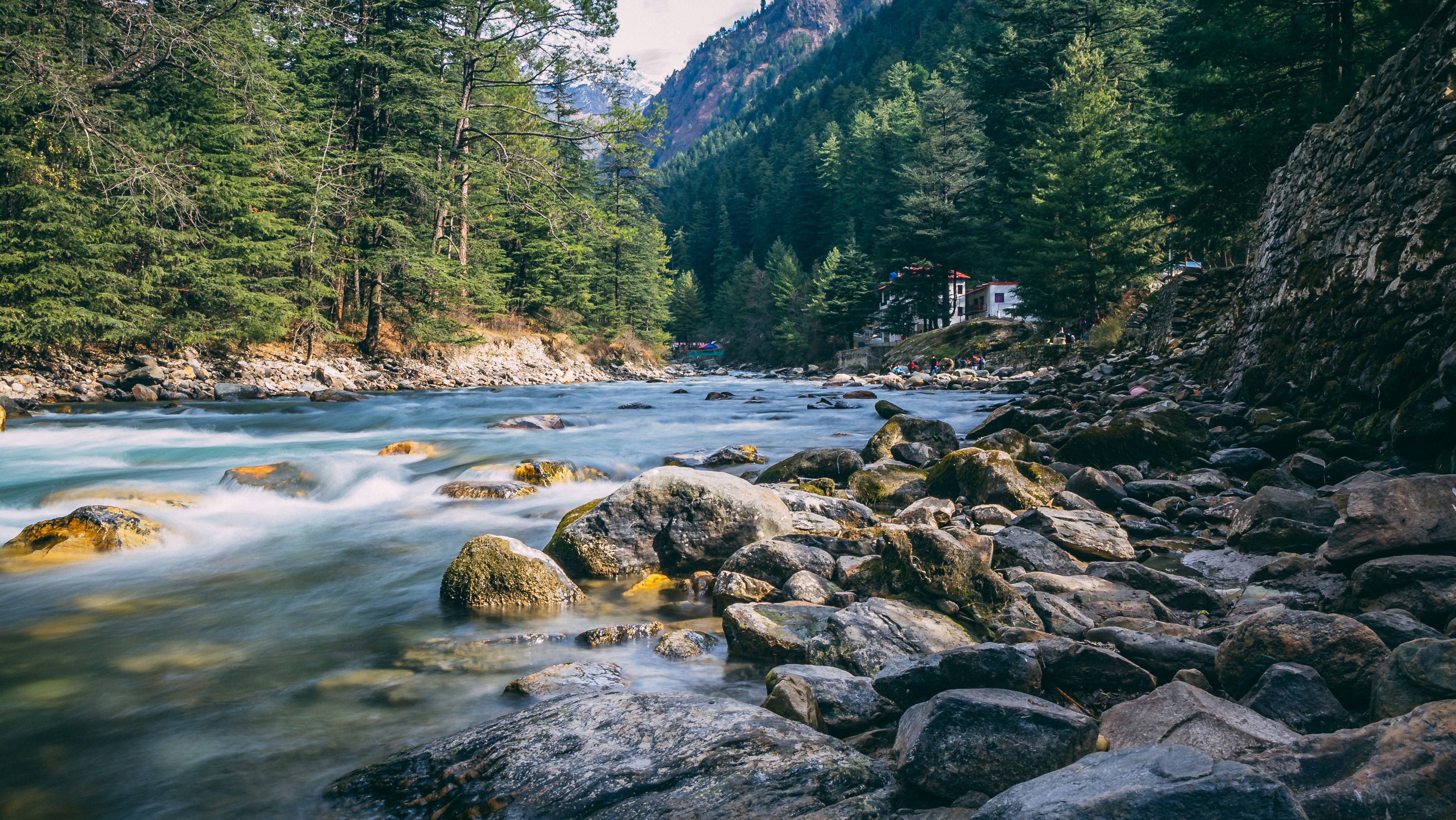
The nearby Beas River adds to the landscape of this part of Manali. The river flows through the Kullu Valley and is one of the defining geographical features of the region. However, the sound of flowing water may vary depending on where you are inside the park and the surrounding traffic and visitor activity.
Visitors often come here to enjoy:
- peaceful nature walks.
- photography among the tall cedar trees.
- quiet breaks in the shaded areas.
- a short outdoor visit between other Manali attractions.
Because of its forest like setting, Van Vihar feels different from a conventional town garden. It provides an opportunity to enjoy the greenery without committing to a long hike or travelling far outside Manali.
Traveller tip: Walk slowly through the wooded sections and take time to notice the changes in light beneath the trees. During busy holiday periods, visiting earlier in the day may offer a more relaxed experience.
The Boating Lake
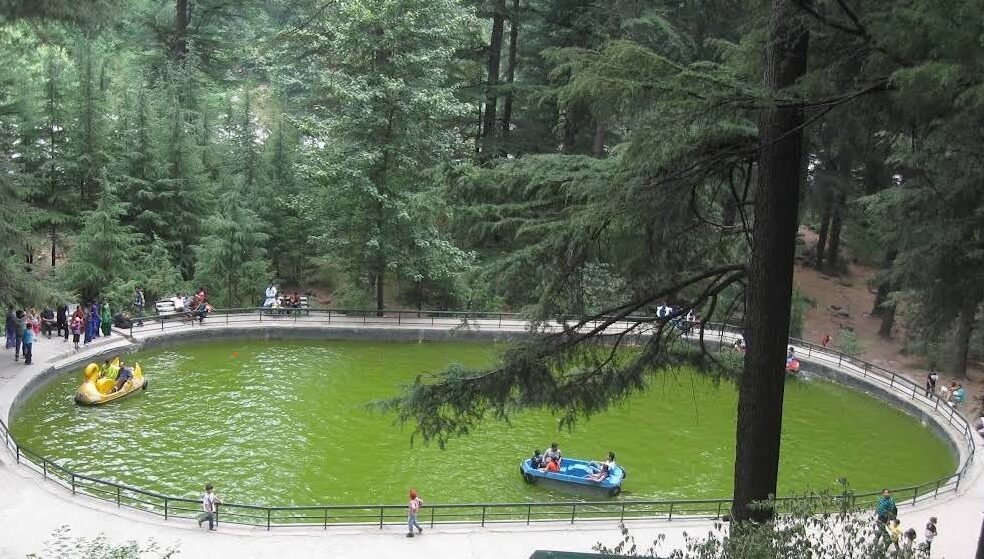
One of the main attractions inside Van Vihar is its artificial lake, where visitors may be able to enjoy boating when the facility is operating. Paddle boating is commonly associated with the park, making the lake an appealing stop for families and visitors looking for a simple recreational activity.
The water and surrounding trees create a scenic setting for photographs. The appearance of the lake changes with the weather and season, so the reflections may be especially attractive when the water is relatively calm.
Before visiting: Confirm whether boating is operating on the day of your visit, along with the current charges and operating hours. Facilities can be affected by maintenance, weather or other local conditions. Do not assume that boating will be available throughout the year.
For visitors who do not wish to boat, a walk around the landscaped areas and a short rest beneath the trees can still make the visit worthwhile.
Cultural Features
Near the entrance of the park are statues of prominent Indian leaders and historical figures, which add a cultural dimension to the landscaped surroundings. These features provide another point of interest for visitors exploring the park.
Manali itself has a rich cultural landscape shaped by local Hindu traditions, Himalayan village life and the wider heritage of the Kullu Valley. A visit to Van Vihar can be combined with nearby religious and cultural landmarks to experience a different side of the town beyond its adventure tourism reputation.
If you have additional time, consider visiting Hidimba Devi Temple, known for its traditional architecture and setting among deodar trees, or Manu Temple in Old Manali. Both offer a different perspective on the cultural history and religious traditions associated with the area.
Best Time to Visit
Van Vihar Park can be visited during different seasons, but the experience changes with the weather and the condition of the park.
- Spring and summer: The warmer months are suitable for walking and spending time among the trees. Summer is also a busy tourist period in Manali, so the park may receive more visitors.
- Autumn: Clear weather can provide pleasant conditions for a relaxed visit. Temperatures may fall in the mornings and evenings as the season progresses.
- Winter: The park can feel quieter, and snowfall may occasionally transform the surroundings. However, snowfall is not guaranteed, and the ground or paths may become slippery in cold or wet conditions.
Early morning and late afternoon can be pleasant times to visit, depending on the season and opening hours. If you are visiting during winter, carry warm clothing even if the weather feels comfortable in the middle of the day.
Practical note: The Himachal Pradesh Forest Department has published seasonal opening hours for Van Vihar in Manali, including a longer schedule during summer and shorter hours in winter. Timings and entry charges can change, so check the latest local notice before travelling. The department’s published schedule has listed the park as open throughout the week, although exceptional closures may occur.
A Quiet Retreat in Manali
While Manali is known for adventure activities, mountain scenery and excursions towards high altitude destinations, Van Vihar Park offers a different experience. Its wooded environment provides a place to slow down and enjoy the natural character of the Kullu Valley without undertaking a demanding journey.
The park is particularly convenient for travellers staying near Mall Road. You can visit it during a free morning, after shopping in the main market or as a short stop before moving on to other parts of town.
For travellers exploring Manali, Van Vihar can be combined with nearby attractions such as Old Manali, Hidimba Devi Temple and the Manali Gompa. These are more convenient additions to a town sightseeing itinerary than treating distant destinations such as Solang Valley or Rohtang Pass as immediate neighbouring stops. Solang Valley and Rohtang Pass are better planned as separate excursions, with travel time and seasonal road conditions taken into account.
How to make the most of your visit
Allow enough time to walk through the park without rushing. If you are travelling with children or older family members, check the condition of the paths and the walking distance before entering. Carry drinking water, avoid littering and follow any instructions displayed by the park authorities.
If your main goal is photography, the trees and landscaped areas provide a quieter alternative to the busy streets around Mall Road. If you are travelling during a holiday period, expect more visitors and plan your visit accordingly.
Interesting fact:
The deodar cedar, known scientifically as Cedrus deodara, is native to the western Himalaya and is strongly associated with the mountain landscapes of Himachal Pradesh. Its name is commonly linked to the Sanskrit expression devadāru, often interpreted as “wood of the gods.” Deodar has a long history of use in traditional Himalayan architecture, including temples, because of its durable timber and cultural significance.
Van Vihar’s deodar trees therefore connect this small urban green space with the wider natural and cultural heritage of the Himalaya.