Image Source: Sunakar Nayak/ Google Maps
Introduction
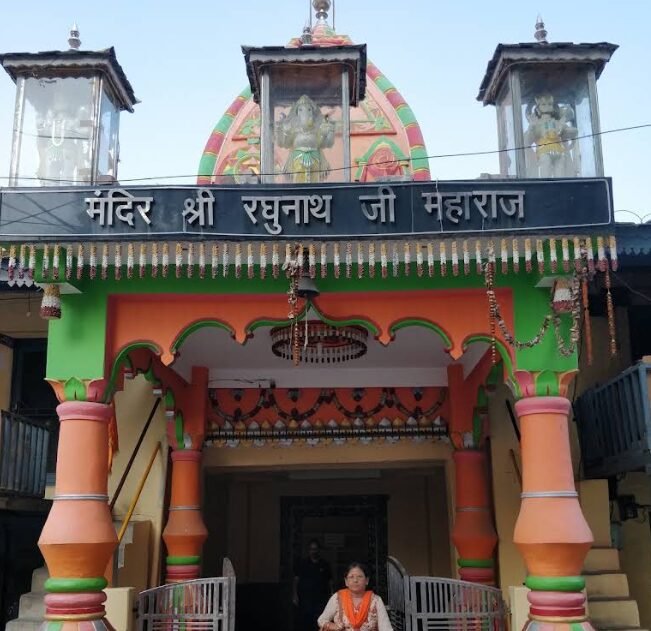
Raghunath Temple is one of the most important religious landmarks in Kullu, Himachal Pradesh. Dedicated to Lord Raghunath, a form of Lord Rama, the temple occupies a special place in the religious history and cultural identity of the Kullu Valley. Its importance extends beyond daily worship because it is closely connected with the origins and traditions of the famous Kullu Dussehra festival.
Located in the Sultanpur area of Kullu town, the temple is associated with the former royal family of Kullu and the tradition of regarding Lord Raghunath as the presiding deity of the valley. During Kullu Dussehra, the deity is carried in a ceremonial wooden chariot to Dhalpur Maidan, where hundreds of local deities gather to pay homage.
For travellers, a visit to Raghunath Temple offers an opportunity to understand how royal history, religious belief and the distinctive village deity traditions of Himachal Pradesh come together in one place.
History
The history of Raghunath Temple is closely associated with Raja Jagat Singh, who ruled Kullu during the seventeenth century. According to local tradition, the king faced a spiritual crisis after being accused of wrongdoing against a Brahmin. Seeking redemption, he followed the advice of religious figures and arranged for an idol of Lord Raghunath to be brought from Ayodhya.
The idol was installed at Kullu, and Raja Jagat Singh accepted Lord Raghunath as the supreme ruler of his kingdom. The king was thereafter regarded as a servant of the deity, ruling in the deity’s name. This tradition gave the temple a distinctive political and religious significance in the history of the Kullu kingdom.
The story is preserved in local historical accounts and is also described by the official Kullu district administration. Although the details of the curse belong to the region’s traditional narrative, the association of Raja Jagat Singh, the installation of the idol and the rise of Raghunath worship are central to the recorded history of Kullu.
The temple’s importance also grew through its association with the annual Dussehra celebrations. Lord Raghunath became the principal deity of the valley, and the festival developed into a major gathering of local deities and their followers.
Architectural Style
Raghunath Temple reflects the regional temple traditions of the western Himalayas. Its appearance is relatively modest compared with the monumental stone temples found in other parts of India, but its importance comes from its religious role and connection with Kullu’s royal heritage.
The temple is situated within the former palace complex at Sultanpur. Its traditional construction incorporates wood and stone, materials widely used in the region’s historic buildings. The temple’s roofline and timber elements reflect the local architectural character, although it should not be described as a textbook example of every Himalayan building style.
The sanctum houses the image of Lord Raghunath, which remains the focus of worship. The temple complex is also associated with traditional rituals and ceremonial arrangements connected with the royal family and Kullu Dussehra.
As an active place of worship, some areas may not be open to general visitors. Travellers should follow instructions from temple staff and avoid entering restricted spaces or photographing areas where photography is not permitted.
Religious Importance
Raghunath Temple is regarded as the principal shrine of the Kullu Valley because Lord Raghunath is traditionally recognised as its presiding deity. This status gives the temple a role that extends beyond the boundaries of Kullu town.
The region has a distinctive tradition of village deities, locally known as devtas and devis. These deities are associated with individual villages and communities, and their worship forms an important part of local cultural life. During major religious gatherings, the deities may travel with their devotees, musicians and ceremonial palanquins.
Raghunath Temple occupies a central place in this wider religious network. Devotees visit to offer prayers and seek blessings, while the annual festival provides an opportunity for different communities to come together in a shared celebration.
For visitors unfamiliar with the traditions of Himachal Pradesh, the temple offers a useful introduction to a form of Hindu religious life in which sacred images, village customs, processions and community identity are closely connected.
Connection with Kullu Dussehra
Kullu Dussehra is the most famous celebration associated with Raghunath Temple. Unlike many Dussehra celebrations elsewhere in India, which conclude with the burning of Ravana’s effigy on Vijayadashami, the principal celebrations in Kullu begin on that day and continue for approximately a week.
The festival’s seventeenth century origins are traditionally linked to Raja Jagat Singh’s installation of Lord Raghunath as the ruling deity of Kullu. Today, the event brings together hundreds of village deities from across the district, accompanied by devotees, traditional musicians and decorated palanquins.
The ceremonial procession of Lord Raghunath is a central event. The deity is placed in a decorated wooden chariot, which devotees pull towards Dhalpur Maidan. The visiting village deities gather as part of the celebrations, creating a remarkable display of religious traditions, regional dress, music and community participation.
The festival is not simply a tourist spectacle. It reflects the continuing relationships between local communities and their deities, some of which have been maintained for generations. Cultural performances, markets and public gatherings add to the atmosphere, but the religious ceremonies remain at the heart of the event.
For travellers planning a visit during October, it is worth checking the official festival schedule in advance. Dates, procession timings and access arrangements can vary from year to year.
Location and Scenic Setting
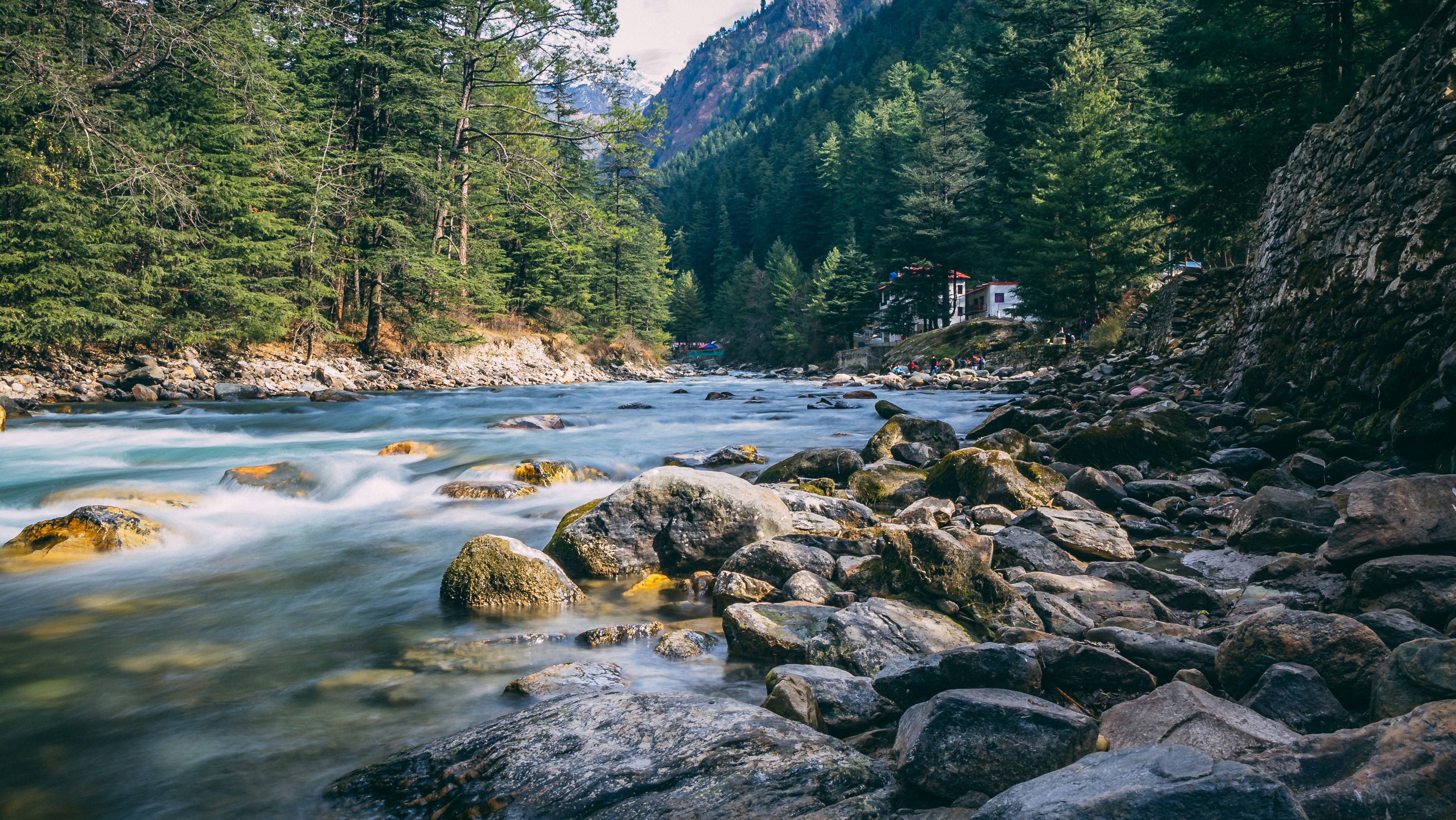
Raghunath Temple is situated in Sultanpur, within Kullu town, close to the Beas Valley and the wider network of settlements along the river. The surrounding landscape provides a reminder of how Kullu’s religious history developed within a mountain valley shaped by rivers, terraced slopes and forested hills.
The temple can be visited as part of a walk or short local excursion around Kullu. Travellers can combine it with nearby markets and other cultural sites in the town, depending on available time.
Although the surrounding mountains contribute to the valley’s character, the main attraction here is the temple’s historical and religious importance rather than a remote mountain setting. Visitors interested in the broader landscape can explore other viewpoints and temples around Kullu separately.
How to Reach Raghunath Temple
Raghunath Temple is located in Sultanpur, Kullu town, and can be reached by road from the main towns of Himachal Pradesh.
By Air
The nearest airport is Kullu Manali Airport at Bhuntar, approximately 10 to 12 km from central Kullu by road, depending on the exact destination and route. From the airport, travellers can hire a taxi towards Kullu town and Sultanpur.
By Road
Kullu is connected by road with Manali, Mandi and other parts of Himachal Pradesh. Approximate road distances from central Kullu include:
| Starting point | Approximate road distance |
|---|---|
| Manali | 40 km |
| Mandi | 70 km |
| Shimla | Around 200 to 220 km |
Distances vary by route and starting point. Local buses and taxis operate along major routes, while a short taxi ride or local transport can be used to reach Sultanpur from elsewhere in Kullu.
If you are arriving by bus, confirm the drop off point and the best local connection to the temple. Taxi fares within the town depend on the distance, vehicle and waiting time, so check the price before setting off.
Best Time to Visit
Raghunath Temple can be visited throughout the year, but October is particularly significant because Kullu Dussehra usually takes place during this month. The festival provides the strongest opportunity to witness the temple’s role in the wider religious traditions of the valley. However, accommodation and transport can be busier during the celebration.
March to June is another convenient period for exploring Kullu, with generally milder weather suitable for visiting temples and nearby attractions. September and November can also be pleasant, although conditions vary with the weather.
Winter visits offer a quieter experience, but mornings and evenings can be cold. Whatever the season, visitors should check temple timings locally, particularly around festivals and special religious observances.
Conclusion
Raghunath Temple is much more than a historic shrine in Kullu town. Its association with Raja Jagat Singh, its position as the traditional principal deity of the Kullu Valley and its central role in Kullu Dussehra make it one of the region’s most significant cultural landmarks.
For travellers, the temple provides an insight into the relationship between royal history, Hindu worship and the living traditions of village deities in Himachal Pradesh. A visit is especially rewarding when approached not only as a sightseeing stop but as an opportunity to understand the religious identity of the Kullu Valley.