Image Source: Liton Choudhury
About St. Mary’s Island
Located a few kilometers off the coast of Udupi in Karnataka, St. Mary’s Island is one of the most fascinating natural attractions along India’s western shoreline. Famous for its pristine white sandy beaches, crystal-clear waters, and striking hexagonal basalt rock formations, the island offers a unique blend of scenic beauty, geology, and history.
The island is widely associated with the famous Portuguese explorer Vasco da Gama, who is believed to have landed here in 1498 before continuing his voyage to Kappad in Kerala. Because of this connection, St. Mary’s Island occupies a special place in the history of European maritime exploration and the discovery of sea routes to India.
Today, the island is a popular day-trip destination for travelers visiting Udupi and Malpe. Its peaceful environment, unspoiled coastline, and unusual rock structures make it a favorite spot for nature lovers, photographers, geology enthusiasts, and beachgoers looking for a different experience from the typical seaside destination.
Geography of St. Mary’s Island
St. Mary’s Island is not a single island but a group of four small islands situated in the Arabian Sea. These include South Island, North Island, Coconut Island, and Daryabahadurgarh Island. Among these, only a portion is accessible to visitors.
What makes the island truly remarkable is its unique geological formation. The island is covered with rare columnar basalt lava formations that resemble giant stone pillars. Geologists believe these rocks were formed millions of years ago during volcanic activity associated with the breakup of Madagascar and the Indian landmass. These naturally formed rock columns are considered among the finest examples of volcanic geological formations in India.
Apart from the famous basalt rocks, the island also features beautiful beaches lined with white shells and sand. The clear waters and scenic surroundings create a tranquil atmosphere, making it an ideal place to relax and enjoy the coastal landscape. Visitors often spend time walking along the shore, photographing the dramatic rock formations, and watching the sunset over the Arabian Sea.
How to Reach St. Mary’s Island
The only way to reach St. Mary’s Island is by boat from Malpe Beach, one of the most popular beaches near Udupi. The island is located approximately 6 kilometers offshore, and the boat journey takes around 20 to 30 minutes. Regular ferry and motorboat services operate from Malpe Jetty during the tourist season, usually from morning until late afternoon, subject to weather and sea conditions.
By Air
The nearest airport is Mangalore International Airport, located about 65 kilometers from Udupi. Taxis and buses are readily available from the airport to reach Malpe Beach.
By Rail
The nearest railway station is Udupi Railway Station, which is well connected to major cities such as Bengaluru, Mangaluru, Mumbai, and Goa. From the station, Malpe Beach is about 8 kilometers away and can be reached by taxi or auto-rickshaw.
By Road
Udupi is well connected by road through National Highway 66. Regular buses operate from Bengaluru, Mangaluru, Kundapura, and other cities in Karnataka. From Udupi town, visitors can easily reach Malpe Beach by local transport before boarding a boat to the island.
Travel Tip: Boat services are generally unavailable during the monsoon season due to rough sea conditions. It is advisable to check local ferry schedules before planning a visit.
Nearby Attractions
Malpe Beach
Located near the departure point for St. Mary’s Island, Malpe Beach is known for its golden sands, water sports activities, beachside eateries, and beautiful sunsets.
Udupi Sri Krishna Temple
One of the most important pilgrimage sites in South India, this centuries-old temple attracts devotees from across the country and is renowned for its unique worship traditions.
Kaup Beach
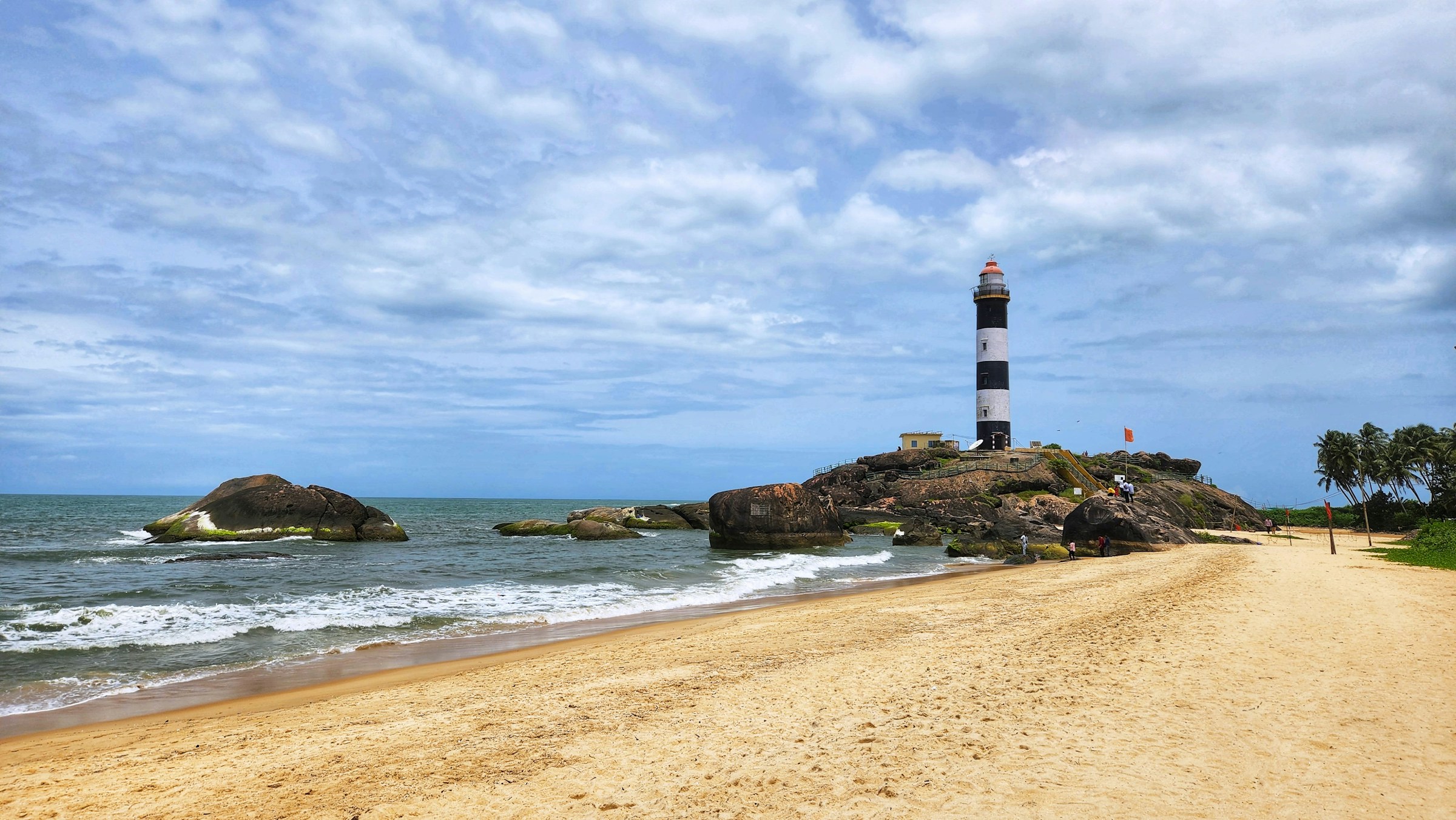
Famous for its historic lighthouse, Kaup Beach offers spectacular views of the Arabian Sea and is a great location for photography and evening walks.
Manipal
A vibrant university town known for its educational institutions, museums, viewpoints, cafes, and cultural attractions.
Delta Point
A scenic location where the Suvarna River meets the Arabian Sea, offering breathtaking views and a peaceful atmosphere.
Maps
FAQs
1. Why is St. Mary’s Island famous?
St. Mary’s Island is famous for its rare hexagonal basalt rock formations, pristine beaches, and historical association with Vasco da Gama’s voyage to India.
2. Can visitors stay overnight on the island?
No. Overnight stays are not permitted, and visitors are expected to return to Malpe Beach using the scheduled boat services.
3. How much time is needed to explore the island?
Most visitors spend around 2 to 3 hours exploring the beaches, rock formations, and scenic viewpoints.
4. Is swimming allowed at St. Mary’s Island?
Swimming is generally discouraged due to strong currents and safety concerns. Visitors should follow instructions provided by local authorities.
5. What is the best time to visit St. Mary’s Island?
The ideal time to visit is between October and March when the weather is pleasant and boat services operate regularly.
6. Are food and drinking water available on the island?
Basic refreshments may occasionally be available near the visitor area, but it is advisable to carry drinking water and light snacks.
7. Is St. Mary’s Island suitable for families?
Yes. Families, photographers, nature enthusiasts, and geology lovers often visit the island for a relaxing day trip from Udupi.
8. Are the basalt rock formations unique?
Yes. The columnar basalt formations found on St. Mary’s Island are among the rarest geological features in India and are considered a protected natural heritage site.