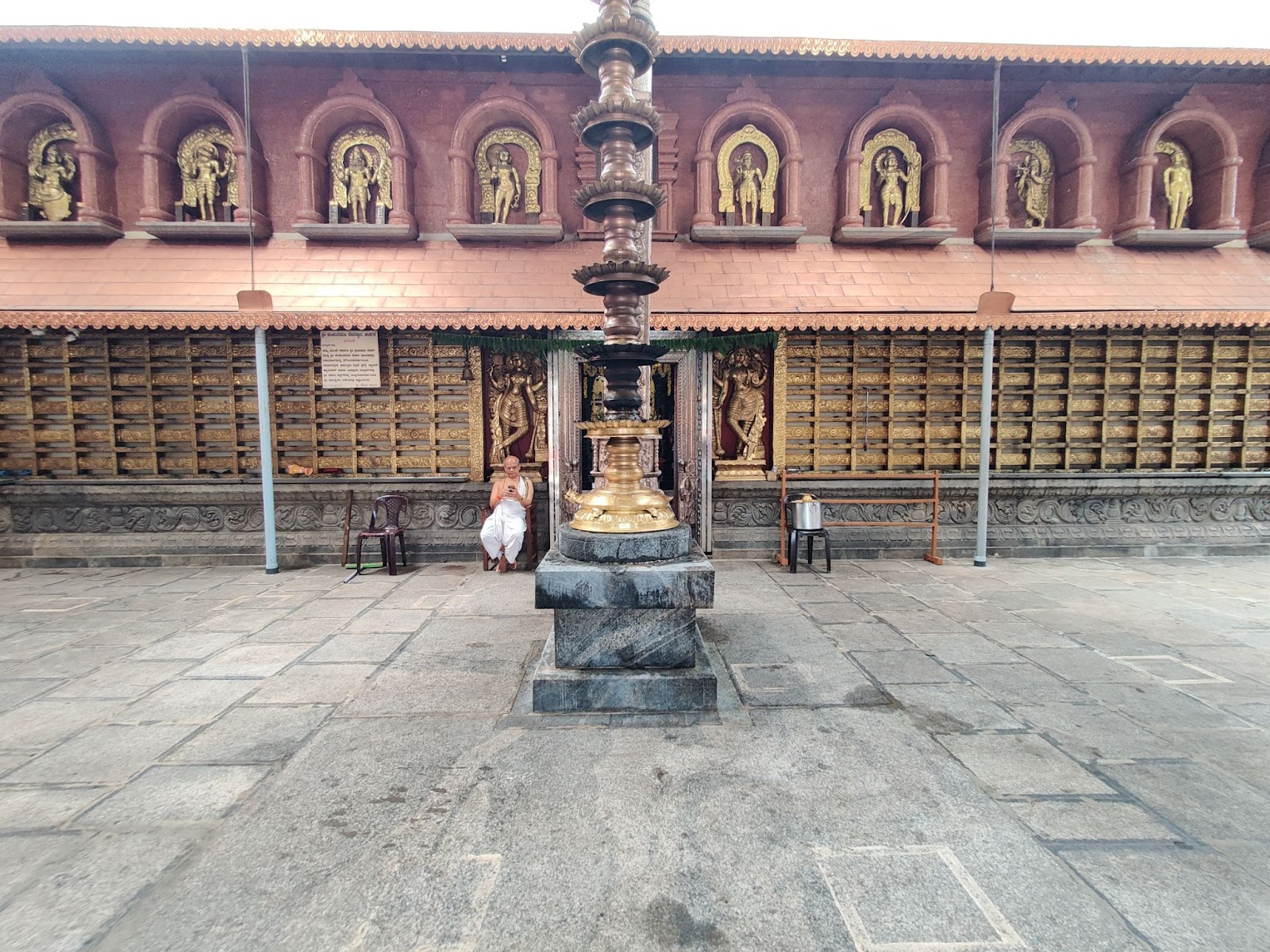
Image Source:naveen aldangady
About Sri Venkata Ramana Temple
Sri Venkata Ramana Temple, popularly known as Padu Tirupathi, is one of the most revered Hindu temples in Karkala, Karnataka. Dedicated to Lord Srinivasa, a form of Lord Vishnu, the temple has been a significant center of devotion for more than 550 years. Owing to its close association with the famous Tirupati temple in Andhra Pradesh, devotees often refer to it as the “Tirupati of Coastal Karnataka.”
Nestled amidst the historic town of Karkala, the temple attracts pilgrims, spiritual seekers, and history enthusiasts alike. Its serene atmosphere, traditional architecture, and rich heritage make it an important landmark in the region. Many devotees who are unable to undertake a pilgrimage to Tirupati visit this temple to seek the blessings of Lord Srinivasa.
Historical Background
The origins of Sri Venkata Ramana Temple are closely linked with the Gowda Saraswat Brahmin community. Historical accounts suggest that a Gowda Saraswat Brahmin family migrated from Goa and settled in Karkala, bringing with them an idol of Lord Srinivasa. They established a temple and began worshipping the deity with great devotion.
Over time, the temple became a prominent religious center. However, local legends recount that during an attack by rulers from Mangalore, the original temple was destroyed and the idol disappeared. The devotees were deeply distressed and prayed fervently for divine guidance.
According to temple tradition, several devotees received a vision in which they were instructed to return to their homeland, where they would receive a new idol from a holy saint. The prophecy eventually came true when a Brahmin stranger arrived carrying an idol of Lord Srinivasa from Tirupati and presented it to the community. The idol was installed with great reverence and came to be known as Tirupati Chappara Srinivasa. Since then, the temple has remained an important center of Vaishnavite worship.
Architecture and Temple Features
The temple showcases traditional South Indian temple architecture combined with local coastal Karnataka influences. The sanctum sanctorum houses the beautiful idol of Lord Srinivasa, adorned with flowers, silk garments, and precious ornaments during daily worship and special festivals.
The temple complex features intricately carved wooden structures, spacious prayer halls, and a peaceful courtyard that creates an ideal environment for meditation and devotion. The spiritual ambiance is enhanced by the regular chanting of Vedic hymns and devotional songs.
One of the distinctive aspects of the temple is that many of its rituals and worship practices closely resemble those performed at the famous Tirupati Balaji Temple. This similarity has strengthened its reputation as a regional counterpart to Tirupati.
Religious Significance
For centuries, Sri Venkata Ramana Temple has served as an important pilgrimage destination for devotees across Karnataka and neighboring states. Many people visit the temple to offer prayers for prosperity, good health, and family well-being.
Special poojas, sevas, and religious ceremonies are conducted throughout the year. The temple also plays a vital role in preserving the religious traditions and cultural heritage of the Gowda Saraswat Brahmin community.
Festivals and Celebrations
The temple celebrates several Hindu festivals with great enthusiasm and devotion. The most important among them are:
- Brahmarathotsava (Annual Chariot Festival).
- Vaikuntha Ekadashi.
- Krishna Janmashtami.
- Deepavali.
- Rama Navami.
- Narasimha Jayanti.
During these festivals, the temple is beautifully decorated, special rituals are performed, and large numbers of devotees gather to participate in the celebrations.
How to Reach Sri Venkata Ramana Temple
By Air
The nearest airport is Mangalore International Airport, located approximately 50 km from Karkala. Taxis and buses are readily available from the airport.
By Train
The nearest major railway station is Udupi Railway Station, about 35 km away. Visitors can hire taxis or use regular bus services to reach Karkala.
By Road
Karkala is well connected by road to Udupi, Mangaluru, Manipal, and other major towns in Karnataka. KSRTC and private buses operate frequent services to Karkala.
Local Transport
Auto-rickshaws and taxis are easily available within Karkala and provide convenient access to the temple.
Nearby Attractions
Gomateshwara Statue
One of Karkala’s most famous landmarks, this 42-foot monolithic statue of Bahubali stands atop a hill and offers spectacular views of the surrounding landscape.
Chaturmukha Basadi
A remarkable Jain monument known for its unique four-faced structure and exquisite stone architecture.
Sri Ananthashayana Temple
An ancient Vishnu temple renowned for its beautiful reclining form of Lord Vishnu and historical significance.
Neminatha Basadi
A historic Jain shrine featuring elegant carvings and a peaceful spiritual atmosphere.
St. Lawrence Shrine, Attur
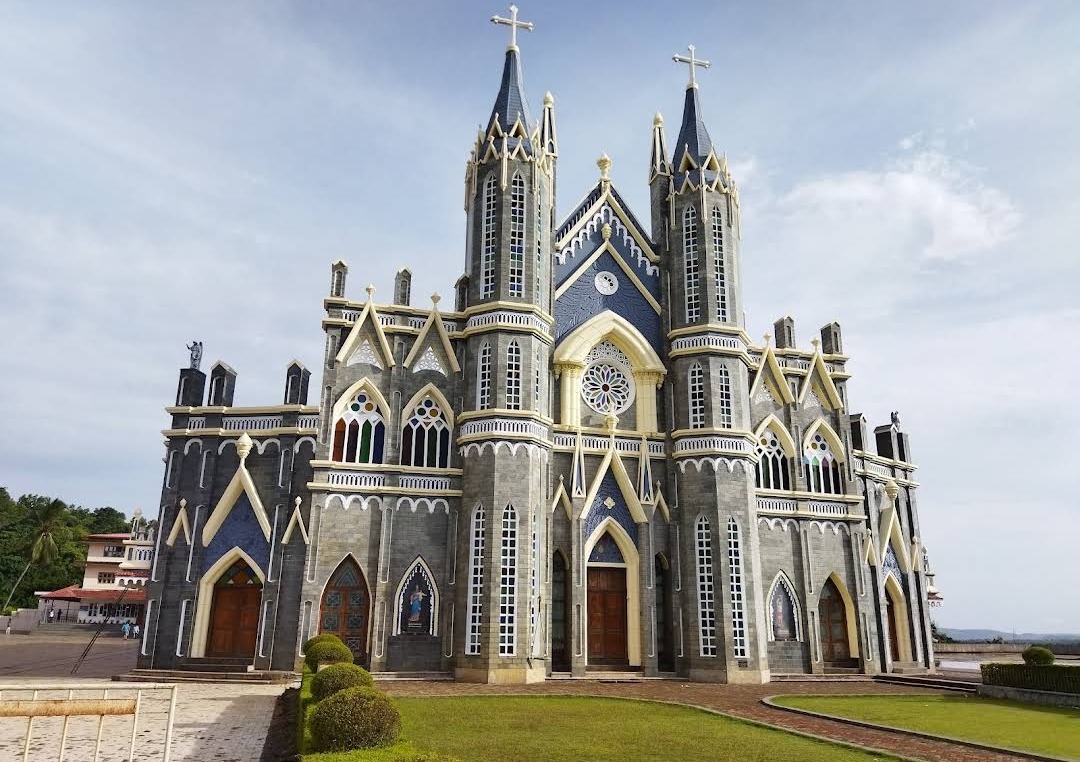
Located a short drive from Karkala, this famous Christian pilgrimage center attracts thousands of devotees every year.
Moodabidri
Known as the “Jain Kashi of South India,” Moodabidri is home to several ancient Jain temples, including the famous Thousand Pillar Basadi.
Maps
FAQs
1. Where is Sri Venkata Ramana Temple located?
The temple is located in Karkala town in the Udupi district of Karnataka.
2. Why is the temple called Padu Tirupathi?
The temple is known as Padu Tirupathi because the deity and many rituals closely resemble those of the famous Tirupati Balaji Temple.
3. Which deity is worshipped here?
The temple is dedicated to Lord Srinivasa (Venkateswara), a form of Lord Vishnu.
4. How old is Sri Venkata Ramana Temple?
The temple is believed to be more than 550 years old.
5. What is the significance of the idol?
According to legend, the current idol was brought from Tirupati and installed following a divine prophecy received by devotees.
6. What are the major festivals celebrated here?
Brahmarathotsava, Vaikuntha Ekadashi, Krishna Janmashtami, Deepavali, and Rama Navami are among the major festivals celebrated.
7. Is photography allowed inside the temple?
Photography may be restricted inside the sanctum and certain parts of the temple. Visitors should follow temple guidelines.
8. What is the best time to visit the temple?
October to February is considered the most pleasant period for visiting Karkala and exploring its heritage sites.
9. How much time should visitors allocate for the temple?
A visit generally takes between 30 minutes and 1 hour, depending on participation in rituals and exploration of the temple complex.
10. Are there other attractions near the temple?
Yes, visitors can explore the Gomateshwara Statue, Chaturmukha Basadi, Sri Ananthashayana Temple, Neminatha Basadi, and St. Lawrence Shrine.