Image Source: Kotresh achar K
About Kalaseshwara Temple
Nestled in the picturesque town of Kalasa in Karnataka’s Chikkamagaluru district, Kalaseshwara Temple is one of the most revered Shiva temples in the Western Ghats. Surrounded by lush green hills, coffee plantations, and the tranquil landscapes of the Kudremukh region, the temple attracts both devotees and travelers seeking spiritual solace amidst nature.
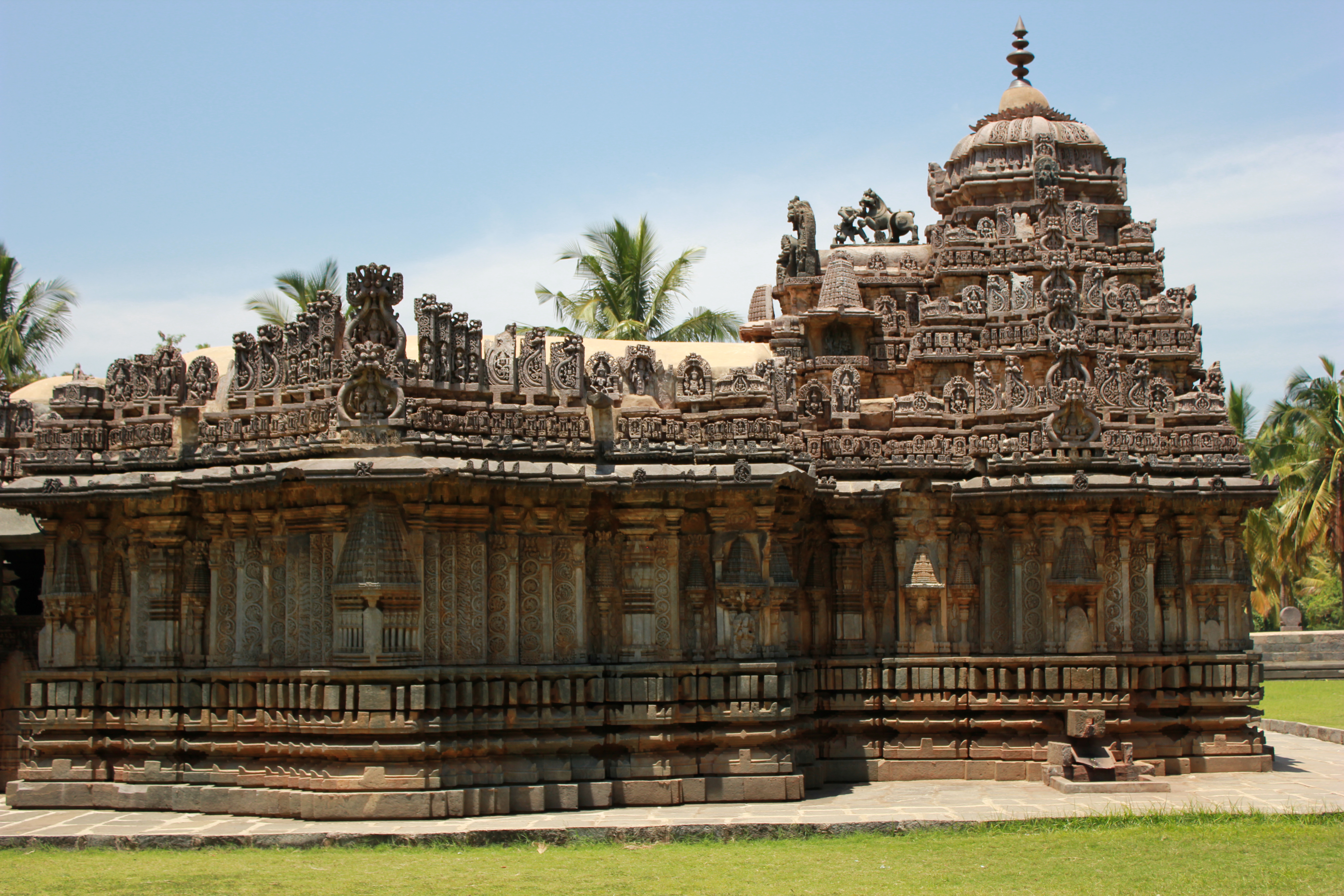
Dedicated to Lord Shiva, who is worshipped here as Kalaseshwara, the temple is renowned for its religious significance, architectural beauty, and serene atmosphere. The shrine showcases elements of traditional Hoysala craftsmanship, featuring beautifully carved soapstone structures and intricate sculptures that reflect the artistic excellence of medieval South Indian temple architecture.
Located on the banks of the sacred Bhadra River, the temple serves as the spiritual heart of Kalasa town. Pilgrims from across Karnataka and neighboring states visit throughout the year to seek blessings and participate in the temple’s religious ceremonies.
One of the notable traditions of the temple is the daily distribution of free meals (Anna Dasoha) to devotees and visitors, fostering a sense of community, equality, and hospitality that has been preserved for generations.
Mythological Significance
Kalaseshwara Temple is deeply rooted in Hindu mythology and local folklore. According to legend, Sage Agastya performed penance and resided in this region during the celestial wedding of Lord Shiva and Goddess Parvati at Mount Kailash.
It is believed that when all the gods, sages, and celestial beings gathered in the Himalayas to witness the divine wedding, the Earth’s balance was disturbed due to the enormous congregation in the north. Lord Shiva then requested Sage Agastya to travel south and restore equilibrium. During his journey, the sage is said to have stayed in Kalasa, making the town an important spiritual center associated with his legacy.
Another local belief states that the town derives its name from the sacred pot, or “Kalasha,” carried by Sage Agastya, adding further religious significance to the region.
Festivals and Celebrations
Kalaseshwara Temple comes alive during its major annual festivals, when thousands of devotees gather to celebrate with devotion and enthusiasm.
Girija Kalyanam
This festival commemorates the divine marriage of Lord Shiva and Goddess Parvati. Special rituals, cultural performances, and religious ceremonies are conducted, creating a vibrant spiritual atmosphere throughout the town.
Rathotsava
The grand chariot festival is one of the temple’s most anticipated events. The beautifully decorated temple chariot is pulled through the streets by devotees amid chants, music, and celebrations.
Maha Shivaratri
Maha Shivaratri is celebrated with immense devotion. Devotees observe fasting, perform night-long prayers, and participate in special poojas dedicated to Lord Shiva.
During these festivals, Kalasa transforms into a bustling pilgrimage destination filled with devotion, traditional music, and cultural activities.
Pancha Tirthas – The Sacred Water Bodies
Kalasa is famous for its Pancha Tirthas, five sacred water bodies that hold immense religious significance. Pilgrims often visit these holy sites before offering prayers at the temple.
Vasistha Theertha
Associated with Sage Vasistha, this sacred water source is believed to possess spiritual cleansing powers.
Naga Theertha
Dedicated to serpent deities, Naga Theertha is visited by devotees seeking blessings for prosperity and protection.
Koti Theertha
Considered one of the holiest water bodies in the region, Koti Theertha is believed to grant spiritual merit to those who bathe in its waters.
Rudra Theertha
Named after Lord Shiva’s fierce Rudra form, this sacred site is closely connected with Shaivite traditions.
Amba Theertha
Dedicated to the Divine Mother, Amba Theertha is revered for its spiritual significance and peaceful surroundings.
Duggapan Katte Viewpoint
A short distance from the temple lies Duggapan Katte, a popular viewpoint that offers sweeping views of Kalasa town, the surrounding valleys, and the rolling hills of the Western Ghats. It is an excellent place to witness sunrise, sunset, and the scenic beauty that defines this part of Karnataka.
Temple Timings
The temple is generally open to devotees during the following hours:
Morning: 7:30 AM to 1:00 PM
Evening: 3:30 PM to 8:30 PM
Visitors are advised to arrive early during weekends and festival periods, as the temple can become crowded.
How to Reach Kalaseshwara Temple
Kalaseshwara Temple is located in Kalasa town, approximately 92 km from Chikkamagaluru and about 10 km from Horanadu.
By Road
Kalasa enjoys excellent road connectivity with Chikkamagaluru, Mangaluru, Hassan, Udupi, and Bengaluru. Regular KSRTC and private buses operate to Kalasa from major cities and towns. The drive through the Western Ghats is particularly scenic, passing through forests, rivers, and coffee plantations.
By Train
The nearest railway stations are Mangaluru Junction and Udupi Railway Station. From there, taxis and buses are available to reach Kalasa.
By Air
The nearest airport is Mangaluru International Airport, located approximately 115 km away. Visitors can hire taxis or take buses to Kalasa from the airport.
Best Time to Visit
The best time to visit Kalaseshwara Temple is between October and March when the weather is cool and pleasant. During the monsoon season, the surrounding Western Ghats become exceptionally beautiful, with lush greenery, mist-covered hills, and flowing streams, although heavy rains can occasionally affect travel plans.
Nearby Attractions
Annapoorneshwari Temple, Horanadu
Located about 10 km from Kalasa, this famous temple dedicated to Goddess Annapoorneshwari is one of Karnataka’s most important pilgrimage destinations.
Kudremukh Peak
One of Karnataka’s most iconic trekking destinations, Kudremukh offers breathtaking views of grasslands, forests, and mountain valleys.
Gangamoola
The sacred origin point of the Tunga, Bhadra, and Netravathi rivers, Gangamoola is a popular destination for nature lovers and pilgrims.
Hanuman Gundi Falls
Situated within Kudremukh National Park, this beautiful waterfall is surrounded by dense forests and rocky terrain.
Sringeri
A renowned spiritual center established by Adi Shankaracharya, Sringeri is known for its ancient temples and peaceful riverside setting.
Bhadra River
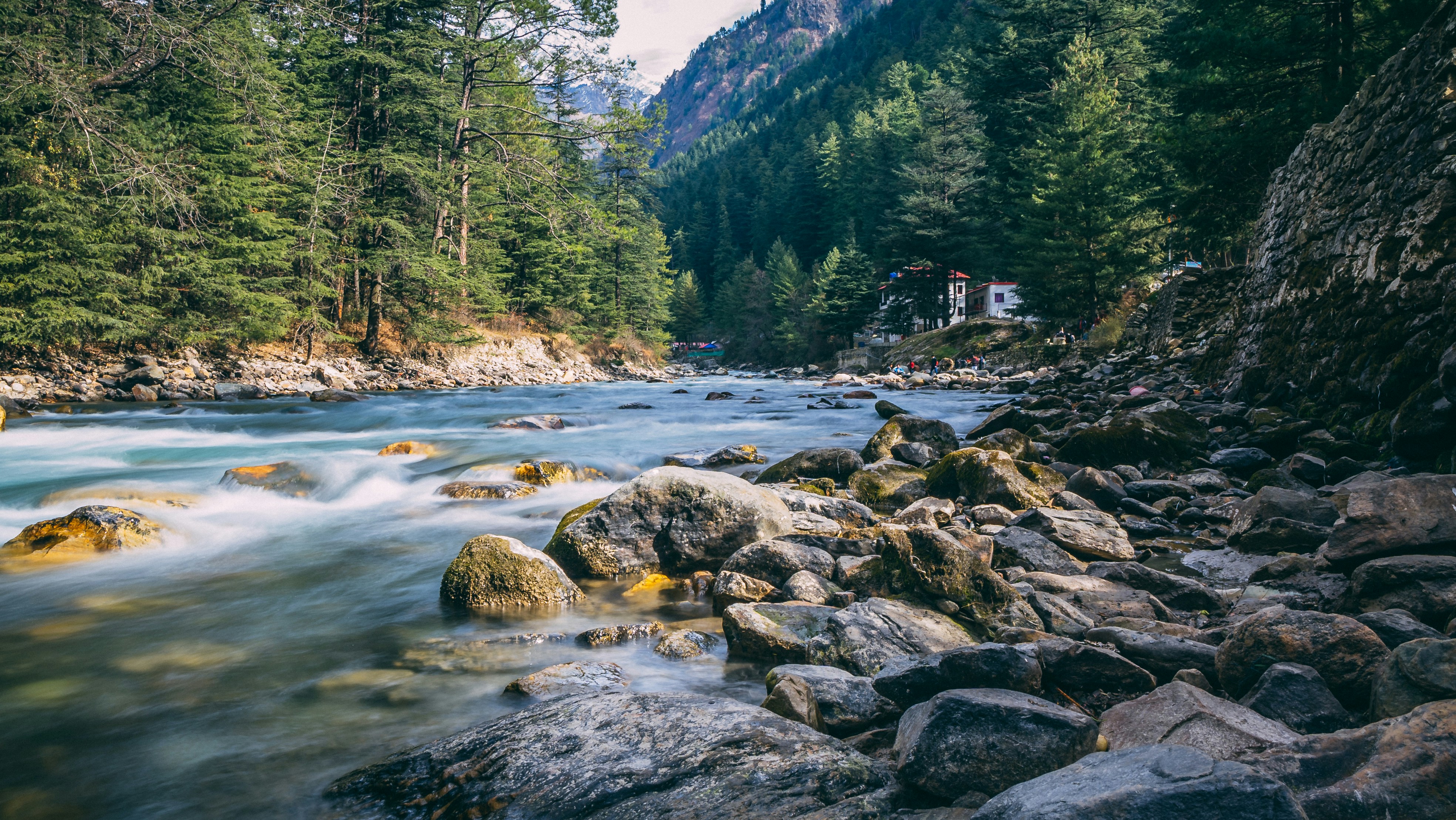
Flowing through Kalasa, the Bhadra River adds to the town’s charm and offers scenic spots for relaxation and photography.
Maps
FAQs
1. Where is Kalaseshwara Temple located?
Kalaseshwara Temple is located in Kalasa town in Chikkamagaluru district, Karnataka.
2. Which deity is worshipped at the temple?
The temple is dedicated to Lord Shiva, who is worshipped as Kalaseshwara.
3. What is the significance of Kalasa?
Kalasa is associated with Sage Agastya and is considered an important pilgrimage destination in the Western Ghats.
4. Are free meals provided at the temple?
Yes, the temple offers free meals to devotees and visitors as part of its long-standing tradition of hospitality.
5. What are the temple timings?
The temple is generally open from 7:30 AM to 1:00 PM and from 3:30 PM to 8:30 PM.
6. What is the best time to visit Kalaseshwara Temple?
October to March is considered the best time due to pleasant weather and comfortable sightseeing conditions.
7. Which festivals are celebrated at the temple?
Major festivals include Maha Shivaratri, Girija Kalyanam, and Rathotsava.
8. Is photography allowed inside the temple?
Photography may be restricted in certain areas of the temple. Visitors should follow the guidelines provided by temple authorities.
9. Can Kalaseshwara Temple and Horanadu Temple be visited on the same day?
Yes. Since the two temples are only about 10 km apart, many pilgrims include both destinations in a single trip.
10. Are accommodation facilities available in Kalasa?
Yes. Kalasa offers a range of lodges, homestays, guesthouses, and resorts suitable for pilgrims and tourists exploring the Western Ghats region.