About Horanadu Annapoorneshwari Temple
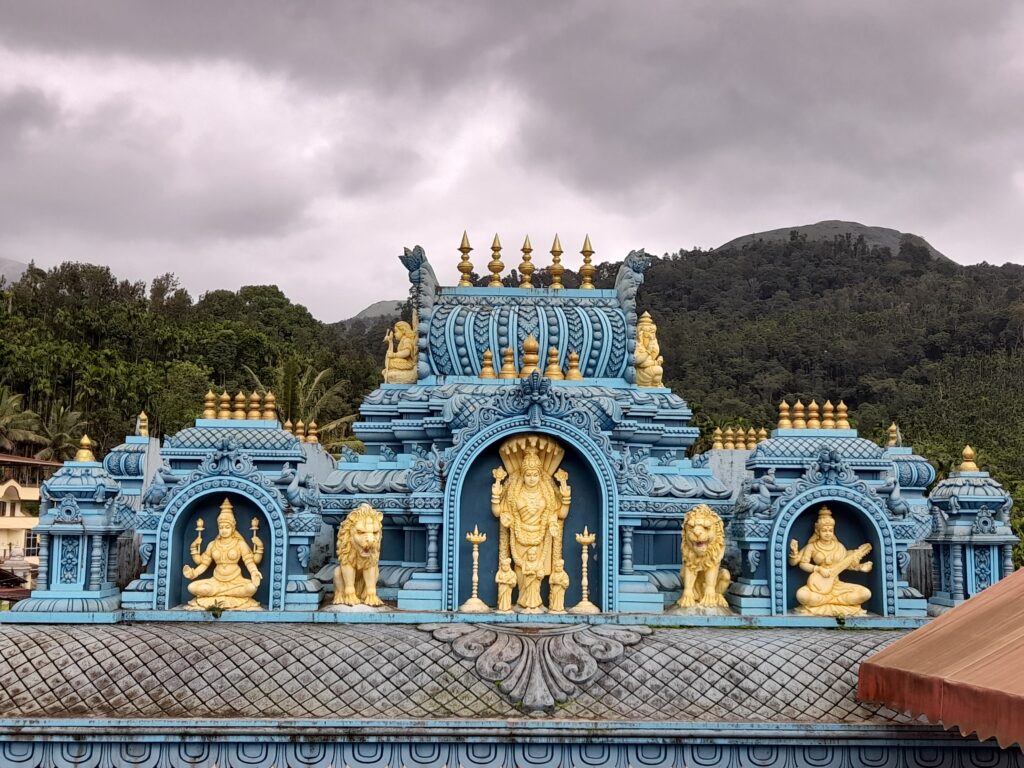
Nestled amidst the mist-covered hills and dense forests of the Western Ghats, Horanadu Annapoorneshwari Temple is one of the most revered pilgrimage destinations in Karnataka. Located in the picturesque village of Horanadu in Chikkamagaluru district, the temple sits gracefully on the banks of the Bhadra River, surrounded by lush greenery and tranquil mountain landscapes. Known officially as Sri Kshethra Horanadu Annapoorneshwari Temple, this sacred shrine attracts thousands of devotees throughout the year who come seeking the blessings of Goddess Annapoorneshwari, the divine provider of food and nourishment.
According to local tradition, the temple is believed to have been established by the great sage Agastya Maharishi. Over centuries, it has grown into an important spiritual center, drawing pilgrims not only from Karnataka but also from neighboring states.
Mythological Significance
The name “Annapoorneshwari” translates to “the Goddess who provides food to all.” In Hindu mythology, Goddess Annapoorna is regarded as the embodiment of nourishment, abundance, and compassion. A popular legend associated with the deity tells of Lord Shiva realizing the importance of food and sustenance through the blessings of Goddess Annapoorna. Since then, she has been worshipped as the divine mother who ensures that no devotee leaves her presence hungry.
This belief continues to shape the temple’s traditions even today. One of the most remarkable aspects of the temple is its practice of offering free meals to every visitor, regardless of caste, creed, religion, or social status. Breakfast, lunch, and dinner are served daily, reflecting the goddess’s message of universal nourishment and hospitality.
The Temple and Deity
The presiding deity, Goddess Annapoorneshwari, is worshipped as a powerful form of Goddess Durga. The magnificent golden idol installed in 1973 is a major attraction of the temple. The beautifully adorned goddess stands on a sacred pedestal and is depicted with four hands carrying the Shanka (conch), Chakra (discus), Sri Chakra, and the Gayatri Mantra.
The sanctum sanctorum showcases exquisite craftsmanship and spiritual symbolism. The deity is surrounded by Adi Sesha, while the Padma Peetha is supported by sacred figures such as Ashtagajas and Koorma. The peaceful atmosphere, devotional chants, and fragrance of incense create a deeply spiritual experience for visitors.
A traditional custom observed here requires male devotees to remove their shirts before entering the inner sanctum, symbolizing humility and respect before the goddess.
Accommodation Facilities
For pilgrims wishing to stay overnight, the temple administration provides comfortable and affordable accommodation facilities. Sri Annapoorna Sadhana and Bhakta Nivas Lodges offer clean rooms and basic amenities for devotees. In addition, several homestays, guesthouses, and resorts are available in and around Horanadu, making it convenient for travelers exploring the Western Ghats region.
Festivals Celebrated
The temple comes alive during major religious festivals, especially Navaratri and Maharathotsava. During Navaratri, the temple is beautifully decorated with flowers and lights, and special rituals are performed over nine days to honor the goddess. Maharathotsava, the annual chariot festival, is another grand celebration that attracts thousands of devotees from across South India.
These festivals transform the quiet hill village into a vibrant spiritual destination filled with devotional music, cultural programs, and religious ceremonies.
Temple Timings
The temple remains open daily from:
- 6:30 AM to 2:00 PM.
- 7:00 PM to 9:30 PM.
Puja timings are generally:
- 6:30 AM to 9:00 AM.
- 11:00 AM to 2:00 PM.
- 7:00 PM to 9:30 PM.
Visitors are advised to arrive early during weekends and festival seasons, as the temple can become quite crowded.
How to Reach
By Road
Horanadu is well connected by road to major towns in Karnataka. The temple is located approximately 100 km from Chikkamagaluru, 125 km from Mangaluru, and around 330 km from Bengaluru. Regular KSRTC and private buses operate from Bengaluru, Chikkamagaluru, Kalasa, and Mangaluru to Horanadu. The drive through the Western Ghats is particularly scenic, passing through forests, coffee plantations, waterfalls, and mountain valleys.
By Rail
The nearest major railway stations are Mangaluru Junction and Kadur Railway Station. From either station, visitors can hire taxis or take buses to reach Horanadu.
By Air
The nearest airport is Mangaluru International Airport, located about 130 km away. From the airport, taxis and bus services are available to Horanadu via Kalasa.
Nearby Attractions
Kalasa
Located just a few kilometers from Horanadu, Kalasa is a famous temple town known for the ancient Kalaseshwara Temple dedicated to Lord Shiva. The town is situated along the Bhadra River and offers beautiful views of the surrounding hills.
Kudremukh National Park
One of Karnataka’s most beautiful natural destinations, Kudremukh National Park is known for its rolling grasslands, dense forests, trekking routes, and diverse wildlife.
Hanuman Gundi Falls
A spectacular waterfall located within the Kudremukh region, Hanuman Gundi Falls cascades through lush greenery and is a popular stop for nature lovers.
Sringeri Sharada Peetham
Situated about 80 km from Horanadu, Sringeri is one of the most important spiritual centers in India. Established by Adi Shankaracharya, it is famous for the Sharadamba Temple and its serene riverside setting.
Ballalarayana Durga Fort
A favorite among trekkers, this historic hill fort offers breathtaking views of the Western Ghats, especially during sunrise and sunset.
Bhadra River and Coffee Estates
The region surrounding Horanadu is dotted with sprawling coffee plantations and scenic river viewpoints, making it ideal for leisurely sightseeing and photography.
Maps
Nestled 1 km away from Horanadu Bus Stand.
FAQs
1. What is Horanadu Annapoorneshwari Temple famous for?
The temple is famous for the worship of Goddess Annapoorneshwari and its unique tradition of serving free meals to all devotees throughout the day.
2. Is there any dress code at the temple?
Yes. Male devotees are required to remove their shirts before entering the sanctum sanctorum. Visitors are encouraged to wear modest and traditional attire.
3. Are free meals available for all visitors?
Yes. The temple serves complimentary breakfast, lunch, and dinner to every visitor regardless of religion or background.
4. What is the best time to visit Horanadu?
The ideal time to visit is between October and March when the weather is pleasant and the surrounding Western Ghats are lush and green after the monsoon.
5. Is accommodation available near the temple?
Yes. Temple-managed lodges as well as private homestays, guesthouses, and resorts are available in Horanadu and nearby Kalasa.
6. Can Horanadu be combined with other tourist destinations?
Absolutely. Many travelers combine their visit with Kalasa, Kudremukh, Sringeri, Hanuman Gundi Falls, and other attractions in the Chikkamagaluru region.
7. Is photography allowed inside the temple?
Photography is generally permitted in the temple premises, but it is not allowed inside the sanctum sanctorum. Visitors should follow the temple’s guidelines.
8. Why is the temple considered special?
Apart from its spiritual significance, the temple is admired for its beautiful location in the Western Ghats, its tradition of feeding all visitors, and the magnificent golden idol of Goddess Annapoorneshwari.