Image Source: Hemavathi N S
About Nanjundeshwara Temple
Nestled on the serene banks of the Kapila (Kabini) River, Nanjangud is one of Karnataka’s most revered pilgrimage destinations. The town is best known for the ancient Nanjundeshwara Temple, dedicated to Lord Nanjundeshwara, a powerful form of Lord Shiva. Located about 27 kilometers south of Mysuru, the temple has been a center of devotion for centuries and is believed to have origins dating back to the Ganga dynasty period.
Often referred to as the “Dakshina Kashi” or the Kashi of the South, the temple attracts thousands of devotees who come seeking blessings, spiritual peace, and relief from ailments. Its rich history, sacred legends, and magnificent architecture make it a must-visit destination for both pilgrims and history enthusiasts.
Mythological Significance
The temple’s presiding deity derives his name from a fascinating legend associated with the cosmic event known as Samudra Manthana, the churning of the ocean by gods and demons. During this process, a deadly poison called Halahala emerged, threatening to destroy all creation.
To save the universe, Lord Shiva consumed the poison and held it in his throat, preventing it from spreading. This heroic act earned him the name “Nanjunda” or “Nanjundeshwara,” meaning “the Lord who drank poison.” Devotees worship him as a protector who absorbs suffering and safeguards humanity from harm.
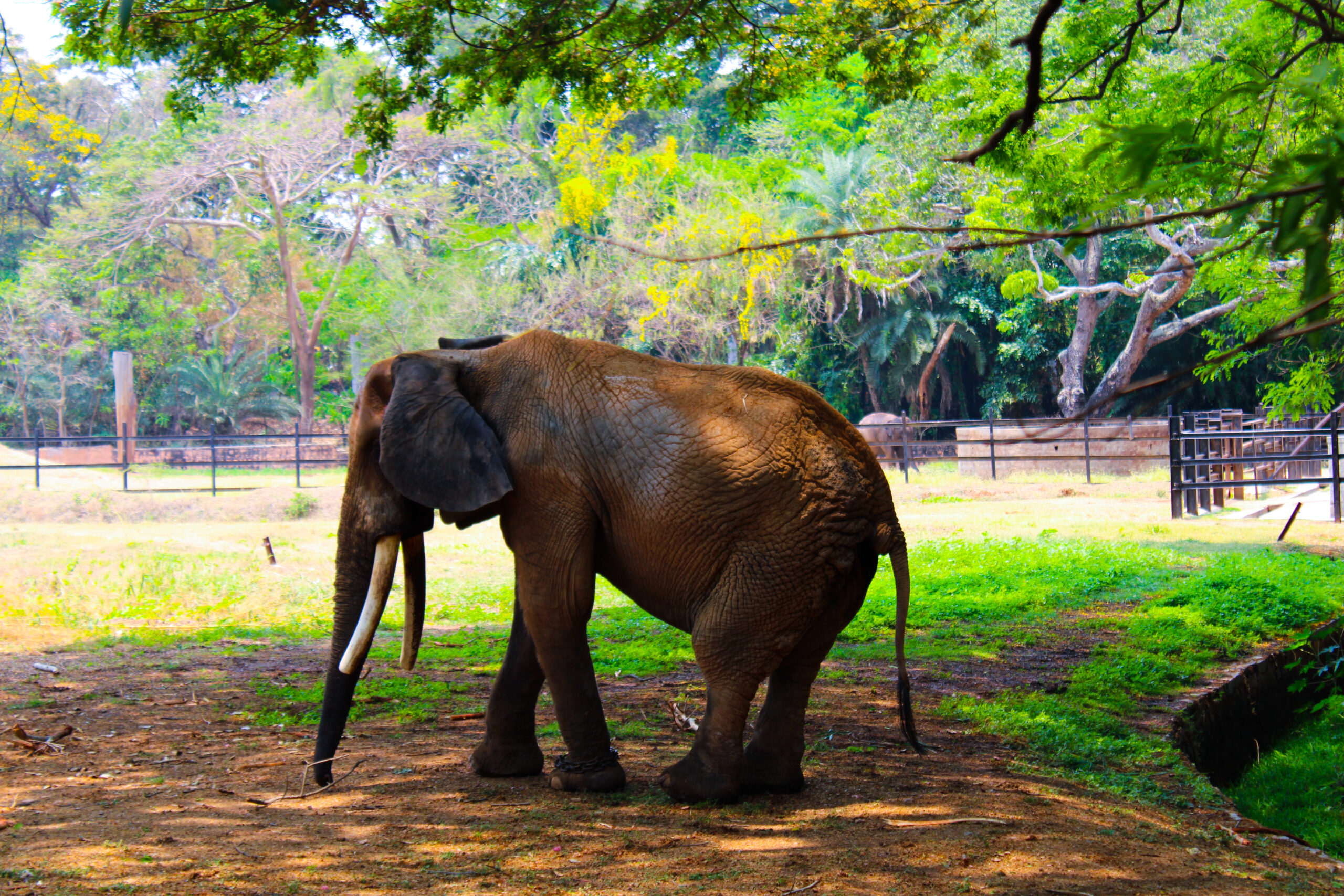
Another local legend states that the temple gained royal patronage after a sacred elephant belonging to a Mysore ruler was cured of illness through the blessings of Nanjundeshwara, further enhancing the temple’s reputation as a place of healing and divine intervention.
Architecture of Nanjundeshwara Temple
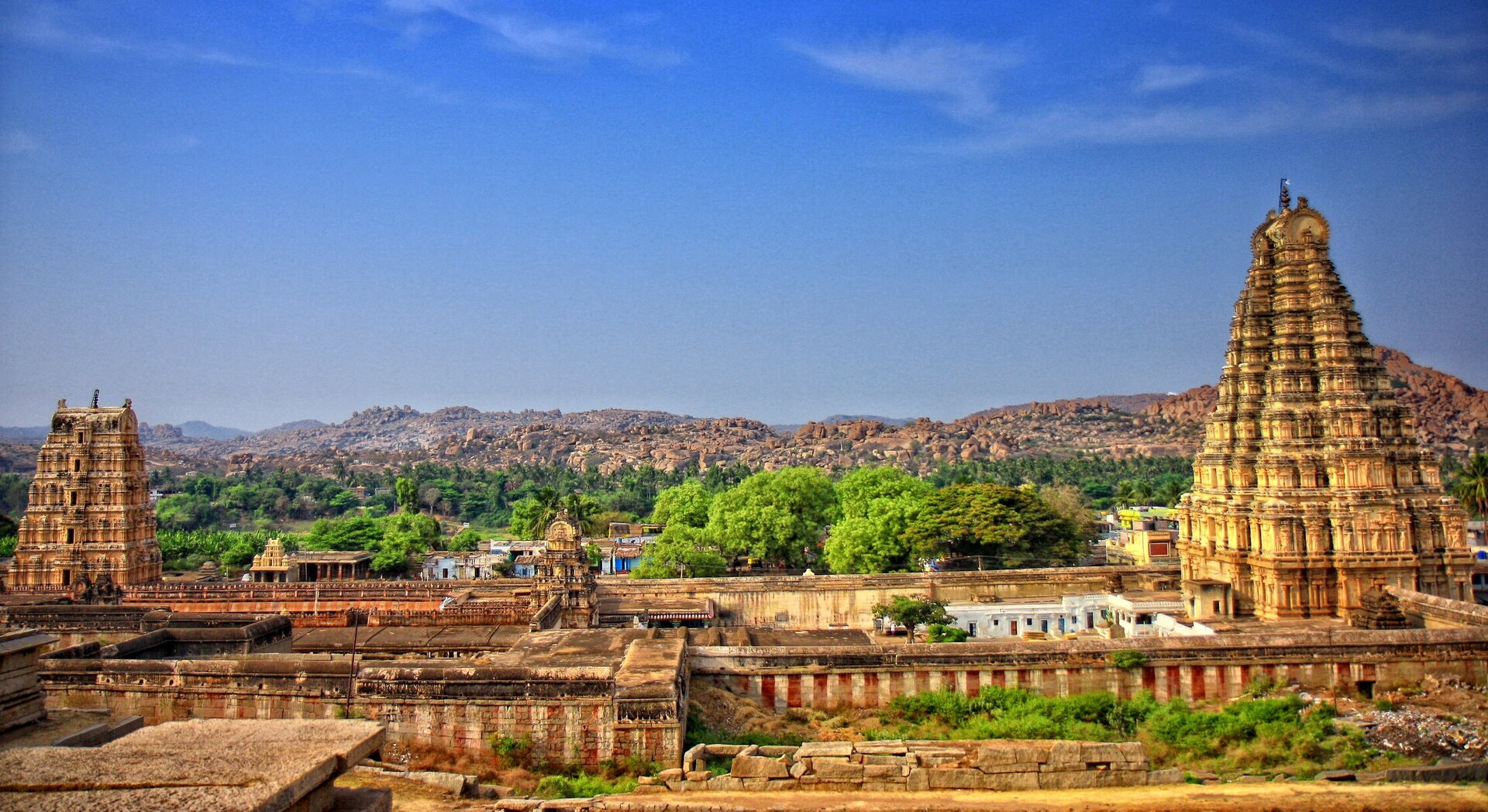
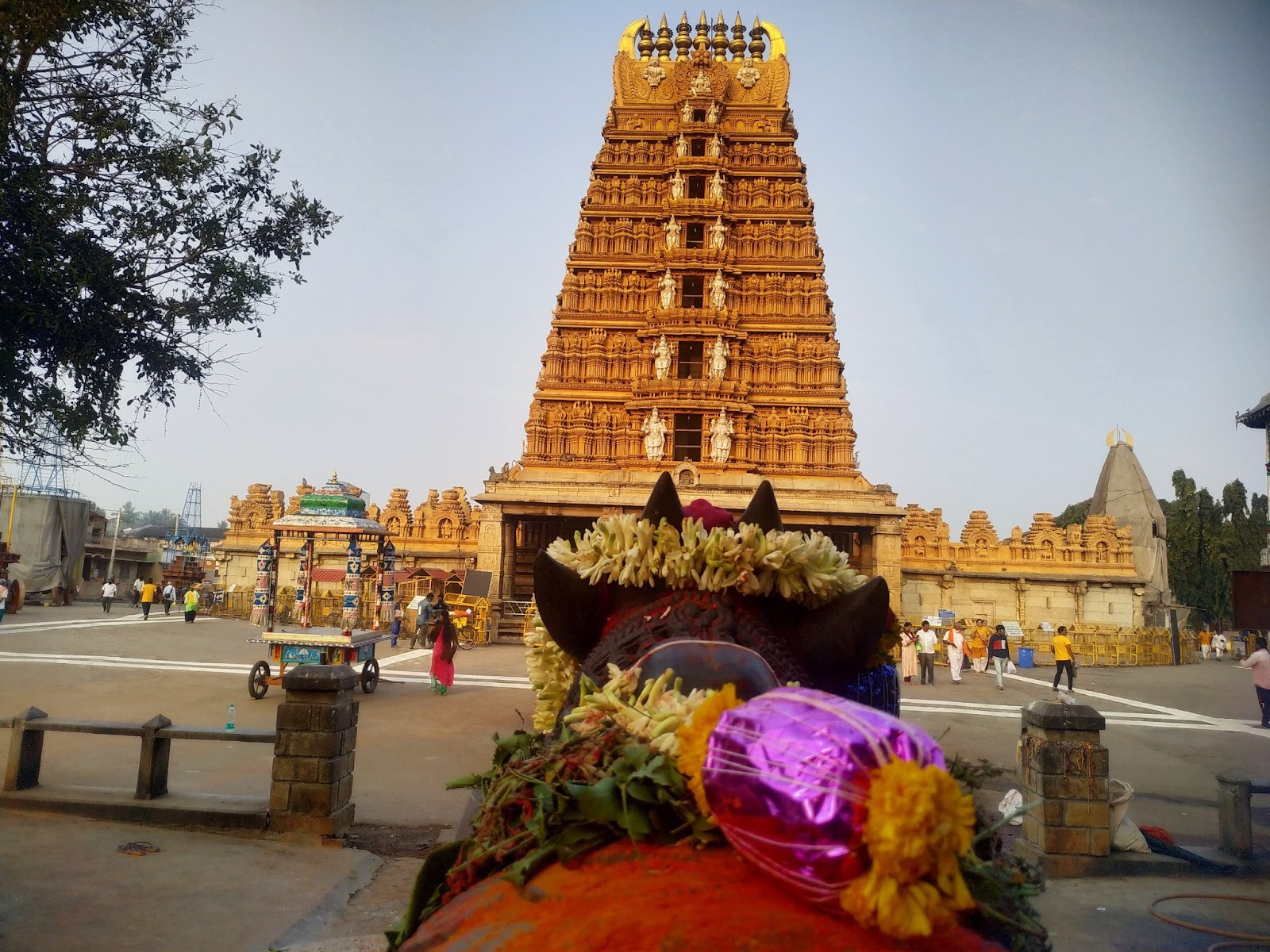
The temple is a splendid example of traditional Dravidian architecture. Its towering gopuram, intricately carved pillars, spacious courtyards, and beautifully sculpted shrines reflect the artistic brilliance of South Indian temple builders.
The sprawling temple complex houses several smaller shrines dedicated to various deities, including Lord Narayana with his consorts, Goddess Parvathi, Chandikeswara, and Natya Ganapathi. The detailed stone carvings and sacred atmosphere create a unique blend of artistic beauty and spiritual serenity.
One of the temple’s notable features is its large prayer halls and ancient inscriptions that provide valuable insights into the region’s rich cultural and religious heritage.
Chariot Festival
The annual chariot festivals, popularly known as Dodda Jathre and Chikka Jathre, are among the most important celebrations in Nanjangud. Held twice a year, these festivals draw devotees from across Karnataka and neighboring states.
During the festivities, elaborately decorated temple chariots carrying the deity are pulled through the town amid devotional songs, traditional music, and vibrant cultural performances. The entire town comes alive with spiritual energy, making it one of the best times to experience the temple’s rich traditions and community celebrations.
Temple Timings
Devotees can visit the temple during the following hours:
- Morning: 6:00 AM to 1:00 PM.
- Evening: 4:00 PM to 8:30 PM.
Special poojas and rituals are conducted on Mondays, Maha Shivaratri, and other important Hindu festivals.
How to Reach Nanjundeshwara Temple
By Road
Nanjangud is well connected by road to Mysuru and other major cities in Karnataka. Regular KSRTC and private buses operate from Mysuru, making travel convenient. The temple is located in the heart of Nanjangud town and is easily accessible by taxi, auto-rickshaw, or private vehicle.
By Rail
Nanjangud Town Railway Station is the nearest railway station, situated just a few kilometers from the temple. Regular passenger and express trains connect the town with Mysuru and nearby regions.
By Air
The nearest airport is Mysore Airport, approximately 30 kilometers away. For better connectivity, travelers can also use Kempegowda International Airport in Bengaluru, located about 180 kilometers from Nanjangud.
Nearby Attractions
Srikanteshwara Temple Tank
A sacred water tank adjacent to the temple, often visited by devotees before offering prayers.
Ranganathittu Bird Sanctuary
Located around 35 kilometers away, this famous bird sanctuary is home to numerous migratory birds and offers enjoyable boat rides.
Mysuru Palace
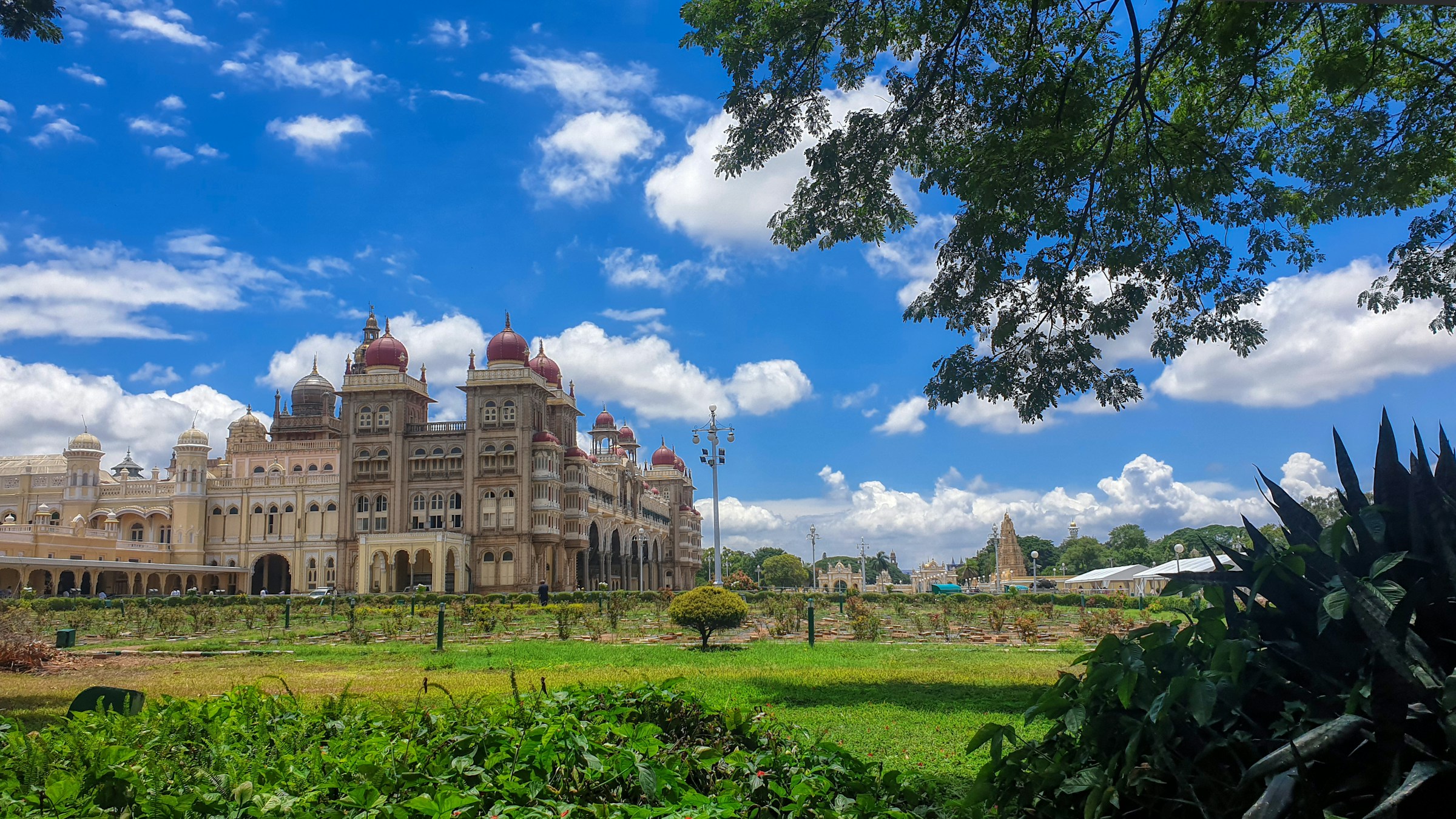
One of India’s most iconic royal palaces, showcasing the grandeur of the Wodeyar dynasty.
Chamundi Hills
A popular spiritual and scenic destination featuring the famous Chamundeshwari Temple and panoramic views of Mysuru.
Mysore Zoo
One of the oldest and best-maintained zoological parks in India, ideal for families and wildlife enthusiasts.
Kabini Backwaters
Known for its picturesque landscapes, wildlife safaris, and tranquil boating experiences.
Maps
FAQs
1. Why is Nanjundeshwara Temple famous?
The temple is famous for its association with Lord Shiva as Nanjundeshwara, the deity who consumed poison to save the universe, and for its historical and spiritual significance.
2. Where is Nanjundeshwara Temple located?
The temple is located in Nanjangud town, about 27 kilometers from Mysuru in Karnataka.
3. What are the temple timings?
The temple is open from 6:00 AM to 1:00 PM and from 4:00 PM to 8:30 PM.
4. What is the best time to visit the temple?
The cooler months from October to March are ideal. Visiting during Dodda Jathre or Maha Shivaratri offers a vibrant cultural experience.
5. Is there an entry fee for the temple?
No, general entry to the temple is free for devotees.
6. Why is Nanjangud called Dakshina Kashi?
It is known as the “Kashi of the South” because of its spiritual importance and long-standing association with Lord Shiva worship.
7. Are photography and videography allowed inside the temple?
Photography may be restricted inside certain parts of the temple. Visitors should follow temple guidelines.
8. Is parking available near the temple?
Yes, parking facilities are available near the temple premises for visitors.
9. Can non-Hindus visit the temple?
Yes, visitors of all faiths can explore the temple while respecting its customs and traditions.
10. How much time is needed for a visit?
Most visitors spend around 1 to 2 hours exploring the temple, attending rituals, and admiring its architecture.