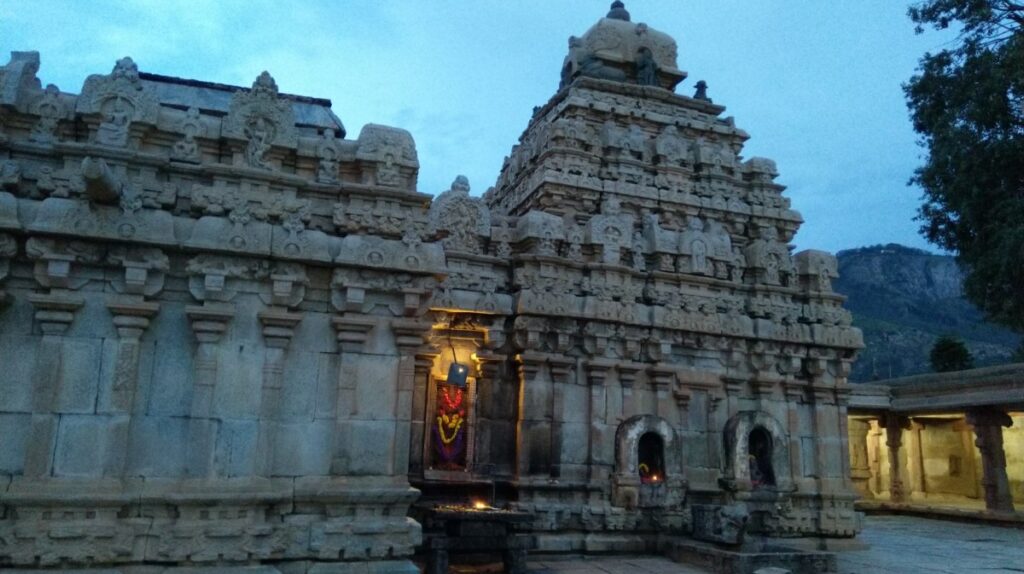
Image Source: Sri Bhoga Nandishwara Gudi
About Bhoga Nandeeshwara Temple
Nestled in the serene village of Nandi at the foothills of the famous Nandi Hills, Bhoga Nandeeshwara Temple is one of Karnataka’s oldest and most revered temples. Dating back to the 9th century, the temple was originally built by the Nolamba dynasty and later expanded by several powerful South Indian dynasties, including the Gangas, Cholas, Rashtrakutas, Hoysalas, and the Vijayanagara rulers. Their contributions over centuries have shaped the temple into an architectural masterpiece that beautifully reflects the evolution of South Indian temple design.
Dedicated to Lord Shiva, Bhoga Nandeeshwara Temple is not just a place of worship but also a treasure trove of history, art, and culture. The peaceful atmosphere, ancient stone carvings, and scenic backdrop of Nandi Hills make it a must-visit destination for pilgrims, history enthusiasts, and travelers alike.
Architecture of Bhoga Nandeeshwara Temple
The temple complex is a magnificent example of Dravidian architecture and features intricately carved pillars, ornate ceilings, and beautifully sculpted shrines. The craftsmanship displayed throughout the temple reflects the artistic excellence of multiple dynasties that ruled this region.
Within the main enclosure are three important shrines dedicated to Lord Shiva:
- Bhoga Nandeeshwara – associated with Shiva’s earthly form.
- Arunachaleswara – representing Shiva’s ascetic aspect.
- Ardhanareeswara – depicting the divine union of Shiva and Parvati.
These shrines symbolize different aspects of Lord Shiva and hold immense spiritual significance.
Ardhanareeswara Temple
Built during the Hoysala period, the Ardhanareeswara Temple stands out for its exceptional artistry. Visitors are often captivated by its intricately carved pillars, detailed depictions of deities, and beautifully designed roofs. The exquisite craftsmanship offers a glimpse into the architectural brilliance of the Hoysala era.
In front of the shrine lies the elegant Vasantha Mandapa, a pillared pavilion that adds to the grandeur of the complex and serves as a popular spot for photography and quiet reflection.
Devi Temple
Located on the western side of the main shrines, the Devi Temple is especially popular among newlywed couples who seek blessings for a prosperous married life. The temple’s delicate carvings and ancient sculptures showcase the rich artistic heritage of the region and provide visitors with a fascinating journey into the past.
Temple Tank
Adding to the temple’s charm is its sacred temple tank situated to the north of the main shrine. Surrounded by spacious corridors and stone pathways, the tank creates a tranquil setting where visitors can relax and soak in the spiritual ambiance. During monsoons, the reflection of the temple structures in the water creates a particularly picturesque scene.
Preservation and Heritage
Recognizing its immense historical and cultural importance, Bhoga Nandeeshwara Temple is protected and maintained by the Archaeological Survey of India (ASI). Continuous conservation efforts ensure that this centuries-old monument remains preserved for future generations.
Best Time to Visit
The temple can be visited throughout the year, but the months between October and February offer pleasant weather, making sightseeing more enjoyable. Festivals like Maha Shivaratri attract large numbers of devotees and provide a chance to witness vibrant celebrations and traditional rituals.
Timings
Bhoga Nandeeshwara Temple is generally open to visitors from 8:00 AM to 6:00 PM every day.
How to Reach
Bhoga Nandeeshwara Temple is located in Nandi Village, approximately 60 km from Bengaluru and just a few kilometers from the base of Nandi Hills.
- By Road: The temple is easily accessible by car or taxi via NH 44. The drive from Bengaluru takes around 1.5 to 2 hours, depending on traffic.
- By Bus: KSRTC and private buses regularly operate from Bengaluru to Nandi Hills. From there, local transport or auto-rickshaws can take you to the temple.
- By Rail: The nearest railway station is Chikkaballapur Railway Station, located about 10 km away.
- By Air: The nearest airport is Kempegowda International Airport, Bengaluru, approximately 35 km from the temple.
Many travelers combine a visit to the temple with a sunrise trip to Nandi Hills, making it an ideal day excursion from Bengaluru.
Nearby Attractions
Nandi Hills (4 km)
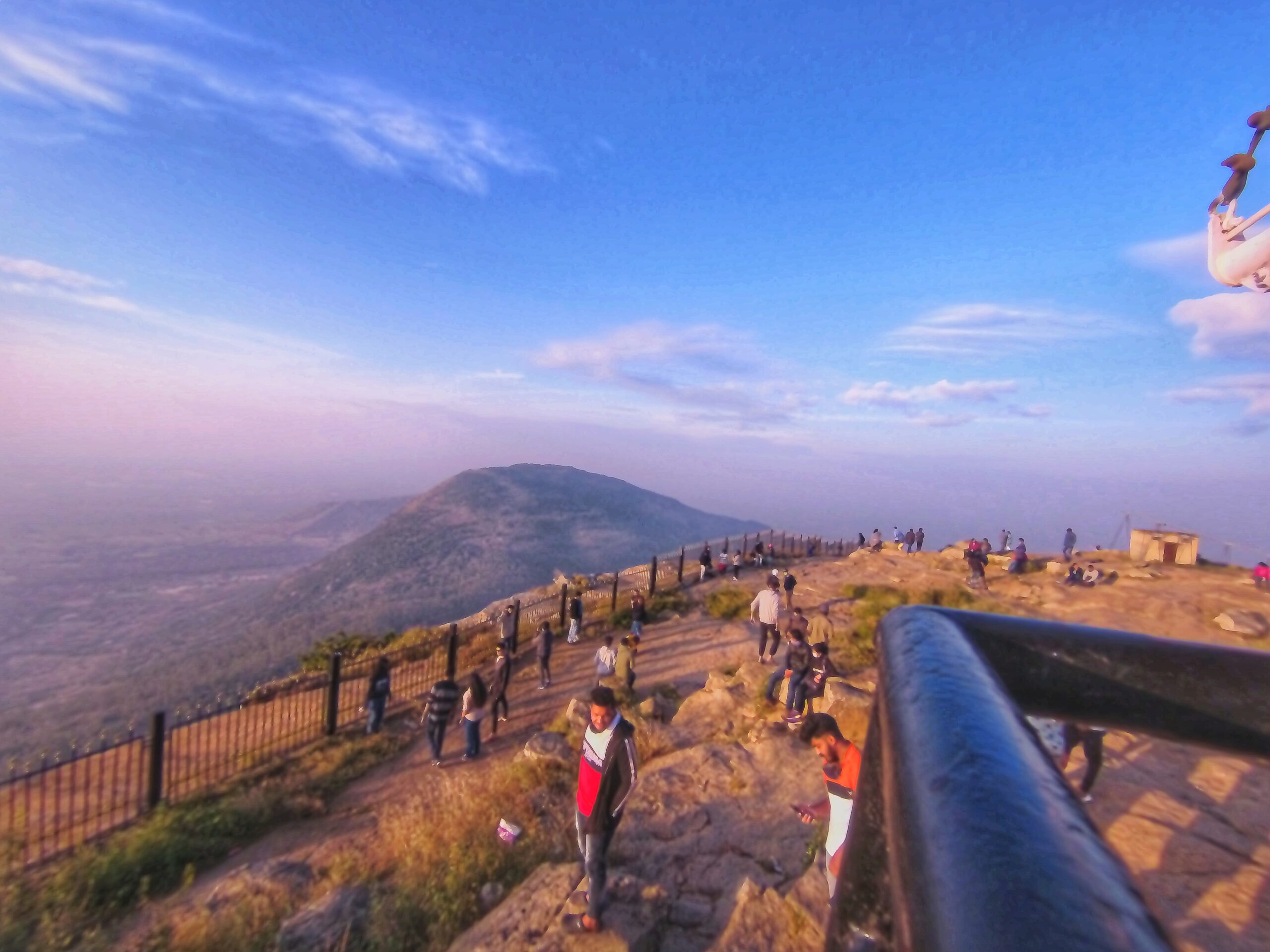
One of Karnataka’s most popular hill stations, Nandi Hills is famous for its sunrise views, trekking trails, and historical sites.
Tipu Sultan’s Summer Residence
Located atop Nandi Hills, this historic structure is believed to have been used by Tipu Sultan as a retreat.
Amrita Sarovar
A serene lake near Nandi Hills that offers peaceful surroundings and scenic views.
Skandagiri Hills (15 km)
A favorite destination for trekking enthusiasts, especially for its night treks and breathtaking sunrise vistas.
Muddenahalli
The birthplace of Sir M. Visvesvaraya, featuring a museum dedicated to the legendary engineer and statesman.
Maps
Location: Nandi Village, 6.5 km from Chikkaballapur, 9.5 km from Nandi Hills, 54 km from Bangalore City Railway Station.
FAQs
1. Why is Bhoga Nandeeshwara Temple famous?
The temple is renowned for its ancient history, exquisite Dravidian architecture, and its location at the foothills of Nandi Hills.
2. Who built Bhoga Nandeeshwara Temple?
The temple was originally constructed by the Nolamba dynasty in the 9th century and later expanded by various South Indian dynasties.
3. Is there an entry fee to visit the temple?
No, entry to the temple is generally free for visitors.
4. Can Bhoga Nandeeshwara Temple be visited along with Nandi Hills?
Yes. Since the temple lies at the base of Nandi Hills, many visitors explore both attractions on the same trip.
5. What is the best time to visit the temple?
Early mornings and the winter months from October to February are ideal for visiting due to pleasant weather.
6. Is photography allowed inside the temple?
Photography is generally allowed in the temple premises, though visitors should respect local guidelines and avoid photographing restricted areas.
7. Which festivals are celebrated here?
Major festivals such as Maha Shivaratri and annual temple fairs are celebrated with great devotion and attract thousands of devotees.