Image Source:Viswanathan saa
About Shri Krishna Temple
Nestled in the heart of Udupi, Shri Krishna Temple is one of the most revered pilgrimage destinations in South India and a symbol of the region’s rich spiritual heritage. Dedicated to Lord Krishna, the temple attracts millions of devotees and visitors every year who come seeking blessings, peace, and a glimpse into centuries-old traditions.
The temple was established in the 13th century by the great philosopher-saint Shri Madhvacharya, the founder of the Dvaita school of Vedanta. According to local tradition, Madhvacharya discovered a beautiful idol of Lord Krishna concealed within a large block of gopi chandan (sacred clay) that had arrived on the coast aboard a merchant ship. The saint is believed to have miraculously saved the ship from a storm, and in gratitude, the merchants offered him the clay from which the idol was recovered. He subsequently installed the deity at Udupi, laying the foundation for one of India’s most important Vaishnavite centers.
Historical Significance
The history of Shri Krishna Temple is deeply intertwined with the spiritual evolution of coastal Karnataka. Since its establishment, the temple has served as a major center for religious learning, philosophy, and devotional worship. One of its most distinctive features is the practice of viewing the deity through the famous Navagraha Kindi, a silver-plated window with nine openings.
A popular legend associated with the temple tells the story of Kanakadasa, a saint-poet and devoted follower of Lord Krishna. Because of social restrictions of the time, he was not allowed to enter the temple. Undeterred, he prayed fervently outside the western wall. Moved by his devotion, Lord Krishna is said to have turned to face him, creating a small opening through which Kanakadasa could see the deity. Even today, devotees offer prayers through this sacred window, known as Kanakana Kindi, commemorating the saint’s unwavering faith.
Architecture of Shri Krishna Temple
The temple showcases traditional Karnataka temple architecture, characterized by intricately carved wooden structures, sloping roofs, stone halls, and beautifully crafted pillars. Unlike many temples where the deity faces east, the idol of Lord Krishna faces west, a feature linked to the legend of Kanakadasa.
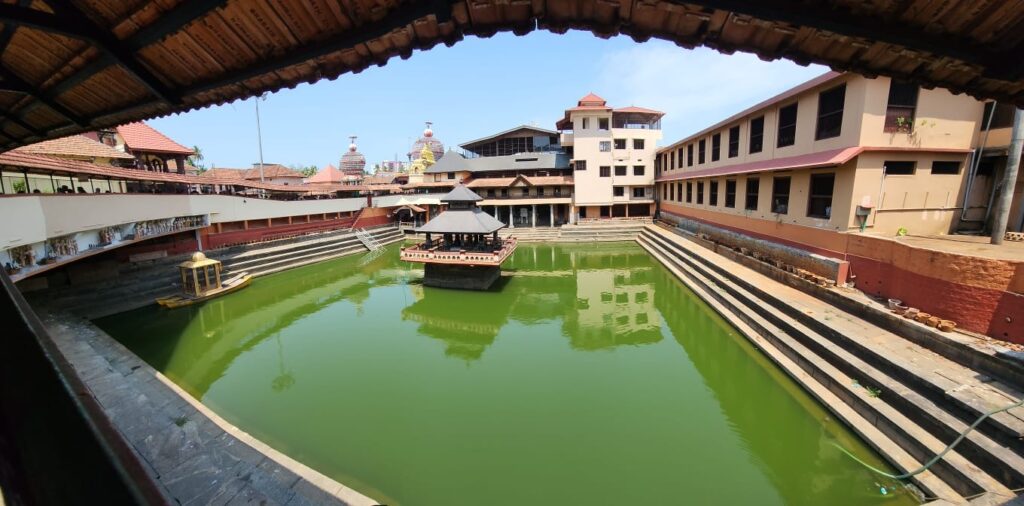
The idol depicts Lord Krishna as a young child holding a churning rod and rope. Adorned with precious ornaments, flowers, and silk garments, the deity presents a captivating sight during daily rituals. The temple complex also houses a magnificent golden chariot used during important festivals and processions. The serene courtyards, sacred tanks, and ancient shrines within the complex add to its spiritual and architectural charm.
Spiritual Traditions and Worship
Daily worship at the temple follows centuries-old rituals maintained by the Ashta Mathas, the eight monasteries established by Shri Madhvacharya. These monasteries take turns managing temple affairs through a unique system known as Paryaya, which occurs every two years.
Devotees gather from early morning to participate in various poojas, bhajans, and religious ceremonies. Viewing Lord Krishna through the sacred window is considered a deeply spiritual experience, and many pilgrims describe a profound sense of peace and devotion upon entering the temple premises.
The temple also serves as a center for Vedic studies, religious discourses, and cultural activities, preserving Karnataka’s rich spiritual traditions for future generations.
Festivals and Celebrations
The temple comes alive during its numerous festivals, attracting devotees from across India.
The most significant celebration is Saptotsava, also known as the Seven-Day Festival, held annually in January. During this period, the temple is beautifully decorated, and grand chariot processions are conducted through the streets of Udupi.
Krishna Janmashtami is another major festival, celebrating the birth of Lord Krishna with devotional singing, cultural performances, and special rituals. Other important festivals observed here include Rama Navami, Hanuman Jayanti, Deepavali, and Makara Sankranti.
The vibrant atmosphere, illuminated temple grounds, and devotional fervor during these festivals offer visitors an unforgettable cultural and spiritual experience.
Ancient Temples Within the Complex
The Shri Krishna Temple complex is not limited to a single shrine. Adjacent to the main temple are the ancient Anantheshwara Temple and Chandramouleeswara Temple, both believed to predate the Krishna Temple by many centuries.
The Anantheshwara Temple is dedicated to Lord Shiva and Lord Vishnu in his Anantha form, while the Chandramouleeswara Temple is devoted to Lord Shiva. These shrines are considered integral to the spiritual landscape of Udupi and are often visited by devotees before offering prayers at the Krishna Temple.
Together, these temples create a sacred complex that reflects the harmonious coexistence of different traditions within Hinduism.
How to Reach Shri Krishna Temple
Shri Krishna Temple is located in the center of Udupi city and is well connected by road, rail, and air.
By Air: The nearest airport is Mangalore International Airport, situated about 60 kilometers from Udupi. Taxis and buses are readily available from the airport to the temple.
By Train: Udupi Railway Station lies approximately 4 kilometers from the temple. Auto-rickshaws, taxis, and local buses provide convenient transportation to the temple complex.
By Road: Udupi is connected to major cities such as Mangalore, Bengaluru, Mysuru, and Goa through National Highway 66. Regular government and private buses operate daily services to Udupi.
Local Transport: Auto-rickshaws and local taxis are the most convenient ways to reach the temple from anywhere within the city.
Nearby Attractions
Malpe Beach
Located about 7 kilometers from the temple, Malpe Beach is famous for its golden sands, water sports, and stunning sunsets. It serves as the gateway to St. Mary’s Island.
St. Mary’s Island
Known for its unique hexagonal basalt rock formations, this island is a popular excursion destination accessible by ferry from Malpe.
Kapu Beach and Lighthouse
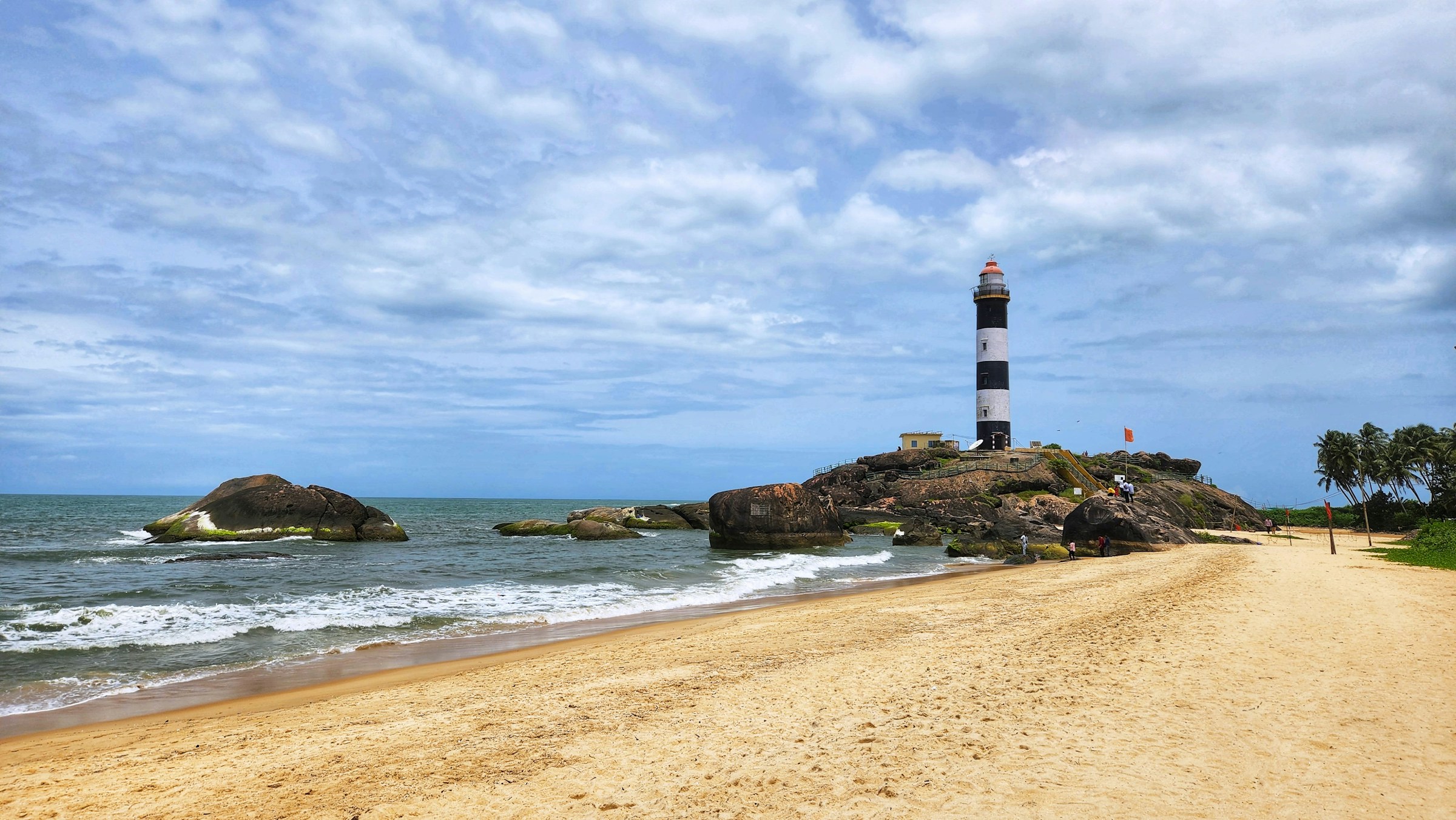
Around 15 kilometers from Udupi, Kapu Beach offers scenic coastal views and a historic lighthouse that provides panoramic views of the Arabian Sea.
Hasta Shilpa Heritage Village
This open-air museum showcases traditional architecture and heritage structures from different parts of Karnataka.
Manipal
Located just a few kilometers away, Manipal is known for its educational institutions, museums, viewpoints, and vibrant cultural atmosphere.
Anantheshwara Temple and Chandramouleeswara Temple
These ancient temples within the temple precincts are must-visit spiritual landmarks for pilgrims.
Maps
FAQs
1. What is Shri Krishna Temple famous for?
The temple is famous for its association with Shri Madhvacharya, the worship of Lord Krishna through the Navagraha Kindi, and the legend of Saint Kanakadasa.
2. Who founded Shri Krishna Temple?
The temple was founded by Shri Madhvacharya in the 13th century after discovering the idol of Lord Krishna.
3. What is the significance of the Navagraha Kindi?
It is the sacred window through which devotees view Lord Krishna. It symbolizes the famous story of Kanakadasa and his devotion.
4. What is the best time to visit the temple?
The temple can be visited throughout the year, but the festive seasons of Krishna Janmashtami and Saptotsava offer a particularly vibrant experience.
5. Are non-Hindus allowed inside the temple?
Entry regulations may vary. While the temple premises have certain traditional restrictions, visitors can still experience the surroundings and cultural significance of the complex.
6. How much time is required for a visit?
Most visitors spend between one and three hours exploring the temple complex, attending rituals, and visiting nearby shrines.
7. Is photography allowed inside the temple?
Photography is generally restricted inside the main temple areas. Visitors should follow the temple’s guidelines and instructions from the authorities.
8. What are the temple timings?
Temple timings may vary on festival days, but generally the temple opens early in the morning and remains accessible until evening with breaks between rituals.