Image Source: Praveen
About Sumdo
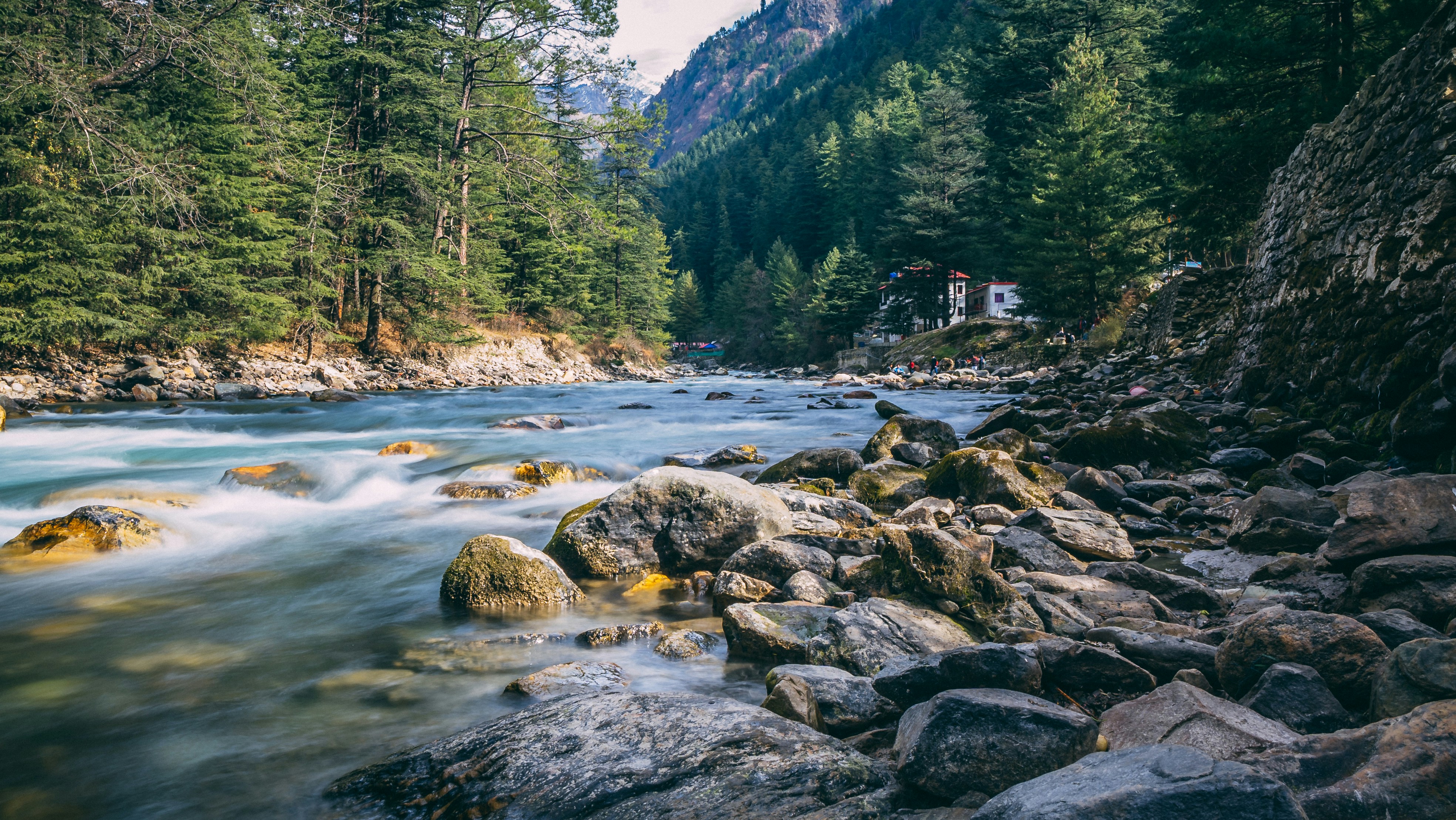
Tucked away in the cold desert landscape of Himachal Pradesh, Sumdo—also spelled Samdo—is a small yet significant village that marks the gateway to the breathtaking Spiti Valley. Located in the remote Kinnaur district, this quiet settlement sits at the dramatic confluence of the Spiti River and the Pari Chu River, which flows from the Tibetan side of the Indo-China border. Surrounded by rugged barren mountains and vast open valleys, Sumdo offers travelers their first real glimpse into the stark beauty and high-altitude wilderness that define Spiti.
The village is widely known as the entry checkpoint to the Lahaul and Spiti district. Travelers entering Spiti from the Shimla-Kinnaur route usually stop here for permit checks and registration before continuing toward villages like Tabo, Dhankar, and Kaza. Although small in size, Sumdo plays an important role in connecting the remote Himalayan region with the rest of Himachal Pradesh.
Geography and Natural Setting
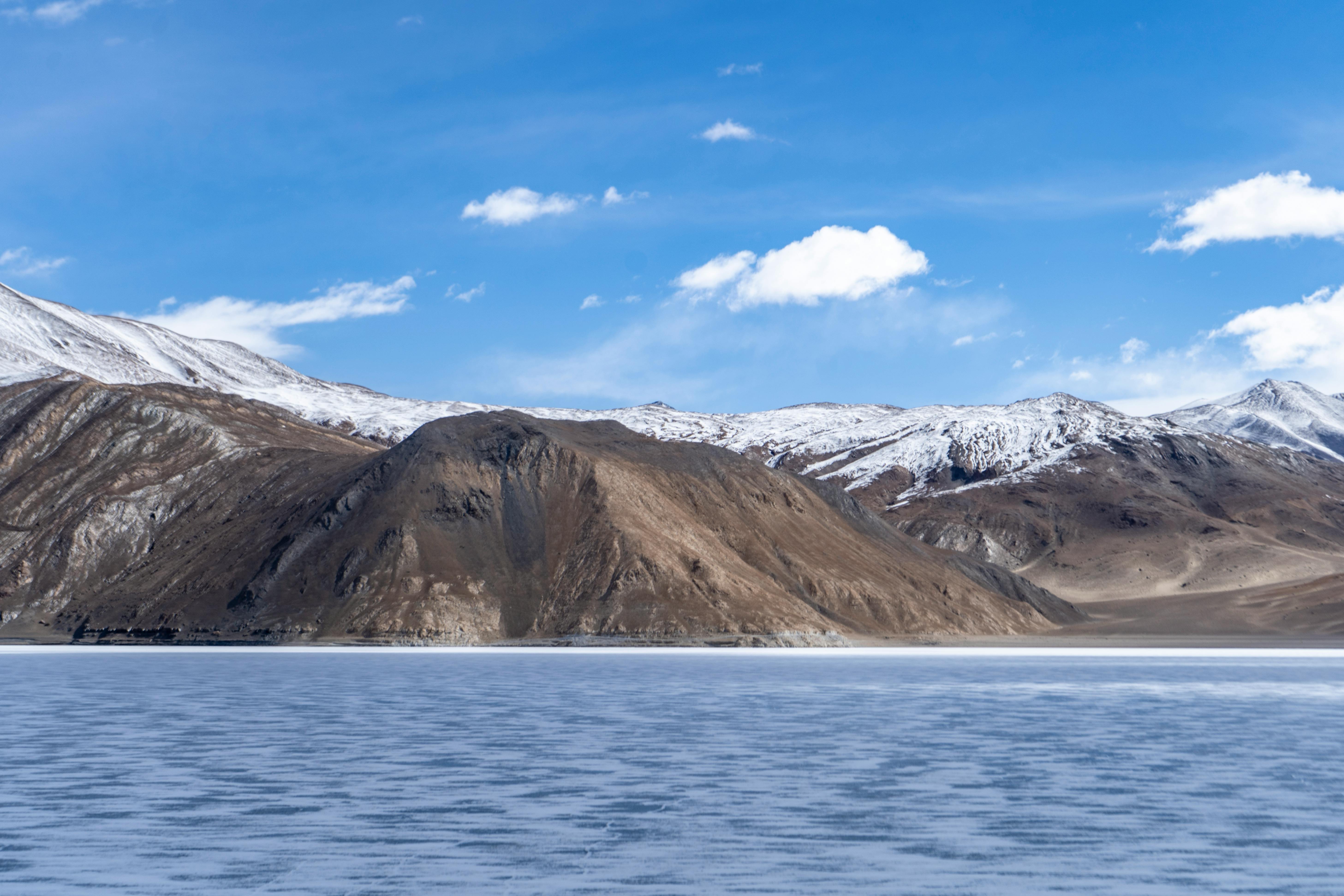
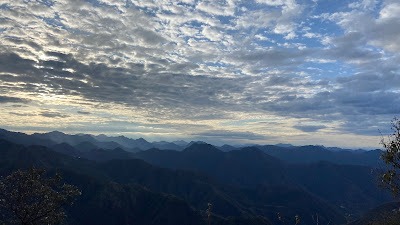
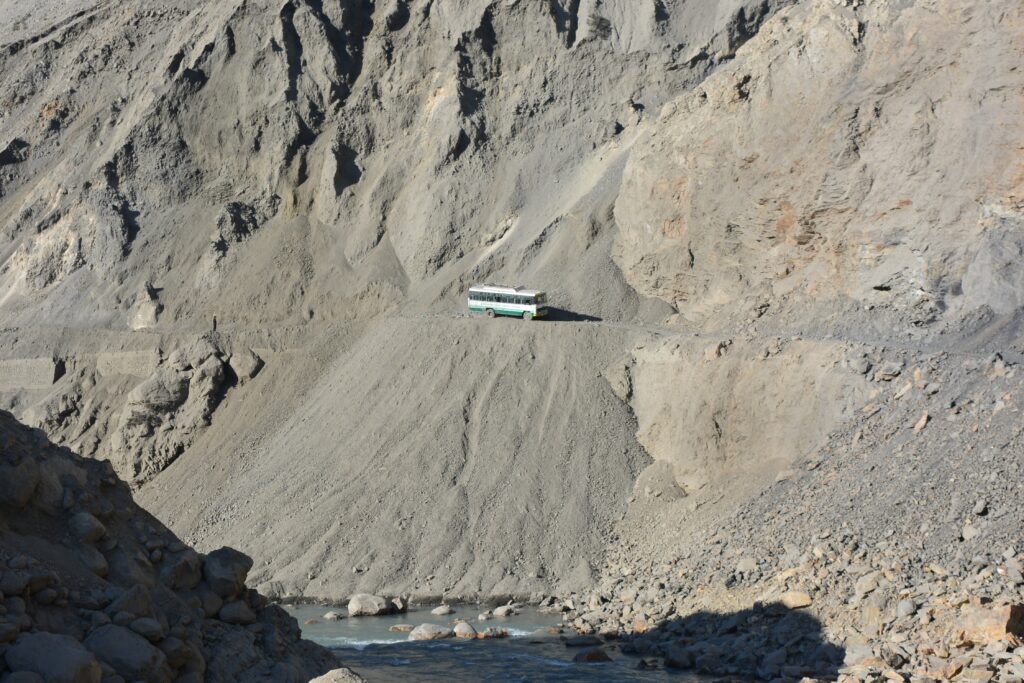
One of the most striking features of Sumdo is its dramatic geographical location. The village lies amid towering brown mountains that remain mostly barren throughout the year, creating a raw and almost surreal landscape. The meeting point of the Spiti and Pari Chu rivers adds to the scenic charm of the region. During sunrise and sunset, the mountains around Sumdo glow in shades of gold and copper, making the area especially beautiful for photographers and nature lovers.
Due to its high altitude and cold desert climate, vegetation in and around Sumdo is sparse. However, the stark terrain itself becomes the attraction. The silence, thin mountain air, and wide-open vistas create an unforgettable Himalayan experience that feels untouched by modern urban life.
Sumdo as the Gateway to Spiti Valley
For travelers driving from Shimla toward Spiti, Sumdo serves as the official entrance to the valley. After crossing this point, visitors enter the vast Lahaul and Spiti district, one of the largest and most sparsely populated districts in India. Because of its strategic location, Sumdo often becomes a brief halt for tourists before they continue deeper into the valley.
The village also acts as an important transit point for people exploring the remote border regions near Tibet. Roads from Sumdo connect to several isolated settlements and monasteries scattered across the mountains. Despite its remoteness, the village holds immense significance for administration, transport, and tourism in the region.
The Route to Kaurik Village
A branch road from Sumdo leads toward Kaurik, a historic border village situated around 19 kilometers away near the Indo-China frontier. Kaurik once stood as the last inhabited point on the old Hindustan-Tibet Road. However, the devastating earthquake of 1975 severely affected the village, forcing many residents to relocate to nearby Hurling village.
Today, Kaurik remains sparsely populated and is known more for its strategic and historical importance than for tourism. The road journey from Sumdo to Kaurik is incredibly scenic, passing through isolated mountain terrain and narrow valleys that showcase the harsh beauty of the Trans-Himalayan region.
Sumdo Monastery
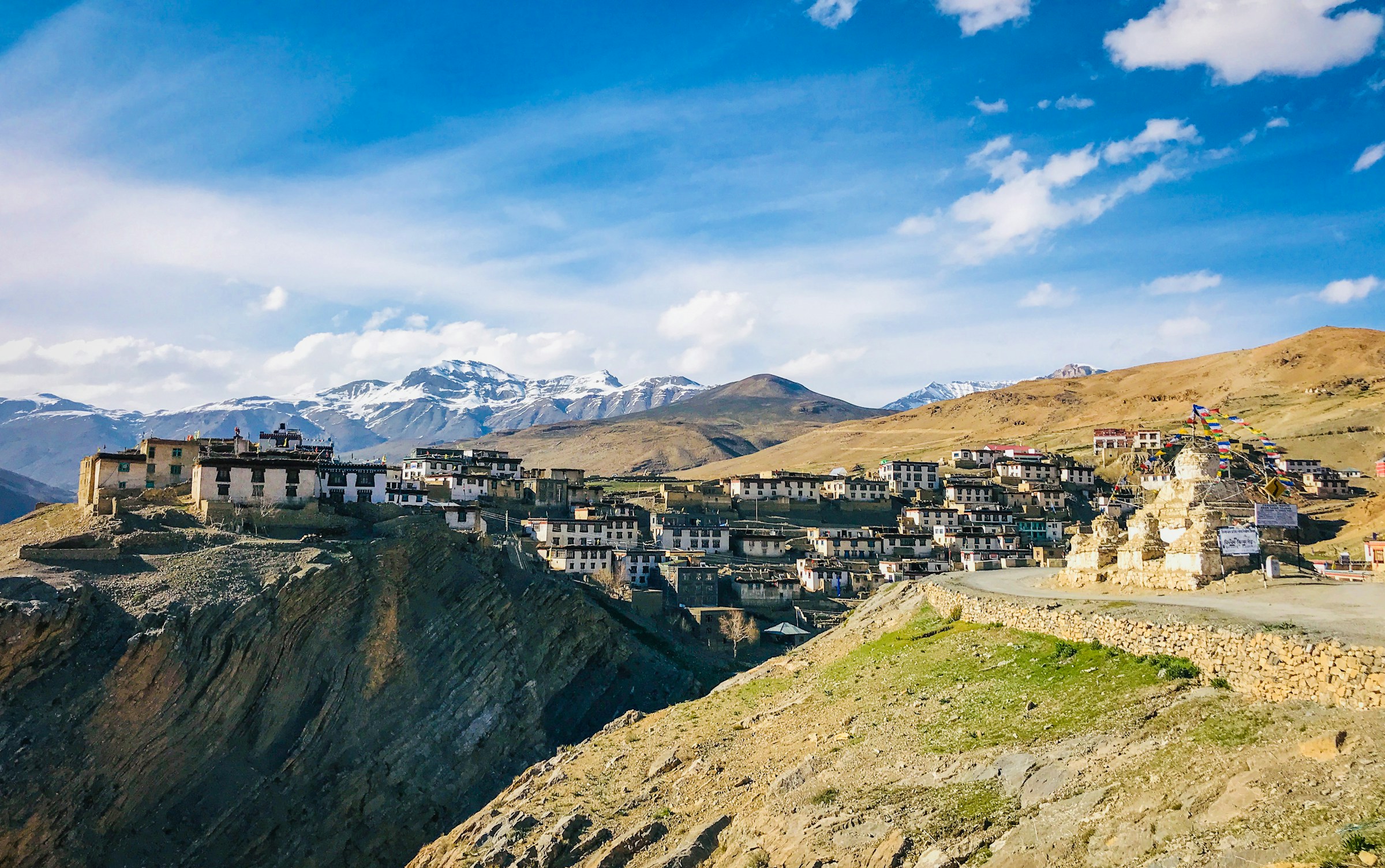
Despite being a small settlement, Sumdo is home to an old Buddhist monastery that attracts visitors interested in Himalayan art and spirituality. The monastery is particularly known for its ancient wall paintings and traditional Tibetan-style artwork. Like many monasteries in Spiti, it reflects the deep Buddhist heritage of the region and offers a peaceful atmosphere for meditation and reflection.
Prayer flags fluttering against the mountain winds, chanting monks, and the quiet surroundings create a deeply spiritual experience for visitors. The monastery also provides insight into the cultural traditions that have shaped life in these remote Himalayan valleys for centuries.
Culture and Lifestyle
Life in Sumdo is simple and deeply connected to nature. The local population follows Tibetan Buddhist traditions, and the culture is heavily influenced by neighboring Tibet. Houses are traditionally built using stone and mud to withstand the harsh winters and cold desert climate.
The people here are known for their warmth and hospitality despite living in challenging conditions. Agriculture is limited due to the climate, and many locals depend on seasonal tourism, livestock rearing, and trade-related activities. During winter, heavy snowfall and extreme temperatures often isolate the region for long periods.
Best Time to Visit Sumdo
The ideal time to visit Sumdo is between May and October, when the roads to Spiti remain open and the weather is relatively pleasant. During these months, travelers can enjoy clear mountain views, accessible roads, and comfortable daytime temperatures.
Winter transforms the area into a frozen landscape with heavy snowfall and sub-zero temperatures. While the scenery becomes magical, travel can be extremely difficult because roads are often blocked due to snow.
How to Reach Sumdo
Sumdo is located along the famous Shimla–Kaza route and can be reached by road from Shimla, Reckong Peo, and Nako. Most travelers visiting Spiti by road pass through this village before entering the heart of the valley.
- From Shimla: approximately 320–340 km
- From Reckong Peo: around 150 km
- Nearest major town: Nako
- Common route: Shimla – Reckong Peo – Nako – Sumdo – Tabo – Kaza
The roads are mountainous and can be challenging, but the journey itself is considered one of the most scenic drives in the Himalayas.
Nearby Attractions from Sumdo
Located on the border of Kinnaur and Spiti, Sumdo serves as the gateway to the cold desert landscapes of Spiti Valley. Surrounded by barren mountains, deep gorges, and ancient Buddhist settlements, the village is an excellent stop for travelers entering or leaving Spiti. Here are some of the top attractions near Sumdo:
1. Gue Village
Situated about 8 km from Sumdo, Gue is famous for housing a naturally preserved 500-year-old Buddhist mummy. The village offers stunning views of the surrounding mountains and provides a fascinating glimpse into the region’s spiritual heritage.
2. Gue Monastery
A small but significant monastery known for preserving the mummified remains of a Buddhist monk believed to have practiced self-mummification centuries ago.
3. Nako Village
Perched at an altitude of around 3,600 meters, Nako is renowned for its tranquil lake, traditional Tibetan-style houses, and ancient monasteries. It is one of the most picturesque villages in Kinnaur.
4. Nako Lake
A serene high-altitude lake surrounded by willow and poplar trees. The lake is a popular spot for leisurely walks and photography.
5. Nako Monastery
Dating back to the 11th century, this ancient monastery features beautiful murals, sculptures, and traditional Buddhist architecture.
6. Tabo
Located deeper into Spiti Valley, Tabo is famous for its ancient monastery complex, often referred to as the “Ajanta of the Himalayas” because of its priceless murals and artwork.
7. Tabo Monastery
Established in 996 CE, it is one of the oldest continuously functioning Buddhist monasteries in India and a major cultural landmark of Spiti.
8. Dhankar Village
Known for its dramatic cliffside setting, Dhankar offers breathtaking views of the Spiti and Pin rivers and is home to a historic monastery.
9. Dhankar Monastery
A centuries-old monastery perched on a rocky spur overlooking the valley, offering some of the most spectacular views in Spiti.
10. Spiti River
The lifeline of the valley, the Spiti River flows through dramatic landscapes and provides numerous opportunities for photography and sightseeing.
Why Sumdo is Special
Unlike the more popular tourist destinations of Spiti, Sumdo retains a quiet and untouched charm. It is not a place filled with luxury hotels or crowded markets. Instead, it offers travelers a chance to witness the raw beauty of the Himalayas, experience the peaceful rhythm of mountain life, and stand at the threshold of one of India’s most extraordinary high-altitude regions.
For many visitors, Sumdo is not just a stop on the journey to Spiti—it is the beginning of the adventure itself.
Google Maps
FAQs
1. Where is Sumdo located?
Sumdo is located in the Kinnaur district of Himachal Pradesh, near the entrance to Spiti Valley and close to the Indo-China border.
2. Why is Sumdo famous?
Sumdo is famous for being the gateway to Spiti Valley, its scenic location at the confluence of the Spiti and Pari Chu rivers, and its ancient Buddhist monastery.
3. What is the best time to visit Sumdo?
The best time to visit Sumdo is from May to October, when the roads remain open and the weather is suitable for travel.
4. Is a permit required to visit Sumdo?
Indian tourists usually do not require special permits for Sumdo itself, but regulations near border areas may change. Foreign nationals may need permits for certain nearby regions.
5. How far is Kaurik from Sumdo?
Kaurik village is approximately 19 kilometers from Sumdo and lies near the Indo-China border.
6. Are there accommodation facilities in Sumdo?
Basic guesthouses and homestays may be available in and around Sumdo, though facilities are limited compared to larger towns like Tabo or Kaza.
7. What kind of climate does Sumdo have?
Sumdo experiences a cold desert climate with chilly temperatures throughout the year and severe winters with snowfall.
8. Is Sumdo suitable for photography?
Yes, Sumdo is an excellent destination for landscape and travel photography because of its dramatic mountains, river valleys, and untouched Himalayan scenery.