Image Source: foodwithksk
About Gartang Gali
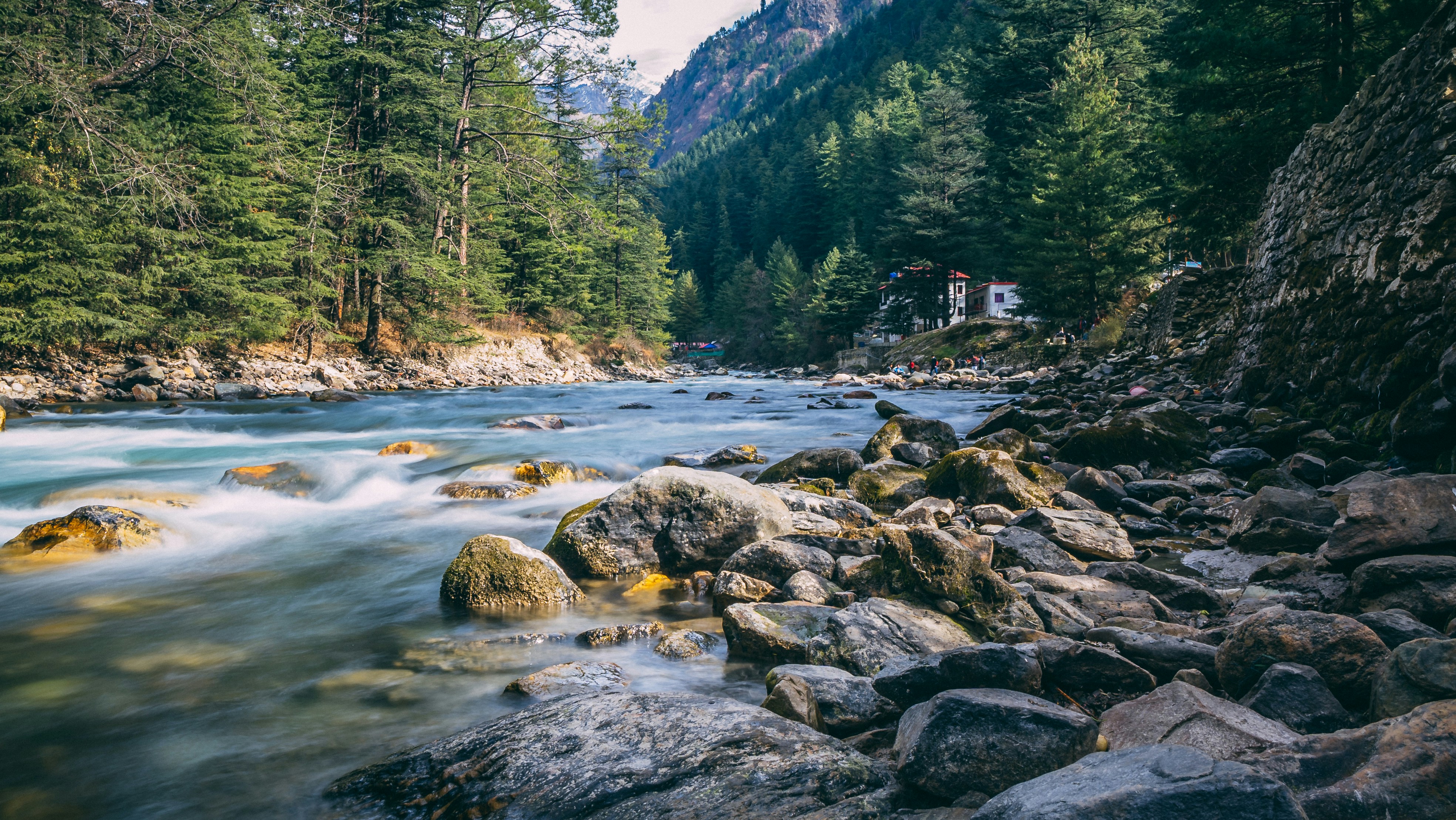
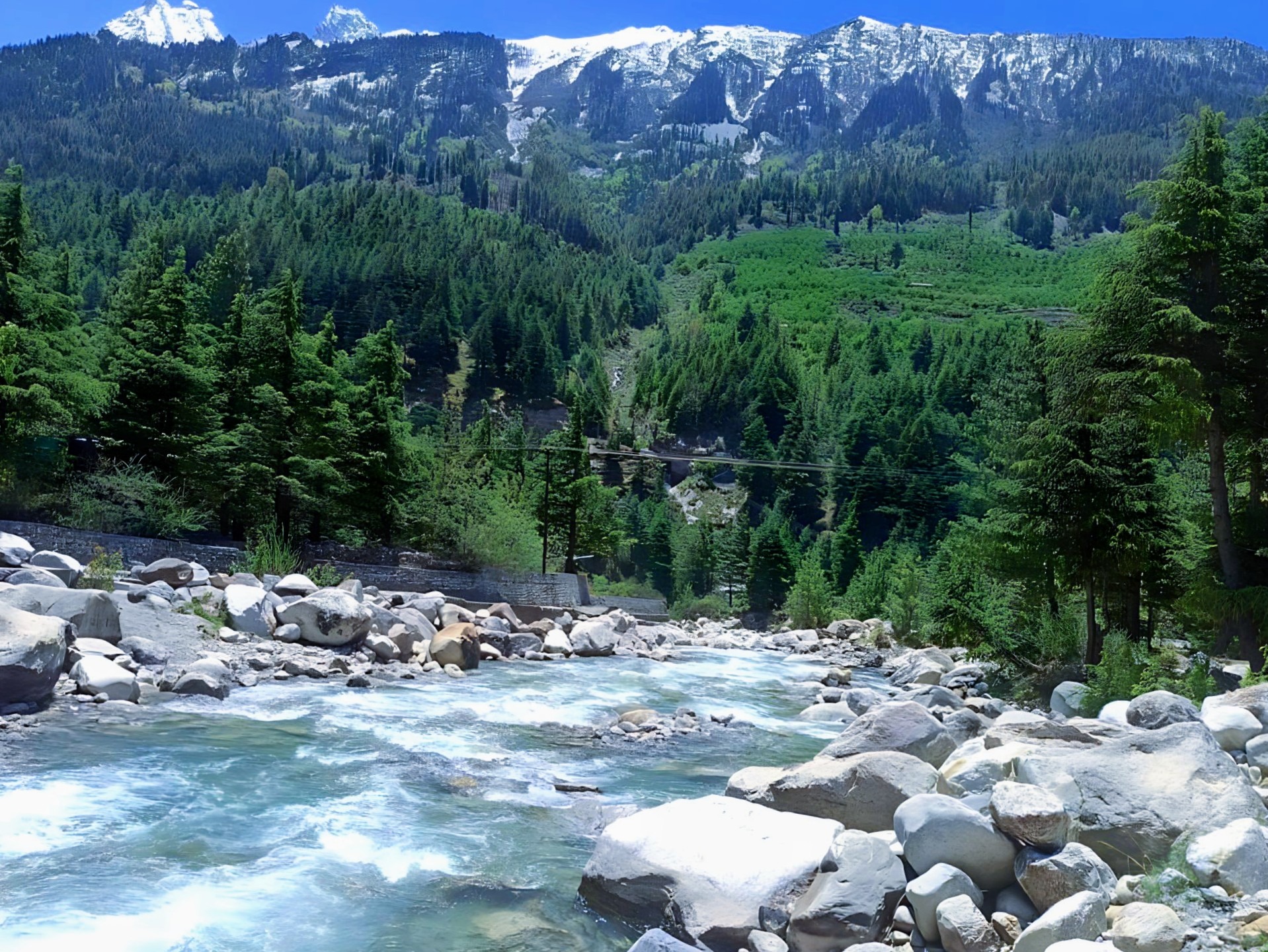
Hidden deep within the rugged landscapes of the Nelong Valley in Uttarakhand, Gartang Gali is one of the most thrilling and historically significant mountain trails in the Indian Himalayas. Often described as a blend of adventure, history, and breath-taking natural beauty, this ancient wooden pathway attracts trekkers, photographers, and history enthusiasts from across the country. Perched dramatically along steep rocky cliffs above the roaring Jad Ganga River, the trail offers an unforgettable experience that feels both adventurous and surreal.
Gartang Gali was once an important segment of the ancient Indo-Tibetan trade route that connected India with Tibet. Traders, shepherds, and travelers used this narrow wooden passage for centuries to transport goods such as salt, wool, spices, and other essential commodities between the Himalayan regions. However, after the Indo-China War of 1962, the route was closed for security reasons and gradually fell into neglect. Over time, the fragile wooden stairway became unsafe and inaccessible, remaining abandoned for decades amid the remote mountains of the border region.
History of Gartang Gali
The history of Gartang Gali is deeply intertwined with Himalayan trade and exploration. Historical records suggest that the route was also associated with the famous Austrian mountaineer and explorer Heinrich Harrer. Harrer escaped from a British detention camp during World War II and eventually traveled across the Himalayas into Tibet, where he spent several years. He later became a close friend and mentor to the 14th Dalai Lama. His experiences in Tibet were famously documented in the book Seven Years in Tibet, which was later adapted into the Hollywood film Seven Years in Tibet starring Brad Pitt.
One of the most fascinating aspects of Gartang Gali is its remarkable engineering. The narrow wooden bridge and stairway, stretching approximately 136 meters along a near-vertical rock face, were built more than 150 years ago. Despite the challenging terrain and lack of modern technology during that era, the structure was designed with incredible precision and durability. Historical accounts credit Pathan traders and builders from the Peshawar region, now in present-day Pakistan, for constructing this extraordinary route. Their craftsmanship allowed people to safely cross dangerous mountain cliffs at extreme altitudes, making the passage an engineering marvel of its time.
Trek to Gartang Gali
The journey to Gartang Gali is an adventure in itself. Located within the buffer region of Gangotri National Park, the trek passes through rugged mountain landscapes, alpine vegetation, and narrow forest trails. The route begins near Lanka Bridge, close to Bhaironghati on the Gangotri Highway. From there, trekkers hike approximately 2.5 kilometers through rocky terrain and scenic mountain paths.
The trek generally takes around two to three hours, depending on weather conditions and fitness levels. As travelers move deeper into the valley, the landscape becomes increasingly dramatic. Towering cliffs rise on one side while the fierce Jad Ganga River crashes far below, creating an awe-inspiring atmosphere. The wooden pathway itself is around 1.8 meters wide and hangs dramatically against the mountain wall at an altitude of nearly 3,352 meters above sea level.
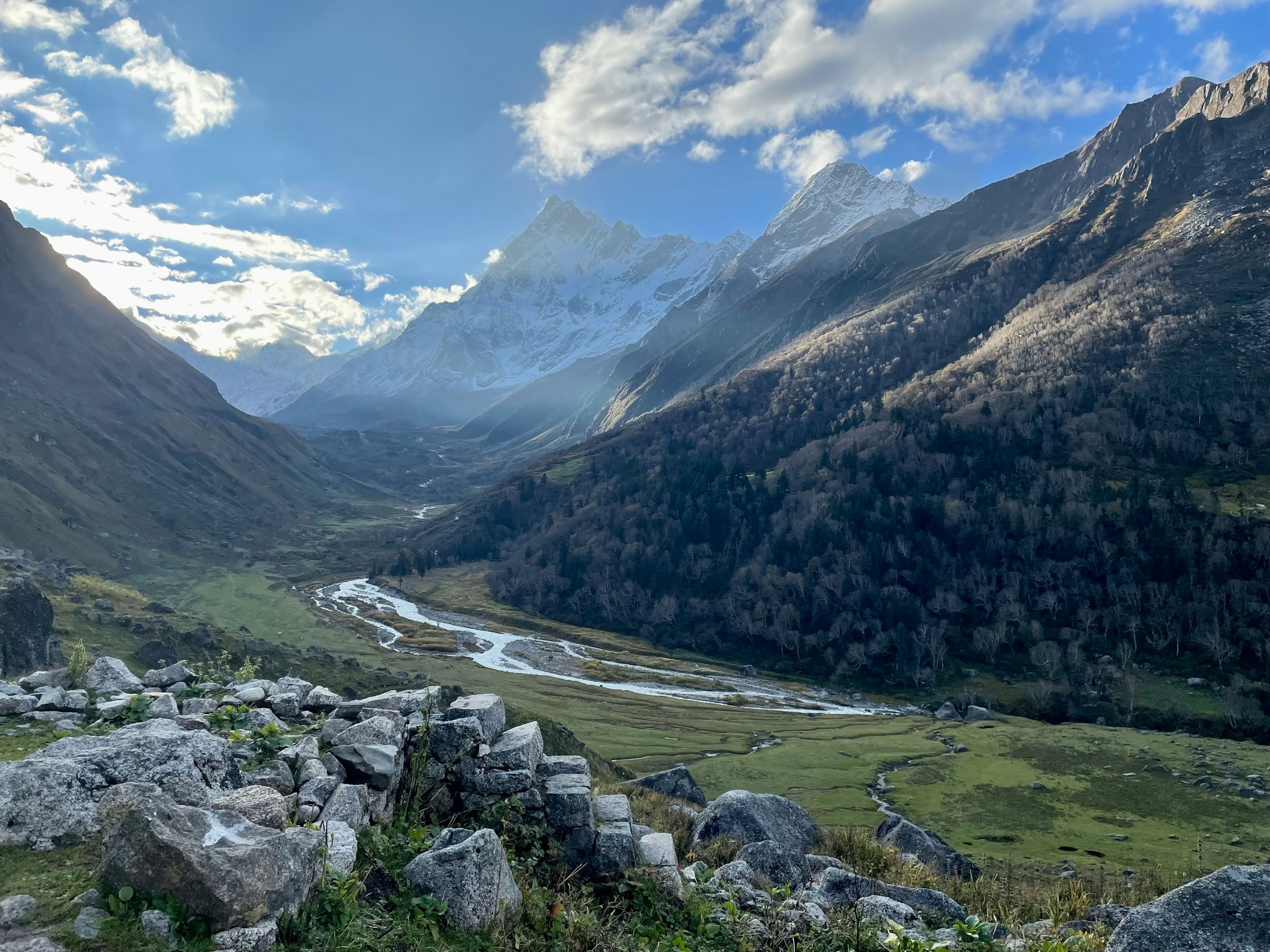
Walking along the restored stairway is both thrilling and mesmerizing. The panoramic views of the Nelong Valley, with its barren Himalayan terrain, sharp ridges, and deep gorges, resemble the cold desert landscapes of Ladakh and Tibet. Because the region lies close to the Indo-Tibetan border, visitors also experience a unique blend of natural beauty and strategic Himalayan history.
Restoration and Tourism Revival
For decades, Gartang Gali remained inaccessible and forgotten. Recognizing its historical and tourism value, the Uttarakhand government undertook a major restoration project to revive the ancient pathway. After careful renovation and strengthening work, the trail was officially reopened to tourists in August 2021.
The reopening of Gartang Gali marked an important step in promoting tourism in the remote border areas of Uttarkashi district. Since then, it has emerged as one of Uttarakhand’s most exciting offbeat destinations. Adventure seekers now visit the site not only for trekking but also for photography, history exploration, and experiencing the untouched beauty of the high Himalayas.
Best Time to Visit Gartang Gali
The ideal time to visit Gartang Gali is between May and October, when the weather remains relatively pleasant and the trekking route stays accessible. During the monsoon season, occasional landslides and slippery trails may create challenges for travelers. Winters bring heavy snowfall to the region, often leading to route closures and extremely cold temperatures.
Travelers are advised to carry warm clothing, trekking shoes, water, and necessary permits, as the area lies close to a sensitive border zone. Due to its altitude and rugged conditions, basic physical fitness is also recommended before attempting the trek.
Why Gartang Gali is Special
What makes Gartang Gali truly unique is the combination of history, engineering, and raw Himalayan beauty. Few places in India allow visitors to walk on a centuries-old wooden pathway hanging over deep mountain gorges while simultaneously witnessing traces of ancient trade routes and border history. The experience offers both adrenaline and a deep connection to the cultural heritage of the Himalayas.
Unlike crowded tourist destinations, Gartang Gali still retains an untouched and mysterious atmosphere. The silence of the valley, interrupted only by the sound of mountain winds and the rushing river below, creates a memorable experience for every traveler who visits this hidden Himalayan wonder.
Nearby Attractions to Gartang Gali
Gangotri Temple
Located about 25 km from Gartang Gali, Gangotri Temple is one of the holiest pilgrimage sites in India and an important stop on the Char Dham Yatra. Dedicated to Goddess Ganga, the temple stands on the banks of the Bhagirathi River amidst breathtaking Himalayan scenery. Pilgrims visit to offer prayers, while travelers admire the peaceful atmosphere, traditional architecture, and surrounding snow-capped mountains.
Harsil
Approximately 15 km from Gartang Gali, Harsil is a charming Himalayan village known for its apple orchards, pine forests, and tranquil riverside setting. Surrounded by towering deodar trees and snow-covered peaks, it is an ideal place to relax after visiting Gartang Gali. Harsil is also a favorite destination for photographers, birdwatchers, and nature lovers.
Lanka Bridge
Situated around 3 km from Gartang Gali, Lanka Bridge is a dramatic steel suspension bridge built across a deep gorge carved by the Jadh Ganga River. The bridge offers spectacular views of rugged cliffs, dense forests, and the roaring river below, making it a popular stop for travelers heading toward Gangotri.
Bhairon Ghati
Located just 2–3 km from Gartang Gali, Bhairon Ghati is famous for its dense deodar forests, steep rocky cliffs, and the confluence of the Jadh Ganga and Bhagirathi rivers. The ancient Bhairav Temple and panoramic viewpoints make it a peaceful destination for visitors seeking spirituality and natural beauty.
Nelong Valley
Around 18 km from Gartang Gali, Nelong Valley is one of Uttarakhand’s most fascinating high-altitude destinations. Once part of the historic Indo-Tibet trade route, the valley features barren Himalayan landscapes, ancient trade routes, and unique Tibetan cultural influences. Entry is regulated, and visitors must obtain permits from the Forest Department.
Jadh Ganga River
Flowing beneath Gartang Gali, the Jadh Ganga River originates near the India–Tibet border and joins the Bhagirathi River at Bhairon Ghati. The deep gorge carved by the river adds dramatic beauty to the region and offers stunning viewpoints for photography.
Gaumukh Glacier
Located about 43 km from Gartang Gali via Gangotri, Gaumukh is the snout of the Gangotri Glacier and the traditional source of the Bhagirathi River. The trek to Gaumukh is one of Uttarakhand’s most famous Himalayan adventures, passing through spectacular mountain scenery and alpine landscapes.
Tapovan
Beyond Gaumukh lies Tapovan, a high-altitude meadow renowned for its breathtaking views of Shivling Peak, the Bhagirathi Peaks, and the Gangotri Glacier. It is a favorite camping destination for trekkers and mountaineers looking to experience the grandeur of the Garhwal Himalayas.
Mukhba Village
Situated around 20 km from Gartang Gali, Mukhba is the winter home of Goddess Ganga. During winter, when Gangotri Temple closes due to heavy snowfall, the idol is ceremonially brought to Mukhba Temple. The village is also known for its traditional Garhwali houses, apple orchards, and scenic mountain views.
Gangnani Hot Water Springs
About 65 km from Gartang Gali on the Uttarkashi–Gangotri highway, Gangnani is famous for its natural hot water spring known as Rishi Kund. Many pilgrims stop here to take a holy dip before continuing toward Gangotri. The village also offers beautiful views of the Bhagirathi Valley and surrounding Himalayan peaks.
Maps and Location
FAQs
1. Where is Gartang Gali located?
Gartang Gali is located in the Nelong Valley of Uttarkashi district in Uttarakhand, near the Indo-Tibetan border region.
2. How difficult is the Gartang Gali trek?
The trek is considered moderately difficult. The trail includes rocky terrain, steep sections, and high-altitude walking, but it can be completed by beginners with decent fitness.
3. What is the altitude of Gartang Gali?
Gartang Gali is situated at an altitude of approximately 3,352 meters above sea level.
4. When was Gartang Gali reopened for tourists?
After restoration work, Gartang Gali was reopened to tourists in August 2021.
5. Why is Gartang Gali historically important?
It was once part of the ancient Indo-Tibetan trade route used for trade between India and Tibet. The route also has historical connections with explorer Heinrich Harrer.
6. What is the best season to visit Gartang Gali?
The best time to visit is from May to October when the weather is suitable for trekking and the route remains open.
7. Is permission required to visit Gartang Gali?
Yes, visitors may require permits because the area lies near a sensitive border zone. It is advisable to check local regulations before traveling.
8. How long is the Gartang Gali trek?
The trekking distance is around 2.5 kilometers one way and usually takes about two to three hours to complete.