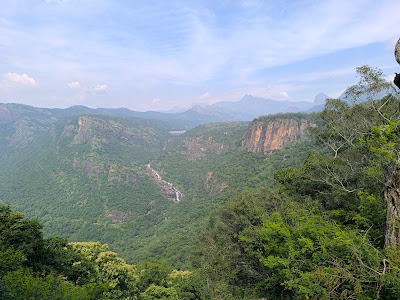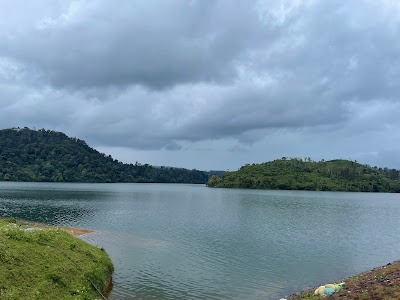
Image source: Balasubramaniyan V
About Sholayar Dam
Nestled amidst the lush green hills of Valparai in Tamil Nadu, Sholayar Dam is one of the largest and most impressive dams in South India. Built across the Sholayar River, the dam is an important part of the Parambikulam Aliyar Project (PAP), a multi-purpose irrigation and hydroelectric project that benefits both Tamil Nadu and Kerala. Surrounded by rolling tea plantations, dense evergreen forests, and mist-covered mountains, the dam offers visitors a peaceful escape into nature while showcasing remarkable engineering.
Recognised as the second-largest rock-fill dam in Asia, Sholayar Dam plays a vital role in generating hydroelectric power and storing water for irrigation. During the monsoon season, the reservoir fills to the brim, creating spectacular panoramic views that attract photographers, nature lovers, and road trip enthusiasts alike. The drive to the dam is equally rewarding, passing through scenic hairpin bends, waterfalls, and sprawling tea estates that make Valparai one of Tamil Nadu’s most picturesque hill destinations.
History
The Sholayar Dam forms the heart of the Sholayar Hydroelectric Project, which also includes the Sholayar Flanking Dam and the Sholayar Saddle Dam. Construction of these structures was completed during the mid-1960s, with the Flanking Dam finished in 1964 and both the Main Dam and Saddle Dam inaugurated in 1965.
Standing about 66 metres high and stretching over 430 metres in length, the dam serves as a major reservoir under the Parambikulam Aliyar Project. Surplus water from the reservoir is channelled into the nearby Parambikulam Reservoir through the saddle dam, helping regulate water distribution across the region.
Over the years, the area surrounding the dam has remained largely untouched, preserving its rich biodiversity. Dense forests around the reservoir are home to elephants, gaur, deer, lion-tailed macaques, Malabar giant squirrels, and numerous bird species. Visitors often combine a trip to the dam with wildlife spotting and exploring the nearby forests and tea gardens.
Best Time to Visit
The ideal time to visit Sholayar Dam is between June and December. The southwest and northeast monsoons fill the reservoir, transforming the landscape into a lush green paradise. Water levels are usually at their highest during this period, offering stunning views of the dam and surrounding hills.
For travellers who prefer pleasant weather for sightseeing, the months from September to February are particularly enjoyable. Early mornings and evenings are cool and misty, making them perfect for photography and leisurely drives through Valparai.
How to Reach
Sholayar Dam is located around 20 km from Valparai in Coimbatore district and is well connected by road.
- By Air: The nearest airport is Coimbatore International Airport, approximately 115 km away. From the airport, taxis and rental cars are available to reach Valparai via Pollachi.
- By Train: Pollachi Junction is the nearest railway station, about 65 km from the dam. Coimbatore Junction also offers excellent rail connectivity with major Indian cities.
- By Road: From Valparai, the dam can be reached by a scenic drive through winding mountain roads lined with tea estates and forests. Regular buses and taxis operate between Pollachi and Valparai, while private vehicles are the most convenient option for visiting the dam. The route passes through the famous 40 hairpin bends, making the journey itself a memorable experience.
Nearby Attractions
- Monkey Falls (30 km): A popular roadside waterfall near Aliyar, ideal for a refreshing stop during the journey to Valparai.
- Aliyar Dam (45 km): A scenic reservoir with boating facilities, landscaped gardens, and beautiful views of the Western Ghats.
- Nallamudi Viewpoint (15 km): One of the best viewpoints in Valparai, offering breathtaking vistas of tea plantations and mountain ranges.
- Balaji Temple (15 km): A peaceful temple surrounded by tea gardens, known for its serene atmosphere and well-maintained surroundings.
- Chinnakallar Falls (25 km): Located in one of the wettest regions of South India, this waterfall is surrounded by dense rainforest and rich biodiversity.
- Loam’s View Point (35 km): A famous viewpoint overlooking the Pollachi plains and the winding hairpin bends leading to Valparai.
- Parambikulam Tiger Reserve (around 60 km): A renowned wildlife sanctuary where visitors can enjoy safaris, birdwatching, and nature trails.
Maps
FAQs
1. Is Sholayar Dam open to tourists?
Yes, tourists can visit the dam and enjoy the surrounding viewpoints. However, access to certain operational areas of the dam may be restricted.
2. What is Sholayar Dam famous for?
The dam is famous for being one of the largest dams in Tamil Nadu, its scenic reservoir, hydroelectric importance, and its location amidst the beautiful landscapes of Valparai.
3. Is there an entry fee to visit Sholayar Dam?
Generally, there is no separate entry fee to view the dam from public areas, though local regulations may change.
4. Can visitors spot wildlife near the dam?
Yes. The surrounding forests are home to elephants, gaur, deer, monkeys, Malabar giant squirrels, and a variety of birds. Wildlife sightings are fairly common, especially during early mornings and evenings.
5. How much time is needed to visit Sholayar Dam?
Most visitors spend about 1 to 2 hours exploring the dam, enjoying the viewpoints, and taking photographs. Many include it as part of a full-day sightseeing tour of Valparai.
6. Is photography allowed at Sholayar Dam?
Yes, photography is allowed in public areas and the surrounding viewpoints. The scenic backdrop of hills, forests, and the vast reservoir makes it a favourite destination for landscape photography.
7. Which is the best route to reach Sholayar Dam?
The most popular route is Coimbatore – Pollachi – Aliyar – Valparai – Sholayar Dam, which offers one of the most scenic mountain drives in Tamil Nadu.