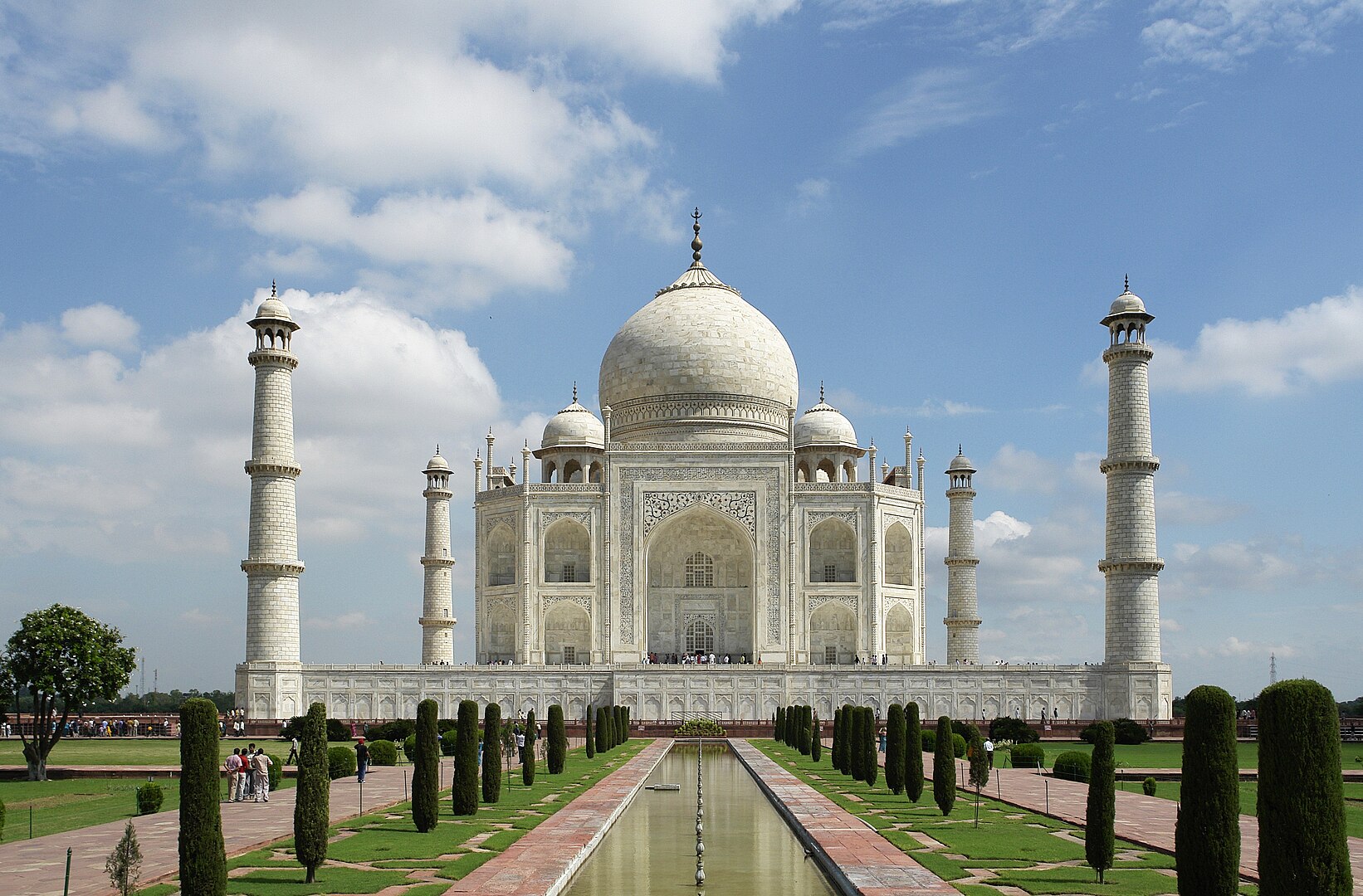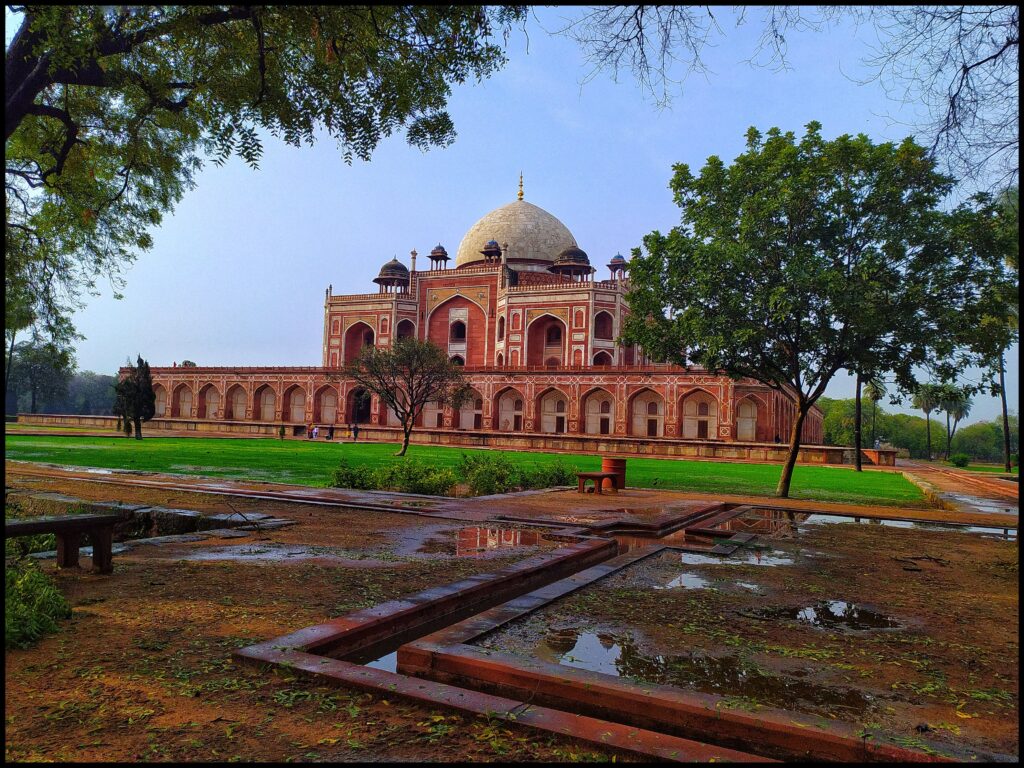
| Location | The Tomb is located on Mathura Road, Nizamuddin, New Delhi, India |
| Built By | It was built by Empress Bega Begum (first wife of Humayun) |
| Architect | Mirak Mirza Ghiyas (Persian architect) |
| Construction Year | 1565-1572 AD |
| Architecture Style | Persian-Mughal Architecture |
| Material Used | Red sandstone and white marble |
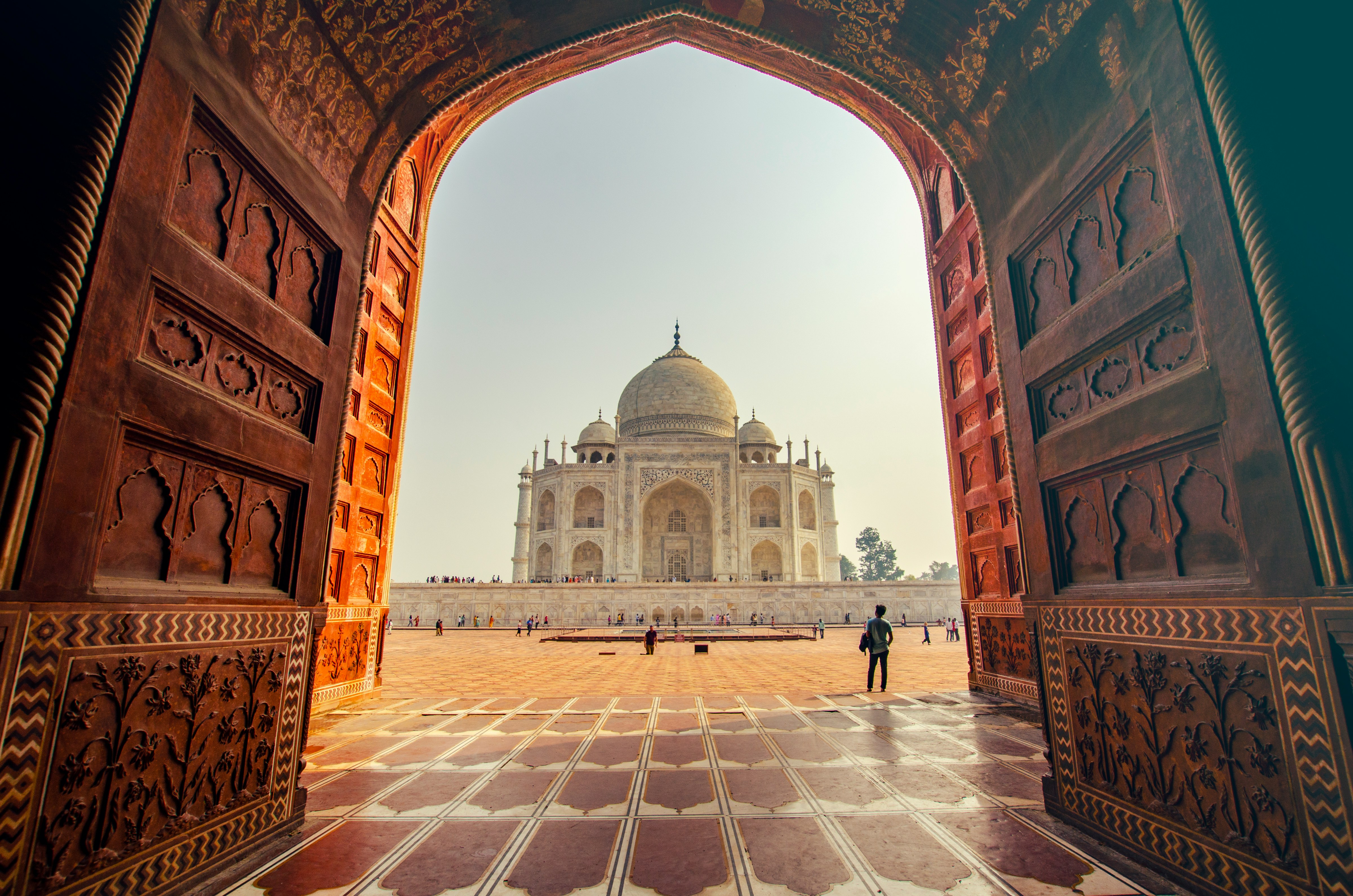
| Significance | First garden tomb in India, inspiration for the Taj Mahal |
| UNESCO Status | It was declared a UNESCO World Heritage Site in 1993 |
| Main Attractions | Humayun’s cenotaph, Persian Charbagh gardens, Barber’s tomb, Isa Khan’s tomb, Arab Serai |
| Timings | 6:00 AM to 6:00 PM (Open all days) |
| Entry Fee | ₹35 (Indians), ₹550 (Foreigners), Free for children below 15 years |
| Nearest Metro Station | JLN Stadium (Violet Line) – 1.5 km away |
| Best Time to Visit | October to March (Pleasant Weather) |
| How to Reach | By metro (JLN Stadium), bus, cab, or auto-rickshaw |
| Nearby Attractions | Nizamuddin Dargah, Lodhi Garden, India Gate, Purana Qila |
About Humayun’s Tomb
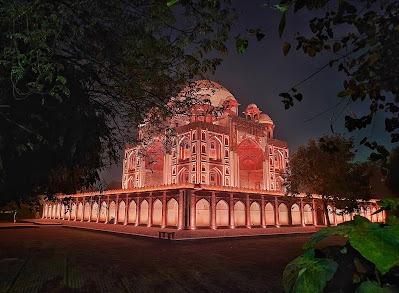
Nestled in the heart of Delhi, Humayun’s Tomb is one of India’s most magnificent historical monuments and a masterpiece of early Mughal architecture. Known locally as Maqbara-e-Humayun, this grand mausoleum was built in memory of the second Mughal emperor, Humayun. Today, it stands as one of Delhi’s most visited heritage attractions and is widely regarded as the architectural predecessor of the iconic Taj Mahal.
The monument gained international recognition when it was designated a UNESCO World Heritage Site in 1993. More than just a tomb, it represents a turning point in Indian architecture, introducing the Persian-inspired Mughal style that would later define many of the empire’s greatest structures.
History of Humayun’s Tomb
The tomb was commissioned by Humayun’s chief consort, Bega Begum, also known as Haji Begum, nearly a decade after the emperor’s death in 1556. Determined to create a fitting memorial for her husband, she appointed the renowned Persian architect Mirak Mirza Ghiyas to design the monument.
Construction began around 1565 and was completed in 1572. Unfortunately, Mirak Mirza Ghiyas passed away before the project could be finished. The work was subsequently completed by his son, Sayyid Muhammad ibn Mirak Ghiyath Ud Din, who remained faithful to his father’s vision.
The result was India’s first grand garden tomb and one of the earliest examples of mature Mughal architecture, blending Persian design principles with local Indian craftsmanship.
Architecture and Design
One of the most striking features of Humayun’s Tomb is its location within a vast Char Bagh (four-part garden), a traditional Persian garden layout symbolizing paradise. The monument stands atop a raised platform approximately seven meters high, creating an imposing presence visible from various parts of the surrounding complex.
Built primarily from red sandstone with elegant white marble detailing, the tomb rises to a height of about 47 meters. Its magnificent double dome, intricate lattice screens (jali work), geometric patterns, decorative arches, and marble inlay work showcase the sophistication of Mughal craftsmanship.
Visitors often notice how the monument changes color throughout the day. During sunrise and sunset, the red sandstone glows with warm golden hues, making it a favorite destination for photographers and architecture enthusiasts.
Exploring the Humayun’s Tomb Complex
While the main mausoleum attracts most visitors, the entire complex is a treasure trove of Mughal history. Spread across a vast landscaped area, the site contains numerous tombs, pavilions, gardens, and historical structures.
Some notable monuments within the complex include:
Isa Khan’s Tomb
Located near the entrance, Isa Khan’s Tomb predates Humayun’s Tomb by several decades. Built in the mid-16th century, it features beautiful Afghan-style architecture, intricate stone carvings, and a serene garden setting.
Arab Sarai
This historic enclosure was built to house the Persian craftsmen and workers involved in constructing the tomb complex. It provides valuable insight into the scale and organization of Mughal construction projects.
Nila Gumbad
Meaning “Blue Dome,” this structure is famous for its striking blue glazed tiles, which stand out from the predominantly red sandstone architecture of the complex.
Bu Halima’s Garden
Believed to be among the earliest sections of the site, Bu Halima’s Garden offers a peaceful green space and serves as an introduction to the monument’s grandeur.
Royal Burials Within the Complex
Humayun’s Tomb is often referred to as the “Dormitory of the Mughals” because it contains around 150 graves belonging to members of the Mughal royal family.
Among those buried here are:
- Bega Begum.
- Hamida Banu Begum.
- Dara Shikoh.
- Several Mughal princes and princesses.
- Emperors Jahandar Shah, Farrukhsiyar, Alamgir II, and others.
The presence of so many royal burials makes the complex one of the most important Mughal necropolises in India.
Connection with Nizamuddin
Just outside the complex lies the revered shrine of Hazrat Nizamuddin Auliya. The saint’s spiritual influence was so profound that many Mughal rulers and nobles wished to be buried near his shrine, believing it to be a place of great blessings.
Even today, many visitors combine a trip to Humayun’s Tomb with a visit to the nearby Nizamuddin area, known for its historic lanes, Sufi traditions, and evening qawwali performances.
Local Experience Around Humayun’s Tomb
The area surrounding Humayun’s Tomb offers a fascinating blend of history and modern Delhi. Just a short walk away is the lively Nizamuddin neighborhood, famous for its Mughlai cuisine, kebab stalls, and centuries-old cultural traditions.
Early mornings are particularly beautiful here. The gardens remain relatively quiet, birds fill the air with their calls, and the monument appears especially majestic in the soft morning light. Winter months, from October to March, provide the most comfortable weather for exploration.
Photography enthusiasts often visit during sunrise or late afternoon when the monument is bathed in warm natural light.
Timings and Entry Fee
Humayun’s Tomb is generally open daily from 6:00 AM to 6:00 PM.
Entry fees may be revised periodically by the Archaeological Survey of India, so visitors are advised to check the latest rates before their visit. Tickets can usually be purchased both online and at the monument entrance.
How to Reach Humayun’s Tomb
Humayun’s Tomb enjoys excellent connectivity from all parts of Delhi.
By Metro
The nearest metro stations include:
- Jawaharlal Nehru Stadium Metro Station (approximately 2 km away).
- Jor Bagh Metro Station (approximately 5 km away).
From either station, visitors can take an auto-rickshaw, cab, or e-rickshaw to reach the monument.
By Bus
Delhi Transport Corporation (DTC) buses regularly connect the site with major locations such as ISBT, Connaught Place, Nizamuddin, and South Delhi.
By Taxi or Auto-Rickshaw
App-based cabs and auto-rickshaws are readily available throughout Delhi and offer one of the most convenient ways to reach the monument.
Nearby Attractions
Sunder Nursery
Located adjacent to Humayun’s Tomb, Sunder Nursery is a beautifully restored heritage park featuring Mughal-era monuments, landscaped gardens, lakes, and walking trails.
Hazrat Nizamuddin Dargah
One of Delhi’s most important spiritual sites, famous for its qawwali performances and rich Sufi heritage.
Purana Qila
A historic fort associated with Humayun and Sher Shah Suri, offering fascinating insights into Delhi’s medieval past.
India Gate
One of Delhi’s most iconic landmarks, located a short drive away.
National Zoological Park
A popular family destination situated near Purana Qila.
FAQs
Why is Humayun’s Tomb famous?
Humayun’s Tomb is famous for being India’s first grand Mughal garden tomb and for inspiring the architectural design of the Taj Mahal.
Who built Humayun’s Tomb?
The monument was commissioned by Bega Begum, Humayun’s wife, and designed by the Persian architect Mirak Mirza Ghiyas.
How much time is needed to explore the monument?
Most visitors spend between 1.5 and 3 hours exploring the tomb, gardens, and surrounding monuments.
What is the best time to visit?
The best time to visit is between October and March when Delhi experiences pleasant weather.
Can photography be done inside the complex?
Yes, photography is generally allowed for personal use, making the site a popular destination for photographers.
Is Humayun’s Tomb suitable for families?
Absolutely. The spacious gardens, historical significance, and well-maintained pathways make it an excellent destination for families, students, and history enthusiasts.
Is Sunder Nursery included in the same ticket?
Humayun’s Tomb and Sunder Nursery usually require separate tickets, though visitors often explore both attractions on the same day.