Image Source: Ritu Saini
About Domkhar
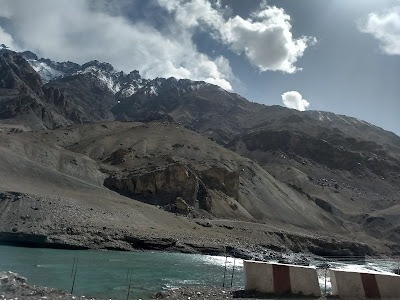
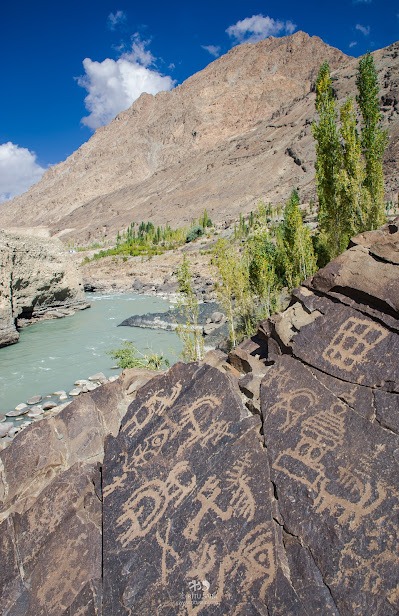
Domkhar is a remote village that holds a remarkable secret—ancient petroglyphs that date back thousands of years. Along the bank of the Indus river, it’s located in Ladakh’s Sham Valley.
These rock carvings, etched onto dark, polished boulders and cliff faces, provide a fascinating window into the prehistoric life and beliefs of the early inhabitants of the region.
What Are the Domkhar Petroglyphs?
The petroglyphs at Domkhar depict scenes of hunting, animals, human figures and abstract symbols. These carvings are believed to be from the Bronze Age, possibly as old as 2000 BCE or even earlier. They were likely created using rudimentary tools such as chisels and stone hammers.
These petroglyphs are not random doodles but narratives of early life —portraying rituals, daily activities, and mythological stories. Some also show ibexes, wild yaks, and scenes of archery, revealing what animals were prevalent and significant at the time.
Historical and Cultural Significance
The petroglyphs of Domkhar are a priceless archaeological record, offering evidence of the region’s ancient human presence long before Buddhism or written scripts reached Ladakh. Scholars believe they were made by nomadic tribes and early settlers, possibly of Indo-Iranian or Central Asian origin.
Their presence also suggests that Domkhar was once part of a trans-Himalayan trade or migration route, linking ancient civilisations across Central Asia and the Indian subcontinent.
Visiting the Site
For travellers with an interest in history, art, and culture, Domkhar is a hidden gem. The site has been made somewhat accessible with efforts by local communities and organisations. The Domkhar Rock Art Sanctuary, curated by locals, offers guided insights and protects many of these petroglyphs.
Best time to visit
The best time to visit is from May to September, when the roads are open and the weather is hospitable. Domkhar lies about 130 km west of Leh, and the drive through the Sham Valley is scenic and culturally enriching.
How to Reach Domkhar
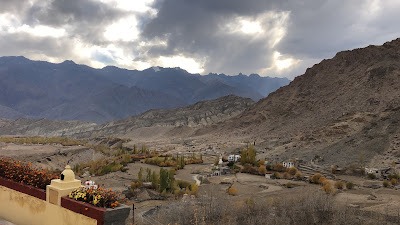
Domkhar is a scenic village located in the Sham region of western Ladakh, known for its traditional mud-brick houses, ancient monasteries, terraced fields, and peaceful rural atmosphere. Nestled in a fertile valley surrounded by rugged mountains, Domkhar offers visitors an opportunity to experience authentic Ladakhi culture away from the more crowded tourist destinations.
By Air:
The nearest airport is Kushok Bakula Rimpochee Airport in Leh, approximately 100 km away. Regular flights connect Leh with Delhi, Srinagar, Chandigarh, and other major Indian cities. From Leh, taxis can be hired to reach Domkhar.
By Road:
Domkhar lies off the Leh–Kargil Highway near the Sham Valley circuit. The village can be reached by road from Leh via Nimmu, Basgo, Khalse, and nearby villages. The journey takes around 3–4 hours, depending on road conditions.
By Bus:
Limited local buses and shared taxis operate between Leh and villages in the Sham region. Travelers may need to combine public transport with local taxis for the final stretch to Domkhar.
Best Time to Visit:
The ideal time to visit Domkhar is from May to September when the weather is pleasant, fields are green, and roads remain open.
Nearby Attractions
Domkhar Monastery
One of the village’s most important landmarks, Domkhar Monastery contains ancient murals, Buddhist scriptures, and traditional architecture that reflect Ladakh’s rich spiritual heritage.
Uleytokpo
A beautiful riverside settlement known for its scenic landscapes, trekking routes, and camping opportunities. It serves as a popular stop for travelers exploring western Ladakh.
Alchi Monastery
Located a short drive away, Alchi Monastery is famous for its 11th-century murals, intricate woodwork, and unique Indo-Tibetan artistic traditions.
Basgo Fort
The historic Basgo Fort stands atop a hill overlooking the Indus Valley and showcases the remnants of Ladakh’s former royal kingdom.
Likir Monastery
Likir Monastery is renowned for its giant gilded statue of Maitreya Buddha and panoramic views of the surrounding mountains.
Lamayuru Monastery
Often called the “Moonland of Ladakh,” Lamayuru Monastery is one of the oldest monasteries in the region and is surrounded by uniquely eroded landscapes.
Rizong Monastery
Known as the “Paradise for Meditation,” Rizong Monastery offers a peaceful spiritual environment amid dramatic mountain scenery.
Google Maps
FAQs
1. Where is Domkhar located?
Domkhar is a traditional village in the Sham Valley region of western Ladakh, situated between Leh and Kargil.
2. What is Domkhar known for?
The village is known for its ancient monastery, traditional Ladakhi houses, fertile farmlands, apricot orchards, and peaceful rural setting.
3. How far is Domkhar from Leh?
Domkhar is located approximately 100 km west of Leh and can be reached in about 3 to 4 hours by road.
4. Is Domkhar suitable for cultural tourism?
Yes. Visitors can experience authentic Ladakhi village life, local traditions, agriculture, and Buddhist heritage.
5. Are there trekking opportunities around Domkhar?
Yes. Several walking trails and village treks connect Domkhar with neighboring settlements and monasteries in the Sham region.
6. What is the best season to visit Domkhar?
The summer months from May to September are the most favorable due to pleasant weather and accessible roads.
7. Can I stay in Domkhar?
Yes. A few homestays and guesthouses are available, allowing visitors to experience traditional Ladakhi hospitality.
8. Is Domkhar crowded with tourists?
No. Compared to popular destinations like Leh and Nubra Valley, Domkhar remains relatively quiet and less explored.
9. What crops are grown in Domkhar?
The village is known for barley cultivation, vegetable farming, and apricot orchards, supported by glacial meltwater irrigation.
10. Why should travelers visit Domkhar?
Domkhar offers a unique combination of natural beauty, ancient Buddhist heritage, traditional village life, and a peaceful atmosphere that reflects the authentic character of Ladakh.