Image Source: Salil Baliyan
About Sham Valley Circuit
Sham Valley Circuit, often referred to as the “Baby Trek” of Ladakh, is nestled in the lower altitudes of Ladakh. The title “Baby” presents you with a different picture, but don’t let the title fool you; this circuit offers a rare blend of ancient monasteries, charming villages, dramatic landscapes and cultural immersion. The trek is ideal, especially for those seeking authenticity with a touch of comfort.
Geography
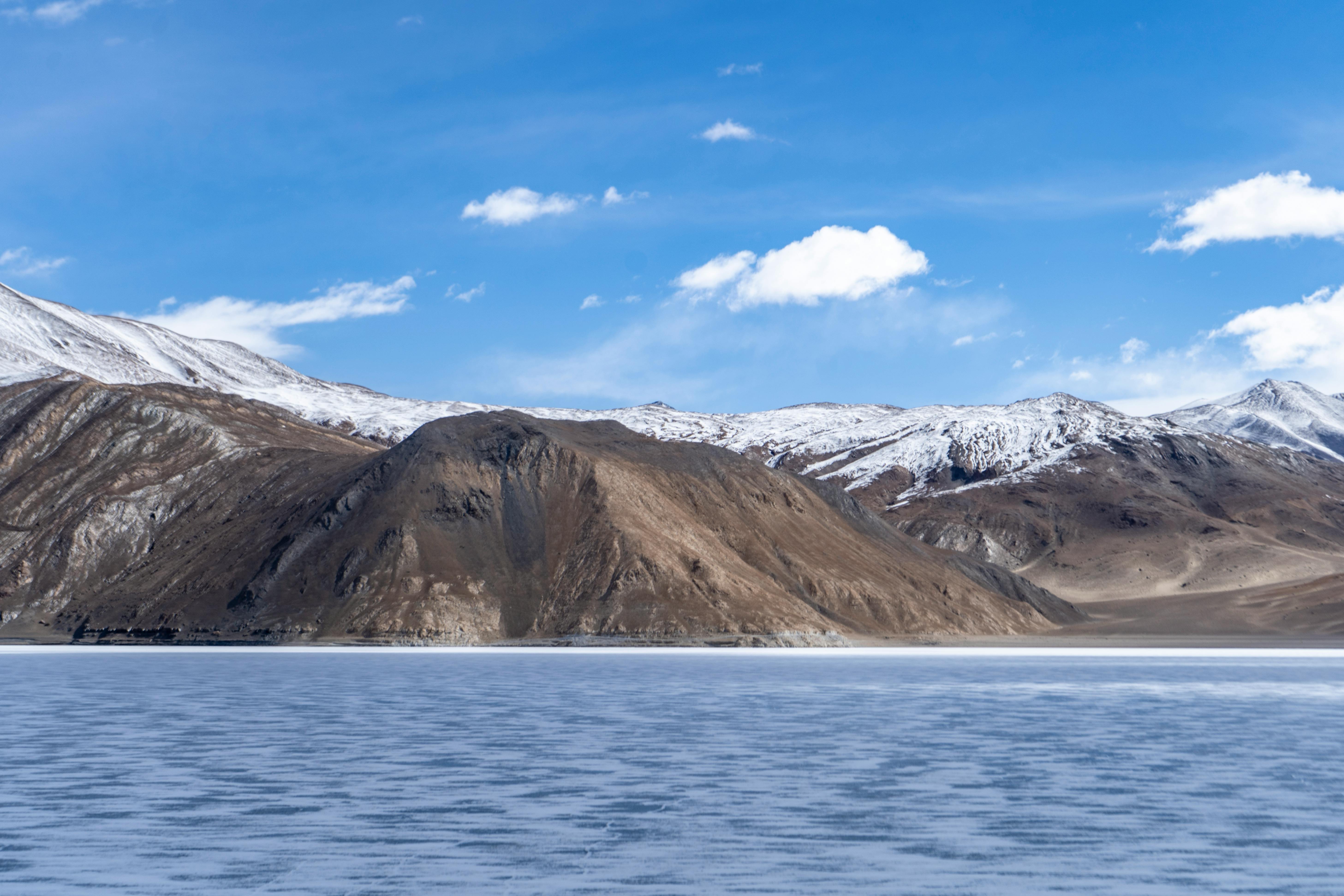
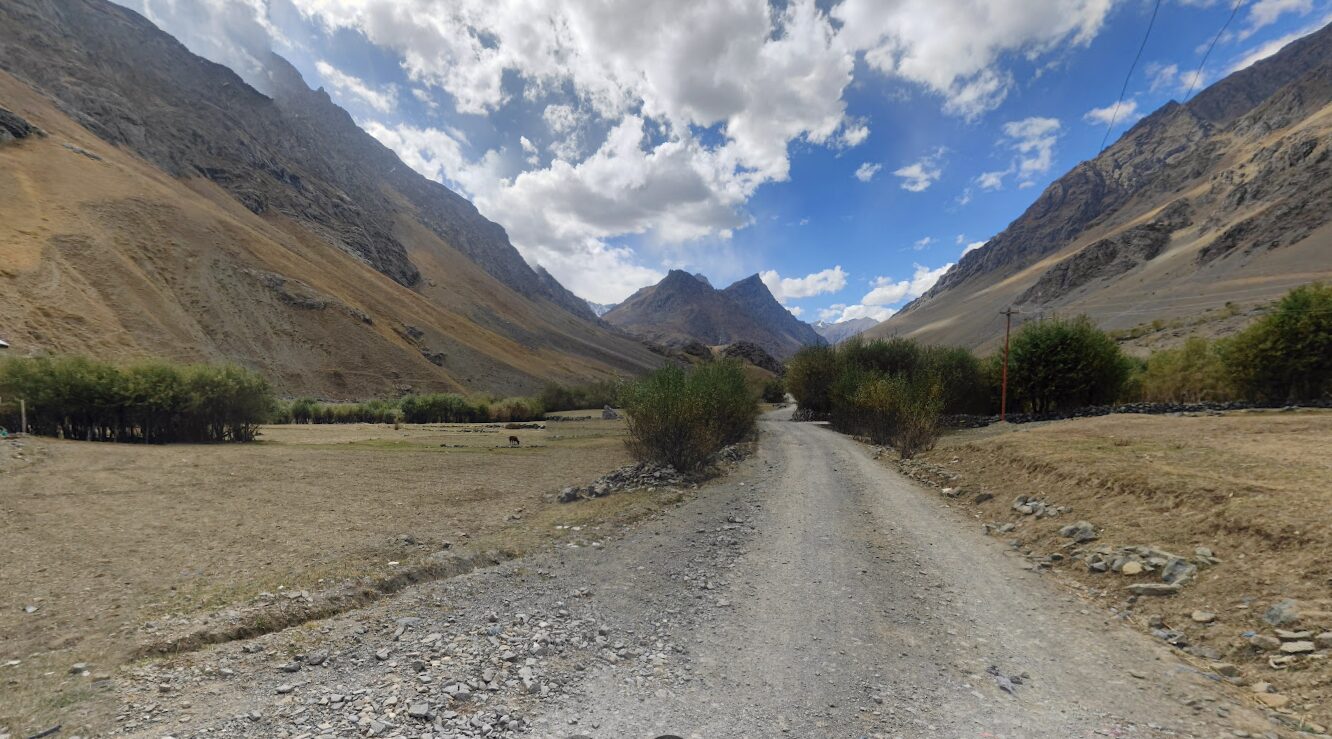
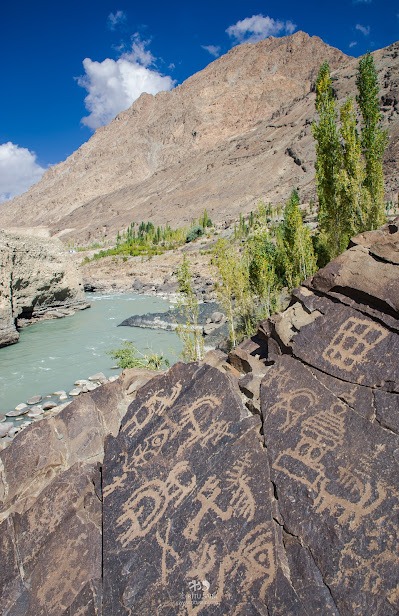
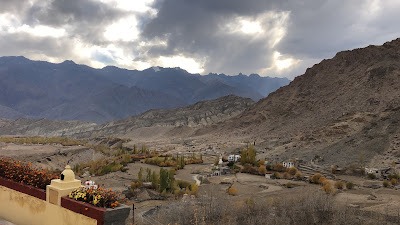
Sham Valley lies west of Leh , in the tehsils of Likir and Tingmosgang, along the route to Kargil. Unlike the higher-altitude regions of Ladakh, Sham Valley’s terrain is gentler, with elevations ranging between 3,000 and 3,800 metres. The region is dotted with barley fields, poplar-lined roads, and flowing tributaries of the Indus River. With Ladakh’s characteristic stark mountains in the backdrop, Sham Valley provides a scenic contrast of green fields and golden monasteries.
Why Travellers Love Sham Valley
* Cultural richness: Villages like Likir, Alchi, Basgo, Temisgam, Yangthang, and Hemis Shukpachan offer a sneak peek into traditional Ladakhi lifestyles.
* Less crowded: Compared to popular spots like Pangong or Nubra, Sham Valley is quieter, making it a paradise for solitude-seeking travelers.
* Monastic trail: The circuit is home to some of Ladakh’s oldest monasteries, such as Alchi Gompa (11th century) and Likir Monastery.
* Day hikes or overnight stays: Travellers can choose between homestays in villages or day trips from Leh, depending on time and comfort.
Main Highlights on the Sham Valley Circuit
# 1. Likir Monastery
Located about 52 km from Leh, this monastery belongs to the Gelugpa sect and houses a 75-foot-tall gilded Maitreya Buddha. The monastery is set on a hilltop, offering spectacular views of the valley.
# 2. Alchi Monastery
Unlike most Ladakhi monasteries perched on hills, Alchi is located on flat ground near the Indus. It’s famous for its Indo-Himalayan artwork and ancient wall paintings—a treasure for art lovers and historians.
# 3. Basgo Fort and Monastery
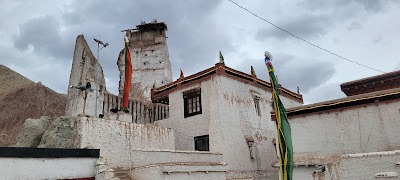
A historical gem, Basgo is known for its mud-brick fortress and three temples. Though partially in ruins, its setting against copper-colored cliffs makes it photogenic and mystical.
# 4. Hemis Shukpachan
The heart of the Sham Valley trek, this village is surrounded by pine trees (shukpa), rare in Ladakh. With traditional homes, terraced farms, and sacred sites, it offers a slow and soulful experience. Local homestays add to its appeal.
# 5. Temisgam
Once the capital of western Ladakh, Temisgam has palace ruins and a monastery with stunning views. It’s perfect for travelers interested in archaeology and quiet village walks.
Trekking or Driving the Circuit
Travellers can approach Sham Valley in two ways:
* By Road Trip: Rent a vehicle from Leh and do the circuit in 2–3 days, staying overnight in homestays.
* By Trekking: The Sham Valley Trek (Yangthang to Temisgam or vice versa) takes 3–4 days, suitable even for beginners. The trails are well-marked, and elevation gain is minimal.
Homestays & Cultural Exchange
What truly sets the Sham Valley apart is its network of homestays, supported by local communities. Staying in these homes, enjoy authentic Ladakhi meals, learn about farming traditions, and participate in daily life—an unmatched cultural exchange.
Best Time to Visit
May to September is ideal, with moderate weather and open roads. Spring brings blooming apricot trees, while summer ensures clear skies and accessible passes.
Google maps
FAQ’s
1. What is Sham Valley in Ladakh famous for?
Sham Valley is known as the “Apricot Valley of Ladakh” and is famous for its scenic landscapes, ancient monasteries, traditional villages, and unique attractions such as Magnetic Hill, Sangam, and Alchi Monastery.
2. Where is Sham Valley located?
Sham Valley lies west of Leh in the Indus River Valley region of Ladakh. It stretches through picturesque villages such as Nimmu, Saspol, Alchi, Basgo, and Likir.
3. How far is Sham Valley from Leh?
The valley begins about 25–30 km from Leh, and most attractions can be reached within a one- to two-hour drive from the city.
4. What is the best time to visit Sham Valley?
The best time to visit is from May to September when the weather is pleasant, roads are open, and the valley’s apricot orchards and landscapes are at their most vibrant.
5. Which are the must-visit attractions in Sham Valley?
Popular attractions include Alchi Monastery, Likir Monastery, Basgo Palace, Magnetic Hill, Gurudwara Pathar Sahib, Sangam (Indus-Zanskar Confluence), Rizong Monastery, and the Saspol Caves.
6. Can Sham Valley be explored in a day?
Yes, many travelers cover the major attractions of Sham Valley on a full-day sightseeing tour from Leh. However, staying overnight allows for a more relaxed experience and an opportunity to explore local villages.
7. Why is Sham Valley called the Apricot Valley?
The region is home to numerous apricot orchards, and during the summer season, the trees are laden with fruit. Apricot cultivation is an important part of the local economy and culture.
8. Is Sham Valley suitable for families and senior citizens?
Yes, Sham Valley is one of the most accessible regions in Ladakh. Most attractions are connected by good roads and require minimal trekking, making it suitable for families, children, and elderly travelers.
9. Are there accommodation options in Sham Valley?
Yes, visitors can find guesthouses, homestays, camps, and small hotels in villages such as Alchi, Likir, Uleytokpo, and Saspol, offering an authentic Ladakhi experience.
10. What should I carry while visiting Sham Valley?
Carry warm clothing, comfortable walking shoes, sunscreen, sunglasses, a hat, drinking water, personal medications, and a camera to capture the valley’s stunning landscapes and cultural landmarks.