Image Source: Pankaj Vlog
About Devi Pashakot Temple
Hidden deep within the scenic Chauhar Valley of Himachal Pradesh’s Mandi district, Devi Pashakot Temple is one of the region’s oldest and most spiritually significant shrines. Locally known as Dev Pashakot or Pashakot Devta, the deity is revered as the divine guardian of the valley and holds a special place in the hearts of the local communities. For generations, villagers have worshipped Dev Pashakot as the protector of nature, livestock, and people. The deity is especially associated with rain and fertility, which is why many devotees regard him as the “Rain God” of Chauhar Valley.
The temple is deeply connected with the pastoral lifestyle of the Himalayas. Shepherd communities, locally known as bakarwals, have traditionally worshipped Dev Pashakot as their protector during long journeys through forests and mountain pastures. Interestingly, the name “Pashakot” is believed to have originated from the word “pashu,” meaning animals, highlighting the deity’s connection with livestock and mountain life.
Location and Surroundings
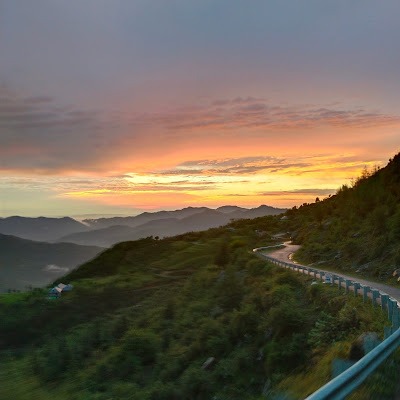
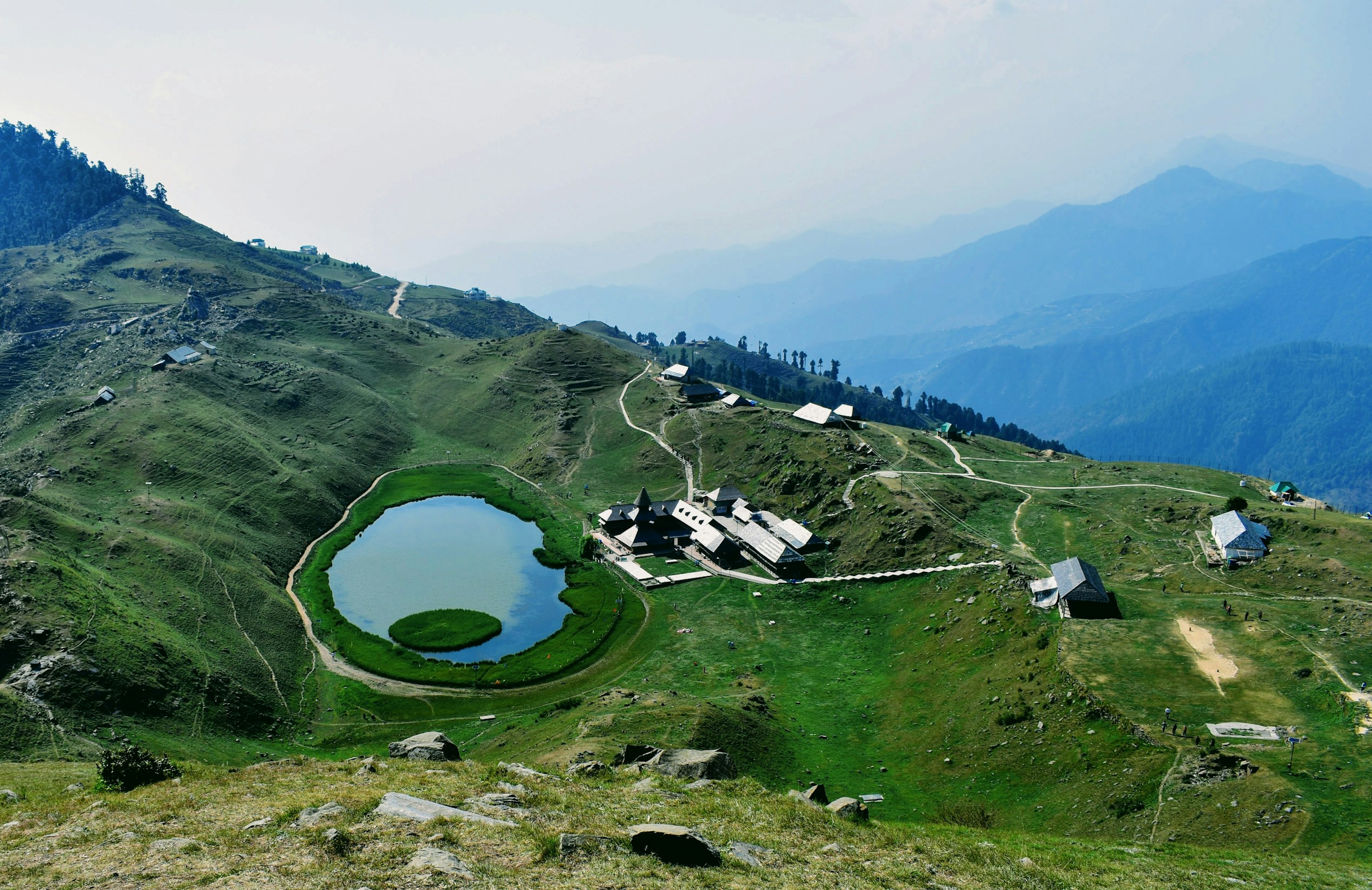
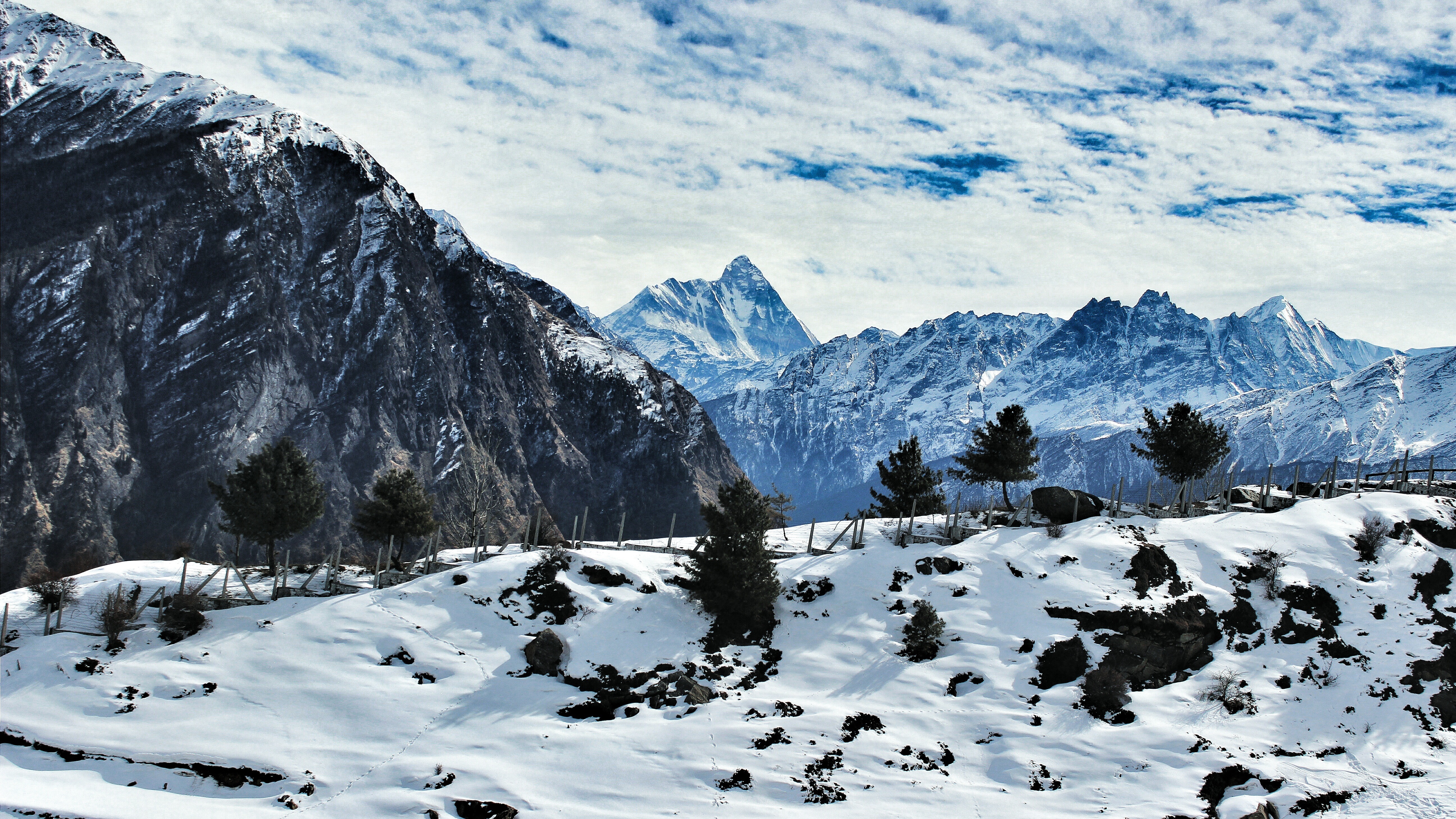
The main temple of Dev Pashakot is situated in Manthi Bajgan village under Tarswan Gram Panchayat in the beautiful Chauhar Valley. Surrounded by dense forests, mountain slopes, rivers, and peaceful Himalayan landscapes, the temple offers not only spiritual comfort but also breathtaking natural beauty. Like many ancient Himalayan shrines, the temple stands in a calm and isolated setting that reflects the spiritual traditions of the mountains.
Apart from the main shrine, several other temples dedicated to Dev Pashakot are spread across the region. Important shrines are located at Naldehrah near Tikkan village, Devta Dhank on the Jhatingri–Barot road, Silh Dehra in Barot, and Marad near Poling village in Chhota Bhangal. Among these, Marad is believed by locals to be the original seat of the deity.
A sacred water tank, locally called a Sarova, is also located near the temple complex. Devotees often consider the water holy and use it for ritual purification before offering prayers.
Traditional Himachali Architecture
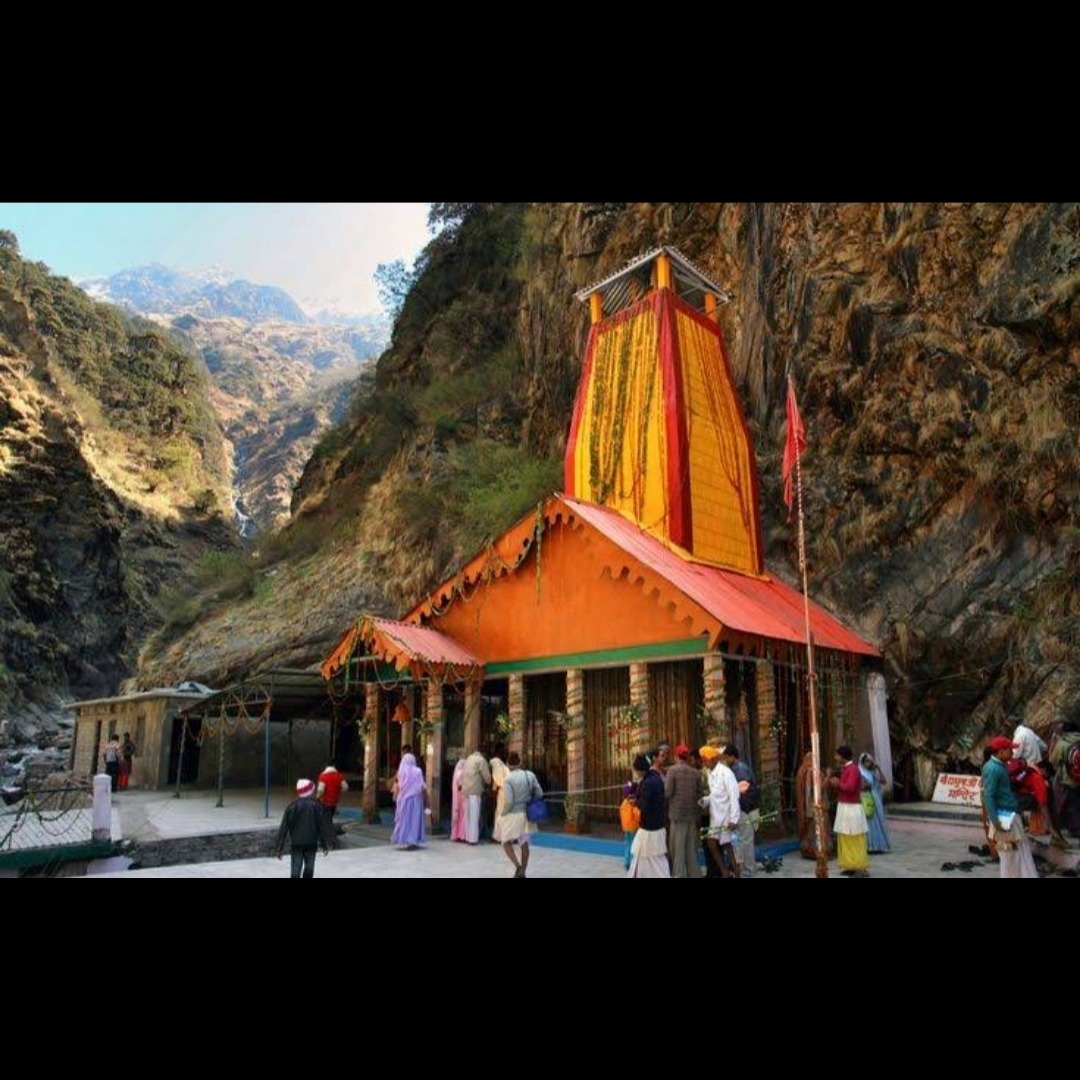
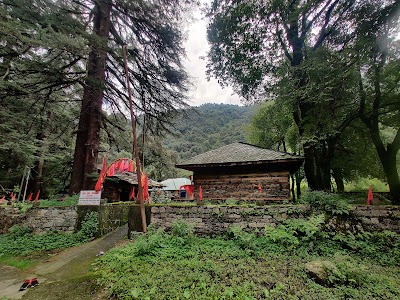
The temple beautifully reflects the traditional architectural style of Himachal Pradesh. Built using locally available wood and stone, the structure showcases the craftsmanship of Himalayan artisans. Intricate wooden carvings, sloping roofs, and sturdy stone foundations are common features of such temples in the region.
Unlike modern temple structures, the architecture here blends naturally with the surrounding landscape. The use of wood not only adds beauty but also helps the structure withstand the harsh mountain climate. The peaceful atmosphere, combined with the sound of flowing water and mountain winds, creates a deeply spiritual environment.
Religious Importance and Local Beliefs
Dev Pashakot is considered one of the most powerful local deities of Chauhar Valley. People from nearby villages visit the temple to seek blessings for prosperity, rainfall, good harvests, protection of livestock, and resolution of personal or community disputes. The deity is often referred to as the “Bazir-e-Chauhar Valley,” meaning the guardian or minister of the valley.
One of the most fascinating beliefs associated with the temple is linked to its construction. According to local folklore, the deity instructed that the temple should only be built while fasting. Workers were not allowed to eat before carrying out construction activities. Because of this strict ritual practice, the construction process reportedly took much longer than usual. Even today, this story is remembered with great respect and devotion.
The temple is also closely tied to local traditions of divine justice. Villagers believe that Dev Pashakot protects truth and punishes dishonesty, which is why many disputes in earlier times were settled in the presence of the deity.
Rituals, Festivals, and Traditions
The temple remains vibrant during traditional fairs, festivals, and Rath Yatras. During these celebrations, the sacred chariot of the deity is carried in grand processions accompanied by drums, folk music, and local dances. Such events are not merely religious gatherings but also important cultural occasions that bring together communities from different villages.
The temple complex also houses the deity’s ceremonial chariot and a Bhandar Ghar, or sacred storehouse, where ritual objects and festival items are preserved.
Certain customs followed at some Pashakot temples may appear unusual to outsiders. In a few shrines, women are traditionally not allowed to enter specific sacred areas because Dev Pashakot is believed to be a celibate deity. Additionally, animal sacrifice is still practiced on certain ceremonial occasions in some temples, reflecting ancient Himalayan traditions that continue in remote regions of Himachal Pradesh.
Trekking and How to Reach
Reaching Devi Pashakot Temple is an experience in itself. The temple can be accessed from Barot or Tikkan, both of which are known for their scenic beauty and mountain landscapes. From Tikkan, visitors can either use the road route or follow a traditional walking trail that involves crossing a river and climbing uphill through forested terrain.
The final stretch to the temple usually requires a short trek of around 15 to 30 minutes, depending on the route taken. The path offers beautiful views of the valley, streams, and surrounding mountains, making the journey spiritually and visually rewarding.
Travelers visiting the temple often combine the trip with exploration of nearby destinations in the Chauhar Valley and Barot region, which are famous for trekking, trout fishing, and peaceful Himalayan scenery.
Nearby Attractions of Devi Pashakot Temple
Located in the scenic Chauhar Valley of Himachal Pradesh, Devi Pashakot Temple is surrounded by forests, rivers, traditional villages, and beautiful mountain landscapes. The area offers a blend of spirituality, nature, and adventure, making it an ideal destination for travelers exploring the lesser-known parts of Himachal Pradesh.
1. Barot Valley
One of the most beautiful valleys in the Mandi district, Barot is known for its lush deodar forests, trout fishing opportunities, and serene riverside scenery. The valley is a popular destination for nature lovers and trekkers seeking a peaceful Himalayan experience.
2. Nargu Wildlife Sanctuary
Situated near Barot, this wildlife sanctuary is home to Himalayan black bears, barking deer, goral, monal pheasants, and numerous bird species. Dense forests and trekking trails make it a paradise for wildlife enthusiasts.
3. Shanan Hydel Project
Built during the British era, the Shanan Power House is one of India’s oldest hydroelectric projects. Visitors can admire its engineering heritage and the picturesque surroundings of the Uhl River.
4. Lohardi Village
A charming traditional Himalayan village surrounded by terraced fields and forests. It offers a glimpse into the local culture, architecture, and lifestyle of the Chauhar Valley.
5. Tikkan Village
Tikkan serves as a gateway to several trekking routes and is known for its scenic landscapes and traditional Himachali atmosphere. The village is also one of the access points for reaching Devi Pashakot Temple.
6. Uhl River
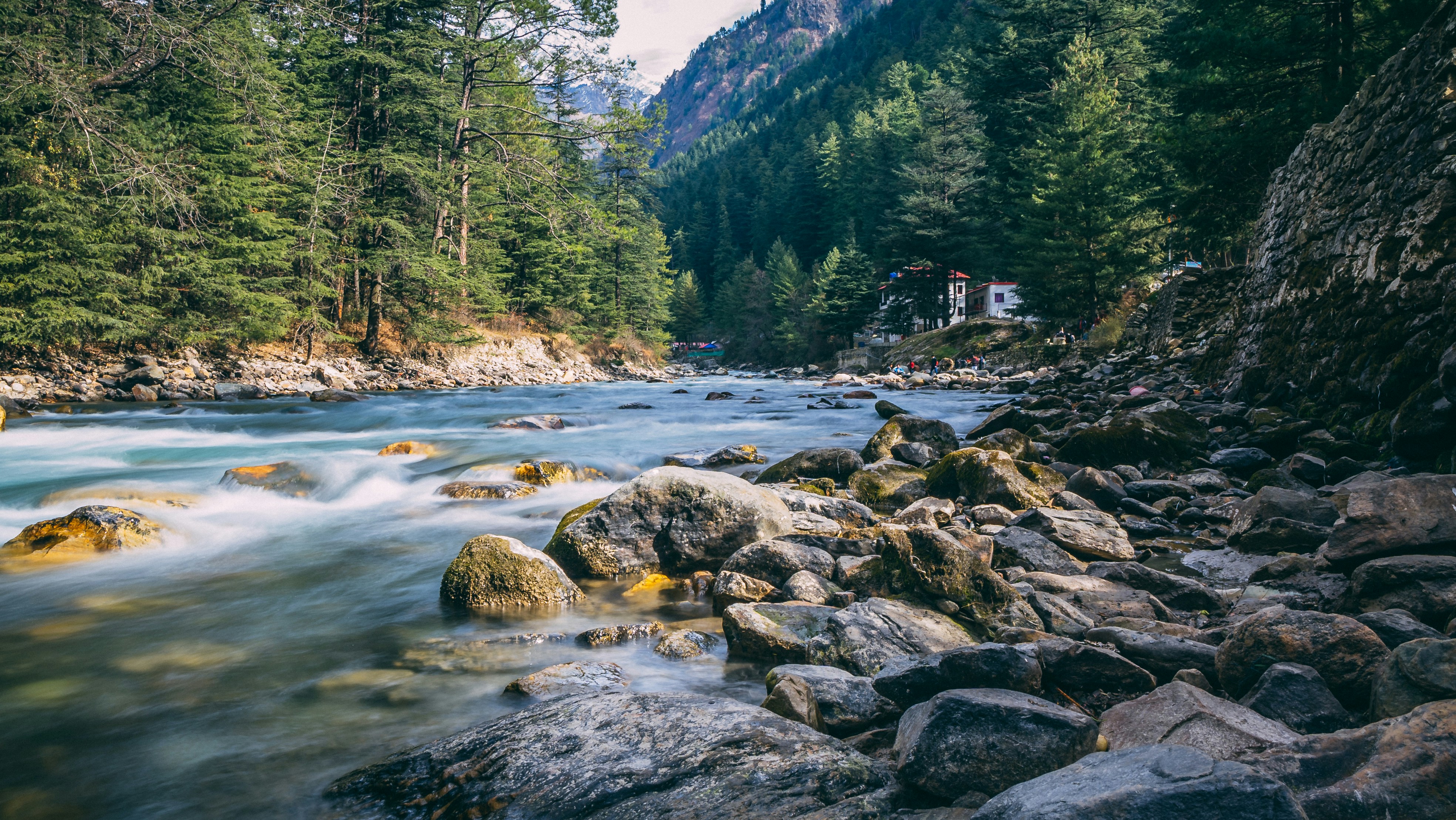
Flowing through the valley, the Uhl River provides beautiful picnic spots, photography opportunities, and peaceful riverside walks. The crystal-clear waters and surrounding forests create a relaxing environment.
7. Rajgundha Valley
An offbeat destination near Barot, Rajgundha Valley is famous for its rolling meadows, pine forests, and breathtaking mountain views. It is a favorite among trekkers and campers.
8. Billing
Located a few hours away, Billing is internationally renowned for paragliding and offers spectacular views of the Dhauladhar Range. Adventure enthusiasts often combine a visit to Billing with a trip to Barot and Chauhar Valley.
9. Winch Camp
Accessible via a scenic trek from Barot, Winch Camp offers panoramic views of the surrounding mountains and valleys. It is a popular spot for camping and nature walks.
10. Silh Dehra Temple
Another important shrine dedicated to Pashakot Devta, this temple is located near Barot and holds significant religious importance for the local communities.
Best Time to Visit
The ideal time to visit Devi Pashakot Temple is from March to June and September to November. During these months, the weather remains pleasant and the mountain roads are more accessible. Monsoon season brings lush greenery to the valley, but heavy rains can make trekking routes slippery and difficult.
Winter visits can also be magical, especially when the surrounding mountains receive snowfall, although travel conditions may become challenging in colder months.
Cultural Importance of the Temple
More than just a religious site, Devi Pashakot Temple represents the living cultural heritage of the Chauhar Valley. It reflects the ancient system of local deities that continues to shape social and spiritual life in many Himalayan villages. The traditions, folklore, music, rituals, and architecture associated with the temple offer a glimpse into the deeply rooted beliefs of Himachal’s mountain communities.
For travelers seeking peace, spirituality, culture, and authentic Himalayan experiences away from crowded tourist destinations, Devi Pashakot Temple remains a hidden gem of the region.
Google Maps
FAQs
Where is Devi Pashakot Temple located?
The temple is located in Manthi Bajgan village in the Chauhar Valley of Mandi district, Himachal Pradesh.
Why is Dev Pashakot worshipped?
Dev Pashakot is worshipped as the guardian deity of Chauhar Valley, the protector of livestock, and the God of Rain.
What is special about the temple?
The temple is known for its ancient traditions, peaceful Himalayan setting, traditional Himachali architecture, and strong connection with local folklore and shepherd communities.
Is trekking required to reach the temple?
Yes, visitors usually need to walk or trek for about 15–30 minutes after reaching the nearby road point.
What is the best time to visit the temple?
The best months to visit are March to June and September to November when the weather is pleasant and routes are accessible.
Are there any unique rituals associated with the temple?
Yes, traditional Rath Yatras, local fairs, ceremonial processions, and ancient customs linked to the deity are important parts of temple traditions.
Is photography allowed at the temple?
Photography rules may vary during rituals and festivals. Visitors should respect local customs and seek permission when necessary.
Can tourists visit the temple?
Yes, tourists and pilgrims can visit the temple, especially those interested in spirituality, local culture, trekking, and Himalayan heritage.