Image Source: TG GAMING OFFICIAL
Chauhar Valley is one of Himachal Pradesh’s lesser-known yet incredibly beautiful Himalayan valleys. Hidden away in the scenic mountains of the Mandi district, the valley offers travelers a peaceful escape filled with untouched landscapes, traditional mountain villages, rich culture, and adventure opportunities. Unlike crowded tourist destinations such as Manali, Shimla, or Kullu, Chauhar Valley still retains its raw charm and authentic Himalayan character.
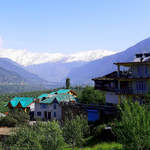
Surrounded by cedar forests, terraced fields, snow-fed rivers, and remote settlements, the valley feels like a hidden world untouched by mass tourism. It is an ideal destination for travelers who enjoy offbeat experiences, village life, trekking, and nature.
Geography and Natural Beauty
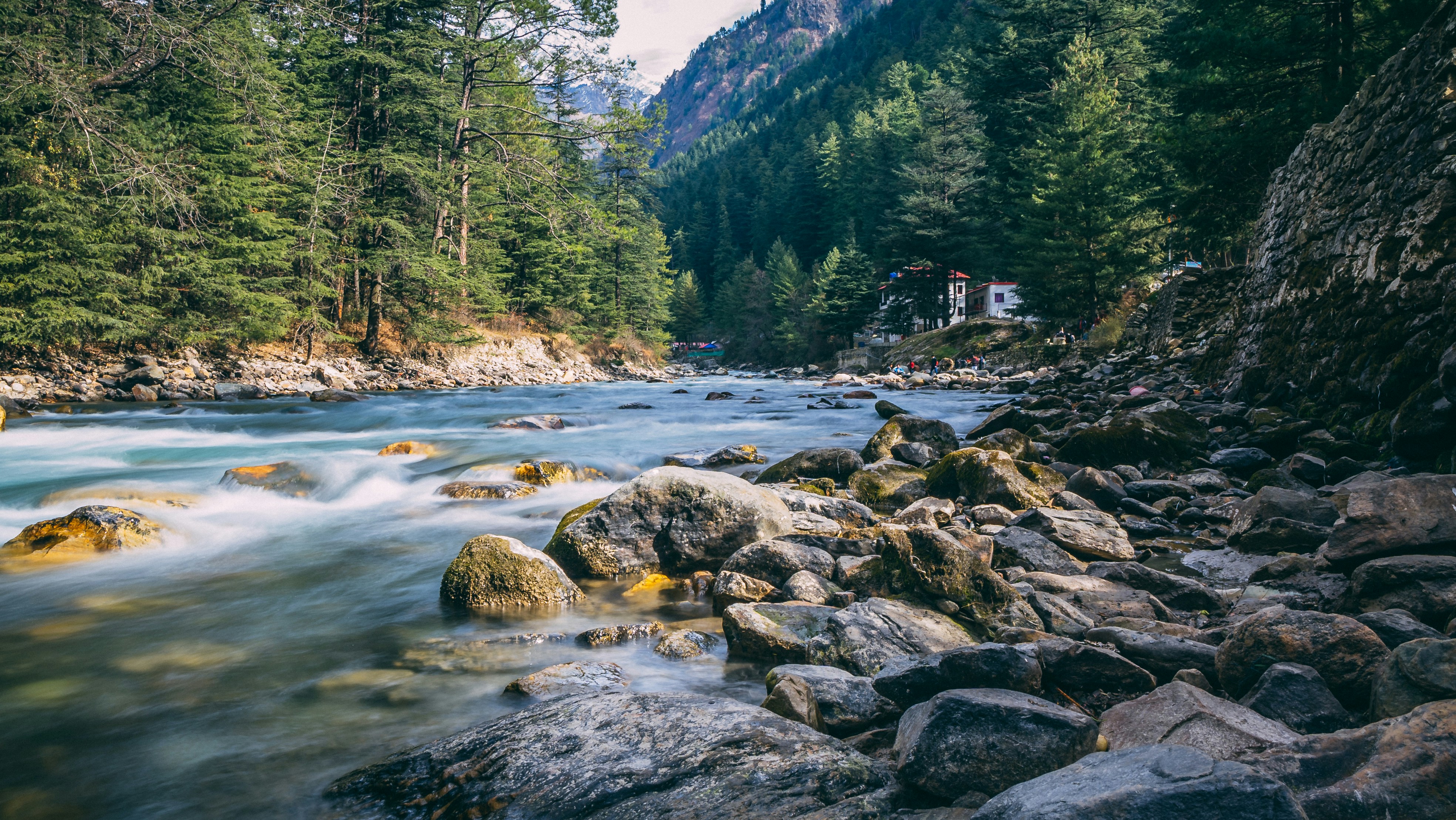
Nestled between the mid-hill region and the higher Himalayan ranges, Chauhar Valley lies in the northwestern part of Mandi district. The valley is nourished by tributaries of the Uhl River, which eventually joins the larger Beas River system. Crystal-clear streams, alpine meadows, and dense forests define the valley’s breathtaking landscape.
The valley is dotted with picturesque villages, many of which are surrounded by terraced farms and traditional wooden houses. Thick forests of deodar, pine, and oak create a tranquil atmosphere, while snow-covered peaks rise dramatically in the background.
The main gateway to Chauhar Valley is Joginder Nagar, a town famous for the historic hydroelectric project built using waters of the Uhl River. From Joginder Nagar, the road gradually winds through scenic mountains toward Barot and further into remote Himalayan settlements like Lohardi and Bada Gran.
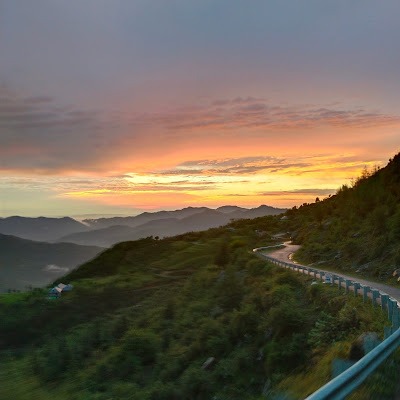
The journey itself is part of the experience, offering breathtaking views of valleys, rivers, forests, and traditional Himachali villages.
Historical and Cultural Significance
Chauhar Valley forms part of the historic Chuhar region, which once consisted of small local chiefdoms before becoming integrated into the former princely state of Mandi. Even today, the valley preserves many ancient traditions and cultural practices that have been passed down for generations.
The local culture revolves strongly around village deities, known as “deotas.” These deities are deeply respected and continue to influence community life, social gatherings, festivals, and traditional decision-making systems.
One of the most revered deities in the region is Bada Dev, also known as Dev Pashakot. Temples dedicated to local gods can be found in many villages, reflecting the valley’s strong spiritual heritage.
The people of Chauhar Valley mainly depend on agriculture, cattle rearing, and horticulture for their livelihood. Traditional crafts like weaving are also practiced in some villages, adding to the cultural richness of the region.
Fairs and Festivals of Chauhar Valley
Festivals in Chauhar Valley are colorful, vibrant, and deeply rooted in local traditions. One of the major celebrations is the Chauhar Mela, where village deities are carried in beautifully decorated palanquins accompanied by traditional Himachali music, drums, and folk dances.
These fairs are not only religious events but also social gatherings where people from nearby villages come together to celebrate their shared heritage. Visitors during festival season get a rare opportunity to witness authentic Himachali culture, traditional attire, folk performances, and local cuisine.
Why Chauhar Valley is Special for Travelers
Offbeat Himalayan Escape
One of the biggest attractions of Chauhar Valley is its peaceful atmosphere. Unlike heavily commercialized hill stations, the valley remains quiet and uncrowded. Travelers can enjoy nature without traffic, large crowds, or excessive tourism.
Villages like Barot, Lohardi, and Bada Gran offer serene surroundings where the sound of flowing rivers and rustling forests replaces the noise of urban life.
Barot – The Trout Fishing Paradise
Barot is one of the most popular destinations in Chauhar Valley and serves as the valley’s gateway. This scenic riverside village is famous for trout fishing and its historical connection to the Uhl hydroelectric project.
Trout fish were introduced here during the British era in the early 20th century, and today the region remains one of Himachal Pradesh’s best trout-fishing destinations. The Himachal Pradesh Fisheries Department operates trout farms in the area, attracting anglers and tourists from different parts of India.
Barot is also known for its riverside camping spots, pine forests, and peaceful walking trails.
Trekking and Adventure Opportunities
Chauhar Valley is a paradise for trekkers and adventure lovers. The valley serves as a starting point for several beautiful trekking routes that pass through forests, meadows, rivers, and high mountain passes.
Popular Treks in the Region
- Barot to Bada Bhangal Trek – A challenging and scenic trek connecting the Kangra and Kullu regions.
- Thamsar Pass Trek – A high-altitude trail popular among experienced trekkers.
- Short Nature Trails – Forest walks around Barot and Lohardi lead to hidden waterfalls, alpine grasslands, and panoramic viewpoints.
These trekking routes provide incredible opportunities to experience untouched Himalayan landscapes and remote mountain life.
Experience Authentic Himachali Village Life
One of the most memorable aspects of visiting Chauhar Valley is experiencing the traditional lifestyle of the local people. Homestays in villages like Barot and Lohardi allow visitors to stay in traditional wooden homes and enjoy authentic Pahari hospitality.
Travelers can savor local Himachali dishes, observe farming activities, and learn about mountain traditions and customs. The warmth and simplicity of village life make the experience truly special.
Wildlife and Biodiversity
The valley is rich in Himalayan flora and fauna. Nearby Nargu Wildlife Sanctuary protects several species of wildlife, including Himalayan black bears, musk deer, monals, leopards, and various bird species.
The forests surrounding Chauhar Valley are excellent for birdwatching, wildlife photography, and nature walks. During spring and summer, wildflowers bloom across the meadows, making the landscape even more beautiful.
Best Time to Visit Chauhar Valley
The best time to visit Chauhar Valley is from March to June and September to November.
- Spring and Summer: Pleasant weather, green landscapes, and ideal trekking conditions.
- Autumn: Clear mountain views and cool temperatures.
- Winter: Higher regions like Lohardi and Bada Gran receive snowfall, creating stunning winter scenery. However, road access may become difficult during heavy snow.
Monsoon months bring lush greenery but occasional landslides can affect travel plans.
How to Reach Chauhar Valley
By Road
Chauhar Valley is well connected by road from Mandi, Palampur, and Joginder Nagar. Regular buses and taxis operate toward Barot and nearby villages.
By Train
Kangra Valley Railway connects Pathankot to Joginder Nagar through a scenic narrow-gauge railway route. Joginder Nagar serves as the nearest railway station for the valley.
By Air
The nearest airports are:
- Kangra Airport (Gaggal).
- Bhuntar Airport near Kullu.
From there, travelers can continue by road.
Google Maps
FAQs
1. Where is Chauhar Valley located?
Chauhar Valley is located in the Mandi district of Himachal Pradesh, India.
2. Why is Chauhar Valley famous?
The valley is known for its untouched natural beauty, traditional Himachali culture, trekking routes, trout fishing, and peaceful villages.
3. Which is the main gateway to Chauhar Valley?
Joginder Nagar is considered the main entry point to Chauhar Valley.
4. What is Barot famous for?
Barot is famous for trout fishing, riverside camping, scenic beauty, and the historic Uhl hydroelectric project.
5. Is Chauhar Valley good for trekking?
Yes, the valley offers several trekking routes including the Barot–Bada Bhangal Trek and Thamsar Pass Trek.
6. What is the best time to visit Chauhar Valley?
The best months to visit are March to June and September to November.
7. Does Chauhar Valley receive snowfall?
Yes, higher areas like Lohardi and Bada Gran receive snowfall during winter.
8. Are homestays available in the valley?
Yes, homestays are available in villages like Barot and Lohardi, offering authentic local experiences.
9. Is Chauhar Valley suitable for family trips?
Yes, the valley is ideal for families, nature lovers, photographers, and adventure travelers looking for peaceful destinations.
10. Which wildlife sanctuary is located near Chauhar Valley?
The nearby Nargu Wildlife Sanctuary is known for Himalayan wildlife and bird species.