Image Source: Malik Masoom
About Vishansar Lake
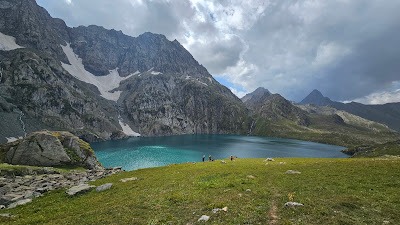
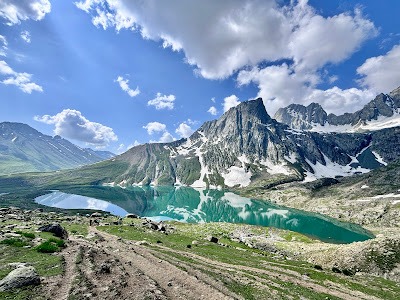
Vishansar Lake is a breathtaking high-altitude lake tucked away in the Ganderbal district of Jammu and Kashmir. Sitting at an elevation of around 3,710 meters (12,172 feet), this pristine alpine lake is known for its crystal-clear waters, dramatic mountain backdrop, and peaceful atmosphere.
Often visited by trekkers on the famous Kashmir Great Lakes Trek, Vishansar is a perfect blend of raw natural beauty and quiet spiritual charm. While it’s not as widely known as some other Himalayan lakes, that’s exactly what makes it feel so untouched and special.
Geography & Natural Setting
Located near Sonamarg, Vishansar Lake is a glacial-fed alpine lake that gets its water from melting snow and surrounding glaciers. In summer, the lake shimmers in shades of deep blue and turquoise, changing color with the sunlight.
- Altitude: ~3,710 meters.
- Length: Around 1 km.
- Type: Glacial alpine lake.
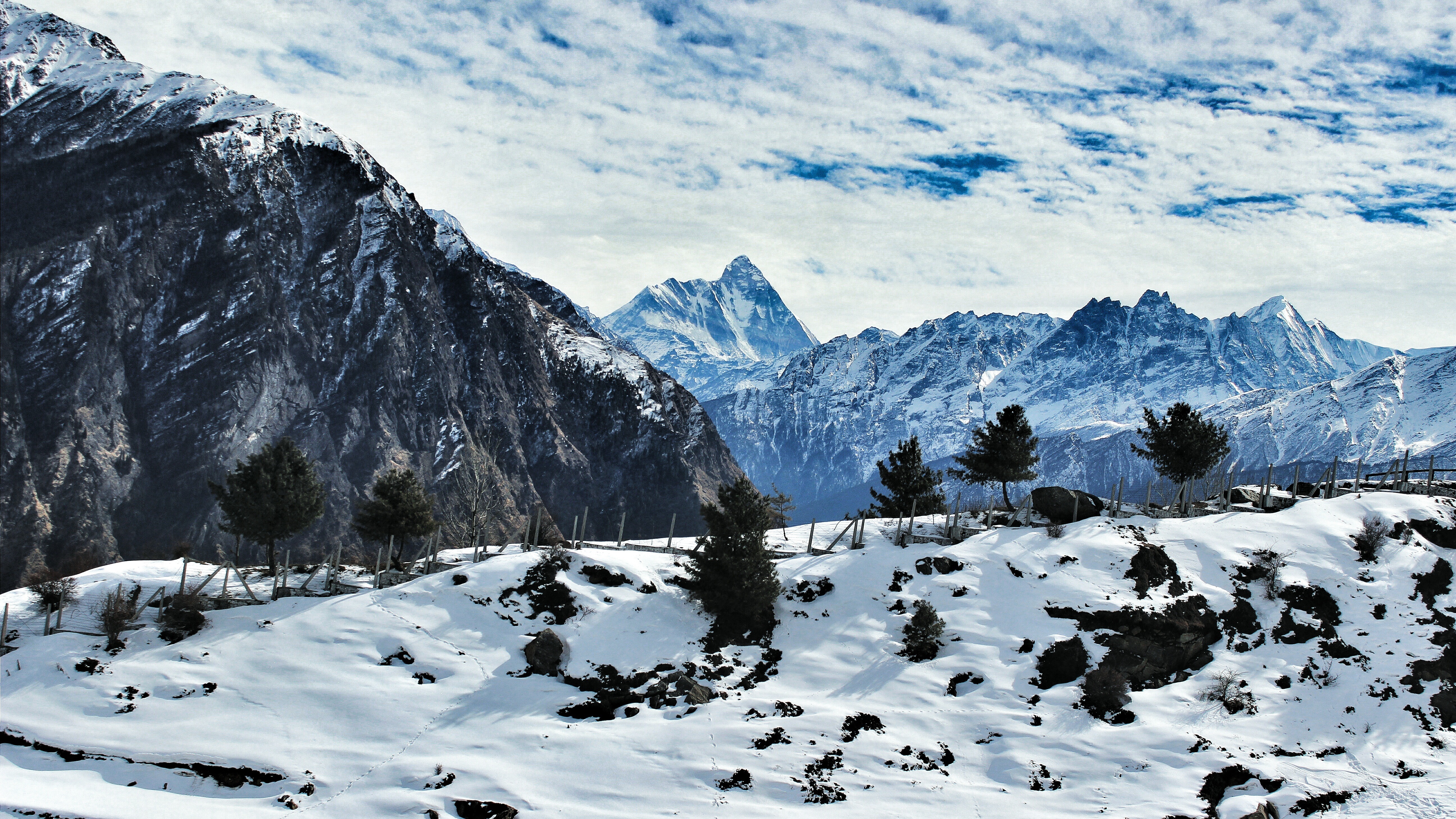
During winter, the lake freezes completely and remains cut off from access due to heavy snowfall.
One of the most fascinating aspects of Vishansar is its connection to Kishansar Lake, located just about a kilometer uphill. Together, these twin lakes create a stunning landscape in the Baltal Valley region.
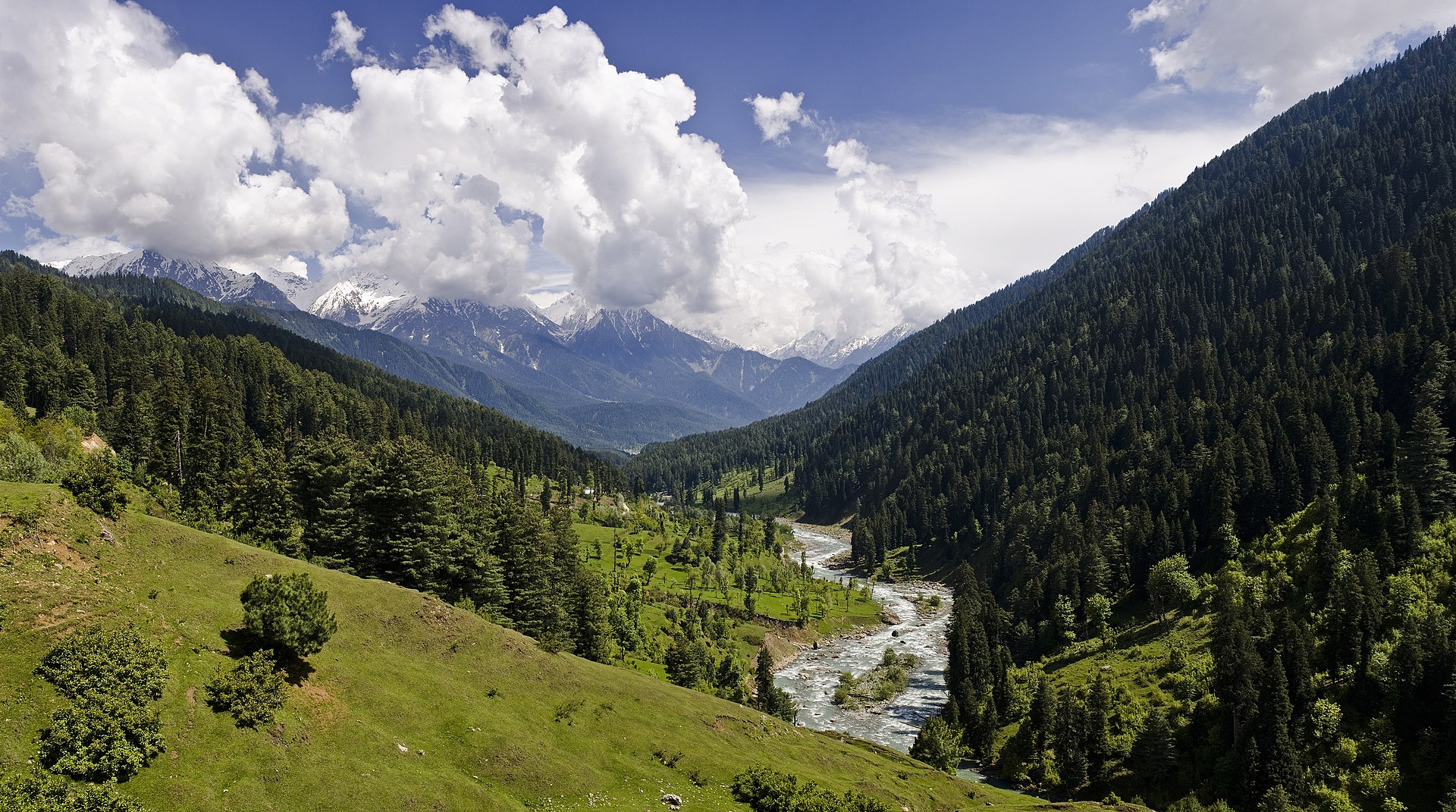
The surrounding meadows burst into color during summer, dotted with alpine flowers. You’ll also find Bakarwal shepherds grazing their flocks here, adding a touch of local life to the otherwise remote setting.
Trekking Experience
Reaching Vishansar Lake is not just a journey—it’s an adventure. The lake is a key highlight of the Kashmir Great Lakes Trek, one of the most scenic treks in India.
The trail takes you through:
- Dense pine forests.
- Rolling meadows (like the famous tabletop grasslands).
- Rocky ridges and high mountain passes.
- Glacier-fed streams and valleys.
Typical Trek Route
- Day 1: Shitkadi (near Sonamarg) to Nichnai – a gradual climb through forests and open meadows.
- Day 2: Cross Nichnai Pass (~4,100 m) and descend into a wide valley where Vishansar Lake appears.
- Day 3: Explore Kishansar Lake or continue further along the trek.
The total trekking distance to Vishansar is around 22 km, and the experience is as rewarding as the destination itself.
Mythology & Cultural Significance
The name “Vishansar” is believed to be derived from “Vishnu Sar,” meaning “Lake of Vishnu.” In Hindu belief, Vishnu is the preserver of the universe, and the lake is seen as a symbol of calmness and balance.
While it may not be as prominent a pilgrimage site as some other Himalayan lakes, locals still consider its waters sacred. There are also folk beliefs linking Vishansar and Kishansar to Vishnu and Krishna, representing harmony between divine forces.
Best Time to Visit
The best time to visit Vishansar Lake is from late June to early September.
- June–July: Snow begins to melt; patches may still remain on higher passes.
- July–August: Peak season with lush green meadows and clear lake views.
- September: Fewer crowds and beautiful golden hues as autumn sets in.
During winter months, the region is inaccessible due to heavy snowfall.
How to Reach Vishansar Lake
By Road
Start from Srinagar and drive to Sonamarg (about 80 km, 2.5–3 hours). From there, head to Shitkadi village, the base point of the trek.
By Trek
- Starting Point: Shitkadi (near Sonamarg).
- Distance: ~22 km.
- Duration: 2–3 days.
The trek requires moderate fitness and some acclimatization due to high altitude.
Nearby Attractions to Vishansar Lake
Nestled at an altitude of approximately 3,700 meters in the Ganderbal district of Jammu and Kashmir, Vishansar Lake is one of the most beautiful alpine lakes in the Himalayas. The name “Vishansar” translates to the “Lake of Vishnu,” and the lake is revered by local communities for its religious significance and natural beauty. Surrounded by lush meadows, snow-covered peaks, and colorful wildflowers during summer, Vishansar Lake forms an important part of the famous Kashmir Great Lakes Trek.
Fed by glacial meltwater, the lake is known for its crystal-clear blue waters and excellent trout population. The surrounding landscape offers some of the most spectacular high-altitude scenery in Kashmir.
Krishansar Lake
Located just beyond a mountain ridge, Krishansar Lake is the twin lake of Vishansar. Famous for its emerald-blue waters and surrounding meadows, it is one of the highlights of the Kashmir Great Lakes Trek.
Gadsar Lake
Often called the “Lake of Flowers,” Gadsar Lake is renowned for its pristine waters, colorful alpine flowers, and breathtaking mountain setting.
Satsar Lakes
The beautiful group of seven interconnected alpine lakes known as Satsar Lakes is one of the most scenic sections of the Kashmir Great Lakes Trek.
Gangbal Lake
Located at the foothills of Harmukh Mountain, Gangbal Lake is one of Kashmir’s most sacred and picturesque high-altitude lakes. It is often regarded as the “Ganges of Kashmir.”
Nundkol Lake
Situated near Gangbal Lake, Nundkol Lake offers spectacular reflections of Harmukh Mountain and is among the most photographed alpine lakes in the region.
Harmukh Mountain
Towering above Gangbal and Nundkol Lakes, Harmukh Mountain is one of the most prominent peaks in Kashmir and holds great religious significance.
Nichnai Pass
Nichnai Pass is a scenic mountain pass on the Kashmir Great Lakes Trek, offering panoramic views of alpine meadows, snowfields, and distant peaks.
Sonamarg
Known as the “Meadow of Gold,” Sonamarg serves as the gateway to many trekking routes in the region, including the Kashmir Great Lakes Trek.
Thajiwas Glacier
Located near Sonamarg, Thajiwas Glacier is famous for its snowfields, glacial streams, and stunning mountain landscapes.
Naranag
Naranag is a picturesque village that serves as one of the primary entry and exit points for the Kashmir Great Lakes Trek.
Naranag Temple Complex
The ancient Naranag Temple Complex dates back to the 8th century and is one of the most important archaeological sites in Kashmir.
Baltal Valley
Baltal Valley is famous for its dramatic landscapes and its role as a major base camp for the annual Amarnath Yatra.
Zoji La
One of the most famous mountain passes in the Himalayas, Zoji La connects Kashmir Valley with Ladakh and offers breathtaking views of rugged mountains and deep valleys.
Kashmir Great Lakes Trek
Kashmir Great Lakes Trek is considered one of India’s finest trekking routes, passing through Vishansar, Krishansar, Gadsar, Satsar, Gangbal, and several other spectacular alpine lakes.
Nilagrad River
Located near Sonamarg, Nilagrad River is known for its reddish-colored waters and beautiful natural surroundings.
Travel Tips
- Acclimatize properly before starting the trek.
- Carry warm clothing—even summers can be chilly.
- Hire a local guide if you’re unfamiliar with the route.
- Pack essentials like water, energy snacks, and a first-aid kit.
- Respect the environment—avoid littering.
Google Maps
FAQs
1. Where is Vishansar Lake located?
It is located in the Ganderbal district of Jammu and Kashmir, near Sonamarg.
2. How high is Vishansar Lake?
The lake is situated at an altitude of around 3,710 meters (12,172 feet).
3. Is Vishansar Lake accessible by road?
No, it requires a 2–3 day trek from Sonamarg to reach the lake.
4. What is the best time to visit?
Late June to early September is the best time when the lake is accessible and snow-free.
5. Why is Vishansar Lake famous?
It is known for its stunning alpine beauty and as a key highlight of the Kashmir Great Lakes Trek.
6. Is it safe for beginners?
Yes, beginners can attempt it with proper preparation, fitness, and preferably a guide.