Image Source: http://forests.ap.gov.in/
About Sri Lankamalleswara Wildlife Sanctuary
Nestled in the rugged landscapes of the Eastern Ghats, Sri Lankamalleswara Wildlife Sanctuary is one of Andhra Pradesh’s most ecologically significant protected areas. Spread across nearly 464 square kilometers in the Kadapa district, this sanctuary is known not only for its dramatic terrain and rich biodiversity but also for its global conservation importance. It is the only known habitat in the world of the critically endangered Jerdon’s courser, a mysterious nocturnal bird once believed to be extinct.
The sanctuary lies amidst dry deciduous forests, rocky hills, deep valleys, and scrub-covered slopes that create an ideal refuge for several rare species of flora and fauna. Declared a wildlife sanctuary to protect this fragile ecosystem, the area today stands as an important reminder of India’s diverse natural heritage and the urgent need for wildlife conservation.
History and Conservation Importance
The story of the sanctuary is closely linked to the rediscovery of the elusive Jerdon’s courser. This rare bird was first identified in 1848 by British surgeon and naturalist Thomas C. Jerdon. For decades afterward, the species disappeared from scientific records and was widely considered extinct.
In a remarkable turn of events, the bird was rediscovered in 1986 within the scrub forests of the present sanctuary area. This discovery drew international attention from conservationists and wildlife researchers. Recognizing the ecological significance of the region, the government declared the area a protected wildlife sanctuary to ensure the survival of the species and preserve its unique habitat.
Today, the sanctuary is regarded as one of India’s most important conservation zones. Since the Jerdon’s courser survives only in this region, protecting the sanctuary is essential for preventing the complete extinction of the species. The sanctuary also plays a crucial role in preserving the fragile ecosystems of the Eastern Ghats, which are home to many endemic plants and animals.
Landscape and Geography
The terrain of the sanctuary is rugged and picturesque, featuring rolling hills, rocky escarpments, narrow valleys, and deep gorges. The area forms part of the Eastern Ghats mountain system and experiences a dry tropical climate for most of the year.
Unlike lush evergreen forests, the sanctuary is dominated by dry scrub vegetation and thorny deciduous forests. While the landscape may appear harsh at first glance, these conditions are exactly what make it suitable for species like the Jerdon’s courser, which thrives in sparse scrub forests with minimal human disturbance.
Seasonal streams and rocky plateaus further add to the sanctuary’s ecological diversity. During the monsoon months, the otherwise dry landscape becomes greener and more vibrant, attracting a variety of birds, reptiles, and mammals.
Flora of the Sanctuary
Sri Lankamalleswara Wildlife Sanctuary supports an impressive variety of plant life. Nearly 1,400 plant species belonging to around 176 families have been recorded in the region, making it botanically rich despite its dry climate.
The dominant vegetation type is dry deciduous mixed thorn forest, interspersed with grasslands and scrub patches. Acacia, neem, bamboo, and thorny shrubs are commonly found across the sanctuary.
One of the most notable trees growing here is the famous Red Sanders tree (Pterocarpus santalinus), an endemic species native to parts of Andhra Pradesh. Known for its deep red wood and high economic value, Red Sanders is highly protected because of illegal smuggling and overexploitation. Its presence adds immense ecological and economic significance to the sanctuary.
Medicinal plants and several drought-resistant species also thrive here, supporting both wildlife and local ecological balance.
Wildlife and Biodiversity
The sanctuary is best known as the last surviving refuge of the critically endangered Jerdon’s courser. This rare nocturnal bird is extremely difficult to spot because of its secretive behavior and preference for dense scrub habitats. Wildlife researchers from around the world continue to study and monitor the species in hopes of ensuring its long-term survival.
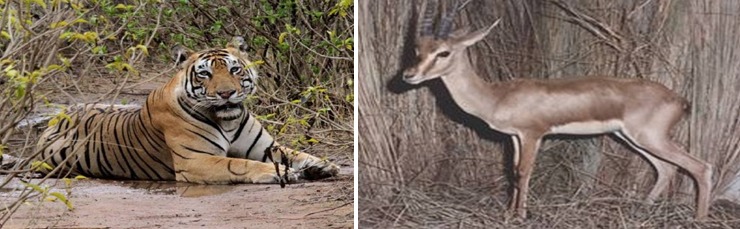
Apart from the courser, the sanctuary supports a rich variety of mammals, reptiles, and birds. Predators such as panthers and foxes roam the forests, while herbivores like spotted deer, sambar deer, nilgai, and chinkara can often be found grazing in open areas.
The sanctuary is also home to:
- Sloth bears.
- Wild boars.
- Chowsingha (four-horned antelope).
- Indian hares.
- Monitor lizards.
- Several snake species.
- Numerous resident and migratory birds.
Because of its varied habitats, the sanctuary serves as an important ecological corridor for wildlife movement in the Eastern Ghats region.
Best Time to Visit
The ideal time to visit Sri Lankamalleswara Wildlife Sanctuary is between October and March, when the weather remains relatively pleasant and suitable for wildlife exploration. The post-monsoon season brings greener surroundings and improved visibility for birdwatching and photography.
Summers in the region can be extremely hot and dry, with temperatures often rising significantly during April and May. Visitors are advised to carry water, sun protection, and comfortable clothing if traveling during warmer months.
Things to Experience
A visit to the sanctuary offers a peaceful escape into nature and an opportunity to explore one of India’s lesser-known wilderness areas. Some popular experiences include:
Nature and Wildlife Observation
The sanctuary’s quiet environment makes it ideal for observing birds, mammals, and native vegetation in their natural habitat.
Birdwatching
Bird enthusiasts visit the sanctuary hoping to learn more about the elusive Jerdon’s courser and other dry-forest bird species found in the Eastern Ghats.
Scenic Landscapes
The rocky hills, valleys, and forested slopes create beautiful natural scenery, especially during sunrise and sunset.
Eco-Tourism and Research
Because of its ecological importance, the sanctuary attracts researchers, conservationists, and students interested in biodiversity and wildlife conservation.
How to Reach
By Air
The nearest airport is Kadapa Airport, located around 50 kilometers from the sanctuary. Taxis and private vehicles are easily available from the airport.
By Rail
The nearest railway station is Kadapa Railway Station, approximately 45 kilometers away. Visitors can hire taxis or use local transport services to reach the sanctuary.
By Road
The sanctuary is well connected by road from Kadapa and nearby towns in Andhra Pradesh. State-run buses, taxis, and private vehicles provide convenient access to the region.
Travel Tips for Visitors
- Carry sufficient drinking water and snacks, especially during long trips into remote areas.
- Wear comfortable trekking shoes and light cotton clothing.
- Maintain silence while exploring forest areas to avoid disturbing wildlife.
- Avoid littering and follow eco-friendly tourism practices.
- Permission from forest authorities may be required for certain zones.
- Hiring a local guide can greatly improve the wildlife and nature experience.
Nearby Attractions
1. Gandikota
Often called the “Grand Canyon of India,” Gandikota is famous for its spectacular gorge carved by the Pennar River. Visitors can explore the historic fort, ancient temples, and breathtaking canyon viewpoints.
2. Belum Caves
The magnificent Belum Caves are among the longest cave systems in India. Known for their underground chambers, stalactites, and stalagmites, the caves are a must-visit attraction near the sanctuary.
3. Kapartheeswara Kona Waterfalls
Nestled within the sanctuary region, Kapartheeswara Kona Waterfalls offers a scenic trekking experience through forests, streams, and rocky landscapes.
4. Siddavatam Fort
The historic Siddavatam Fort stands on the banks of the Penna River and showcases impressive fortifications dating back to the Vijayanagara era.
5. Vontimitta Kodandarama Temple
The beautiful Kodandarama Temple is renowned for its Vijayanagara-style architecture and intricate stone carvings. It is one of the most important Rama temples in Andhra Pradesh.
6. Pushpagiri Temples
The ancient temple complex of Pushpagiri Temples features several historic shrines dedicated to Lord Shiva and Lord Vishnu along the Penna River.
7. Kadapa City
Kadapa serves as the gateway to the sanctuary and offers attractions such as the Ameen Peer Dargah, local markets, and regional cuisine.
8. Mylavaram Dam
The scenic Mylavaram Dam is a peaceful spot for nature lovers and photographers, especially during the monsoon season.
9. Yaganti
The ancient Sri Yaganti Uma Maheswara Temple is famous for its growing Nandi statue, caves, and dramatic rocky surroundings.
10. Mahanandi
Mahanandiswara Swamy Temple is known for its crystal-clear temple tanks fed by natural springs and serene spiritual atmosphere.
11. Ahobilam
The sacred town of Ahobilam is a major pilgrimage destination dedicated to Lord Narasimha and offers excellent trekking opportunities through the Nallamala Hills.
12. Venu Gopalaswamy Temple Trail
Adventure enthusiasts can explore the trail leading to Venu Gopalaswamy Temple, which passes through forested terrain, streams, and scenic viewpoints.
Google Maps
FAQs
1. Why is Sri Lankamalleswara Wildlife Sanctuary famous?
The sanctuary is globally famous for being the only known habitat of the critically endangered Jerdon’s courser bird.
2. Where is Sri Lankamalleswara Wildlife Sanctuary located?
It is located in the Kadapa district of Andhra Pradesh in southern India.
3. What type of forest is found in the sanctuary?
The sanctuary mainly consists of dry deciduous thorn forests, scrublands, and grasslands typical of the Eastern Ghats.
4. Which animals can be seen in the sanctuary?
Visitors may spot sloth bears, spotted deer, sambar, foxes, nilgai, wild boars, chinkara, panthers, and various bird species.
5. What is the best time to visit the sanctuary?
The best time to visit is from October to March when the weather is cooler and more comfortable.
6. Is the Jerdon’s courser easy to spot?
No, the Jerdon’s courser is extremely rare and nocturnal, making sightings very uncommon.
7. How far is the sanctuary from Kadapa?
The sanctuary is located roughly 45–50 kilometers from Kadapa city.
8. Are guides available inside the sanctuary?
Local guides and forest staff may assist visitors, especially in eco-tourism and wildlife observation areas.
9. Is photography allowed in the sanctuary?
Photography is generally allowed, but visitors should follow forest department rules and avoid disturbing wildlife.
10. Why is Red Sanders important in this sanctuary?
Red Sanders is a rare and valuable endemic tree species found in the sanctuary, known for its ecological and economic importance.