Image Source: Franklin badde
About Tribal Museum
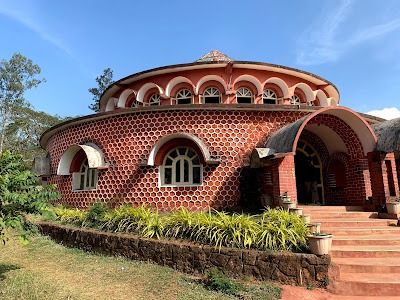
The Tribal Museum in Araku Valley, located in the Visakhapatnam district of Andhra Pradesh, is a unique cultural institution dedicated to preserving and showcasing the heritage of the indigenous tribal communities of the region.
Araku Valley, renowned for its scenic landscapes, coffee plantations, and tribal culture, provides the perfect backdrop for the museum, which offers visitors an immersive experience into the lifestyle, traditions, and art forms of local tribes.
Cultural and Historical Significance
Araku Valley is home to several distinct tribal groups, including the Bodda, Kondadora, and Gadaba tribes, who have maintained their traditional practices, rituals, and handicrafts for centuries. The museum serves as a repository of tribal art, tools, costumes, and cultural artifacts, helping to document, preserve, and promote tribal heritage for educational and tourism purposes.
Collections and Exhibits
Tribal Artifacts: The museum features a range of daily life objects, including hunting tools, musical instruments, and household items, which illustrate the practical and cultural aspects of tribal living.
Handicrafts and Textiles: Exhibits include handwoven baskets, bamboo crafts, pottery, and traditional clothing, reflecting the skill and creativity of tribal artisans.
Costumes and Ornaments: Visitors can view traditional tribal attire, jewelry, and headgear, showcasing the distinctive identity and aesthetic sense of each community.
Cultural Documentation: The museum also houses photographs, paintings, and models that depict rituals, festivals, dances, and daily activities, offering insight into the rich intangible heritage of the tribes.
Educational and Cultural Importance
The Tribal Museum in Araku Valley is a key educational resource for students, researchers, and tourists interested in anthropology, ethnography, and indigenous cultures. By preserving and displaying these artifacts, the museum helps raise awareness about the challenges faced by tribal communities while promoting the sustainable preservation of their heritage.
Visitor Experience
Visitors to the museum can interact with displays that provide an authentic representation of tribal life, including reconstructed tribal huts and interactive exhibits. Guided tours are often available, allowing visitors to gain deeper insights into tribal customs, beliefs, and art forms. The museum is a family-friendly and culturally enriching destination, offering both visual and educational experiences.
How to Reach Tribal Museum, Araku Valley
By Road: Araku Valley is approximately 115 km from Visakhapatnam city, and the museum can be reached via private taxis, buses, or cab services along the scenic Visakhapatnam–Araku highway.
By Rail: The nearest railway station is Araku Railway Station, famous for its scenic train route through tunnels and bridges, offering a memorable journey to the valley.
By Air: The nearest airport is Visakhapatnam Airport (approx. 120 km), which is well-connected to major Indian cities such as Hyderabad, Bengaluru, and Chennai.
Nearby Attractions
1. Padmapuram Gardens
Located adjacent to the museum, this beautiful botanical garden is famous for its tree-top cottages, rare plant species, and landscaped surroundings. It is one of the most visited family attractions in Araku Valley.
2. Coffee Museum
A great place to learn about Araku’s renowned coffee industry. Visitors can explore coffee-making processes, history, and enjoy freshly brewed local coffee.
3. Borra Caves
Situated about 35 km from Araku, these spectacular limestone caves feature impressive stalactite and stalagmite formations and are among Andhra Pradesh’s most famous natural wonders.
4. Chaparai Water Cascade
A scenic natural stream flowing over smooth rock formations, ideal for picnics and photography. It is particularly attractive after the monsoon season.
5. Katiki Waterfalls
A beautiful waterfall hidden within the Eastern Ghats forests, accessible through a short trek from the Borra Caves area.
6. Galikonda View Point
One of the highest viewpoints in Andhra Pradesh, offering breathtaking panoramic views of valleys, hills, and coffee plantations.
7. Ananthagiri Coffee Plantations
Explore lush coffee estates, interact with local growers, and enjoy the scenic beauty of the Eastern Ghats.
8. Tyda Nature Camp
An eco-tourism destination known for trekking, birdwatching, nature walks, and adventure activities.
9. Araku Valley Railway Journey
The train journey between Visakhapatnam and Araku is famous for its tunnels, bridges, waterfalls, and picturesque mountain scenery.
10. Tribal Handicraft Centers
Several local shops around the museum sell bamboo crafts, tribal jewelry, handwoven products, and souvenirs made by indigenous artisans.
Google maps
FAQs
1. Where is the Tribal Museum located?
The museum is located in the heart of Araku Valley, near Padmapuram Gardens in Andhra Pradesh.
2. What is the Tribal Museum famous for?
It is known for preserving and showcasing the culture, traditions, crafts, dances, and lifestyle of the tribal communities of the Eastern Ghats.
3. When was the museum established?
The museum was established in 1996 by the Andhra Pradesh Tourism Development Corporation.
4. What can visitors see inside the museum?
Visitors can explore tribal artifacts, jewelry, hunting tools, musical instruments, clay models, village scenes, traditional houses, and cultural exhibits.
5. How much time is required to visit the museum?
Most visitors spend between 45 minutes and 1.5 hours exploring the exhibits.
6. Is photography allowed inside the museum?
Photography is generally allowed in designated areas, though visitors should follow the museum’s guidelines.
7. What is the best time to visit?
The period from October to March offers the most pleasant weather for exploring Araku Valley and its attractions.
8. Are there shopping facilities at the museum?
Yes. The museum complex includes handicraft stalls selling locally made tribal art, bamboo products, jewelry, and souvenirs.
9. Can the Tribal Museum and Coffee Museum be visited on the same day?
Yes. Both attractions are located close to each other and can easily be covered in a single visit.
10. Is the Tribal Museum suitable for children?
Yes. The life-sized displays, cultural exhibits, boating area, and handicraft demonstrations make it an educational and enjoyable destination for families.