Introduction
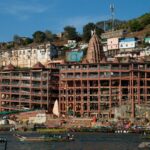
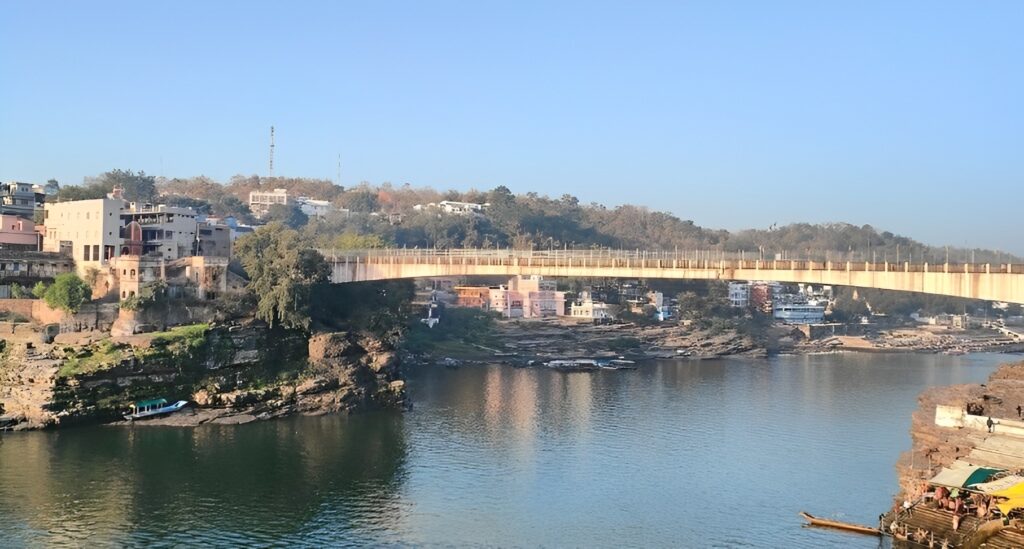
Omkareshwar temple, the sacred Jyotilingas, is located in Khandwa city, Khandwa district, MP. The sacred river Narmada carved the shape of the island known as Mandhata in the shape of the symbol Om. The temple houses one of the 12 jyotirlingas across India that are revered by people across the country.
Omkareshwar and Mamleshwar (Amaleshwar) temples are located on the northern and southern banks of the river Narma on the island Mandhata. Omkareshwar (a name signifying “lord of sound”) and Mamleshwar mean “immortal lord” or “land of immortals.” Madhya Pradesh has two Jyotilingas; the other one, Mahakaleshwar, India, is 140 km from Omkareshwar.
Jyoitilingas
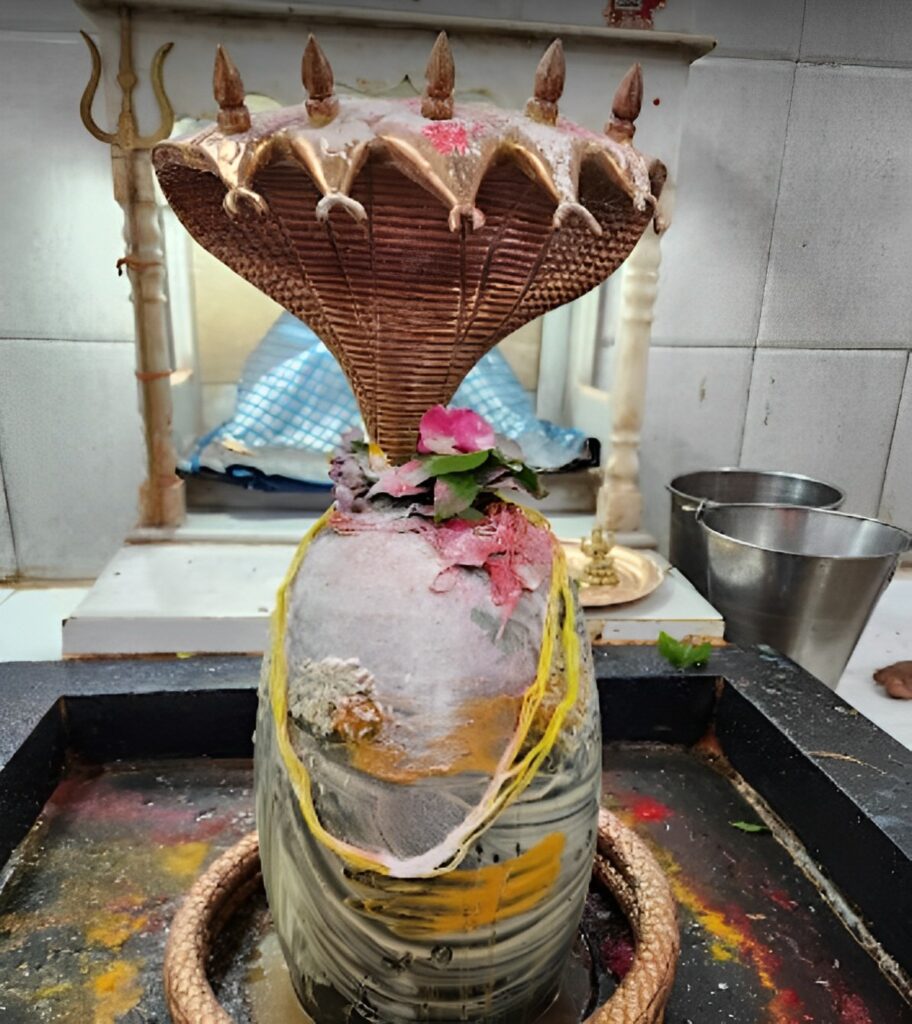
Jyotirlingas are highly revered and pious in India. In the Shiva Mahapurana, a very interesting story has been told among the supreme deities Brahma, Vishnu, and Shiva. Once upon a time, all the gods argued over who was the ultimate supreme creator of the world. To test them, Shiva split the three worlds as a huge pillar of light and challenged Brahma and Vishnu to find an end. Both have divided the task; Vishnu has gone downward, and Vishnu has gone upward. While neither found the end of the light, Vishnu admitted defeat, and Brahma lied. As a consequence, Shiva appeared as the second pillar of light and cursed Brahma, saying that he would not be revered while Vishnu would until the end of eternity. In all the jyotirlingas, you will see the manifestation of different images of Shiva, but the common, primary image of the lingam, symbolizing the beginningless and endless Stambha pillar, tells of the infinite nature of Shiva.
Legends and History
There are many stories that give different versions of the origin of the temple. Once, the deity of Vindhachal Mountain worshipped Shiva to absolve him of the crime he had committed. He created a sacred lingam of sand and clay, and, pleased by the worship, Shiva appeared in two forms: Omkareshwar and Amaleshwara. Omkareshwar was given this name because the mud mound resembled the Hindu symbol, Om.
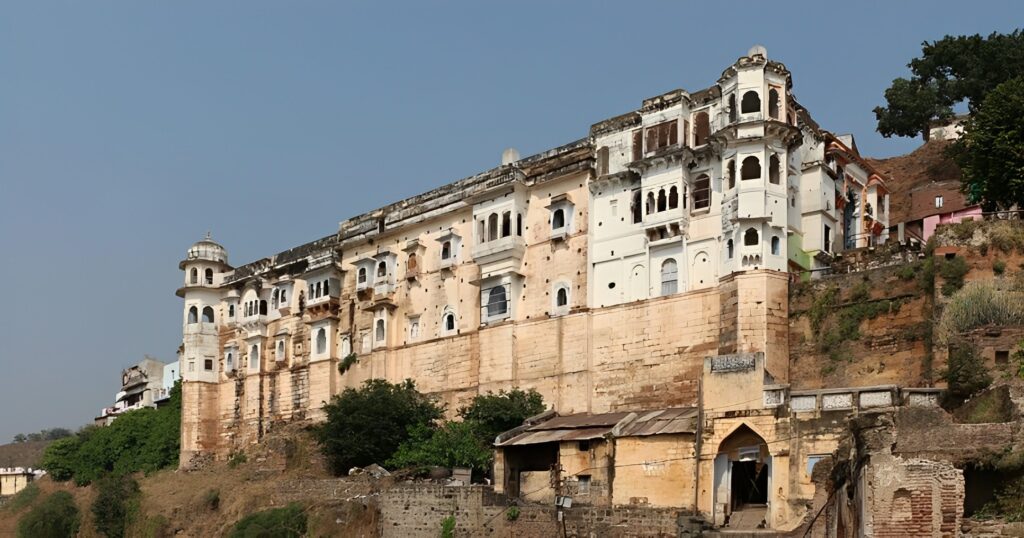
The second story is told about the penance of a king named Mandhata and his son. King Mandhataata (ancestor of the Ikshvaku clan and Lord Ram’s ancestor) worshiped Lord Shiva with great penance and austerity. Lord Shiva, pleased with this, manifested himself as Jyotirlinga. The island’s name, Mandhata, is attributed to the king.
Third storyteller, Once, a great war was fought between the Devta (god) and the Danavas (demons). Following a setback, Devta prayed to Lord Shiva for assistance. Pleased by the prayers, Lord Shiva appeared in the form of Jyotilinas and defeated the Danavas.
Architecture
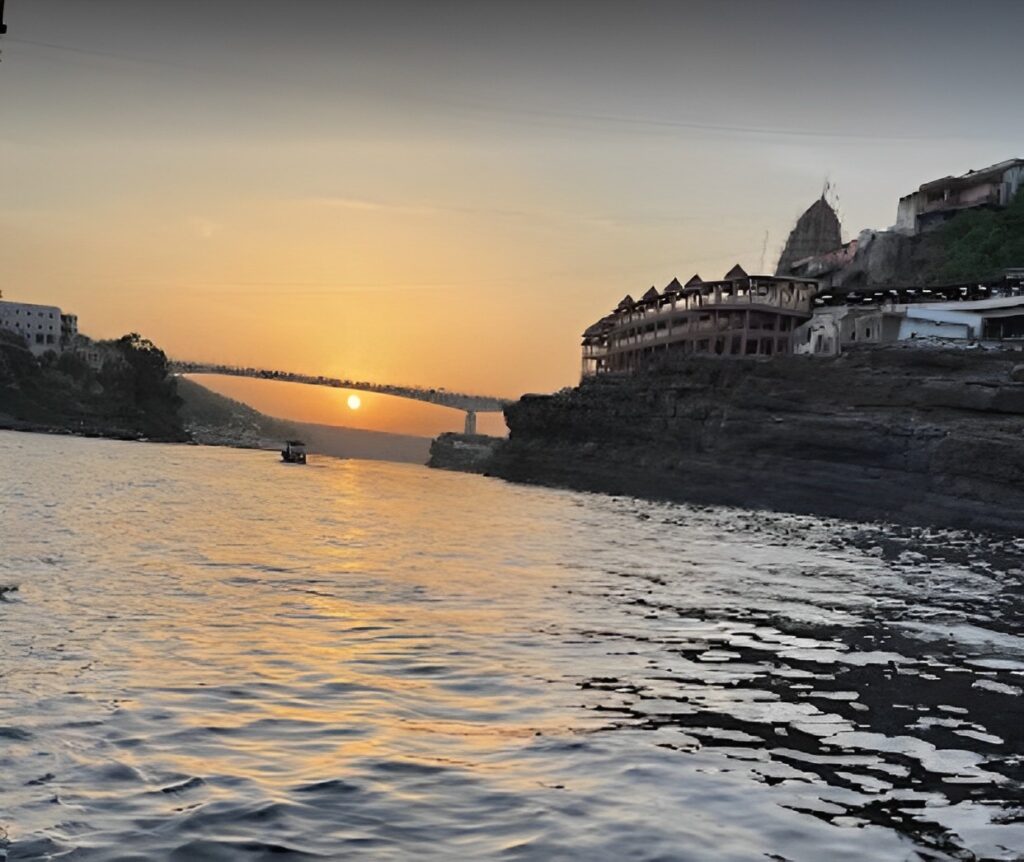
Many rulers, such as the Paramars in the 11th century and the Holkars in the 19th century, have given patronage to temple construction. Omkareshwar Temple on the island is a beautiful example of Nagara-style architecture and a five-story complex. On the ground, the lingam of Shiva immersed in water receives Abhishkelam three times a day. You need to cross the Narmada River either by boat or a bridge named Jhula Phul. The Mandapa mandap inside the temples, standing on 60 pillars and 14 feet high, has the most beautiful carvings on its walls.
Omkareshwar’s path around the temple is itself an experience. The parikrama path, which runs for 6-7 kilometers along the riverbank and can be reached by foot or by a 30-minute boat ride, is a beautiful journey. During parikrama, you will come across Khedapati Hanuman Mandi and Kadareshwar Temple.
The Adi Shankara Cave (Omkanshawar Temple) is also where Adi Shankara met his guru, Govinda Bahagavatapada. The cave is located just below the Shiva temple.
Sangam
Taking a dip in the Sangam of Narmada and Kuberi (Kaveri) absolves all the sins of devotees. Here, the idol of goddess Narmada is installed to offer blessings to the devotees.
How to Reach Omkareshwar Temple
Located on the sacred Mandhata Island in the Narmada River, Omkareshwar Temple is one of the twelve revered Jyotirlingas of Lord Shiva. The temple is situated in Khandwa district of Madhya Pradesh and is well-connected by road, rail, and air.
By Air
The nearest airport is Indore Airport, located about 75–80 km from Omkareshwar. From the airport, visitors can hire taxis or take buses to reach the temple town.
By Train
The nearest railway station is Omkareshwar Road Railway Station, approximately 12 km from the temple. Regular trains connect the station with Indore, Khandwa, and other major cities. Auto-rickshaws and taxis are available from the station to the temple.
By Road
Omkareshwar enjoys excellent road connectivity with major cities such as Indore, Ujjain, Khandwa, and Bhopal. Frequent state-run and private buses operate from Indore, making it one of the most convenient routes for pilgrims. Private taxis are also readily available.
Nearby Attractions
Mamleshwar Temple
Situated on the southern bank of the Narmada River, Mamleshwar Temple is considered spiritually inseparable from Omkareshwar Jyotirlinga. Many devotees believe that a pilgrimage is complete only after visiting both temples.
Siddhnath Temple
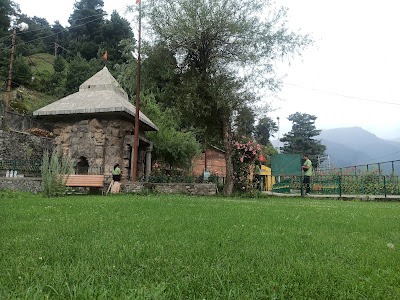
An ancient temple known for its remarkable stone carvings and architectural beauty. The temple offers panoramic views of the Narmada River and attracts history enthusiasts as well as pilgrims.
Omkareshwar Parikrama Path
This sacred circumambulation route around Mandhata Island provides stunning river views, ancient shrines, and a peaceful spiritual atmosphere. It is one of the most rewarding experiences for devotees visiting Omkareshwar.
Narmada Ghat
The riverfront ghats are ideal for evening prayers, boating, and witnessing the spiritual life of Omkareshwar. The serene surroundings make it a favorite spot for pilgrims and photographers alike.
Gauri Somnath Temple
Famous for its massive black Shiva Lingam, this historic temple is associated with several local legends and is an important stop during the island parikrama.
Ahilya Ghat
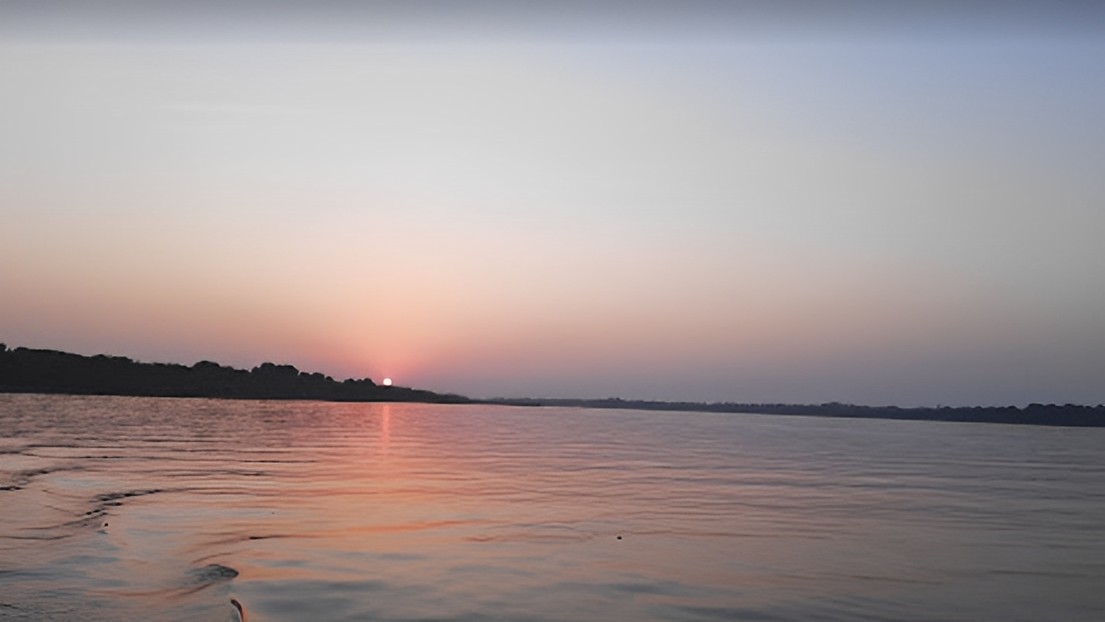
Named after the revered queen Ahilyabai Holkar, this scenic ghat offers beautiful views of the river and temple complex and is particularly enchanting during sunrise and sunset.
Maheshwar
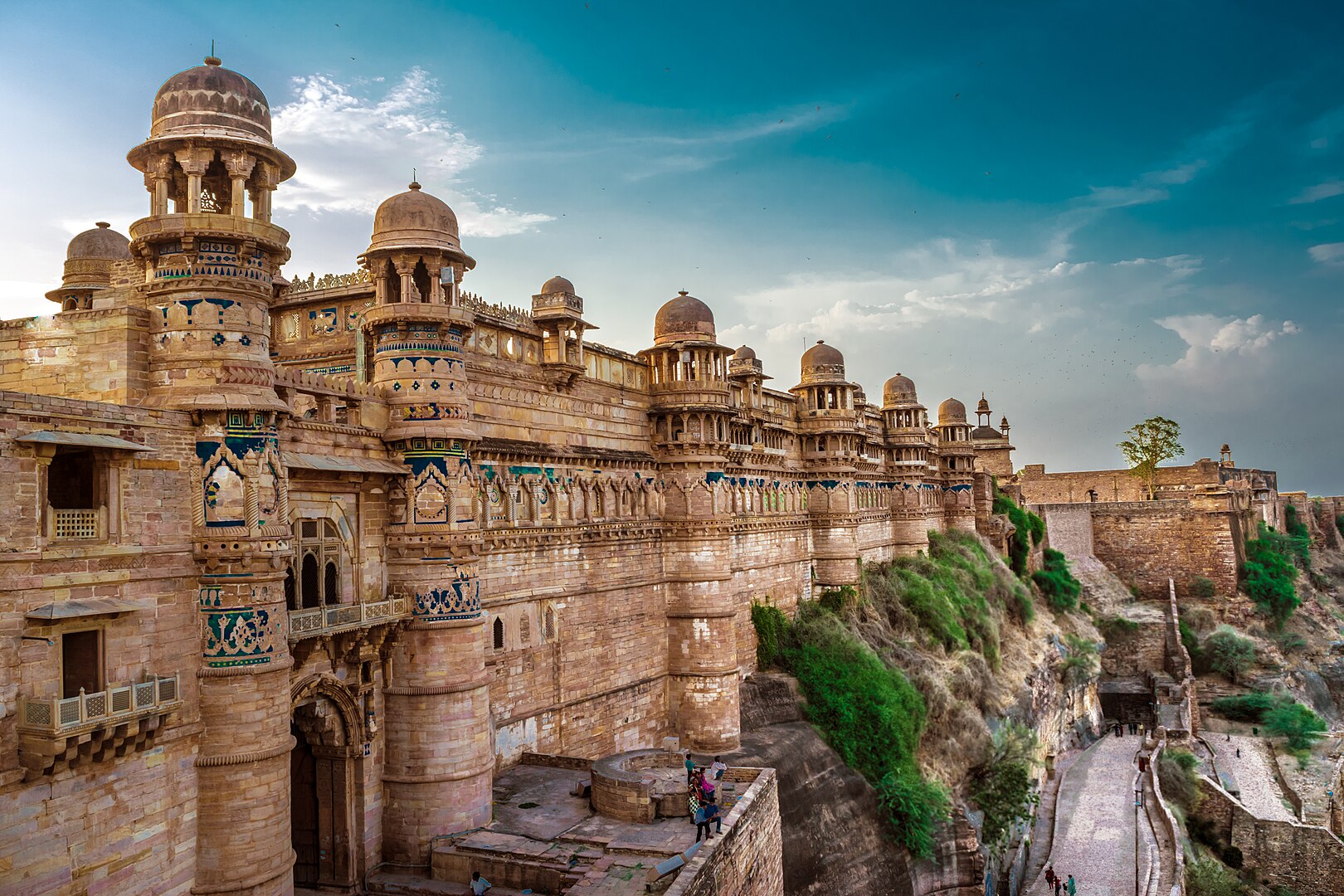
Located about 65 km from Omkareshwar, Maheshwar is known for its magnificent fort, riverside ghats, temples, and famous Maheshwari sarees. It makes for an excellent day trip.
Time to visit Omkareshwar temple
Best time to visit: October to March.
Timing: 6:00 am to 8:00 pm.
FAQs
Why is Omkareshwar Temple famous?
Omkareshwar Temple is famous as one of the twelve Jyotirlingas of Lord Shiva. The temple is located on an island whose shape is believed to resemble the sacred Hindu symbol “Om.”
Where is Omkareshwar Temple located?
The temple is situated on Mandhata Island in the Narmada River in Khandwa district, Madhya Pradesh.
Is there an entry fee for visiting the temple?
No, general entry and darshan at Omkareshwar Temple are free for devotees.
What is the best time to visit Omkareshwar?
The ideal time to visit is between October and March when the weather remains pleasant. Maha Shivaratri and the holy month of Shravan are especially significant for devotees.
How much time is required for a visit?
Most visitors spend 3–5 hours exploring the temple, attending darshan, visiting Mamleshwar Temple, and completing part of the island parikrama.
Can Omkareshwar and Mahakaleshwar be visited in one trip?
Yes. Many pilgrims combine visits to Omkareshwar and Mahakaleshwar in Ujjain, as both are important Jyotirlinga shrines in Madhya Pradesh.
Is boating available in Omkareshwar?
Yes. Boating facilities are available on the Narmada River and offer beautiful views of Mandhata Island, the temple complex, and surrounding hills.
What makes Omkareshwar unique among the Jyotirlingas?
Omkareshwar is unique because devotees traditionally worship both Omkareshwar and Mamleshwar temples, which together represent the sacred Jyotirlinga. The island’s natural resemblance to the “Om” symbol further enhances its spiritual significance.