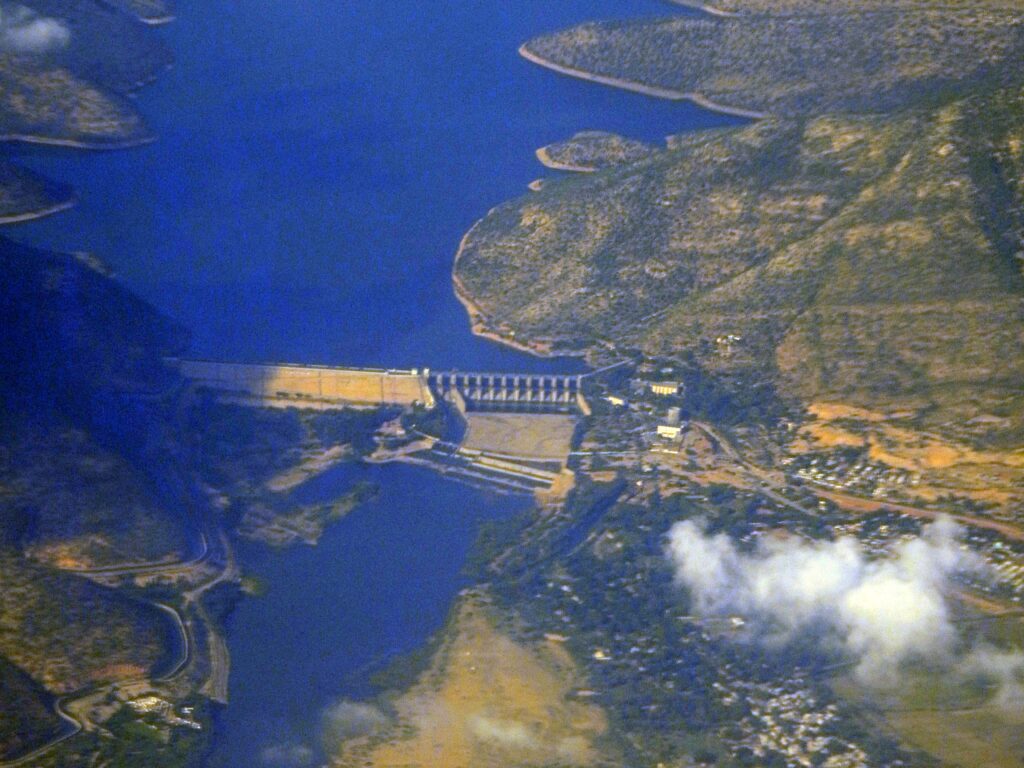
Image Source: Rehman Abubakr
About Somasila Reservoir
Nestled across the mighty Penna River in Andhra Pradesh’s Nellore district, Somasila Reservoir is one of the largest and most important water reservoirs in the state. Located near Siddeswaram village in Atmakur Mandal, the reservoir plays a central role in the lives of thousands of farmers and communities living in the drought-prone regions of Nellore, Kadapa, and nearby districts. Beyond its engineering importance, Somasila is also admired for its peaceful surroundings, scenic landscapes, and spiritual significance.
The reservoir is widely known as a major component of the Telugu Ganga Project, a large inter-state water scheme designed to support irrigation and supply drinking water to different parts of South India, including Chennai. Over the years, Somasila has become more than just a water storage project—it has emerged as an economic lifeline, a tourist attraction, and an important environmental zone in the region.
History
The idea behind constructing the Somasila Reservoir came from the long-standing need to manage the seasonal flow of the Penna River more effectively. For decades, the Rayalaseema and Nellore regions struggled with irregular rainfall and recurring drought conditions, which severely affected agriculture and daily life. To address this issue, the Andhra Pradesh government initiated large-scale irrigation projects aimed at conserving river water and distributing it efficiently across dry agricultural lands.
Somasila Reservoir was developed as part of these broader irrigation efforts during the late 20th century. The project was designed not only to store water during the monsoon season but also to ensure a steady supply throughout the year for irrigation, drinking purposes, and flood regulation. Once completed, it became the largest reservoir in Nellore district and one of the most significant irrigation structures in Andhra Pradesh.
The reservoir also gained national importance because of its connection to the Telugu Ganga Project, which facilitates the transfer of Krishna River water through canals and reservoirs to Chennai city in neighboring Tamil Nadu.
Structure and Engineering Features
Somasila Reservoir is an earth-cum-masonry dam constructed across the Penna River. The structure combines earthen embankments with masonry spillways, allowing it to withstand heavy water pressure while efficiently controlling water discharge during floods.
One of the striking features of the reservoir is its massive bund, which stretches for nearly 11 kilometers. The reservoir has an impressive storage capacity of around 78 TMC (thousand million cubic feet), making it one of the largest reservoirs in Andhra Pradesh.
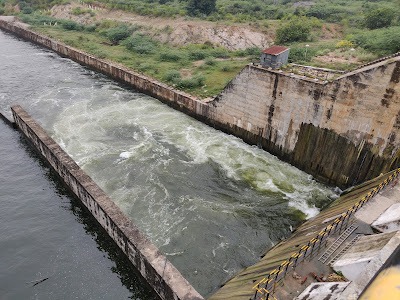
The dam includes several spillway gates that help regulate water levels during periods of heavy rainfall. Through an extensive canal network, water from Somasila is distributed to agricultural fields, villages, and connected reservoirs. It is also linked with the Kandaleru Reservoir through the Telugu Ganga Canal system, creating an integrated water distribution network that supports both irrigation and drinking water supply.
Importance for Irrigation and Agriculture
Agriculture in Nellore district heavily depends on the water released from Somasila Reservoir. The project irrigates nearly 2.68 lakh acres of farmland, transforming otherwise dry regions into productive agricultural zones.
Farmers in the command areas cultivate crops such as paddy, sugarcane, cotton, groundnut, maize, and pulses. Since rainfall in this part of Andhra Pradesh is often unpredictable, the reservoir acts as a dependable water source that helps maintain agricultural productivity even during weak monsoon years.
The availability of irrigation water has significantly improved the rural economy in many villages surrounding the reservoir. It has increased crop yields, supported multiple cropping seasons, and reduced dependence on groundwater resources. For thousands of farming families, Somasila remains the backbone of their livelihood.
Role in the Telugu Ganga Project
One of the most important aspects of Somasila Reservoir is its role in the Telugu Ganga Project. This ambitious inter-state water-sharing initiative was created to supply drinking water to Chennai while also benefiting drought-affected regions of Andhra Pradesh.
Water stored in Somasila is transferred through canals to the Kandaleru Reservoir and further routed toward Chennai. This makes the reservoir strategically important not only for Andhra Pradesh but also for Tamil Nadu.
The project is often cited as an example of cooperative water management between states. In addition to supplying drinking water, the canal system supports irrigation and helps stabilize water availability across multiple districts.
Scenic Beauty and Natural Environment
Although primarily built for irrigation purposes, Somasila Reservoir is also known for its natural beauty. The vast stretch of calm blue water surrounded by low hills, patches of forest, and open countryside creates a peaceful atmosphere that attracts visitors throughout the year.
During the monsoon season, the reservoir becomes especially picturesque as the water levels rise and the surrounding greenery flourishes. The sight of water overflowing through the spillway gates is particularly impressive and draws many tourists and photographers.
Birdwatchers and nature lovers also visit the reservoir area because migratory birds can occasionally be seen near the backwaters and wetlands. Early mornings and evenings offer stunning views of the reservoir, especially during sunrise and sunset.
Somasila Temple and Religious Significance
Close to the reservoir lies the famous Somasila Temple dedicated to Lord Shiva. The temple adds a spiritual dimension to the region and attracts devotees from nearby districts. The peaceful setting near the reservoir enhances the religious experience, especially during festivals and special prayer occasions.
The temple complex is associated with local legends and traditional beliefs, making it an important pilgrimage destination for many visitors. During Maha Shivaratri and other Hindu festivals, the area becomes lively with devotees, cultural activities, and religious ceremonies.
Tourism and Visitor Experience
In recent years, Somasila Reservoir has gradually gained popularity as a weekend getaway destination for people from Nellore, Tirupati, and even Chennai. The calm environment, scenic roads, and refreshing atmosphere make it ideal for short trips and family outings.
Visitors often come here for sightseeing, photography, picnics, and relaxation. Boating opportunities are sometimes available depending on the season and water levels. The monsoon and post-monsoon months are generally considered the best time to visit because the reservoir appears full and the surrounding landscape remains lush and green.
The journey to the reservoir itself is pleasant, passing through rural villages, agricultural fields, and hilly stretches that showcase the natural beauty of Andhra Pradesh’s countryside.
Best Time to Visit
The ideal time to visit Somasila Reservoir is between July and February. During and after the monsoon season, the reservoir remains full, and the surrounding scenery becomes vibrant and green.
Winter months are especially comfortable for sightseeing and outdoor activities due to the cooler temperatures. Summers can be quite hot in this region, although early mornings and evenings still offer pleasant views around the reservoir.
How to Reach Somasila Reservoir
By Road
Somasila Reservoir is located around 80 kilometers from Nellore city and is well connected by road through Atmakur. State-run APSRTC buses and private vehicles frequently operate in this region. The roads leading to the reservoir are generally in good condition, making it accessible for weekend travelers.
By Rail
The nearest major railway station is Nellore Railway Station, which lies on the busy Chennai–Howrah railway route. From the station, visitors can hire taxis or use local transport to reach the reservoir.
By Air
The nearest airport is Tirupati International Airport, located about 130 kilometers away. Another convenient option is Chennai International Airport, approximately 200 kilometers from the reservoir.
Nearby Attractions of Somasila Reservoir
The Somasila Reservoir is the largest storage reservoir in the Penna River basin and one of the most scenic water bodies in Andhra Pradesh. Surrounded by the Eastern Ghats, forests, temples, and historic sites, it offers visitors a mix of natural beauty, spirituality, and adventure.
1. Someswara Swamy Temple
Located near the reservoir, Sri Someswara Swamy Temple is an ancient Shiva temple that attracts pilgrims throughout the year. The temple’s peaceful setting amidst hills and water makes it a popular stop for visitors.
2. Kandaleru Dam
Kandaleru Dam is one of the largest earth dams in India and an important component of the Telugu Ganga Project. Visitors can enjoy expansive reservoir views and scenic drives through the surrounding countryside.
3. Udayagiri Fort
Udayagiri Fort is a historic hill fort known for its ancient gateways, temples, and panoramic views. The fort provides insights into the region’s medieval history and architecture.
4. Penchalakona Temple
Sri Lakshmi Narasimha Swamy Temple is a revered pilgrimage site nestled among forested hills. The temple is especially crowded during annual religious festivals and attracts devotees from across South India.
5. Penchalakona Waterfalls
Located near Penchalakona Temple, these seasonal waterfalls become particularly attractive during and after the monsoon season, offering excellent opportunities for photography and nature walks.
6. Rapur Forests
Rapur Forest Region is known for dense greenery, winding roads, and rich biodiversity. The forest area provides a refreshing escape for nature lovers and birdwatchers.
7. Mypadu Beach
Mypadu Beach is one of the most popular beaches in the Nellore region. The long sandy shoreline and scenic sunsets make it an ideal destination for families.
8. Nelapattu Bird Sanctuary
Nelapattu Bird Sanctuary is famous for migratory birds, especially spot-billed pelicans. Birdwatchers visit the sanctuary during the winter migration season.
9. Pulicat Lake
Pulicat Lake is India’s second-largest brackish water lagoon. It is renowned for flamingos, migratory birds, boating, and beautiful wetland landscapes.
10. Sri Venkateswara National Park
Sri Venkateswara National Park protects a rich variety of wildlife, medicinal plants, and forest ecosystems within the Eastern Ghats.
Google Maps
FAQs
Where is Somasila Reservoir located?
Somasila Reservoir is located near Siddeswaram village in Atmakur Mandal of Nellore district, Andhra Pradesh.
Which river is Somasila Reservoir built on?
The reservoir is constructed across the Penna River.
Why is Somasila Reservoir important?
It is important for irrigation, drinking water supply, flood control, and as a major part of the Telugu Ganga Project.
What is the storage capacity of the reservoir?
Somasila Reservoir can store approximately 78 TMC of water.
Which areas benefit from its irrigation system?
The reservoir mainly supports agricultural lands in Nellore district and nearby drought-prone regions.
Is Somasila Reservoir connected to Chennai’s water supply?
Yes, it plays a major role in supplying drinking water to Chennai through the Telugu Ganga Project.
Can tourists visit Somasila Reservoir?
Yes, the reservoir is a popular destination for nature lovers, photographers, and weekend travelers.
What is the best season to visit?
The best time to visit is during and after the monsoon season, from July to February.
Is there any temple near the reservoir?
Yes, the nearby Somasila Temple dedicated to Lord Shiva is an important religious attraction.
How far is Somasila Reservoir from Nellore?
The reservoir is located around 80 kilometers from Nellore city.