Image Source: Vishal Tomar
About Madhavaraya Swamy Temple
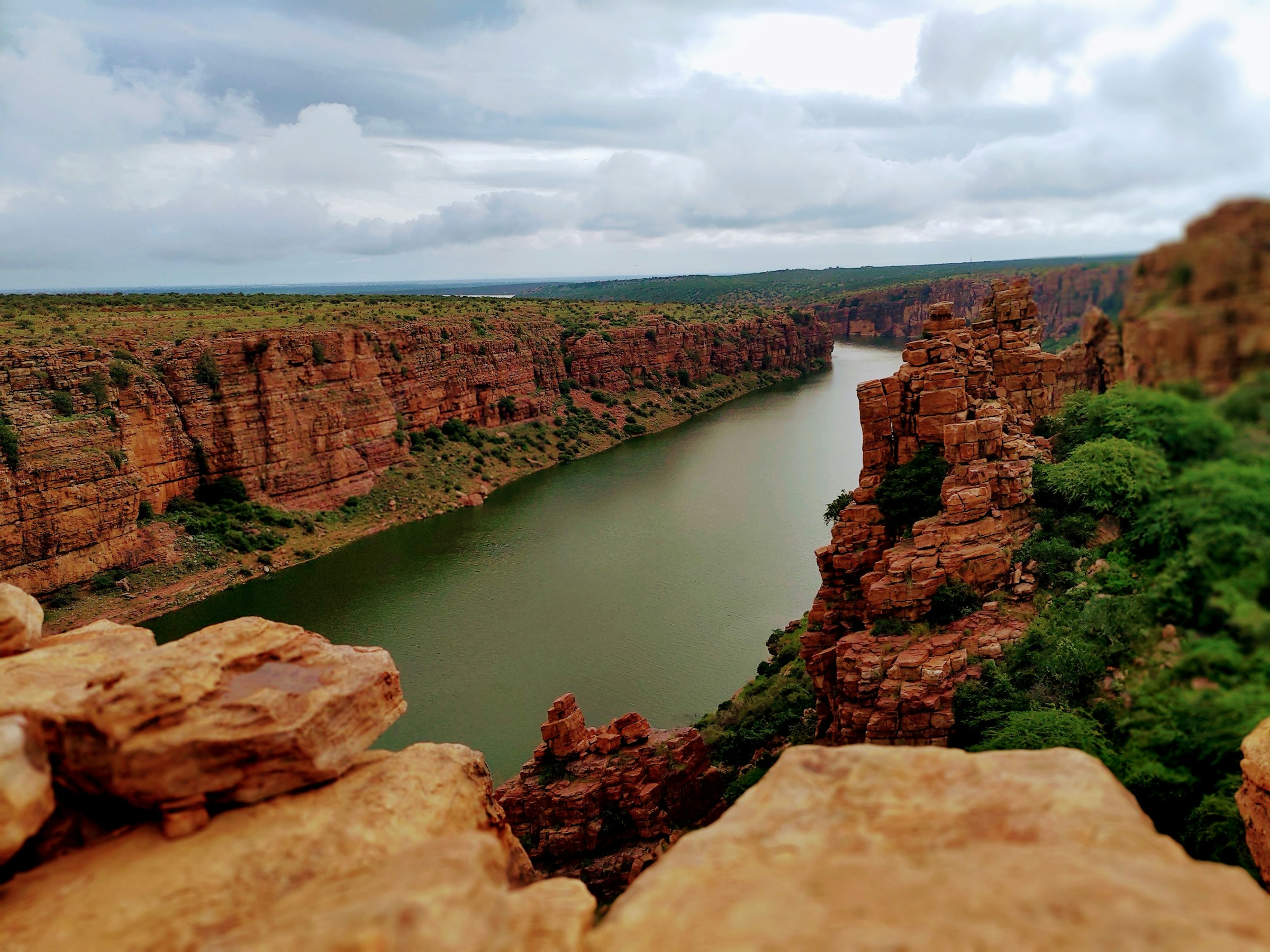
The Madhavaraya Temple, also known as Madhava Perumal Temple or Madhavaraya Swamy Temple, is one of the finest monuments within the historic Gandikota Fort in Andhra Pradesh.
This Hindu temple is dedicated to Lord Krishna, worshipped here in the form of Madhava or Madhava-raya. Built in the Vijayanagara style of architecture, the temple reflects the artistic and cultural grandeur of the empire that once flourished in the region. Today, it is recognized as a Monument of National Importance by the Government of India.
History
The Madhavaraya Temple was constructed in the first quarter of the 16th century, during the height of the Vijayanagara Empire.
This dating is confirmed through inscriptions and detailed analysis of its architecture and sculptural style. Inscriptions found at Gandikota from the Vijayanagara period provide references to the temple, including one that mentions devotees offering a garland (tomala) to Lord Madhava-raya. These records establish the temple’s role as an important center of worship and cultural activity within the fort complex.
Art and Architecture
The temple is an excellent specimen of Vijayanagara temple architecture, known for its elaborate carvings, majestic gateways, and richly decorated mandapas.
Temple Layout: The structure lies within a rectangular courtyard (prakara), surrounded on three sides by pillared cloisters. It is located south of the Gandikota Jumma Masjid, highlighting the fort’s religious diversity.
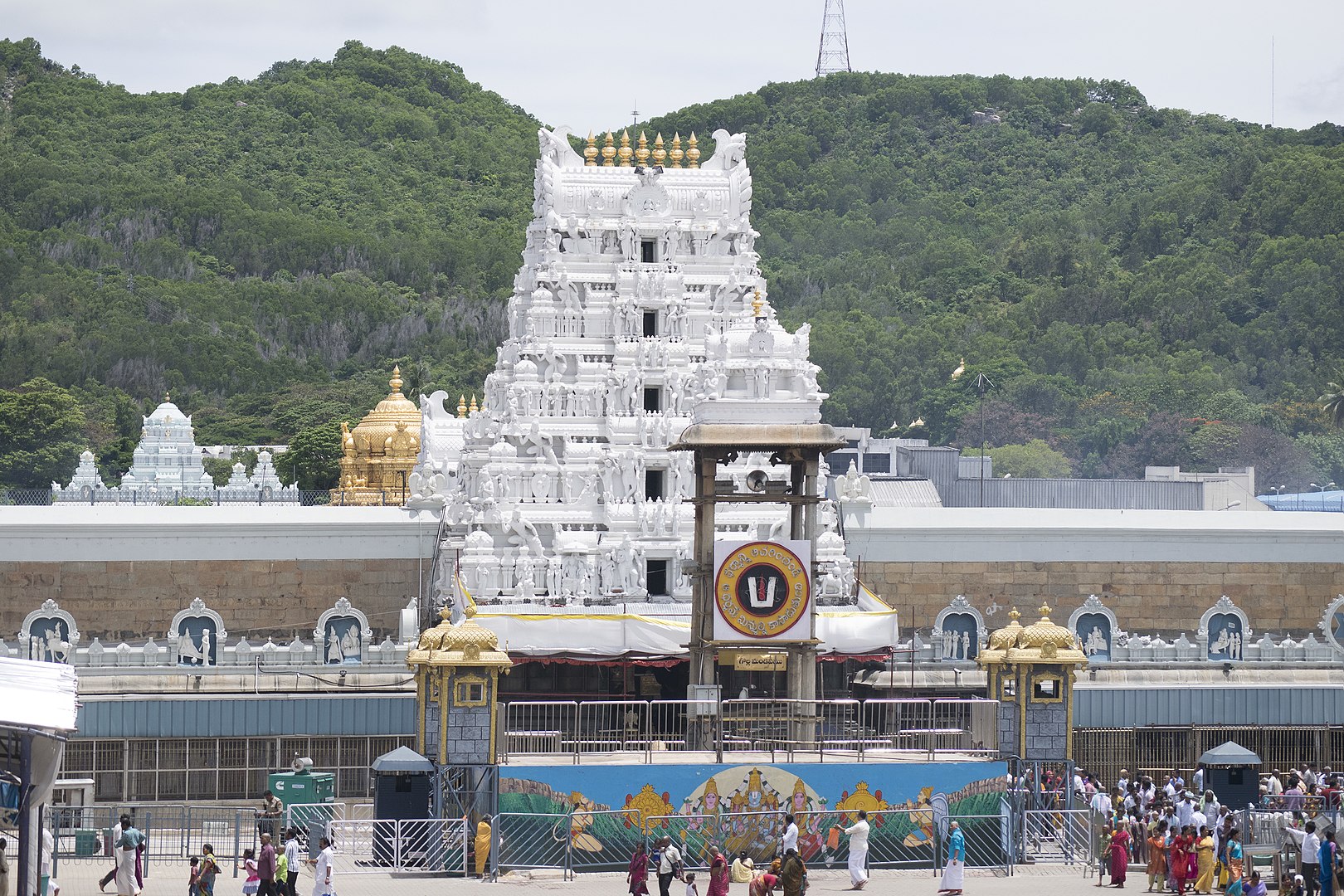
Gopuram (Gateway): The main eastern gateway features a tall gopura with four levels (talas), although its superstructure (shikhara) has collapsed. The base (adhishthana) is decorated with carvings of lotus petals, creepers, warriors, elephants, and mythical creatures (vyalas).
Sculptures of deities such as Venugopala, Vishnu, Lakshmi, Surya, Ganapati, and Yoga Narasimha are also found here. Inside the passage, figures of male dvara-palakas (door-keepers) and graceful female figures adorn the walls, while the ceiling displays a lotus medallion with motifs of animals like fish, tortoise, and lizards.
Other Structures in Courtyard:
A kitchen hall with carved pillars and female dvara-palikas on its entrance, with a six-pillared mandapa in front.
A kalyana mandapa (wedding pavilion) with 16 pillars located in the southwest corner.
A north-east mandapa, possibly dedicated to the Navagrahas or used for festival activities, marked by Gaja-Lakshmi carvings.
A small north-east shrine, possibly intended for the Alvars or Saptarishis, though no deity remains.
Main Temple Complex
From the east to the west, the temple is structured in a sequence of halls leading to the sanctum:
Maha-mandapa: A large rectangular pavilion (18.29 × 13.72 m) with pillars richly carved with deities, sages, women, animals, and dwarfs playing musical instruments. The decorative vyala brackets with riders suggest this space was used for dance, music, and cultural performances.
Mukha-mandapa: A smaller rectangular hall (11.18 × 9.14 m) adorned with finely carved pillars, sculpted panels of dancing female figures, and lotus motifs. Doorways feature dvara-palakas and Gaja-Lakshmi, while the ceiling has a lotus medallion.
Antarala (Antechamber): Connects the mandapa with the sanctum, decorated with creepers, flowers, and divine motifs.
Garbha-griha (Sanctum): The square sanctum (4.12 m per side) originally housed the idol of Lord Madhava (Krishna). A pranala (water outlet) is seen on its northern wall. Today, the sanctum is empty, as the image of the main deity is missing.
Deities and Sculptures
The temple’s sculptures are among its most striking features. While the central idol of Krishna (Madhava) is absent, a wide range of deities and motifs remain carved across its gateways and halls.
On the Gopura: Venugopala, Surya, Vishnu, Lakshmi, Ganapati, and Yoga Narasimha.
In the Maha-mandapa: Sculptures of Vishnu, Surya, sages, musicians, women, animals, and dwarfs engaged in artistic activities.
In the Mukha-mandapa: Female dancers, vyalas, lions, monkeys, and floral motifs.
Doorways: Repeated motifs of dvara-palakas and Gaja-Lakshmi emphasize prosperity and protection.
Cultural Importance
Though no longer an active site of worship, the Madhavaraya Temple remains a cultural landmark. Its scale, carvings, and architectural beauty showcase the sophistication of Vijayanagara artisanship.
The temple also reflects the religious harmony within Gandikota Fort, where Hindu and Islamic monuments coexist. Today, it stands as both a heritage monument and a reminder of Gandikota’s vibrant spiritual and cultural past.
How to Reach
The famous Madhava Perumal Temple, also known as Madhavaraya Temple, is located in Mylapore, Chennai, Tamil Nadu. Dedicated to Lord Vishnu as Madhava Perumal and Goddess Amirthavalli Thayar, it is one of the ancient Vaishnavite temples of Chennai and is closely associated with Peyalvar, one of the twelve Alvar saints.
By Air
The nearest airport is the Chennai International Airport, situated about 15–18 km from the temple. Taxis, app-based cabs, and airport buses are readily available to Mylapore.
By Train
The nearest major railway stations are Chennai Central Railway Station and Chennai Egmore Railway Station. From either station, visitors can hire a taxi, auto-rickshaw, or use local suburban transport to reach Mylapore.
By Road
Mylapore is well connected to all parts of Chennai through city buses, metro-linked transport, taxis, and auto-rickshaws. The temple is situated on Madhava Perumal Koil Street in the heart of Mylapore.
Nearby Attractions
1. Kapaleeshwarar Temple
Located about 1 km from the temple, this iconic Shiva temple is one of Chennai’s most important religious landmarks. The temple showcases magnificent Dravidian architecture, colorful gopurams, and vibrant festivals throughout the year.
2. San Thome Basilica
Situated around 1.5 km away, this historic church is built over the tomb traditionally associated with St. Thomas the Apostle. It is renowned for its Gothic architecture and spiritual significance.
3. Marina Beach
One of the longest urban beaches in the world, Marina Beach lies a short drive from the temple and offers scenic sunrise and sunset views, local food stalls, and cultural landmarks.
4. Chennai Lighthouse
Located near Marina Beach, the lighthouse provides panoramic views of Chennai’s coastline and the Bay of Bengal.
5. Vivekananda House
This historic building commemorates the stay of Swami Vivekananda in Chennai and features exhibits on his life and teachings.
6. Government Museum Chennai
A treasure trove of archaeology, art, and history, this museum houses one of the finest collections of South Indian bronzes in India.
7. Theosophical Society Adyar
Known for its serene environment, heritage buildings, and the famous Great Banyan Tree, this attraction is ideal for those seeking a peaceful retreat.
8. Mylapore Tank
Located near Kapaleeshwarar Temple, the tank forms the center of many traditional festivals and provides a glimpse into the cultural heritage of old Chennai.
9. Chennai Citi Centre
A popular shopping and entertainment destination situated close to the temple area.
10. Elliot’s Beach
Located in nearby Besant Nagar, this beach offers a quieter atmosphere compared to Marina Beach and is popular for evening walks and seaside cafés.
The Madhava Perumal Temple can easily be combined with a heritage tour of Mylapore, covering Kapaleeshwarar Temple, San Thome Basilica, Marina Beach, and other cultural landmarks within a single day.