Image Source: J.M.Garg
About Krishna Wildlife Sanctuary
Krishna Wildlife Sanctuary is a protected area located along the coastal region of Andhra Pradesh, near the Krishna River delta. Established to conserve the unique mangrove ecosystems, wetlands, and estuarine habitats, it plays a crucial role in maintaining the ecological balance of the region while supporting a diverse range of flora and fauna. The sanctuary is recognized for its importance to migratory birds, aquatic species, and estuarine biodiversity.
General Information and Overview
Location: The sanctuary is situated near Machilipatnam in Krishna district, Andhra Pradesh. It lies along the eastern coast of India where the Krishna River meets the Bay of Bengal.
Status: Designated as a wildlife sanctuary, it is included in the protected areas network of Andhra Pradesh and falls under IUCN Category IV (habitat/species management area).
Area: The sanctuary spreads over approximately 63 km² (24 sq mi), encompassing riverine forests, wetlands, and brackish water zones.
Establishment: The sanctuary was officially notified to protect mangroves, wetland birds, and estuarine fauna.
Geography and Terrain
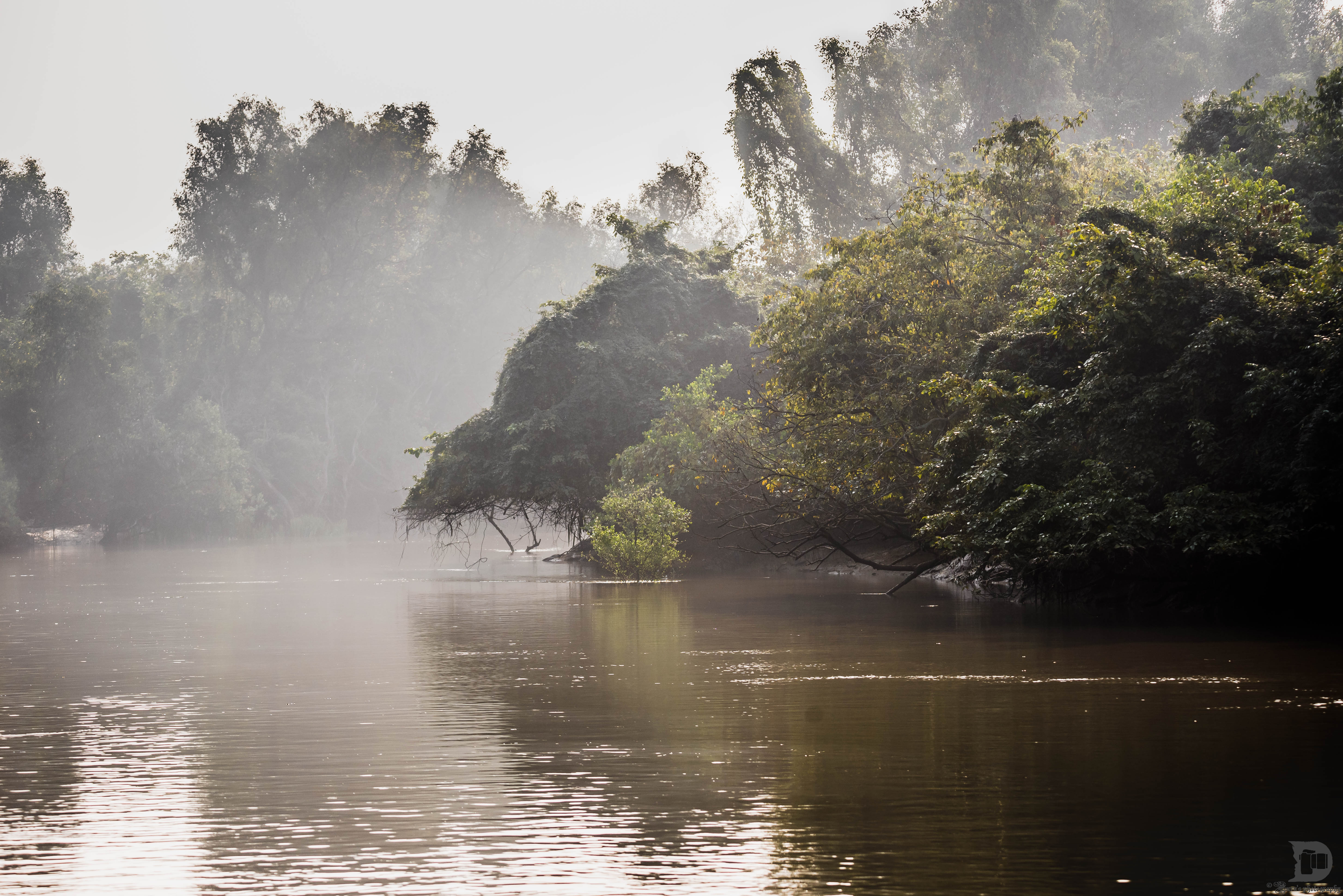
The sanctuary is located in the deltaic region of the Krishna River, featuring flat, low-lying terrain with interconnected river channels, mudflats, and estuarine wetlands. The climate is tropical, with hot summers, moderate winters, and heavy rainfall during the southwest monsoon (June–September). The Krishna River and associated creeks provide freshwater inflow, which mixes with tidal seawater to create brackish water habitats essential for fish, crabs, and migratory birds.
Flora (Plant Life)
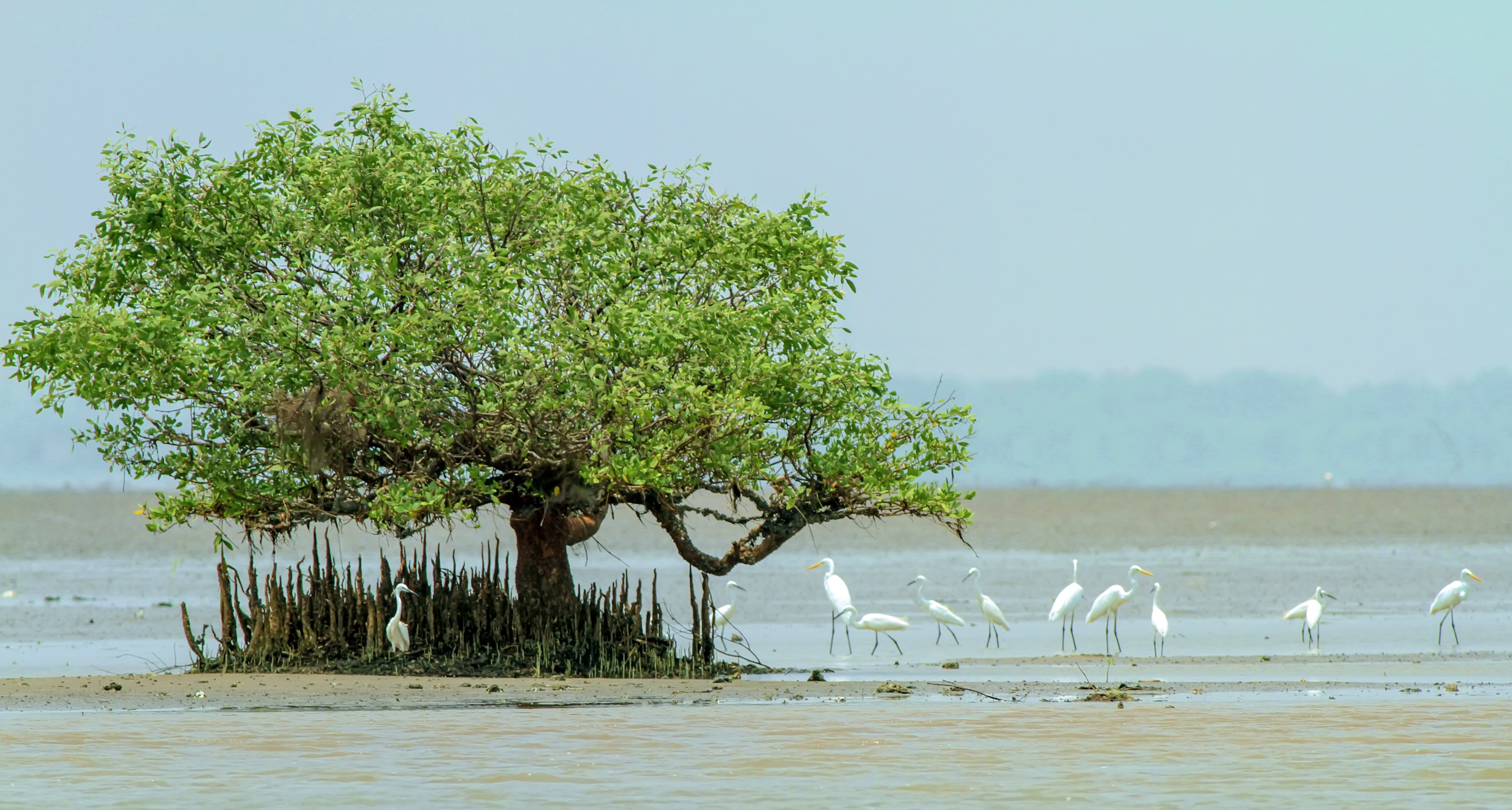
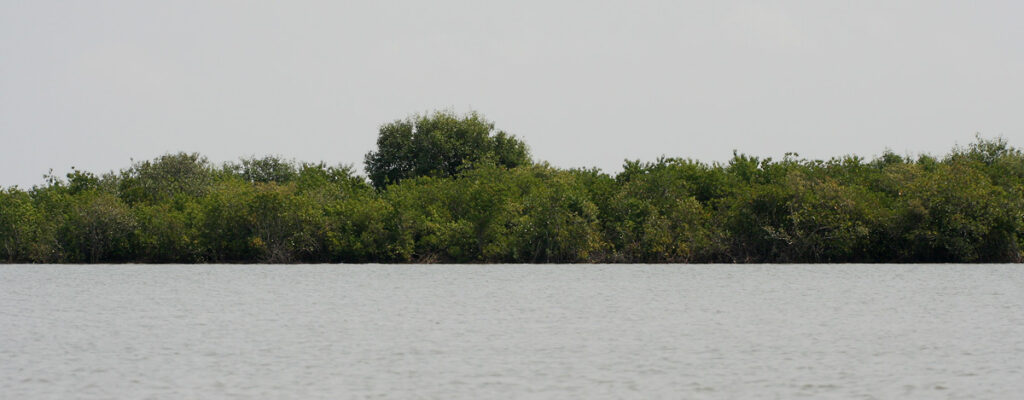
Krishna Wildlife Sanctuary is known for its mangrove vegetation, which stabilizes the riverbanks and supports aquatic life. Key plant species include:
Avicennia officinalis (Grey mangrove)
Rhizophora mucronata (Red mangrove)
Aegiceras corniculatum (Black mangrove)
Sonneratia alba (Mangrove apple)
Herbaceous plants and grasses along river edges
The dense mangroves act as breeding grounds for fish and crustaceans and serve as a natural buffer against coastal erosion and cyclones.
Fauna (Animal Life)
Birds:
Krishna Wildlife Sanctuary is a birdwatcher’s paradise, hosting over 150 species of resident and migratory birds.
Notable species include kingfishers, herons, egrets, storks, sandpipers, and the globally threatened spot-billed pelican.
The sanctuary is a key stopover for migratory waterfowl during winter.
Mammals:
Although mammals are less prominent, species like fishing cats, small Indian civets, and otters are found in the mangroves and river channels.
Aquatic Life:
The estuarine ecosystem supports crabs, prawns, and a variety of fish species, including those important for local fisheries.
Reptiles and Amphibians:
The sanctuary hosts mugger crocodiles, water snakes, and various amphibians thriving in wetland and mangrove habitats.
Threats and Conservation Challenges
Mangrove Degradation: Encroachment, pollution, and land conversion for aquaculture have reduced mangrove cover.
Overfishing: Intensive fishing and trapping affect the balance of aquatic species.
Pollution: Industrial effluents and agricultural runoff threaten the sanctuary’s water quality.
Climate Change: Rising sea levels and increased cyclonic activity endanger low-lying habitats.
The Andhra Pradesh Forest Department monitors the sanctuary, implements mangrove restoration programs, regulates fishing, and works to protect migratory birds and aquatic species.
Tourism and Eco-Activities
Visitors can enjoy birdwatching, nature photography, and guided mangrove walks.
The deltaic landscape and estuarine wetlands make it ideal for eco-tourism and environmental education.
Nearby Machilipatnam provides accessibility and basic accommodation facilities.
How to Reach Krishna Wildlife Sanctuary
By Air: The nearest airport is Vijayawada Airport (around 85 km away).
By Train: Machilipatnam Railway Station serves the area with connections from major Andhra cities.
By Road: Well-connected state highways and local roads make it accessible from Vijayawada, Machilipatnam, and nearby towns.
Nearby Attractions
Located in the Krishna River delta near Machilipatnam, the Krishna Wildlife Sanctuary is famous for its pristine mangrove forests, rich birdlife, and estuarine ecosystem. It is one of the most important mangrove habitats in South India.
1. Machilipatnam Beach
Distance: ~30–40 km
A serene beach along the Bay of Bengal known for its golden sands, sunsets, and coastal atmosphere. It’s a great place to relax after exploring the sanctuary.
2. Manginapudi Beach
Distance: ~35 km
One of Andhra Pradesh’s popular beaches, known for its black soil shoreline, sea breeze, and annual beach festivals.
3. Hamsaladeevi
Distance: ~20 km
A picturesque village where the Krishna River meets the Bay of Bengal. Visitors enjoy scenic river views, birdwatching, and the historic Venugopala Swamy Temple.
4. Machilipatnam Fort
Distance: ~35 km
A historic fort associated with colonial trade and maritime history, offering a glimpse into the region’s past.
5. Pedana Kalamkari Craft Village
Distance: ~45 km
Famous for traditional Kalamkari textile art, where visitors can observe artisans creating hand-painted and block-printed fabrics.
6. Prakasam Barrage
Distance: ~100 km
A major landmark across the Krishna River offering scenic views, especially during sunset. It serves as a gateway to several attractions in Vijayawada.
7. Kanaka Durga Temple
Distance: ~105 km
One of Andhra Pradesh’s most revered temples, situated atop Indrakeeladri Hill overlooking the Krishna River.
8. Undavalli Caves
Distance: ~110 km
Ancient rock-cut caves dating back to the 4th–5th centuries, featuring remarkable sculptures and architecture.
9. Mangalagiri Temple
Distance: ~115 km
A famous pilgrimage destination known for the Lakshmi Narasimha Swamy Temple and panoramic hilltop views.
10. Sorlagondi Mangroves
Distance: Within the sanctuary region
An excellent location for boating, photography, birdwatching, and experiencing the unique mangrove ecosystem of the Krishna delta.
Best Combination Itinerary
If you’re visiting Krishna Wildlife Sanctuary for a day or weekend, a popular route is:
Krishna Wildlife Sanctuary → Hamsaladeevi → Manginapudi Beach → Machilipatnam Fort → Pedana Kalamkari Village
Google Maps
FAQs
1. Where is Krishna Wildlife Sanctuary located?
Krishna Wildlife Sanctuary is located in the Krishna River delta in the districts of Krishna and NTR in Andhra Pradesh. It lies near Machilipatnam and covers extensive mangrove forests along the Bay of Bengal coast.
2. Why is Krishna Wildlife Sanctuary famous?
The sanctuary is renowned for its rich mangrove ecosystem, diverse birdlife, estuarine habitats, and the unique biodiversity of the Krishna River delta.
3. What is the best time to visit Krishna Wildlife Sanctuary?
The best time to visit is from October to March, when the weather is pleasant and migratory birds are commonly spotted.
4. What wildlife can be seen in the sanctuary?
Visitors may spot fishing cats, jackals, otters, wild boars, reptiles, and numerous species of resident and migratory birds.
5. Is Krishna Wildlife Sanctuary good for birdwatching?
Yes. The sanctuary is a paradise for birdwatchers, attracting species such as pelicans, painted storks, herons, egrets, flamingos, and various migratory waterbirds.
6. Are there mangrove forests in Krishna Wildlife Sanctuary?
Yes. The sanctuary protects one of the largest mangrove ecosystems on the east coast of India, which serves as a crucial breeding and feeding ground for wildlife.
7. Is boating available in the sanctuary?
Boating may be available in certain areas through local operators or eco-tourism initiatives, depending on weather conditions and government regulations.
8. How much time is needed to explore the sanctuary?
A half-day to full-day trip is usually sufficient for exploring the sanctuary, birdwatching, and enjoying the mangrove landscapes.
9. Is there an entry fee for Krishna Wildlife Sanctuary?
Entry fees and boating charges, if applicable, may vary. Visitors should check with local forest department authorities before planning their trip.
10. Can families visit Krishna Wildlife Sanctuary?
Yes. The sanctuary is suitable for families, nature enthusiasts, photographers, students, and birdwatchers.