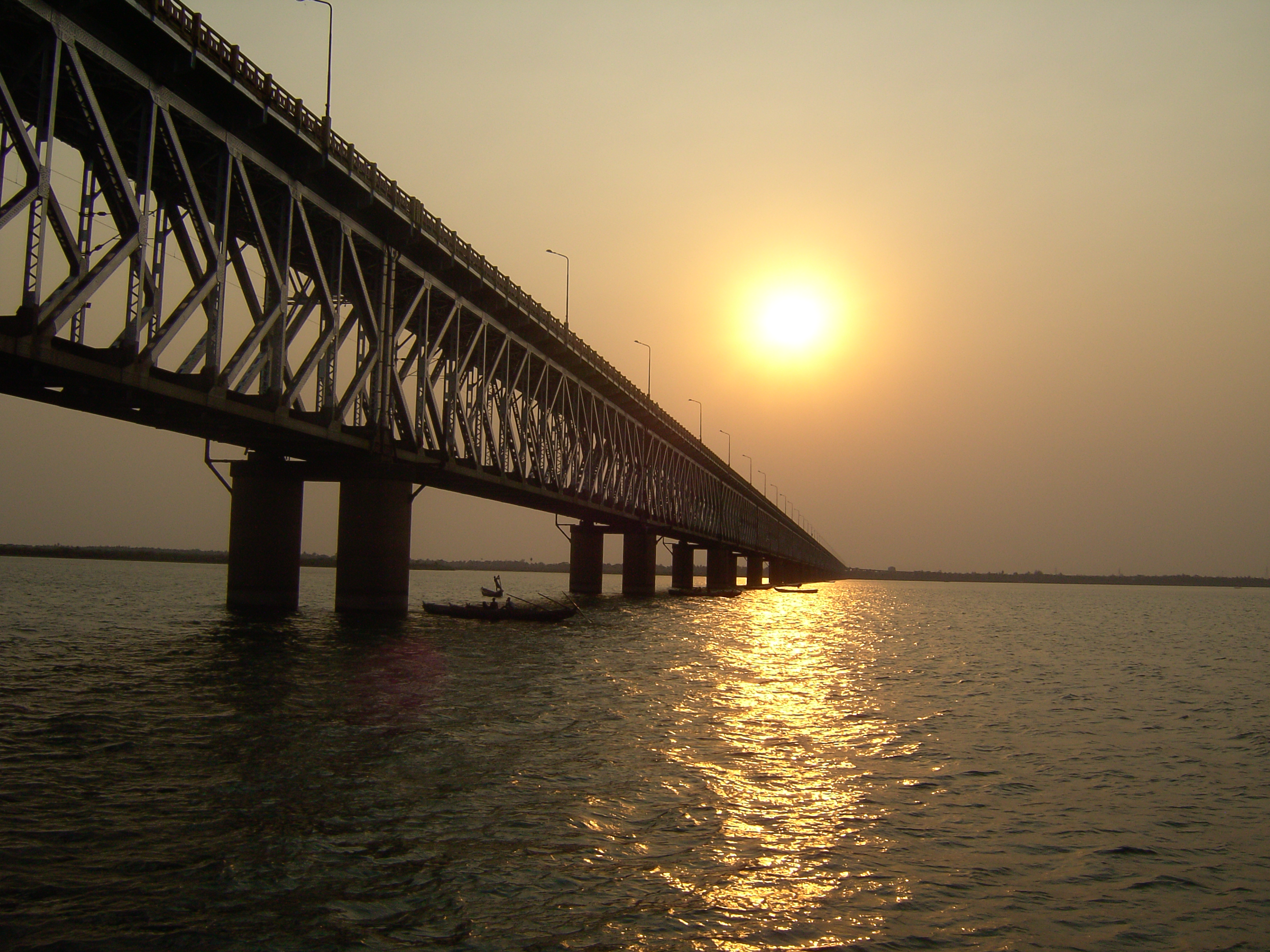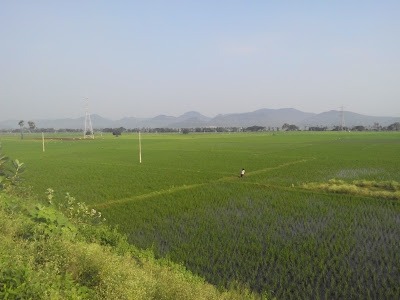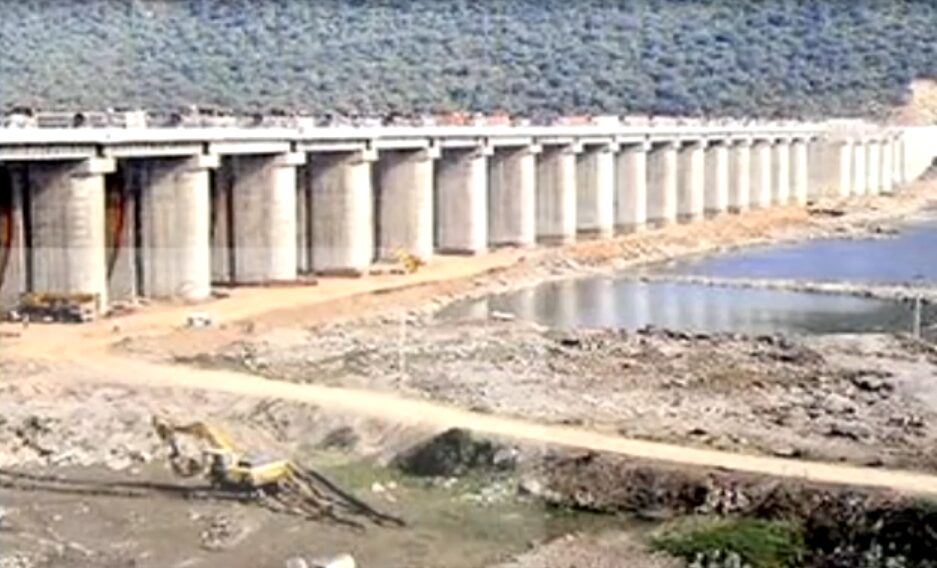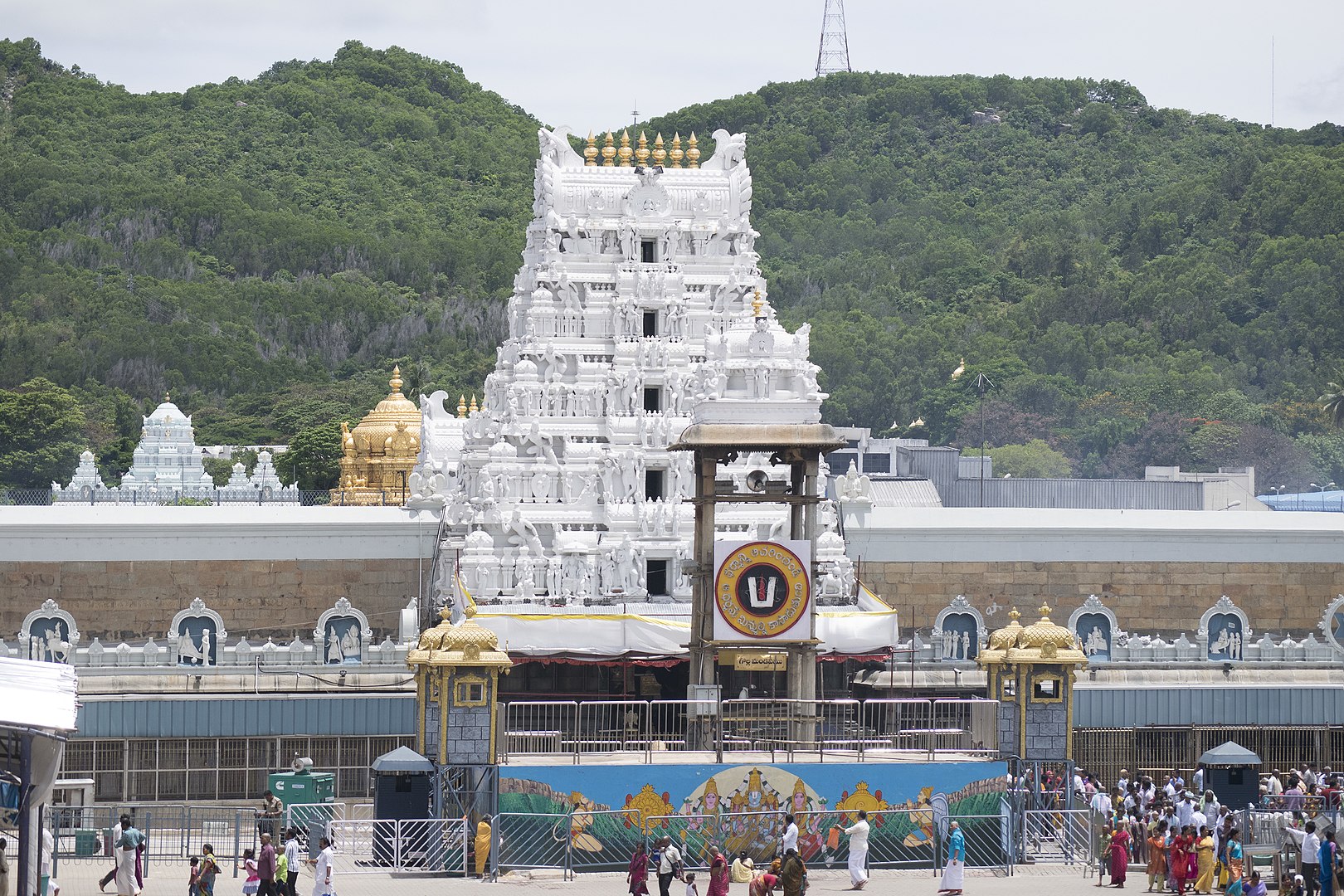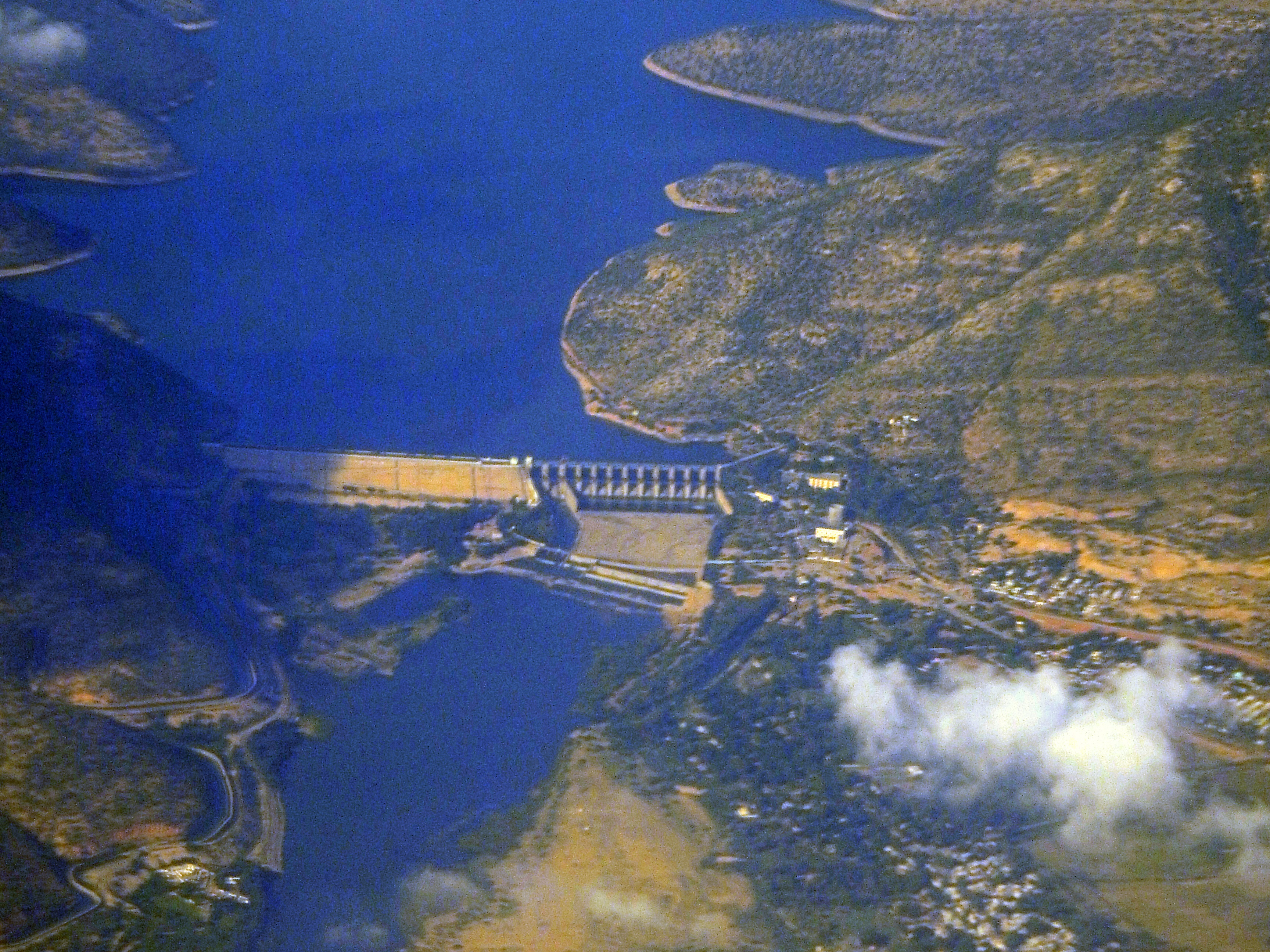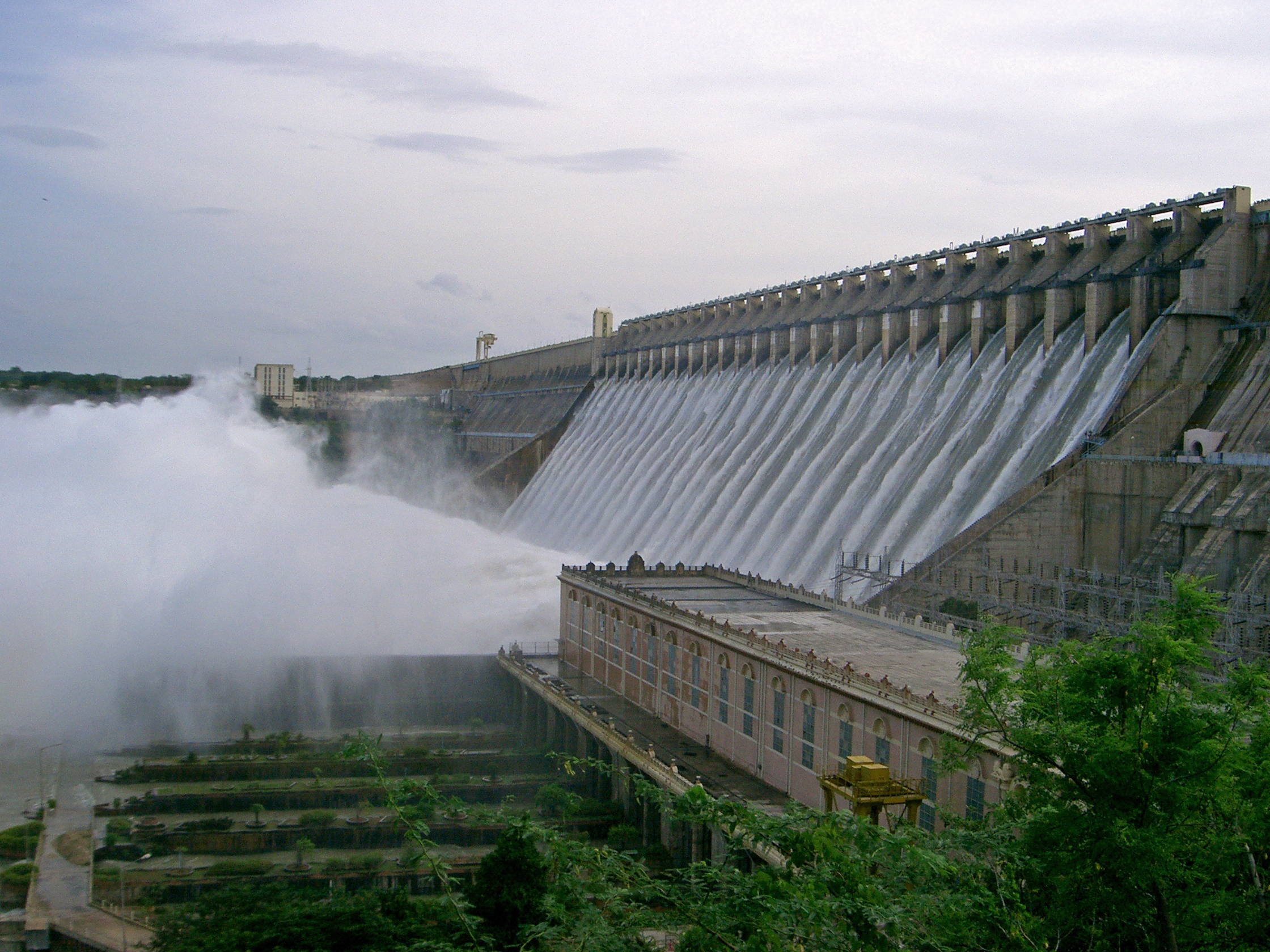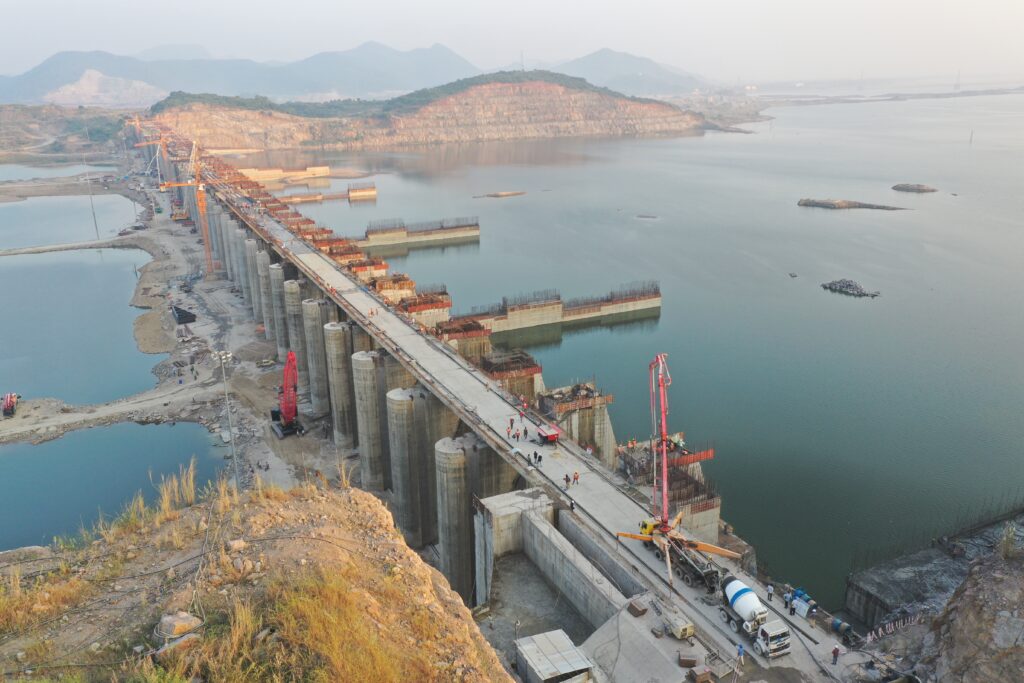
Image Source: Irrigationindia
About Polavaram Project
The Polavaram Project, officially called the Indira Sagar Multipurpose Project, is one of the largest and most ambitious irrigation projects in India. Located near Polavaram village in Eluru district, about 42 km from Rajamahendravaram, it is built across the Godavari River, the second-longest river in India.
Known as the “lifeline of Andhra Pradesh”, the project is designed to provide irrigation, hydroelectric power, flood control, and drinking water supply to millions of people.
History and Planning
The idea of harnessing the Godavari waters at Polavaram dates back to the early 1940s under the Madras Presidency. However, due to technical and administrative delays, the project was revived multiple times post-independence. Finally, it gained momentum after the formation of Andhra Pradesh state, and later after bifurcation in 2014, it was declared a national project.
The Polavaram Project Authority (PPA) was constituted to oversee its construction, with the goal of completing this mega irrigation structure to transform the state’s agrarian economy.
Design and Engineering Features
The Polavaram Project is a multipurpose dam-cum-reservoir system with a spillway length of 1,210 meters and designed to withstand 50 lakh cusecs of flood discharge, making it one of the largest in the world in terms of capacity.
The project aims to store 194 TMC (thousand million cubic feet) of water, which will be used for irrigation of over 7.2 lakh hectares of agricultural land across East Godavari, West Godavari, Krishna, and Visakhapatnam districts. It will also generate 960 MW of hydroelectric power through a powerhouse and provide drinking water to nearly 540 villages.
Benefits of the Project
The Polavaram Project is expected to change the socio-economic landscape of Andhra Pradesh. It will:
Provide assured irrigation water to drought-prone regions of Rayalaseema and Prakasam districts.
Divert 80 TMC of surplus Godavari waters to the Krishna basin through a Right Main Canal, stabilizing irrigation in Krishna delta.
Supply drinking water to 25 lakh people across multiple districts.
Generate hydroelectric power, contributing to energy security.
Control annual floods in the Godavari region, especially in East and West Godavari districts.
Challenges and Environmental Aspects
While the project is a boon, it has also faced challenges. The creation of the massive Polavaram Reservoir led to submergence of tribal villages in East Godavari, West Godavari, and parts of Chhattisgarh and Odisha. This required large-scale rehabilitation and resettlement programs for displaced families.
Environmental activists have also raised concerns about biodiversity loss, forest submergence, and cultural heritage sites being affected. The government, however, has taken steps for compensation, resettlement, and environmental safeguards to balance development with sustainability.
Tourism and Site Visits
The Polavaram Project Site itself has become a major attraction for locals and tourists interested in engineering marvels. Visitors can witness the massive spillway gates, canals, and powerhouse construction.
The sight of the Godavari River expanding into a vast reservoir is breathtaking, especially during monsoons. The nearby town of Rajamahendravaram serves as the main hub for visitors, offering access to attractions like the Dowleswaram Barrage, ISKCON Temple, and Papikondalu boat rides.
How to Reach Polavaram Project Site
By Road: Polavaram is about 42 km from Rajamahendravaram and can be reached by APSRTC buses, cabs, and private vehicles.
By Rail: The nearest railway station is Rajahmundry Railway Station, a major junction on the Howrah–Chennai route.
By Air: The closest airport is Rajahmundry Airport (50 km), connected to Hyderabad, Chennai, and Bengaluru.
Nearby Attractions
The Polavaram Project, officially known as the Indira Sagar Polavaram Project, is a major multipurpose irrigation project on the Godavari River in Andhra Pradesh. Apart from its engineering significance, the surrounding region is home to scenic river landscapes, temples, waterfalls, and eco-tourism destinations that attract visitors throughout the year.
1. Pattiseema
Located near Polavaram, Pattiseema is famous for the ancient Sri Veerabhadra Swamy Temple situated on a picturesque island in the Godavari River. Visitors can enjoy boat rides and stunning river views.
2. Papikondalu
One of the most popular tourist destinations near Polavaram, Papikondalu features breathtaking hill ranges along the Godavari River. River cruises through these lush green hills offer unforgettable views and experiences.
3. Perantalapalli
Nestled amid the Papikondalu hills, this serene tribal village is known for its spiritual atmosphere, Shiva temple, and bamboo handicrafts. It is a common stop during Godavari river cruises.
4. Rajamahendravaram (Rajahmundry)
Located about 40 km away, Rajamahendravaram is known for its rich cultural heritage, beautiful riverfront, Godavari bridges, and vibrant local markets.
5. Dowleswaram Barrage
Built by Sir Arthur Cotton, this historic barrage across the Godavari River is an engineering landmark and a popular sightseeing destination near Rajamahendravaram.
6. Kadiyam Nurseries
A paradise for plant lovers, Kadiyam is famous for its extensive flower gardens, ornamental plants, fruit saplings, and landscaping nurseries.
7. Maredumilli
Known for its dense forests, eco-tourism resorts, waterfalls, and trekking opportunities, Maredumilli is an ideal getaway for nature and adventure enthusiasts.
8. Jeelugumilli Waterfalls
A scenic waterfall destination surrounded by lush greenery and rocky terrain. The area is perfect for nature walks and photography.
9. Gundala Hot Springs
These natural hot water springs are believed to possess medicinal properties and attract visitors seeking relaxation and wellness experiences.
10. Korukonda Lakshmi Narasimha Swamy Temple
A renowned hilltop temple dedicated to Lord Narasimha. The temple offers panoramic views of the surrounding countryside and is a significant pilgrimage site.
11. Rampa Waterfalls
Located amidst forested hills, Rampa Waterfalls is a beautiful natural attraction popular among trekkers and photographers.
12. Sri Mangalagiri Temple, Pattiseema
Another sacred shrine near Pattiseema that attracts devotees visiting the Godavari river region.
Google Maps
FAQs
1. Where is the Polavaram Project located?
The Polavaram Project is located on the Godavari River near Polavaram in Eluru district (formerly part of West Godavari district), Andhra Pradesh.
2. Why is the Polavaram Project famous?
It is one of India’s largest multipurpose irrigation projects, designed to provide irrigation, hydroelectric power generation, drinking water supply, and flood control.
3. Can tourists visit the Polavaram Project?
Yes, visitors can view parts of the project and its surrounding viewpoints, although access to certain construction and operational areas may be restricted.
4. What is the best time to visit the Polavaram Project?
The ideal time is from October to March when the weather is pleasant and the surrounding landscapes are lush and green.
5. How far is Polavaram from Rajamahendravaram?
Polavaram is approximately 40–45 km from Rajamahendravaram and can be reached by road in about one hour.
6. Is boating available near the Polavaram Project?
Boating facilities are available in nearby Godavari tourism destinations such as Pattiseema and Papikondalu, depending on seasonal conditions.
7. What is the primary purpose of the Polavaram Project?
The project aims to provide irrigation to lakhs of acres of farmland, generate hydroelectric power, supply drinking water, and reduce flood risks.
8. Can Polavaram and Papikondalu be visited on the same trip?
Yes, many travelers combine a visit to the Polavaram Project with a Papikondalu river cruise and Pattiseema Temple excursion.
9. Are there accommodation options near Polavaram?
Accommodation is limited in Polavaram itself, but visitors can find hotels and resorts in Rajamahendravaram and nearby tourist areas.
10. What should visitors carry while visiting the Polavaram Project?
Carry drinking water, comfortable footwear, sunscreen, a hat, and a camera. During the monsoon season, rain protection is also recommended.