Image Source: Koushik
About Bapu Museum
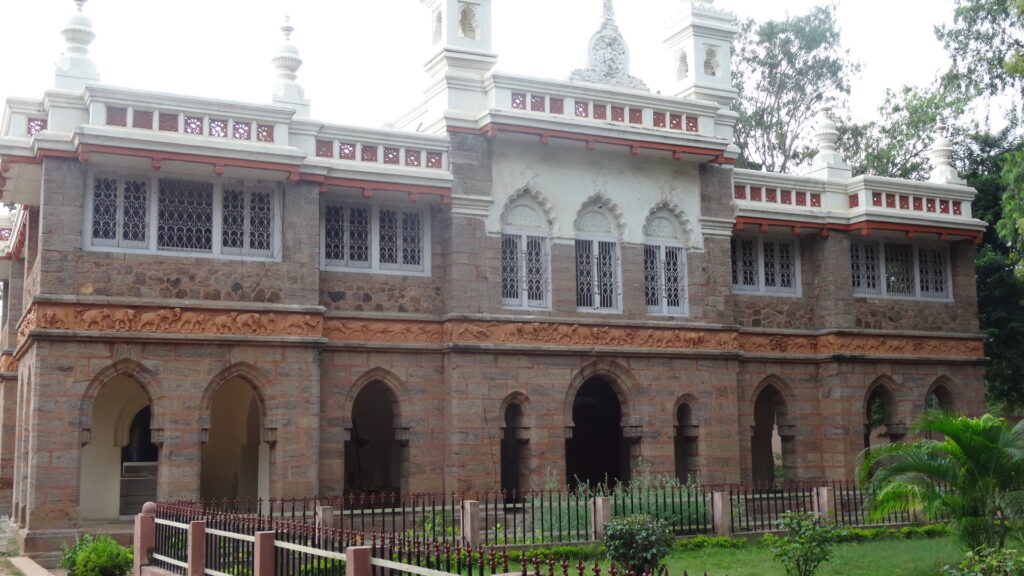
The Bapu Museum, officially known as the Bapu Arts and Culture Museum, is located in the heart of Vijayawada, Andhra Pradesh, and stands as a prominent center for art, culture, and heritage.
Named after the renowned artist and filmmaker Sattiraju Lakshminarayana (Bapu), the museum celebrates his contributions to Indian art and cinema while also showcasing regional art, historical artifacts, and cultural exhibits. It is a popular destination for art enthusiasts, students, historians, and tourists exploring the cultural richness of Andhra Pradesh.
Historical Significance
Originally established in the mid-20th century, the Bapu Museum was designed to preserve and promote the visual arts and cultural heritage of the region.
Over time, it has grown to house extensive collections of paintings, sculptures, and other artistic works, reflecting both traditional Andhra art forms and contemporary influences. The museum also emphasizes the legacy of Bapu, whose distinctive style in art and filmmaking has left a lasting impact on Indian visual culture.
Collections and Exhibits
Paintings and Artworks: The museum houses a diverse range of watercolors, oil paintings, and sketches, including works inspired by Indian mythology, folklore, and contemporary life.
Sculptures and Figurines: Exhibits include sculptures of deities, animals, and cultural figures, highlighting the traditional craftsmanship of the region.
Bapu’s Legacy: Dedicated sections showcase original sketches, paintings, and film-related artwork by Bapu, giving visitors insight into his creative process and artistic journey.
Cultural Exhibits: The museum also features artifacts related to Andhra Pradesh’s history, folk arts, and handicrafts, providing a comprehensive view of the state’s artistic heritage.
Educational and Cultural Importance
The Bapu Museum serves as an educational hub for students, artists, and researchers, promoting awareness and appreciation of both classical and modern art forms. By highlighting the work of Bapu alongside traditional Andhra art, the museum bridges historical and contemporary perspectives, making it a valuable resource for cultural learning and artistic inspiration.
Visitor Experience
Visitors to the Bapu Museum can explore well-curated galleries that provide contextual information about each exhibit. The museum encourages interactive and educational visits, making it suitable for school trips, art workshops, and cultural tours.
Its central location in Vijayawada makes it easily accessible for local and out-of-town tourists, and photography is typically allowed in designated areas for personal use.
How to Reach Bapu Museum, Vijayawada
By Road: The museum is situated in central Vijayawada, well-connected by city buses, taxis, and auto-rickshaws.
By Rail: The nearest railway station is Vijayawada Junction, a major rail hub connecting to all parts of India.
By Air: Vijayawada Airport is about 15 km away, offering domestic flights to cities like Hyderabad, Bengaluru, Chennai, and Delhi.
Nearby Attractions
1. Kanaka Durga Temple
Situated atop Indrakeeladri Hill, this famous temple dedicated to Goddess Durga is one of the most visited pilgrimage sites in Andhra Pradesh. It offers panoramic views of the Krishna River and Vijayawada city.
2. Prakasam Barrage
A landmark structure across the Krishna River, Prakasam Barrage is especially beautiful during the evening when it is illuminated. The barrage offers scenic river views and is a favorite photography spot.
3. Bhavani Island
One of the largest river islands in India, Bhavani Island is known for boating, water sports, riverside views, and family-friendly recreational activities.
4. Undavalli Caves
These ancient rock-cut caves date back to the 4th and 5th centuries and feature remarkable architecture, sculptures, and a massive reclining Vishnu statue.
5. Gandhi Hill
One of the first Gandhi memorials in India, Gandhi Hill provides excellent city views, a planetarium, and historical exhibits.
6. Rajiv Gandhi Park
A well-maintained urban park featuring landscaped gardens, children’s play areas, and recreational facilities for families.
7. Punnami Ghat
Located on the banks of the Krishna River, Punnami Ghat is popular for boat rides, river cruises, and scenic sunset views.
8. Dr. B.R. Ambedkar Smriti Vanam
Home to one of the tallest statues of Dr. B.R. Ambedkar, this memorial has become a major attraction and viewpoint in the city.
9. Mangalagiri Panakala Lakshmi Narasimha Swamy Temple
A revered temple located a short drive from Vijayawada and known for its unique traditions and hilltop setting.
10. Kondapalli Fort
A historic hill fort offering scenic views, ancient structures, and access to the famous Kondapalli toy-making village.
Google Maps
FAQs
1. What is Bapu Museum famous for?
Bapu Museum is famous for its collection of archaeological artifacts, Buddhist sculptures, Hindu relics, ancient coins, paintings, weapons, and historical exhibits related to Andhra Pradesh’s heritage.
2. Where is Bapu Museum located?
The museum is located on MG Road, Buckinghampeta, Vijayawada, Andhra Pradesh.
3. What was the museum previously called?
It was originally known as the Victoria Jubilee Museum before being renamed in honor of the renowned Telugu artist, cartoonist, writer, and filmmaker Bapu.
4. What are the museum’s major exhibits?
The museum showcases Buddhist sculptures, stone inscriptions, ancient manuscripts, coins, paintings, weapons, prehistoric tools, and artifacts from various dynasties.
5. How much time is needed to explore the museum?
Most visitors spend about 1 to 2 hours exploring the galleries and exhibits.
6. What is the best time to visit Bapu Museum?
The period from October to March is considered the best time because of Vijayawada’s pleasant weather.
7. Is photography allowed inside the museum?
Photography policies may vary. Visitors should check with museum authorities regarding current photography permissions and fees.
8. Is the museum suitable for children and students?
Yes. The museum is an excellent educational destination for students, researchers, history enthusiasts, and families interested in archaeology and culture.
9. What is the historical significance of the museum building?
The building was constructed in 1887 to commemorate Queen Victoria’s Golden Jubilee and later became an archaeological museum managed by the Andhra Pradesh Department of Archaeology and Museums.
10. Can Bapu Museum be combined with other Vijayawada attractions in a single day?
Yes. Visitors often combine Bapu Museum with Kanaka Durga Temple, Prakasam Barrage, Bhavani Island, Gandhi Hill, and Undavalli Caves in a one-day Vijayawada sightseeing itinerary.