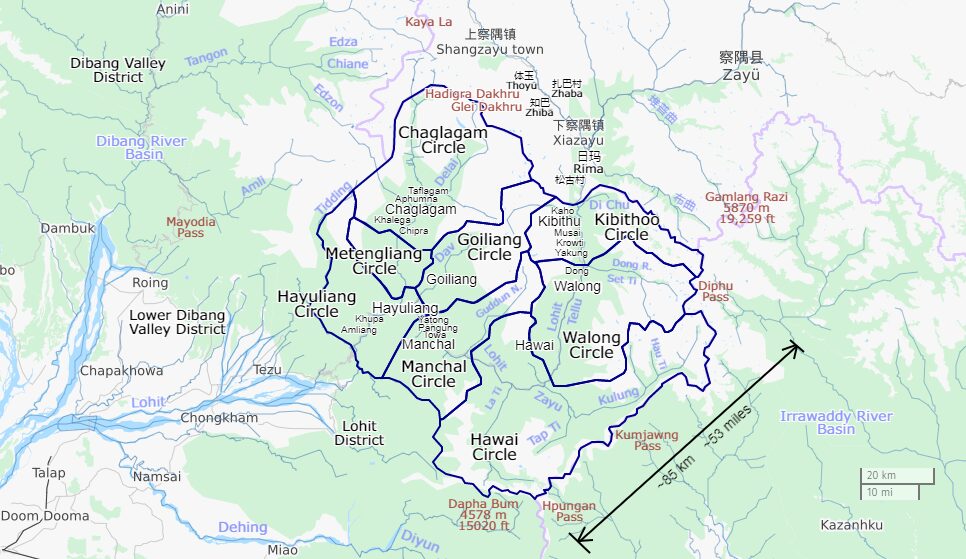
Image Source: Wikimedia
About Chaglagam Valley
Hidden deep within the remote mountains of Arunachal Pradesh, Chaglagam Valley is one of the most untouched and mysterious regions of Northeast India. Located in the Anjaw district near the Indo-China border, this isolated Himalayan valley is known for its dramatic landscapes, dense forests, roaring rivers, and breathtaking mountain scenery. Far away from crowded tourist circuits, Chaglagam offers a raw and authentic experience for travellers who seek solitude, adventure, and cultural richness.
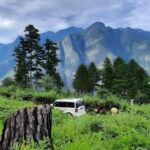
The valley is surrounded by the towering Mishmi Hills and thick evergreen forests that remain covered in mist for much of the year. The terrain here is rugged and wild, with narrow mountain roads winding through deep gorges and river valleys. Because of its remoteness, Chaglagam has preserved much of its natural beauty and traditional way of life. The journey itself feels like an expedition into one of India’s last unexplored frontiers.
The Culture and Life of the Mishmi Tribe
Chaglagam Valley is home mainly to the Mishmi tribe, one of the oldest indigenous communities of Arunachal Pradesh. The people here continue to live closely connected with nature, preserving traditions, customs, and beliefs that have been passed down for generations.
The Mishmi villages scattered across the valley are known for their wooden houses, traditional attire, and strong community bonds. Visitors often get the opportunity to witness local craftsmanship, weaving, folk music, and ancient storytelling traditions. Festivals celebrated in the valley are colourful and deeply spiritual, reflecting the tribe’s respect for nature, mountains, rivers, and ancestral spirits.
Unlike heavily commercialized tourist destinations, cultural interactions in Chaglagam feel genuine and personal. Travellers who spend time in the villages often leave with a deeper understanding of tribal life in the Eastern Himalayas.
Natural Beauty and Landscapes
One of the most remarkable features of Chaglagam Valley is its untouched wilderness. The landscape changes dramatically from dense subtropical forests to alpine meadows and snow-covered mountain slopes. Crystal-clear streams flow through the valley, while clouds drift slowly across the hills, creating postcard-like scenery at every turn.
The surrounding Mishmi Hills are particularly famous for their biodiversity and scenic beauty. During sunrise and sunset, the mountains glow in shades of gold and orange, making the valley a paradise for photographers and nature lovers.
In spring and early summer, wildflowers bloom across the hillsides, adding colour to the rugged Himalayan terrain. During winter, the region experiences cold temperatures and occasional snowfall in higher elevations, giving the valley an even more dramatic appearance.
Trekking and Adventure Opportunities
For adventure enthusiasts, Chaglagam Valley offers incredible opportunities for trekking and exploration. The region has several unexplored trails passing through forests, river crossings, remote villages, and high mountain ridges. These trekking routes provide stunning views of the Eastern Himalayas and allow travellers to experience the untouched beauty of Arunachal Pradesh.
Because tourism infrastructure is still developing, trekking in Chaglagam feels far more adventurous than in mainstream Himalayan destinations. Many routes require local guides who understand the terrain and weather conditions. Travellers should be prepared for basic facilities, changing weather, and long travel hours, but the reward is an unforgettable wilderness experience.
Camping beside rivers, walking through misty forests, and hearing nothing but birds and flowing water make Chaglagam ideal for people looking to disconnect from urban life.
Wildlife and Biodiversity
The forests around Chaglagam Valley are incredibly rich in biodiversity. The area forms part of the Eastern Himalayan ecological zone, which is considered one of the world’s biodiversity hotspots.
Wildlife species found in the region include the elusive red panda, Himalayan black bear, clouded leopard, barking deer, and several rare species of birds. Birdwatchers are especially drawn to the valley because of sightings of hornbills, Satyr tragopans, Himalayan monals, and many migratory birds.
The dense forests are also home to medicinal plants, orchids, bamboo groves, and rare Himalayan flora. Since the region remains relatively undisturbed, it provides an important habitat for many endangered species.
Historical Importance of Chaglagam Valley
Apart from its natural beauty, Chaglagam also holds strategic and historical significance. Due to its location near the Indo-China border, the valley gained importance during the 1962 Sino-Indian War. Although the region remained sparsely populated, its difficult terrain and border proximity made it strategically sensitive.
Even today, the valley lies within a protected border region, and visitors require permits to enter. This isolation has unintentionally helped preserve the valley’s culture, forests, and traditional lifestyle.
Local Food and Traditional Lifestyle
Food in Chaglagam Valley reflects the simplicity and traditions of tribal life. Local meals often include rice, smoked meat, boiled vegetables, bamboo shoots, and herbal preparations sourced from nearby forests. Traditional cooking methods use natural ingredients and very little oil or spice.
Hospitality is an important part of Mishmi culture, and visitors staying in homestays may get a chance to enjoy authentic local dishes prepared by village families. Drinking locally brewed beverages and sharing meals around a fire are memorable parts of the travel experience.
How to Reach Chaglagam Valley
Reaching Chaglagam Valley requires patience and careful planning, but the journey itself is incredibly scenic.
By Air
The nearest major airport is located in Dibrugarh, Assam. From there, travellers usually continue by road toward Arunachal Pradesh.
By Road
The common travel route is:
Dibrugarh → Tinsukia → Tezu → Hayuliang → Chaglagam
Hayuliang is the nearest major town to Chaglagam, located around 80 kilometres away. The roads beyond Hayuliang are mountainous and rough in several stretches, so sturdy vehicles and experienced drivers are highly recommended.
Permits Required
Since Chaglagam lies in a protected border area, Indian travellers need an Inner Line Permit (ILP), while foreign nationals require a Protected Area Permit (PAP). Carrying identification documents and consulting local authorities before travel is important.
Best Time to Visit Chaglagam Valley
October to April
This is considered the best season to visit the valley. The weather remains cool and pleasant, skies are generally clear, and mountain views are spectacular. Trekking, sightseeing, photography, and cultural exploration are most enjoyable during this period.
May to September
The monsoon season brings heavy rainfall, landslides, and slippery mountain roads. Travel can become difficult and unpredictable during these months. However, the forests appear exceptionally lush and green after the rains.
Nearby Attractions of Chaglagam Valley
Nestled in the remote Anjaw district of Arunachal Pradesh, Chaglagam Valley is one of the least-explored yet most spectacular valleys in the Eastern Himalayas. Located along the Dalai River and surrounded by dense forests, waterfalls, and high mountains, the valley offers a perfect blend of adventure, nature, and indigenous Mishmi culture. The region is also known for its large cardamom cultivation and pristine wilderness.
1. Glow Lake
One of the most famous attractions near Chaglagam, Glow Lake is a high-altitude alpine lake reached through a challenging trek. The route passes through rhododendron forests, mountain meadows, and pristine Himalayan landscapes. The lake is surrounded by snow-clad peaks and is a major attraction for trekkers and adventure enthusiasts.
2. Dalai River
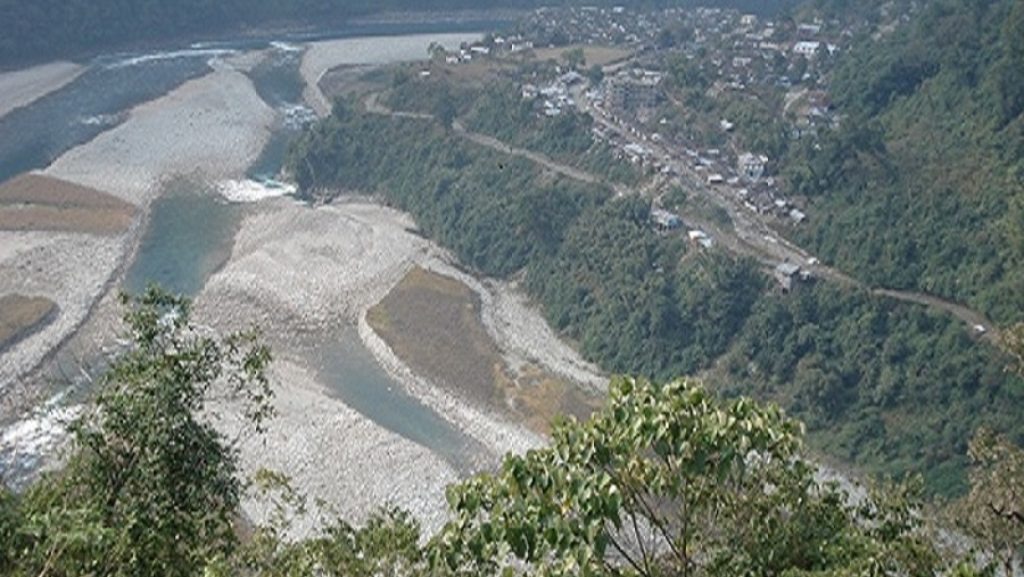
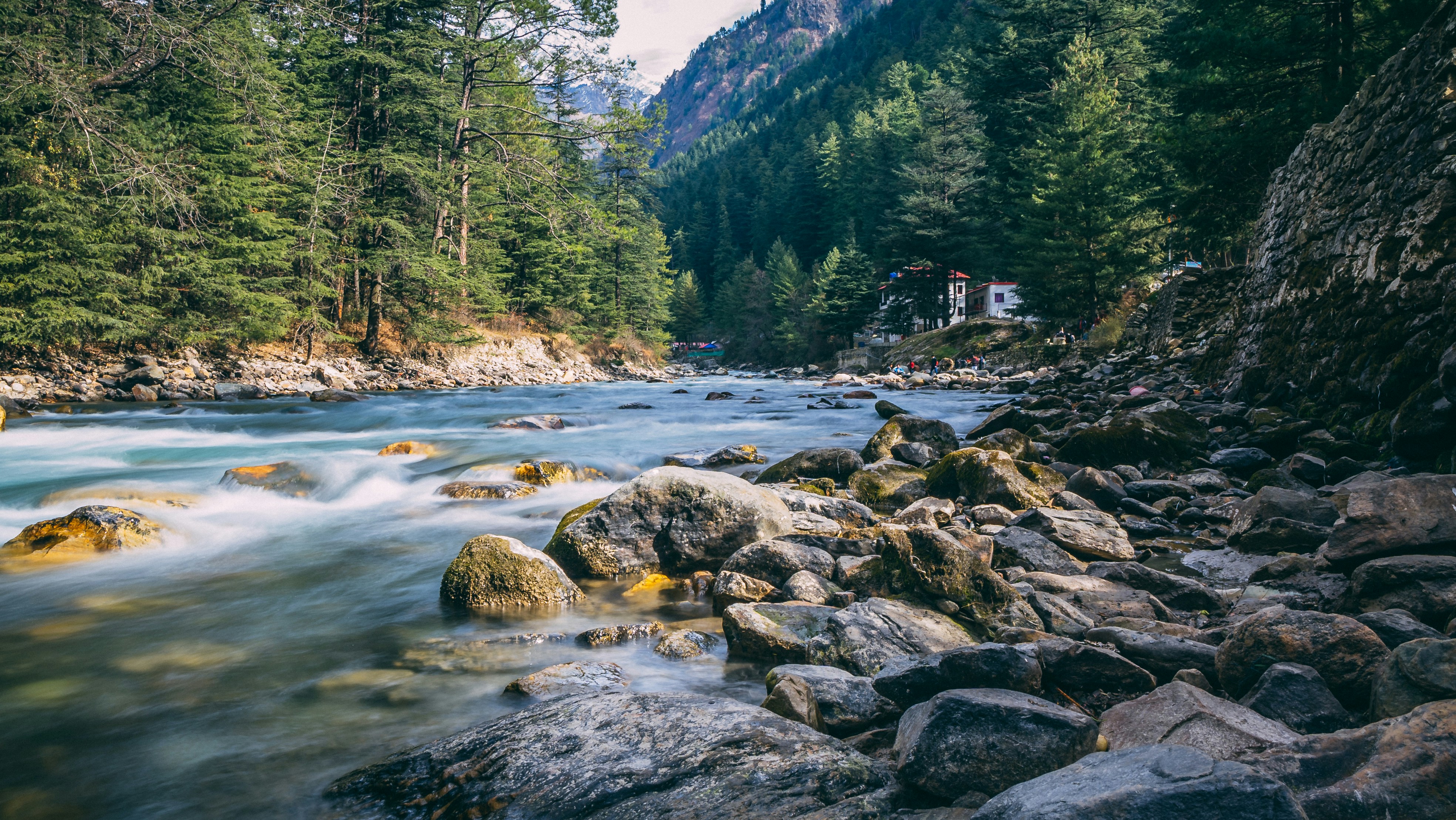
Flowing through the valley, the Dalai River offers stunning scenery and opportunities for nature walks, photography, angling, and riverside camping. The crystal-clear waters and dramatic mountain backdrop make it one of the highlights of the region.
3. Hayuliang
Located on the route to Chaglagam, Hayuliang serves as an important gateway to the remote eastern parts of Arunachal Pradesh. The town is surrounded by forested hills and river valleys and provides excellent views of the Lohit basin.
4. Mishmi Tribal Villages
Several traditional Digaru Mishmi villages are scattered throughout the valley. Visitors can experience unique local customs, traditional bamboo houses, indigenous cuisine, and the rich cultural heritage of one of Arunachal Pradesh’s oldest tribal communities.
5. Chakka Village
Situated a short distance from Chaglagam, this picturesque village offers beautiful mountain scenery, terraced cultivation, and an authentic glimpse into rural life in the Eastern Himalayas.
6. Waterfalls of Dalai Valley
Numerous seasonal and perennial waterfalls cascade down the surrounding mountains. During and after the monsoon season, these waterfalls become especially spectacular and create excellent photography opportunities.
7. Indo-China Border Landscapes
The upper reaches of Chaglagam Circle lie close to the India-China border. The region features rugged mountains, deep valleys, and untouched wilderness that appeal to travelers seeking remote Himalayan experiences.
8. Cardamom Farms
Chaglagam is widely known for large cardamom cultivation. Visitors can explore the lush plantations spread across the valley and learn about one of the area’s most important agricultural activities.
9. Trekking Routes Around Chaglagam
The valley serves as a base for several trekking routes through dense forests, high ridges, and alpine landscapes. These trails provide opportunities to observe rare Himalayan flora and fauna while enjoying panoramic mountain views.
10. Lohit Valley
A short journey from Chaglagam leads to the magnificent Lohit Valley, known for its powerful river, dramatic gorges, and scenic Himalayan vistas. It is one of the most beautiful river valleys in Arunachal Pradesh.
Why Chaglagam Valley Remains Special
What makes Chaglagam truly unique is its untouched character. Unlike popular Himalayan tourist destinations filled with hotels and crowds, this valley still feels wild, peaceful, and deeply connected to nature. Every part of the journey — from crossing mountain roads to interacting with local villagers — feels authentic and memorable.
For travellers seeking hidden landscapes, tribal culture, adventure, and silence away from modern chaos, Chaglagam Valley offers an experience that is both rare and unforgettable.
Google Maps
FAQs
Where is Chaglagam Valley located?
Chaglagam Valley is located in the Anjaw district of Arunachal Pradesh near the Indo-China border in Northeast India.
Is Chaglagam Valley safe for tourists?
Yes, the valley is generally safe for travellers. However, due to its remote location and difficult terrain, visitors should travel carefully, preferably with local guidance and proper planning.
Do tourists need permits to visit Chaglagam?
Yes. Indian tourists require an Inner Line Permit (ILP), while foreign tourists need a Protected Area Permit (PAP).
What is the best time to visit Chaglagam Valley?
The best time to visit is between October and April when the weather remains clear and suitable for travel and trekking.
Can beginners go trekking in Chaglagam Valley?
Some easier trails are suitable for beginners, but many routes are remote and challenging. Hiring local guides is strongly recommended.
Which tribe lives in Chaglagam Valley?
The valley is predominantly inhabited by the Mishmi tribe, known for their rich cultural traditions and close connection with nature.
Is accommodation available in Chaglagam?
Basic guesthouses, government rest houses, and homestays may be available, but facilities are limited compared to mainstream tourist destinations.
Why is Chaglagam famous?
Chaglagam is famous for its untouched Himalayan landscapes, tribal culture, biodiversity, remote trekking routes, and strategic border location.