Image Source: anjaw.nic.in
About Hayuliang
Nestled deep within the misty mountains of eastern Arunachal Pradesh, Hayuliang is a peaceful hill town in the remote Anjaw district. Surrounded by lush valleys, dense forests, and winding rivers, this lesser-known destination offers a glimpse into one of the most untouched corners of Northeast India. The name “Hayuliang” is believed to mean “the place of my liquor” in the Mishmi dialect, reflecting the region’s deep-rooted tribal traditions and cultural identity.
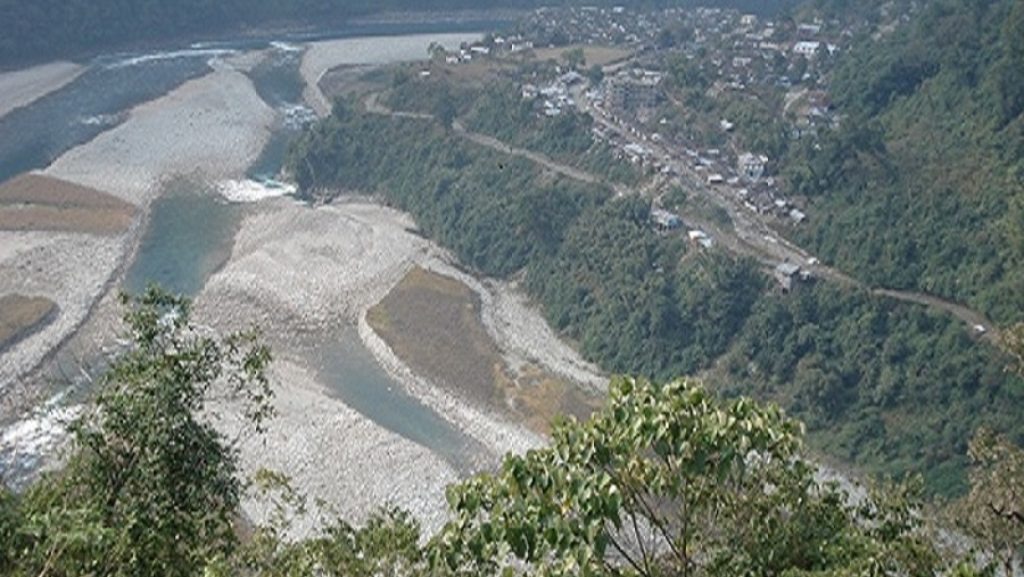
Located at an elevation of around 750 metres above sea level, Hayuliang sits near the spectacular meeting point of the Lohit and Delai rivers. From the hilltops around the town, visitors can witness sweeping views of river valleys, terraced farms, forested ridges, and clouds drifting slowly across the mountains. The beauty of the landscape changes constantly with the weather, making every hour feel different from the last.
The journey to Hayuliang is equally unforgettable. The roads twist through dramatic Himalayan terrain, crossing hanging bridges, waterfalls, steep cliffs, and thick green forests. Long drives through this region are not just about reaching a destination — they are experiences in themselves. Along the route, travellers often come across small tribal settlements, roadside tea stalls, and panoramic viewpoints that reveal the raw beauty of Arunachal Pradesh.
Natural Beauty and Landscape
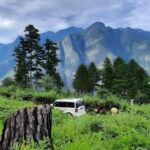
Hayuliang is blessed with an extraordinary natural setting. The surrounding hills are covered with tropical and subtropical forests that remain green throughout most of the year. During winter, the skies become remarkably clear, offering breathtaking mountain views, while the monsoon transforms the valleys into a vibrant sea of greenery.
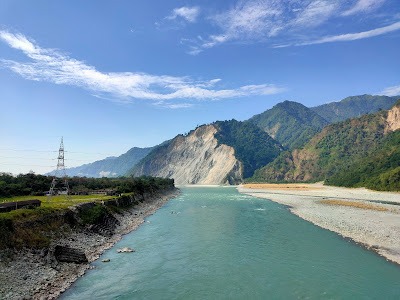
The Lohit River, known for its fast-flowing turquoise waters, adds immense charm to the region. Watching the confluence of the Lohit and Delai rivers from nearby viewpoints is one of the most memorable experiences in Hayuliang. Early mornings are especially magical, with mist floating over the valleys and sunlight gradually illuminating the hills.
The area is also rich in biodiversity. Dense forests around Hayuliang are home to rare birds, butterflies, medicinal plants, and wildlife found only in the Eastern Himalayas. Nature lovers and photographers often find the untouched scenery incredibly rewarding.
Things to Do in Hayuliang
Enjoy Scenic River Valley Views
One of the main attractions of Hayuliang is the stunning landscape created by the Lohit and Delai rivers. Several viewpoints around the town offer panoramic views of deep valleys, rolling hills, and river bends. Sunrise and sunset bring especially beautiful colours to the mountains.
Go for Nature Walks and Hiking
The hills surrounding Hayuliang are perfect for slow walks and short hikes. Trails pass through pine groves, bamboo forests, cardamom plantations, and remote villages. Walking through these peaceful landscapes allows travellers to experience the region’s natural beauty up close.
Birdwatching and Wildlife Observation
Hayuliang is an excellent destination for bird enthusiasts. The forests here are home to Himalayan bulbuls, scarlet minivets, laughing thrushes, and occasionally the rare Mrs. Hume’s pheasant. The quiet environment and low tourist activity make the area ideal for observing birds in their natural habitat.
Experience Mishmi Tribal Culture
The region is inhabited mainly by the Mishmi tribes, who are known for their rich traditions, weaving skills, and deep knowledge of forest-based herbal medicine. Visitors can learn about traditional lifestyles, local food habits, bamboo craftsmanship, and indigenous customs that have survived for generations.
The warmth and hospitality of the local people leave a lasting impression on most travellers. Traditional homes made of bamboo and wood still form an important part of village life in many nearby settlements.
Nearby Attractions of Hayuliang
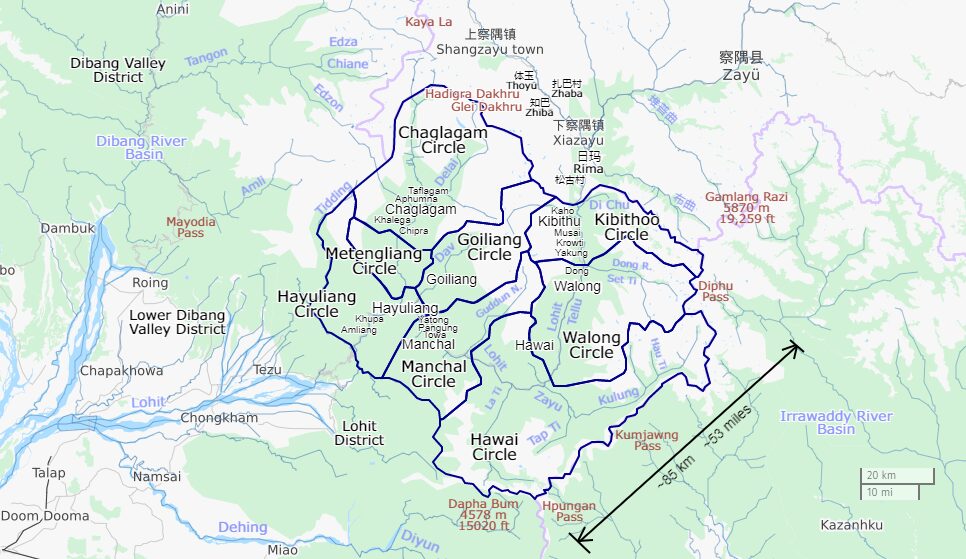
Hayuliang is a picturesque town in the Anjaw district of Arunachal Pradesh, located near the confluence of the Lohit and Dalai (Delei) rivers. Surrounded by lush hills, dense forests, and scenic valleys, it serves as an important gateway to eastern Arunachal Pradesh and offers visitors a blend of natural beauty, tribal culture, and adventure.
1. Lohit–Dalai River Confluence
One of the most beautiful spots in Hayuliang is the confluence of the Lohit and Dalai rivers. The meeting of these rivers amidst forested hills creates a spectacular landscape that attracts photographers and nature lovers.
2. Walong
Located further east, Walong is famous for its breathtaking mountain scenery and historical significance during the 1962 Indo-China War. Visitors can explore war memorials, river valleys, and traditional villages.
3. Dong Village
Known as one of the first places in India to witness sunrise, Dong Village is a major attraction near Hayuliang. A short trek leads to a viewpoint offering magnificent sunrise views over the Eastern Himalayas.
4. Kibithu
Situated near the India-China border, Kibithu offers dramatic mountain landscapes, pristine forests, and panoramic views of the Lohit Valley. It is among the easternmost inhabited regions of India.
5. Glow Lake
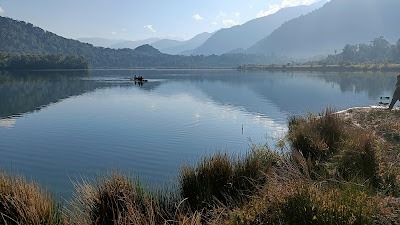
This beautiful high-altitude lake is one of the most sought-after trekking destinations in eastern Arunachal Pradesh. The trail passes through dense forests and alpine meadows before reaching the pristine lake.
6. Kamlang Wildlife Sanctuary
Located near Wakro, the sanctuary is home to rich biodiversity, including hoolock gibbons, takins, and numerous bird species. It is an excellent destination for wildlife enthusiasts and trekkers.
7. Tezu
About 100 km from Hayuliang, Tezu is known for its scenic surroundings, cultural attractions, and as a major transit hub for travelers heading into eastern Arunachal Pradesh.
8. Mishmi Tribal Villages
The region around Hayuliang is inhabited by Digaru Mishmi and Miju Mishmi communities. Visitors can experience traditional lifestyles, local cuisine, handicrafts, and unique cultural practices.
9. Chaglagam Valley
A remote Himalayan valley known for cardamom plantations, rivers, forests, and trekking opportunities. It offers an authentic off-the-beaten-path experience.
10. Khupa
Located close to Hayuliang, Khupa is a growing settlement surrounded by scenic hills and forests. It provides excellent viewpoints and serves as a convenient stop for travelers exploring Anjaw district.
Cultural and Historical Importance
Hayuliang is more than just a scenic Himalayan settlement. It holds immense cultural importance as a centre of Mishmi heritage and traditions. The Mishmi communities have lived in harmony with the forests and rivers of this region for centuries. Their culture is closely connected to nature, reflected in their agricultural practices, folklore, festivals, and craftsmanship.
Traditional weaving remains an important cultural activity among local women, who create beautifully patterned textiles using handlooms. Bamboo and cane products made by villagers are not only practical but also artistic expressions of local identity.
The region also has historical significance because of its proximity to areas affected during the 1962 Sino-Indian War. Several nearby valleys and mountain routes played strategic roles during the conflict. Even today, traces of old military posts and wartime infrastructure can still be found in certain remote areas around Hayuliang and Walong.
Because of its location near India’s eastern frontier, Hayuliang continues to hold strategic as well as cultural importance.
How to Reach Hayuliang
By Air
The nearest major airport is in Dibrugarh. From there, travellers continue by road through Tezu and Wakro to reach Hayuliang.
By Road
The most common road route is:
Dibrugarh → Tinsukia → Tezu → Wakro → Hayuliang
The drive passes through dramatic mountain roads, river valleys, waterfalls, and hanging bridges. Though long, the route is considered one of the most scenic drives in Northeast India.
Helicopter Services
At times, Pawan Hans helicopter services operate between Tezu and Hayuliang, depending on weather conditions and operational schedules. These services are especially helpful during periods when road travel becomes difficult.
Best Time to Visit
October to April
This is considered the best season to visit Hayuliang. The weather remains cool and pleasant, skies are generally clear, and road conditions are more reliable. Winter mornings are crisp, and the mountain views are especially beautiful during this period.
May to September
The monsoon season turns the hills lush green and dramatically beautiful. However, heavy rainfall can sometimes trigger landslides and road blockages, making travel more challenging. Visitors planning a monsoon trip should check road and weather conditions in advance.
Why Hayuliang Stands Out
Unlike crowded tourist destinations, Hayuliang offers silence, raw natural beauty, and cultural authenticity. It is a place where rivers still run wild, forests remain untouched, and traditional tribal life continues at its own pace. For travellers seeking unexplored landscapes, meaningful cultural experiences, and the quiet charm of the Eastern Himalayas, Hayuliang remains one of Arunachal Pradesh’s most rewarding hidden gems.
Google Maps
FAQs
1. Where is Hayuliang located?
Hayuliang is located in the Anjaw district of Arunachal Pradesh on the banks of the Lohit River near the confluence of the Dalai (Delei) River.
2. What is Hayuliang famous for?
It is famous for its stunning river confluence, pristine natural scenery, Mishmi tribal culture, and as a gateway to Dong, Walong, and Kibithu.
3. What is the best time to visit Hayuliang?
The best time to visit is from October to April when the weather is pleasant and road conditions are generally favorable.
4. How far is Hayuliang from Tezu?
Hayuliang is approximately 100 km from Tezu by road.
5. How can I reach Hayuliang?
Travelers can reach Hayuliang by road from Tezu. The nearest airport is at Tezu or Dibrugarh, while the nearest major railway station is New Tinsukia in Assam.
6. Is an Inner Line Permit (ILP) required?
Yes. Indian citizens require an Inner Line Permit to visit Arunachal Pradesh, including Hayuliang.
7. Which tribes live in Hayuliang?
The region is predominantly inhabited by the Digaru Mishmi (Taraon) and Miju Mishmi (Kaman) communities.
8. Are accommodation facilities available in Hayuliang?
Yes. Basic lodges, guesthouses, and homestays are available in and around Hayuliang, though advance planning is recommended.
9. What activities can visitors enjoy in Hayuliang?
Popular activities include sightseeing, trekking, birdwatching, photography, river-view excursions, cultural exploration, and visits to nearby valleys and border villages.
10. Is Hayuliang suitable for adventure travelers?
Yes. Its remote location, mountain roads, trekking routes, nearby lakes, and access to border regions make it a rewarding destination for adventure and nature enthusiasts.