Image Source: John Boa
About Chayangtajo
Tucked away in the scenic hills of Arunachal Pradesh, Chayangtajo is a peaceful mountain village located in the East Kameng district. Sitting at an altitude of nearly 1,500 metres, this charming settlement is often called the “Gateway to the Himalayas” in western Arunachal Pradesh. Surrounded by rolling valleys, dense forests, and distant snow-covered peaks, Chayangtajo offers travellers a rare chance to experience untouched Himalayan beauty far from crowded tourist destinations.
The village is known for its cool climate, breathtaking landscapes, and deep-rooted tribal traditions. Whether it is the mist drifting through the hills at dawn or the sight of rivers winding through green valleys below, Chayangtajo creates an atmosphere that feels calm, remote, and deeply connected to nature. It also serves as an important base for travellers heading toward the higher reaches of the Pakke-Kessang region and nearby trekking routes.
The Beauty of the Journey
One of the most memorable parts of visiting Chayangtajo is the journey itself. The road from Seppa slowly climbs through mountain terrain filled with bamboo forests, waterfalls, orange orchards, and scattered tribal settlements. Every turn opens up dramatic views of deep valleys and cloud-covered hills, making the drive feel like an adventure through an unexplored corner of the Eastern Himalayas.
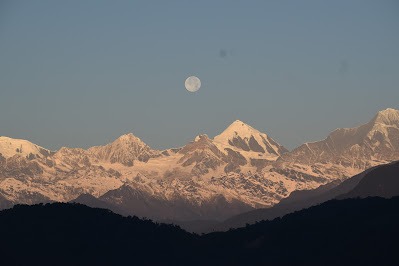
As travellers move higher into the mountains, the air becomes cooler and fresher. During winter mornings, the distant Himalayan peaks often appear covered in snow, glowing under the first rays of sunlight. The sunrise here is especially beautiful, with soft shades of orange, pink, and gold spreading across the valley and illuminating the surrounding hills.
Unlike commercial hill stations, Chayangtajo retains a raw and authentic charm. There are no large crowds, noisy markets, or fast-paced city life. Instead, visitors are welcomed by silence, clean mountain air, and the gentle rhythm of village life.
Rural Life and Local Experiences
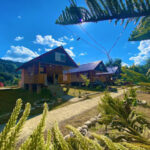
Walking through Chayangtajo gives visitors a glimpse into traditional life in Arunachal Pradesh. The village is dotted with simple yet beautiful homes made from bamboo, timber, and tin roofs. Small farms, kitchen gardens, and grazing animals are common sights, reflecting the self-sufficient lifestyle of the local communities.
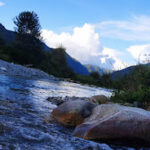
Travellers can spend their time exploring nearby streams, hiking to scenic viewpoints, or simply wandering through the surrounding hills. Nature lovers often enjoy birdwatching and photography, as the forests around the village are rich in biodiversity. During clear weather, the panoramic mountain views become one of the biggest highlights of the region.
The peaceful environment makes Chayangtajo ideal for slow travel. It is a destination where people come not just to see landscapes, but to disconnect from urban stress and reconnect with nature.
Culture of the Nyishi Tribe
Chayangtajo is primarily inhabited by the Nyishi tribe, one of the largest indigenous communities of Arunachal Pradesh. The cultural identity of the Nyishi people is deeply woven into the daily life of the village. Their traditions, music, festivals, and craftsmanship continue to play an important role in preserving the region’s heritage.
The Nyishi community is known for its colourful traditional attire and distinctive headgear decorated with hornbill feathers and beaks. Their bamboo and cane craftsmanship is also highly admired throughout the state.
Visitors who arrive during the Nyokum Yullo festival, usually celebrated in February, get an opportunity to witness the vibrant cultural spirit of the region. The festival includes traditional dances, folk music, rituals, and community gatherings that celebrate harmony between humans and nature. The celebrations are lively, welcoming, and deeply spiritual.
Traditional Food and Hospitality
Food in Chayangtajo reflects the simplicity and flavours of tribal cuisine. Meals are usually prepared using fresh local ingredients grown in nearby fields and forests. Rice forms the staple diet, accompanied by smoked meat, boiled vegetables, wild herbs, fermented bamboo shoots, and spicy chutneys.
One of the best ways to experience local culture is by sharing a meal with a Nyishi family. Visitors are often greeted with warmth and genuine hospitality, making the experience feel personal and memorable. Traditional cooking methods using bamboo and woodfire add a unique flavour to the food.
Trekking and Nature Exploration
For adventure seekers, Chayangtajo serves as a starting point for exploring remote Himalayan landscapes and forest trails in the surrounding region. The nearby hills and valleys offer opportunities for trekking, nature walks, and camping. Dense forests around the village are home to rich wildlife and several species of birds, making the area attractive for eco-tourism.
The untouched beauty of the region makes every trail feel immersive and peaceful. Unlike heavily commercialized trekking destinations, the routes around Chayangtajo remain relatively unexplored, giving travellers a more authentic wilderness experience.
How to Reach Chayangtajo
By Air
The nearest airport is in Tezpur, located around 200 kilometres away. From there, travellers can continue by road through Bhalukpong and Seppa to reach Chayangtajo.
By Rail
The closest major railway station is Rangapara North Railway Station. Taxis and shared vehicles are available from nearby towns for onward travel.
By Road
Chayangtajo is connected by road to Seppa, which lies roughly 40 kilometres away. Shared taxis and private vehicles regularly operate on this route. However, road conditions can become difficult during the monsoon season because of landslides and heavy rainfall.
Nearby Attractions of Chayangtajo
Chayangtajo is a scenic hill town in the East Kameng district of Arunachal Pradesh, situated at an elevation of around 5,000 feet. Surrounded by lush forests, rivers, valleys, and Himalayan peaks, it is known for its pleasant climate, Nyishi tribal culture, and emerging adventure tourism opportunities. The region serves as a gateway to some of the most untouched landscapes in central Arunachal Pradesh.
1. Kameng River
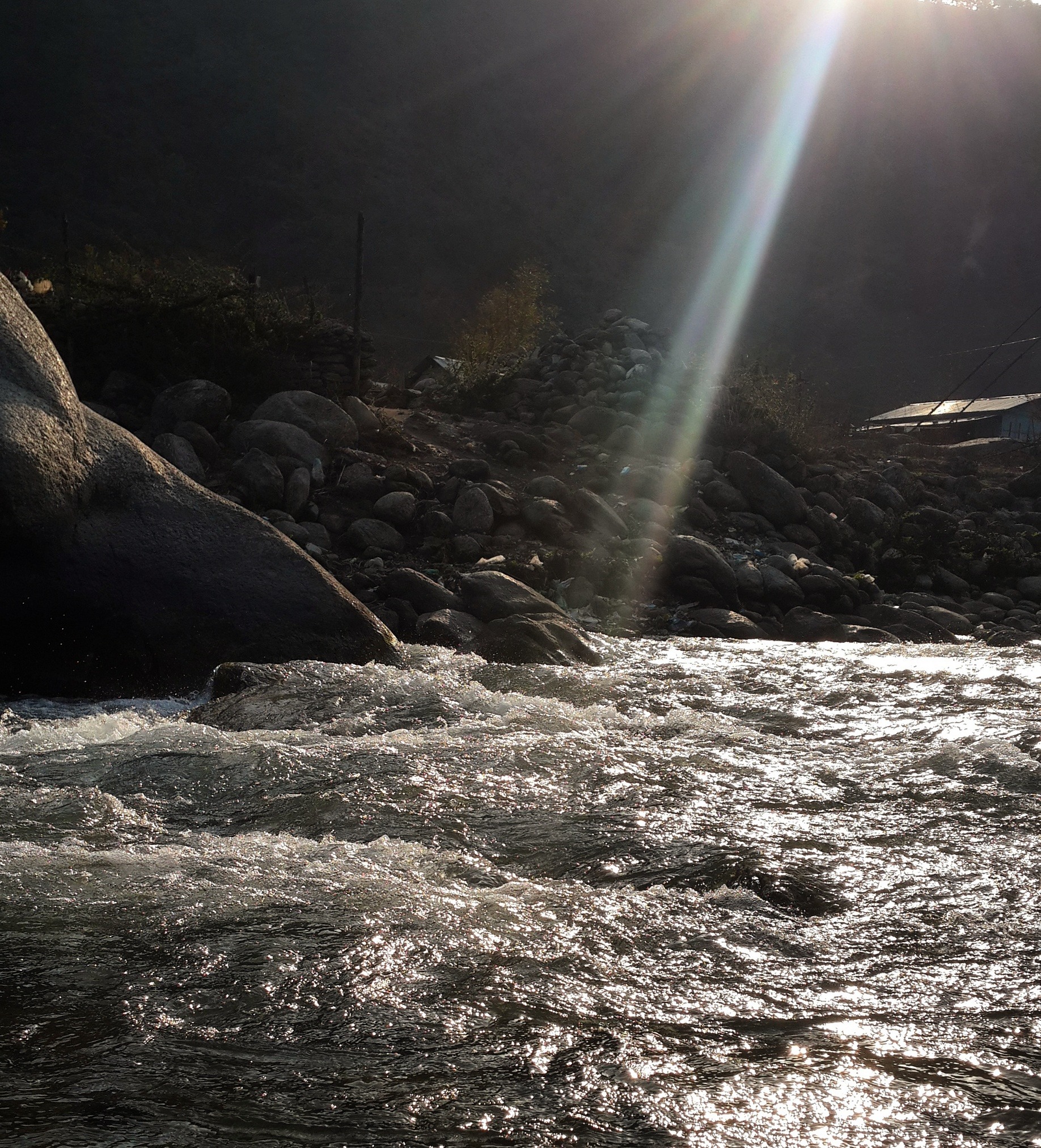
The Kameng River, one of Arunachal Pradesh’s major rivers, flows through the region and offers spectacular views of river valleys, forested hills, and rocky landscapes. The river is ideal for nature photography and sightseeing.
2. Para River Valley
The picturesque Para River flows near Chayangtajo and passes through beautiful villages and dense forests. The valley is known for its tranquil environment and scenic beauty.
3. Yangfo Village
Located about 12 km from Chayangtajo, Yangfo is a traditional Nyishi village surrounded by hills and forests. It offers visitors an opportunity to experience local culture and rural life.
4. Rebe Village
Situated close to Chayangtajo, Rebe is a scenic village located along the Para River. The village is known for its beautiful surroundings and traditional tribal lifestyle.
5. Kra Daadi Highlands
The highlands bordering the region are known for snow trekking, mountaineering opportunities, alpine landscapes, and panoramic Himalayan views. Adventure enthusiasts often visit these remote mountain areas.
6. Sangchu
Sangchu is a beautiful settlement surrounded by forests and hills. The area offers excellent opportunities for nature walks, photography, and birdwatching.
7. Sawa Valley
Known for its pristine landscapes and traditional villages, Sawa is one of the most picturesque areas around Chayangtajo. Visitors can enjoy short hikes and cultural experiences.
8. Takhong
Takhong is a remote settlement surrounded by dense forests and mountain scenery. It is ideal for travelers seeking offbeat destinations and authentic tribal experiences.
9. Birdwatching Trails
The forests around Chayangtajo are rich in birdlife and Himalayan biodiversity. Several traditional forest trails and old hunting routes have become popular for birdwatching and nature exploration.
10. Himalayan Viewpoints
Various viewpoints around Chayangtajo offer stunning vistas of the Eastern Himalayas, including views of distant snow-capped peaks and rolling mountain ranges. The area is especially beautiful during sunrise and sunset.
11. Dache Sullung
This small remote village near Chayangtajo is surrounded by untouched natural beauty and offers visitors a glimpse into the traditional lifestyle of the local tribal communities.
12. Trekking Routes to Nyapin and Koloriang
Chayangtajo serves as a starting point for several trekking routes leading toward Nyapin and Koloriang through forests, valleys, and mountain landscapes. These trails are popular among adventure travelers.
Best Time to Visit
The best time to visit Chayangtajo is between October and April. During these months, the weather remains cool and pleasant, skies are generally clear, and the Himalayan peaks are visible from many viewpoints around the village.
Winter brings crisp mountain air and stunning panoramic views, while spring covers the hillsides with blooming flowers and fresh greenery. Monsoon season, although beautiful, can make travel difficult because of slippery roads and heavy rains.
Why Visit Chayangtajo?
Chayangtajo is perfect for travellers looking for an offbeat Himalayan destination filled with natural beauty, tribal culture, and peaceful surroundings. It offers an experience that feels authentic and untouched, where visitors can enjoy mountain landscapes, learn about indigenous traditions, and experience the slower pace of life in Arunachal Pradesh.
Unlike crowded tourist towns, Chayangtajo rewards travellers with silence, scenic beauty, and meaningful cultural experiences that stay in memory long after the journey ends.
Google Maps
FAQs
1. Where is Chayangtajo located?
Chayangtajo is located in the East Kameng district of Arunachal Pradesh in northeastern India.
2. Why is Chayangtajo called the “Gateway to the Himalayas”?
The village is known for its panoramic Himalayan views and serves as an entry point to higher-altitude regions in western Arunachal Pradesh.
3. Which tribe lives in Chayangtajo?
The village is mainly inhabited by the Nyishi tribe, known for its rich traditions, festivals, and unique cultural identity.
4. What is the best time to visit Chayangtajo?
October to April is considered the best time because of clear skies, comfortable weather, and better visibility of the mountains.
5. Is Chayangtajo suitable for trekking and nature tourism?
Yes, the region offers beautiful trekking trails, forest walks, birdwatching opportunities, and scenic Himalayan landscapes ideal for eco-tourism.
6. How far is Chayangtajo from Seppa?
Chayangtajo is located around 40 kilometres from Seppa by road.
7. What kind of food is available in Chayangtajo?
Visitors can enjoy traditional Nyishi cuisine, including rice, smoked meat, fermented bamboo shoots, wild greens, and local herbal dishes.
8. Are roads to Chayangtajo accessible throughout the year?
The village remains accessible most of the year, though heavy monsoon rains may affect road conditions and travel times.