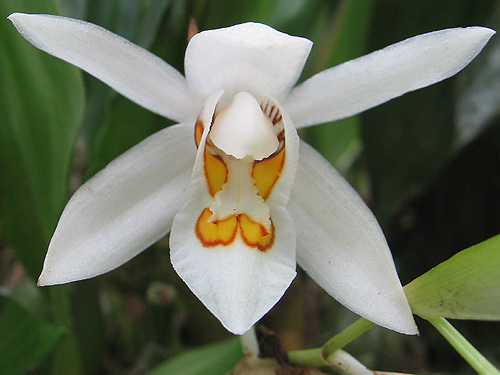
Image Source: Wikimedia
About Sessa Orchid Sanctuary
Hidden within the mist-covered hills of Arunachal Pradesh, Sessa Orchid Sanctuary is one of Northeast India’s most fascinating natural treasures. Spread across nearly 100 square kilometers in the West Kameng district, this protected sanctuary is dedicated to conserving the incredible orchid diversity of the Eastern Himalayas. Established in 1989, the sanctuary is home to more than 200 species of orchids, including many that are rare, endangered, and found only in this part of the world.
Located along the scenic Bhalukpong–Bomdila highway, the sanctuary stretches across varying elevations ranging from around 500 metres to over 3,250 metres above sea level. This dramatic change in altitude creates a wide range of climates and habitats, allowing tropical, subtropical, and alpine plant species to thrive together. Dense forests, cloud-covered slopes, moss-laden trees, sparkling streams, and cool mountain air give the sanctuary an enchanting atmosphere that feels untouched and deeply serene.
For nature lovers, photographers, researchers, and travelers seeking quiet Himalayan landscapes, Sessa Orchid Sanctuary offers a refreshing escape away from crowded tourist destinations.
Orchid Diversity and Natural Beauty
The sanctuary is best known for its astonishing orchid wealth. Wild orchids bloom naturally across forest trails, tree trunks, rocks, and damp mountain slopes. Visitors can spot famous species such as Dendrobium nobile, Cymbidiums, Coelogynes, and the rare Paphiopedilum fairrieanum, which is admired worldwide for its unusual slipper-shaped flower.
During the flowering seasons, the forests transform into a vibrant natural garden filled with colorful blooms hanging from branches and peeking through layers of greenery. The sanctuary’s untouched ecosystem supports not only orchids but also ferns, medicinal plants, rhododendrons, bamboo groves, and countless species of mosses and lichens.
The constantly shifting mountain mist adds a dreamlike quality to the landscape, making every walk through the sanctuary feel peaceful and magical.
Things to Do in Sessa Orchid Sanctuary
Explore Orchid Trails
One of the most rewarding experiences here is walking through forest trails lined with naturally growing orchids. Unlike ornamental gardens, the orchids in Sessa grow freely in their native environment, offering visitors a rare chance to see them exactly as nature intended. Guided walks can help identify various species and explain their ecological importance.
Wildlife and Birdwatching
Apart from orchids, the sanctuary is also rich in wildlife and birdlife. Birdwatchers may spot colorful Himalayan species such as scarlet minivets, laughingthrushes, sunbirds, and hornbills. The surrounding forests are also home to red pandas, Himalayan black bears, civets, and small mountain mammals, although sightings are relatively rare due to the dense forest cover.
Nature Photography
Sessa is a paradise for photographers, especially those interested in macro photography and landscape photography. Tiny orchid petals covered in dew, misty forest canopies, and flowing mountain streams create endless opportunities for capturing nature at its most beautiful. The changing light conditions throughout the day make the sanctuary especially photogenic.
Experience Local Tribal Culture
Nearby villages around Bhalukpong and Tipi provide opportunities to experience the traditions and lifestyle of local tribal communities such as the Monpa and Miji people. Visitors staying in eco-camps or homestays can enjoy local food, traditional hospitality, and cultural interactions that add depth to the travel experience.
Visit the Tipi Orchid Research Centre
A visit to the nearby Tipi Orchid Research Centre complements the sanctuary experience perfectly. The centre is known for orchid conservation, research, and cultivation. Its orchidarium houses a remarkable collection of orchid species from across the region and offers valuable insights into ongoing conservation efforts.
Ecological Importance of the Sanctuary
Sessa Orchid Sanctuary forms part of the larger Eastern Himalayan Biodiversity Hotspot, one of the most biologically rich regions in the world. Because of its varied terrain and climate zones, the sanctuary supports exceptional biodiversity. Scientists and conservationists consider it an important refuge for several threatened plant and animal species.
The sanctuary also functions as a significant wildlife corridor linking nearby forest regions, including Eaglenest Wildlife Sanctuary. This connectivity helps animals move safely between habitats and maintains the ecological balance of the region.
Orchid conservation is particularly important because many orchid species are highly sensitive to environmental changes. Deforestation, illegal collection, and climate change pose serious threats to these delicate plants, making protected areas like Sessa increasingly valuable.
Best Time to Visit
The best time to explore Sessa Orchid Sanctuary is from March to May and again from September to November. These months offer pleasant weather, clearer mountain views, and the highest chances of witnessing orchids in bloom.
Spring brings colorful flowering orchids and fresh greenery, while autumn offers crisp weather ideal for trekking and photography. The monsoon season between June and August makes the forests exceptionally lush, but heavy rain can make trails slippery and difficult to navigate.
Winter visits are possible, especially at lower elevations, though temperatures can become quite cold in higher regions.
How to Reach Sessa Orchid Sanctuary
By Air
The nearest airport is Tezpur Airport, located roughly 100 kilometers away. Many travelers also use Lokpriya Gopinath Bordoloi International Airport, which has better connectivity with major Indian cities.
By Rail
The nearest railway access point is Bhalukpong Railway Station. From there, taxis and shared vehicles are available toward the sanctuary region.
By Road
Sessa Orchid Sanctuary lies along the scenic Bhalukpong–Bomdila road and can be reached by taxi or bus from Tezpur, Bhalukpong, and Bomdila. The road journey itself is incredibly scenic, passing through dense forests, river valleys, and mountain landscapes.
Nearby Attractions of Sessa Orchid Sanctuary
Nestled amidst the lush forests of West Kameng district, Sessa Orchid Sanctuary is one of Arunachal Pradesh’s most remarkable biodiversity hotspots. Spread across mountainous terrain at varying elevations, the sanctuary is home to hundreds of orchid species, rare medicinal plants, colorful butterflies, and diverse wildlife. Its pristine forests and scenic landscapes make it a paradise for botanists, birdwatchers, photographers, and nature lovers. Visitors to Sessa Orchid Sanctuary can also explore several nearby attractions that showcase the natural and cultural richness of the Eastern Himalayas.
1. Tipi Orchid Research Centre
Located near the entrance to Arunachal Pradesh, the Tipi Orchid Research Centre houses one of India’s largest collections of orchids. Visitors can explore orchid displays, research facilities, museums, and beautifully maintained gardens featuring rare Himalayan species.
2. Bhalukpong
Situated on the border of Assam and Arunachal Pradesh, Bhalukpong serves as the gateway to the state. The town is known for its scenic riverside setting, historical fort ruins, adventure activities, and access to nearby wildlife reserves.
3. Kameng River
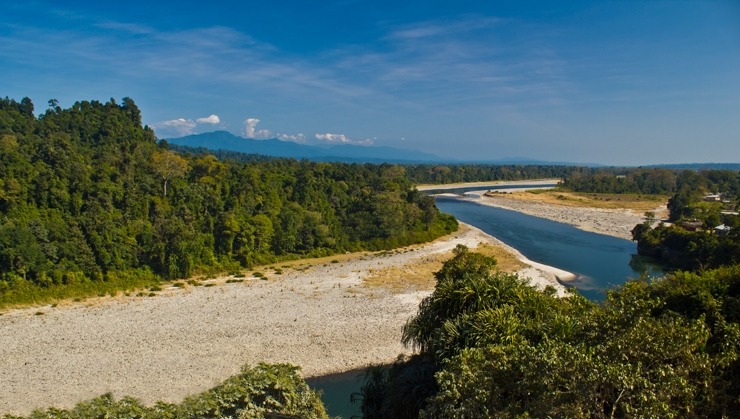
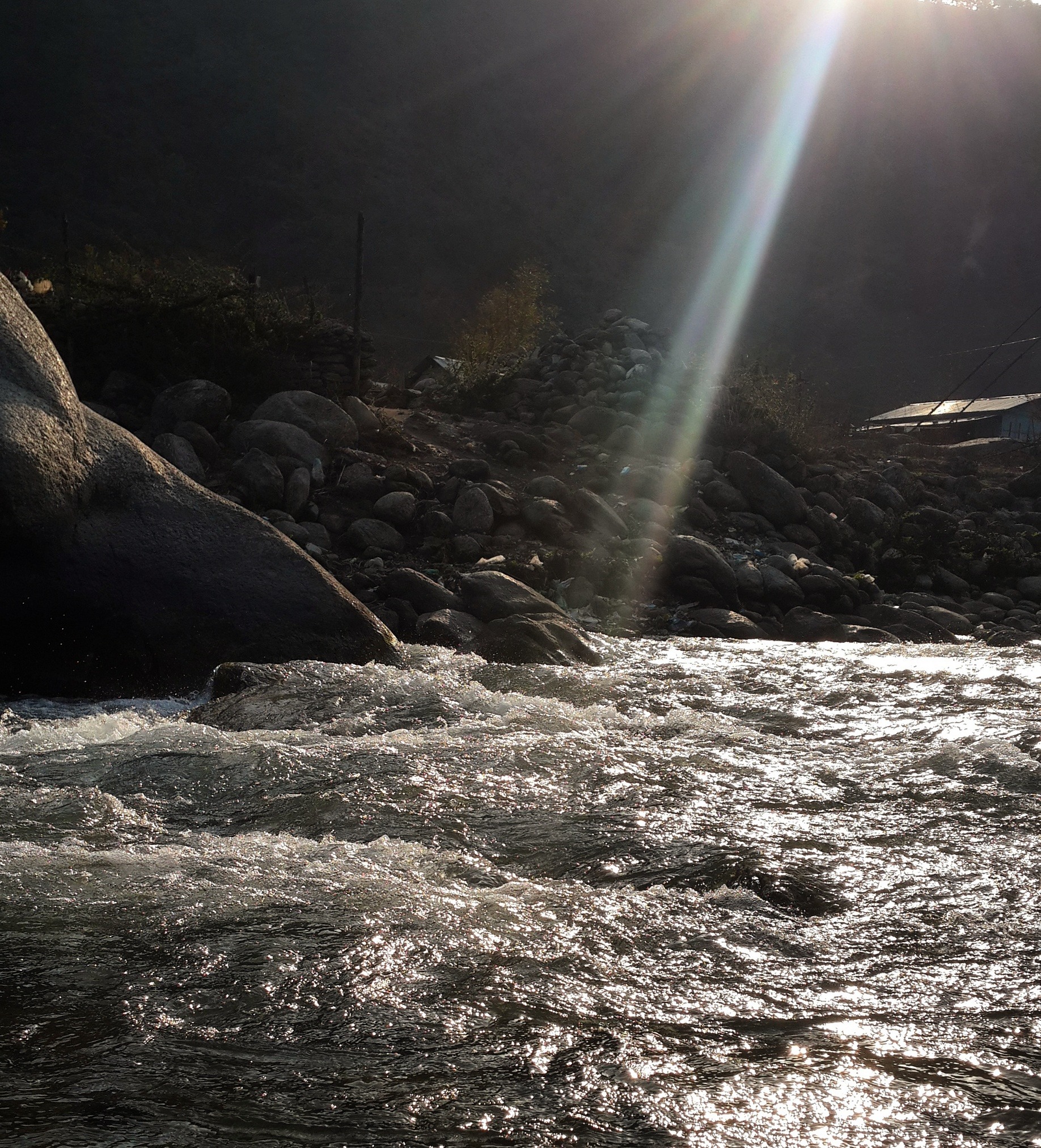
Flowing through Bhalukpong and the surrounding region, the Kameng River offers opportunities for rafting, angling, riverside walks, and nature photography. The river’s crystal-clear waters add to the area’s scenic charm.
4. Pakke Tiger Reserve
One of Northeast India’s premier wildlife destinations, Pakke Tiger Reserve is renowned for its rich biodiversity, hornbill conservation programs, and populations of tigers, elephants, and leopards.
5. Eaglenest Wildlife Sanctuary
A world-famous birdwatching destination, Eaglenest Wildlife Sanctuary is home to hundreds of bird species, including the rare Bugun Liocichla. The sanctuary attracts ornithologists and wildlife enthusiasts from around the globe.
6. Lama Camp
Located within the Eaglenest region, Lama Camp offers breathtaking views of the Himalayas and serves as an excellent base for birdwatching and nature exploration.
7. Tenga Valley
Surrounded by pine-covered hills and mountain streams, Tenga Valley is known for its peaceful atmosphere and beautiful Himalayan scenery. It is a popular stop for travelers heading toward Bomdila and Tawang.
8. Rupa Valley
Rupa Valley offers stunning mountain views, traditional Monpa settlements, and a serene environment ideal for travelers seeking offbeat experiences in Arunachal Pradesh.
9. Thembang Heritage Village
A fortified Monpa village recognized for its cultural and historical significance, Thembang showcases traditional architecture, ancient customs, and spectacular mountain landscapes.
10. Bomdila
Bomdila is a charming hill station known for its monasteries, apple orchards, local handicrafts, and panoramic views of the Eastern Himalayas. It serves as one of the most popular tourist destinations in West Kameng.
Travel Tips for Visitors
- Wear comfortable trekking shoes with a strong grip, especially during the rainy season.
- Carry rain protection and warm clothing, as mountain weather changes quickly.
- A macro lens is extremely useful for close-up orchid photography.
- Respect conservation rules and avoid touching or plucking orchids.
- Hire local guides whenever possible to better understand the flora and ecology.
- Combine your trip with nearby destinations such as Eaglenest Wildlife Sanctuary and the Tipi Orchidarium for a richer eco-tour experience.
Google Maps
FAQs
Where is Sessa Orchid Sanctuary located?
Sessa Orchid Sanctuary is located in the West Kameng district of Arunachal Pradesh along the Bhalukpong–Bomdila route in the Eastern Himalayas.
Why is Sessa Orchid Sanctuary famous?
The sanctuary is famous for its extraordinary diversity of orchids, including many rare and endangered Himalayan species found in their natural habitat.
What is the best season to visit Sessa Orchid Sanctuary?
The ideal time to visit is between March and May and from September to November, when the weather is pleasant and orchids are in bloom.
Are guided tours available inside the sanctuary?
Yes, guided nature walks and local guides can often be arranged, especially through nearby eco-tourism centres and local communities.
Can beginners visit the sanctuary?
Yes, beginners and casual travelers can visit comfortably, although some forest trails may require moderate walking.
Is photography allowed inside the sanctuary?
Photography is generally allowed and highly popular, especially for nature and macro photography. Visitors should avoid disturbing wildlife or damaging plants while taking photos.
What other attractions are nearby?
Popular nearby attractions include Tipi Orchid Research Centre, Eaglenest Wildlife Sanctuary, Bhalukpong, and Bomdila.
Are accommodations available near the sanctuary?
Yes, travelers can stay in eco-camps, guesthouses, and homestays in nearby areas such as Bhalukpong, Tipi, and Bomdila.