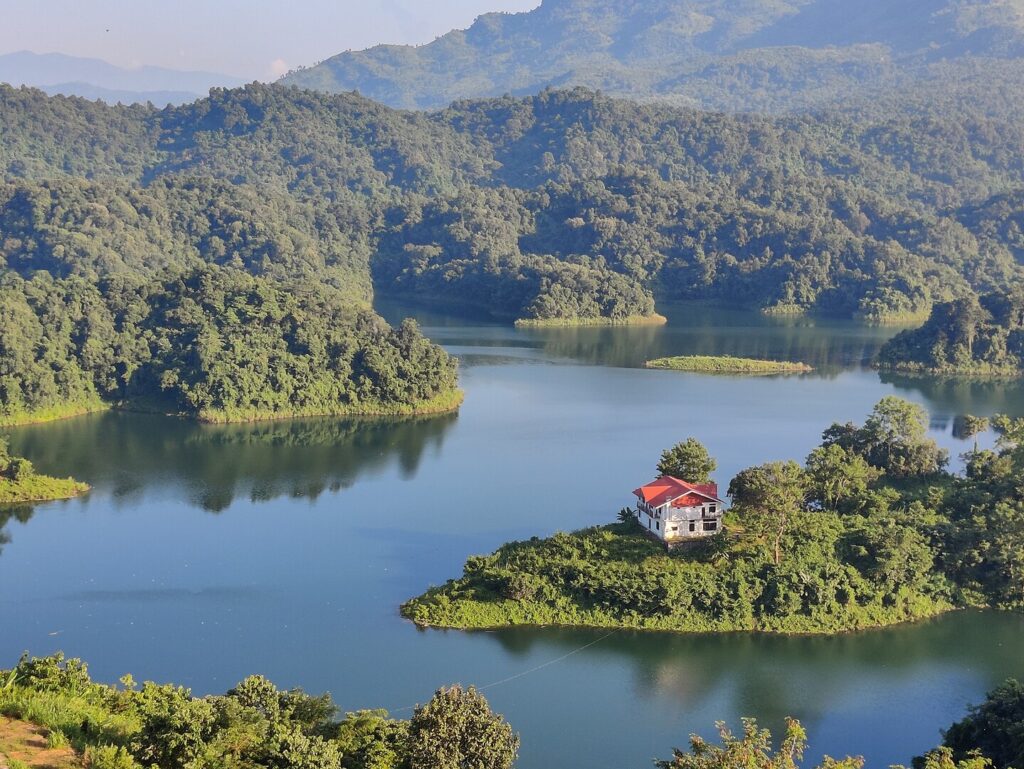
Image Source: The Anonymous Earthling
About Diyung River
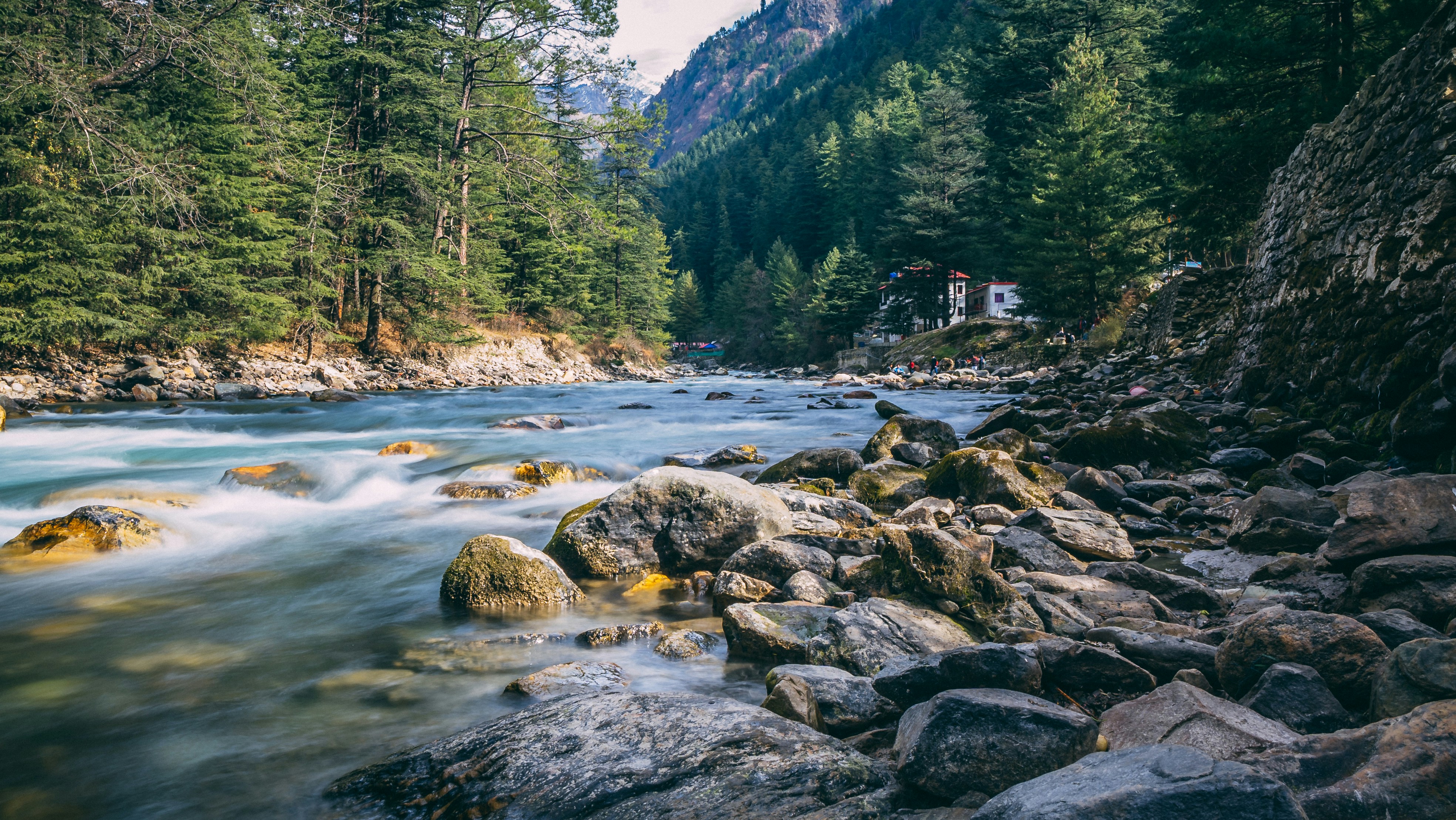
The Diyung River is a picturesque tributary of the Kopili River that flows through the hills of Dima Hasao district in Assam. Surrounded by lush green valleys, terraced fields, and traditional tribal settlements, this river plays a vital role in sustaining the agricultural practices and daily lives of local communities such as the Dimasa tribe.
The river’s crystal-clear waters, meandering course, and forested banks make it an offbeat gem for travelers seeking natural beauty away from crowded tourist circuits. The Diyung River is also linked to local folklore and traditions, reflecting the deep bond between the people and their natural environment.
Attractions Around Diyung River
Visitors to the Diyung River can enjoy breathtaking views of valleys and hill slopes, explore nearby tribal villages that preserve ancient customs, and experience the serene rural lifestyle of Dima Hasao.
The region offers opportunities for eco-tourism, with activities like angling, riverside picnics, and birdwatching in the untouched forests. For those interested in culture, local festivals and handicrafts provide a glimpse into the heritage of Assam’s hill communities.
How to Reach Diyung River
By Air: The nearest airport is Silchar Airport, located about 120 km away, which has connections to Guwahati and Kolkata.
By Train: The closest major railway station is Lumding Junction, well-connected to Guwahati, Dimapur, and other northeastern cities. From Lumding, travelers can take local transport to reach Dima Hasao.
By Road: The Diyung River region is accessible by road from Haflong, the district headquarters of Dima Hasao, which is well-connected to Guwahati and Silchar via NH 27 and hilly state highways.
FAQs
1. Where is the Diyung River located?
The Diyung River flows through the Dima Hasao district of Assam and is one of the important tributaries of the Kopili River.
2. Why is the Diyung River famous?
The river is known for its scenic beauty, crystal-clear waters, picturesque valleys, and its importance to the local communities living in the Dima Hasao region.
3. What is the source of the Diyung River?
The Diyung River originates in the hill ranges of Northeast India and flows through the rugged terrain of Dima Hasao before joining the Kopili River.
4. What is the best time to visit the Diyung River?
The best time to visit is from October to April when the weather is pleasant and the river surroundings are ideal for sightseeing and photography.
5. Is the Diyung River suitable for photography?
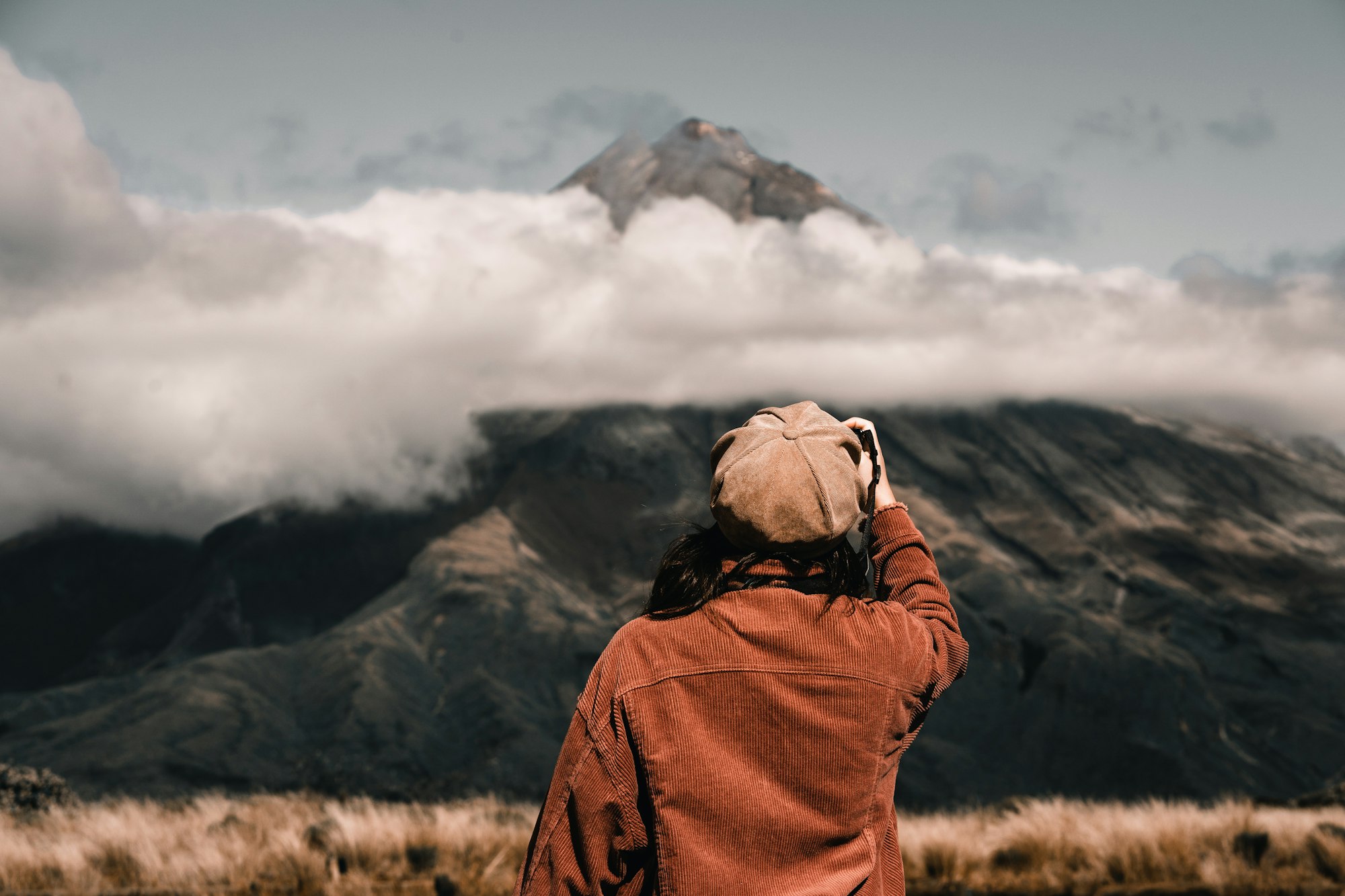
Yes, the river’s clear waters, surrounding forests, hills, and rural landscapes make it an excellent destination for nature and landscape photography.
6. What activities can visitors enjoy near the Diyung River?
Visitors can enjoy sightseeing, picnicking, birdwatching, nature walks, photography, and exploring nearby villages and hill landscapes.
7. Are there any wildlife attractions near the Diyung River?
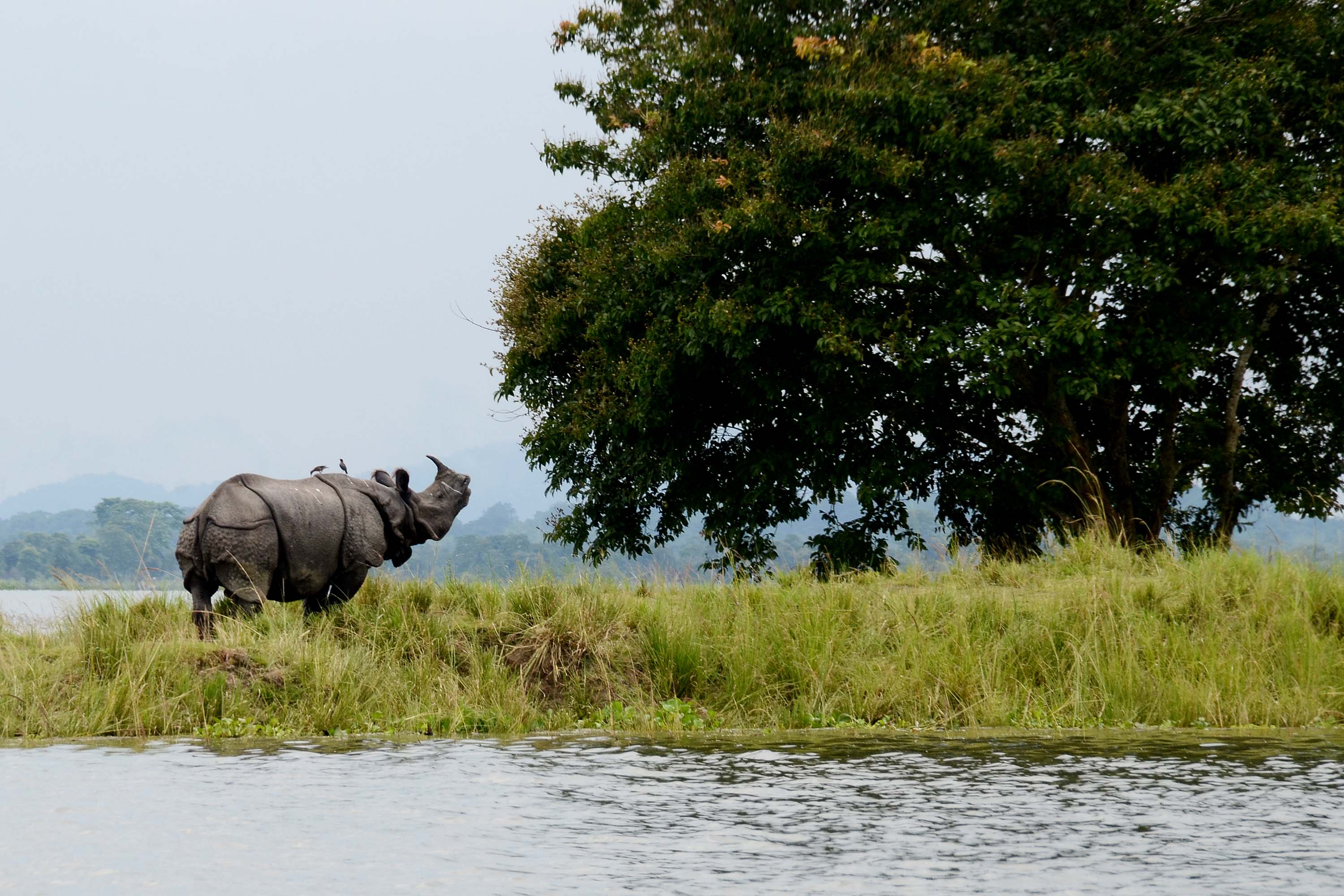
Yes, the surrounding forests of Dima Hasao support diverse flora and fauna, making the region attractive to wildlife and nature enthusiasts.
8. Can the Diyung River be visited during the monsoon season?
While the river is beautiful during the monsoon, heavy rainfall can cause strong currents and flooding in some areas. Travelers should exercise caution and check local conditions before visiting.
9. Which nearby destinations can be combined with a visit to the Diyung River?
Visitors often combine their trip with attractions such as Haflong, Jatinga, Haflong Lake, and the scenic hills of Dima Hasao.
10. Why is the Diyung River important to local communities?
The river serves as an important source of water for agriculture, fishing, and daily activities, while also supporting the ecology and livelihoods of communities in the Dima Hasao region.