Image Source: Saumya.purkayastha
About Assam State Museum
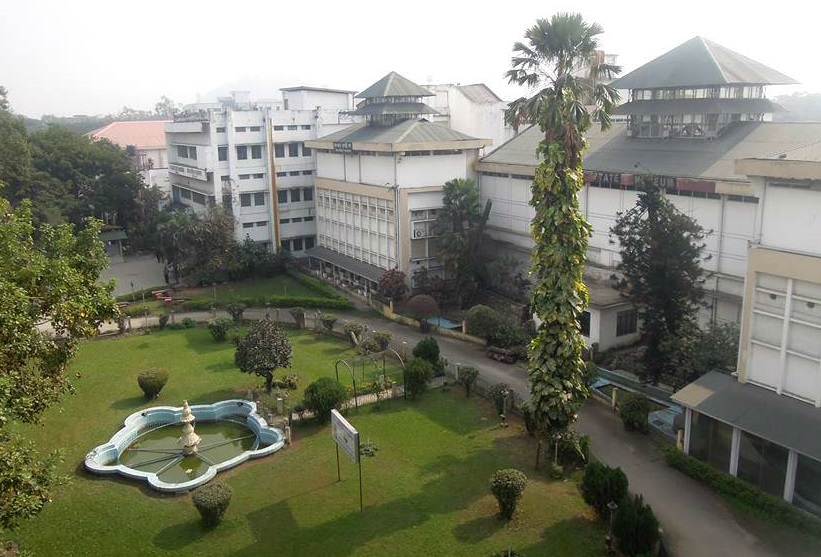
The Assam State Museum in Guwahati is one of the most important cultural and historical landmarks in Assam. Established in 1940 by the Kamarupa Anusandhan Samiti (Assam Research Society), it was later taken over by the State Government.
The museum showcases Assam’s rich cultural heritage, history, archaeology, epigraphy, ethnography, and art. Its vast collection offers visitors a deep insight into the traditions, lifestyles, and historical evolution of Assam, making it a must-visit for history enthusiasts, students, and travelers interested in the northeastern cultural identity.
Key Attractions
The museum houses sculptures, manuscripts, paintings, textiles, arms, and handicrafts that highlight the diverse history of Assam. The archaeological gallery exhibits rare stone and metal sculptures from the Ahom, Sunga, and Gupta periods, while the ethnographic gallery displays traditional attire, ornaments, and artifacts of various indigenous tribes like the Bodo, Mishing, Karbi, and Dimasa communities.
Another highlight is the manuscript section, where ancient scripts written in Sanchi, Assamese, and Sanskrit reveal Assam’s scholarly traditions. Visitors are particularly drawn to the traditional musical instruments, ivory work, and bamboo-cane artifacts that narrate stories of local craftsmanship.
Cultural Importance
The Assam State Museum is not just a display of artifacts but also a reflection of Assamese identity and heritage. It preserves the artistic traditions of weaving, woodwork, and folk art, ensuring that younger generations and tourists understand Assam’s unique cultural journey.
The museum is also a center for research, often hosting academic discussions, exhibitions, and cultural events, making it a lively hub of knowledge exchange.
How to Reach
The Assam State Museum is located at the heart of Guwahati city, near Dighalipukhuri Lake, making it easily accessible.
By Air: The nearest airport is Lokpriya Gopinath Bordoloi International Airport (25 km away), with taxis and buses available to reach the museum.
By Train: The closest railway station is Guwahati Railway Station (5 km away), well connected to major Indian cities.
By Road: Local transport such as buses, cabs, and auto-rickshaws connect the museum with different parts of Guwahati. It is also situated close to key attractions like the Umananda Temple, Assam State Zoo, and Kamakhya Temple, making it convenient to include in a city tour.
Nearby Attractions of Assam State Museum
1. Dighalipukhuri
Located close to the Assam State Museum, Dighalipukhuri is a historic man-made tank surrounded by walking paths and greenery. It is a popular recreational spot where visitors can enjoy boating and evening strolls.
2. Nehru Park
Situated nearby, Nehru Park is known for its landscaped gardens, fountains, sculptures depicting Assamese culture, and family-friendly atmosphere.
3. Sri Sri Ugratara Temple
One of the oldest temples in Guwahati, Ugratara Temple is an important Shakti shrine and attracts devotees throughout the year.
4. Assam Legislative Assembly
An important landmark of the city, the Assam Legislative Assembly building showcases impressive architecture and political significance.
5. Guwahati Planetarium
A favorite attraction among students and science enthusiasts, the planetarium hosts astronomy shows and educational exhibitions.
6. Shraddhanjali Kanan
This beautifully maintained park features gardens, a lake, musical fountains, and open spaces for relaxation and recreation.
7. Assam State Zoo cum Botanical Garden
One of the largest zoological parks in Northeast India, it houses a wide variety of animals, birds, and plant species.
8. Umananda Temple
Located on Peacock Island in the Brahmaputra River, this famous Shiva temple offers spiritual significance along with scenic river views.
9. Kamakhya Temple
One of India’s most revered Shakti Peethas, Kamakhya Temple is a major pilgrimage site and one of Guwahati’s most visited attractions.
10. Deepor Beel
A Ramsar-designated wetland, Deepor Beel is known for its rich biodiversity and is a paradise for birdwatchers and nature lovers.
Ticket Price
Rs 300
Google Maps
FAQs
1. Where is the Assam State Museum located?
The Assam State Museum is located in the heart of Guwahati, Assam, near Dighalipukhuri.
2. Why is the Assam State Museum famous?
The museum is famous for preserving and showcasing Assam’s history, archaeology, art, culture, tribal heritage, and ancient manuscripts.
3. When was the Assam State Museum established?
The museum was established in 1940 by the Kamarupa Anusandhan Samiti and later came under the Government of Assam.
4. What can visitors see in the Assam State Museum?
Visitors can explore galleries featuring sculptures, inscriptions, traditional costumes, tribal artifacts, manuscripts, weapons, coins, textiles, and historical relics.
5. Is the Assam State Museum suitable for students?
Yes, the museum is an excellent educational destination for students interested in history, archaeology, culture, and anthropology.
6. How much time is needed to explore the museum?
Most visitors spend between 1 and 2 hours exploring the museum’s various galleries and exhibits.
7. Are photography facilities available inside the museum?
Photography policies may vary. Visitors should check the current rules and permissions at the museum entrance before taking photographs.
8. What is the best time to visit the Assam State Museum?
The museum can be visited throughout the year, although the cooler months from October to March offer the most comfortable sightseeing conditions.
9. Is the museum suitable for family visits?
Yes, the Assam State Museum is suitable for families, history enthusiasts, researchers, and tourists interested in Assam’s cultural heritage.
10. What makes the Assam State Museum unique?
The museum provides one of the most comprehensive collections related to Assam’s history, tribal cultures, archaeology, and artistic traditions, making it one of the most important cultural institutions in Northeast India.