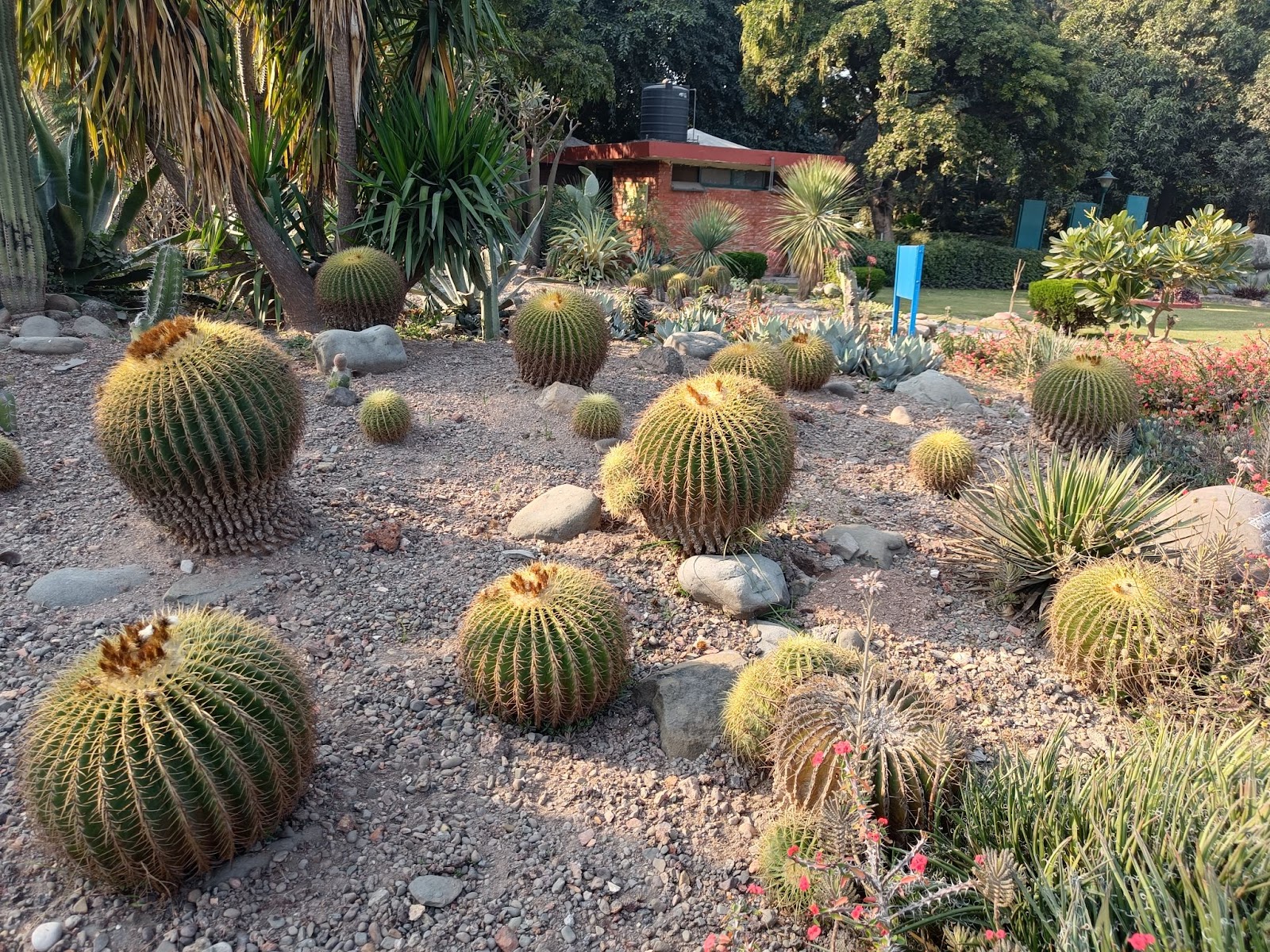
About Cactus Garden
A garden dedicated entirely to cacti may sound unusual, but the Cactus Garden in Panchkula is one of the most unique attractions in the Chandigarh region. Spread across nearly 7 acres, this remarkable garden is located in Sector 5, Panchkula, just a short drive from Chandigarh. It is recognized as one of Asia’s largest outdoor collections of cacti and succulent plants and attracts nature enthusiasts, botanists, photographers, students, and curious travelers alike.
The garden is home to an impressive collection of rare and exotic desert plants. Visitors can explore more than 3,500 species and varieties of cacti and succulents, including around 272 species of the genus Mammillaria and numerous other rare plants such as Aloe speciosa and Aloe ferox. Many of these species are endangered or difficult to find elsewhere, making the garden an important center for plant conservation and education.
What makes cacti so fascinating is their incredible ability to survive in harsh environments. These plants evolved in arid regions where water is scarce. Over time, their leaves transformed into spines to reduce water loss, while their thick stems became natural reservoirs capable of storing large quantities of water. This adaptation allows them to thrive in deserts and dry climates, earning many of them the classification of succulent plants.
Apart from being visually striking, several cactus and succulent species have long been associated with traditional medicinal practices. Various plants from this family have been used in Ayurveda and folk medicine for centuries, adding another layer of interest to the collection.
History and Significance of the Garden
The Cactus Garden was established to conserve rare and endangered species of cacti and succulents while promoting awareness about desert vegetation. Over the years, it has become one of Panchkula’s most visited botanical attractions and serves as an educational resource for researchers, students, and plant lovers.
The garden is particularly popular during the flowering season when many cactus species bloom with vibrant and colorful flowers, creating a stunning contrast against their thorny appearance.
Layout and Design
The garden was designed by J.S. Sarkaria and features carefully planned landscapes that showcase different varieties of cacti, succulents, and bonsai plants. The layout allows visitors to walk through themed sections while learning about the diverse adaptations of desert vegetation.
One of the highlights of the garden is its collection of glasshouses. Nine specially designed glasshouses display a wide range of cactus species from different parts of the world. These controlled environments help preserve delicate plants while allowing visitors to observe species that would otherwise struggle in the local climate.
Well-maintained pathways, informative signboards, shaded areas, and beautifully arranged plant beds make the garden easy to explore. Photography enthusiasts will find plenty of interesting textures, shapes, and colors throughout the landscape.
Best Time to Visit
The ideal time to visit the Cactus Garden is between October and March when the weather in Panchkula is pleasant and comfortable for walking outdoors. Early mornings and late afternoons are particularly enjoyable, offering softer sunlight and cooler temperatures.
Spring is another excellent season, as many cactus species bloom during this period, adding bright colors to the garden’s unique landscape.
Timings
April to September
- Morning: 9:00 AM to 1:00 PM.
- Evening: 3:00 PM to 7:00 PM.
October to March
- Morning: 9:00 AM to 1:00 PM.
- Evening: 2:00 PM to 6:00 PM.
Entry Fee
- Adults: ₹10 per person
- Children: ₹5 per child
The affordable entry fee makes the garden an excellent family outing and educational destination.
How to Reach Cactus Garden
By Air
The nearest airport is Chandigarh International Airport, located approximately 15–18 km away. From the airport, visitors can hire a taxi or use app-based cab services to reach the garden in about 30 to 40 minutes.
By Train
The nearest railway station is Chandigarh Railway Station, situated around 10 km from the garden. Auto-rickshaws, taxis, and local buses are readily available from the station.
By Road
The Cactus Garden is located in Sector 5, Panchkula and enjoys excellent road connectivity with Chandigarh, Mohali, Zirakpur, and other parts of Haryana and Punjab. Local buses, auto-rickshaws, and taxis provide convenient access to the attraction.
From Chandigarh
The garden is approximately 8 km from the city center of Chandigarh and can be reached within 20–25 minutes by car, taxi, or public transport.
Nearby Attractions
Pinjore Gardens
Located about 15 km from the Cactus Garden, Pinjore Gardens is a magnificent Mughal-style garden known for its terraced layout, fountains, heritage structures, and evening illumination. It is one of the most popular tourist attractions in the region.
Morni Hills
Around 40 km away, Morni Hills offers scenic landscapes, forested hills, trekking trails, and peaceful lakes. It is the only hill station in Haryana and makes for a perfect day trip from Panchkula.
Nada Sahib Gurudwara
Situated on the banks of the Ghaggar River, this revered Sikh shrine attracts devotees from across northern India and offers a serene spiritual atmosphere.
Sukhna Lake
One of Chandigarh’s most iconic attractions, Sukhna Lake is ideal for boating, evening walks, birdwatching, and enjoying beautiful sunset views.
Rock Garden of Chandigarh
Created by Nek Chand, this famous garden showcases sculptures and artistic installations made from recycled materials and is a must-visit destination near Panchkula.
Travel Tips
- Carry drinking water, especially during summer months.
- Wear comfortable walking shoes as the garden covers a large area.
- Visit during the morning or evening for the best experience.
- Photography is allowed, making it a great place for nature photography.
- Read the information boards to learn about the unique adaptations of cactus species.