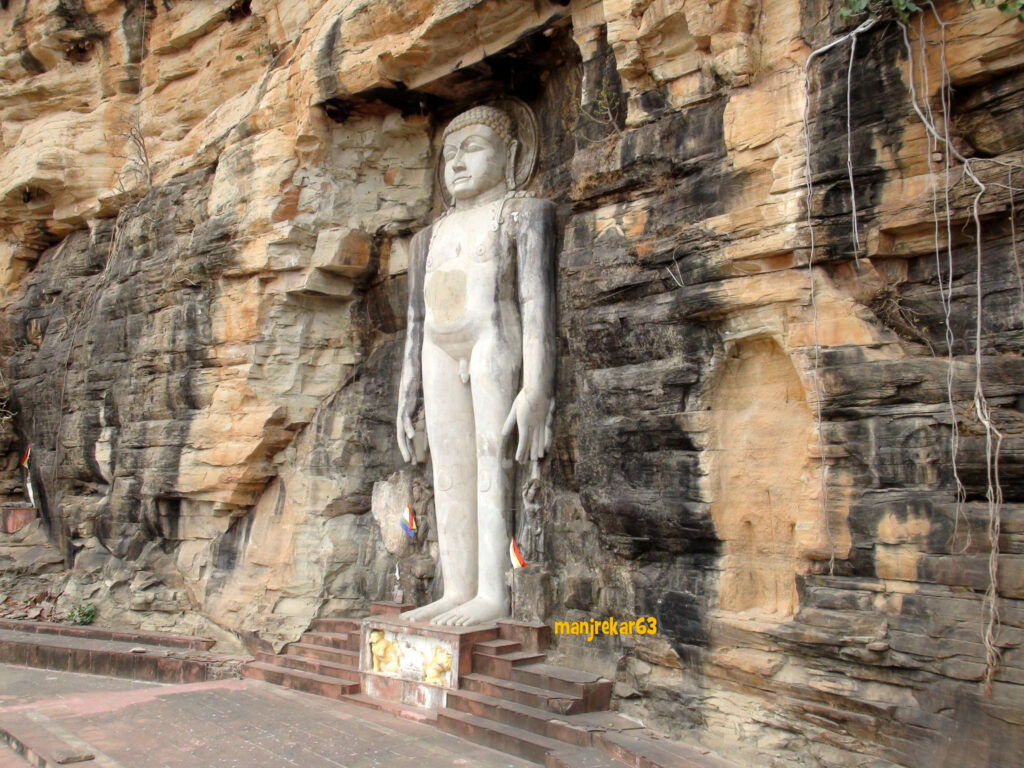
Image Source: Nisai Manjrekar
Located near the historic town of Chanderi, Khandagiri is a peaceful hill destination known for its ancient Jain caves, spiritual significance, and scenic surroundings. The site has long been associated with Jainism and served as an important center of Jain art, culture, meditation, and philosophy during ancient times. Even today, the calm atmosphere and sacred environment attract pilgrims, history lovers, and travelers seeking a quiet retreat away from crowded tourist spots.
History
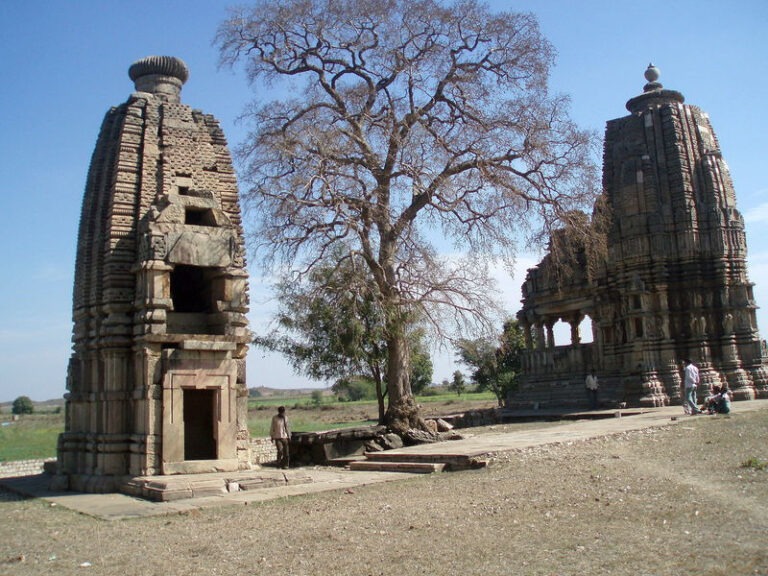
The hill is home to a group of nearly 700-year-old caves carved into the rocky slopes. These caves contain inscriptions written in Sanskrit and Nagari script, offering valuable insights into the religious and cultural traditions of the medieval period. The carvings, sculptures, and inscriptions found here reflect the deep influence of Jainism in the region and showcase the remarkable craftsmanship of ancient artisans. Among all the caves, Cave 6 is considered the oldest and holds special historical importance.
One of the most striking attractions at Khandagiri is the towering statue of the first Jain Tirthankara, Rishabnath, who is also worshipped as Lord Adinatha. The magnificent rock-cut image stands about 45 feet high and is carved directly onto the surface of the hill. Its grand appearance creates a powerful spiritual presence and leaves visitors amazed by the artistic skill involved in its creation. Apart from this massive sculpture, several smaller yet beautifully detailed images of other Jain Tirthankaras can also be seen throughout the caves and rocky walls. Most of these carvings are believed to have been created between the 13th and 16th centuries.
At the base of the hill stands a modern Jain temple that serves as a place of worship for devotees visiting the site. Reaching the temple and caves involves climbing around 100 stone steps, but the journey is rewarding due to the panoramic views and peaceful environment along the way. The climb is relatively moderate and allows visitors to appreciate the natural beauty surrounding the hill.
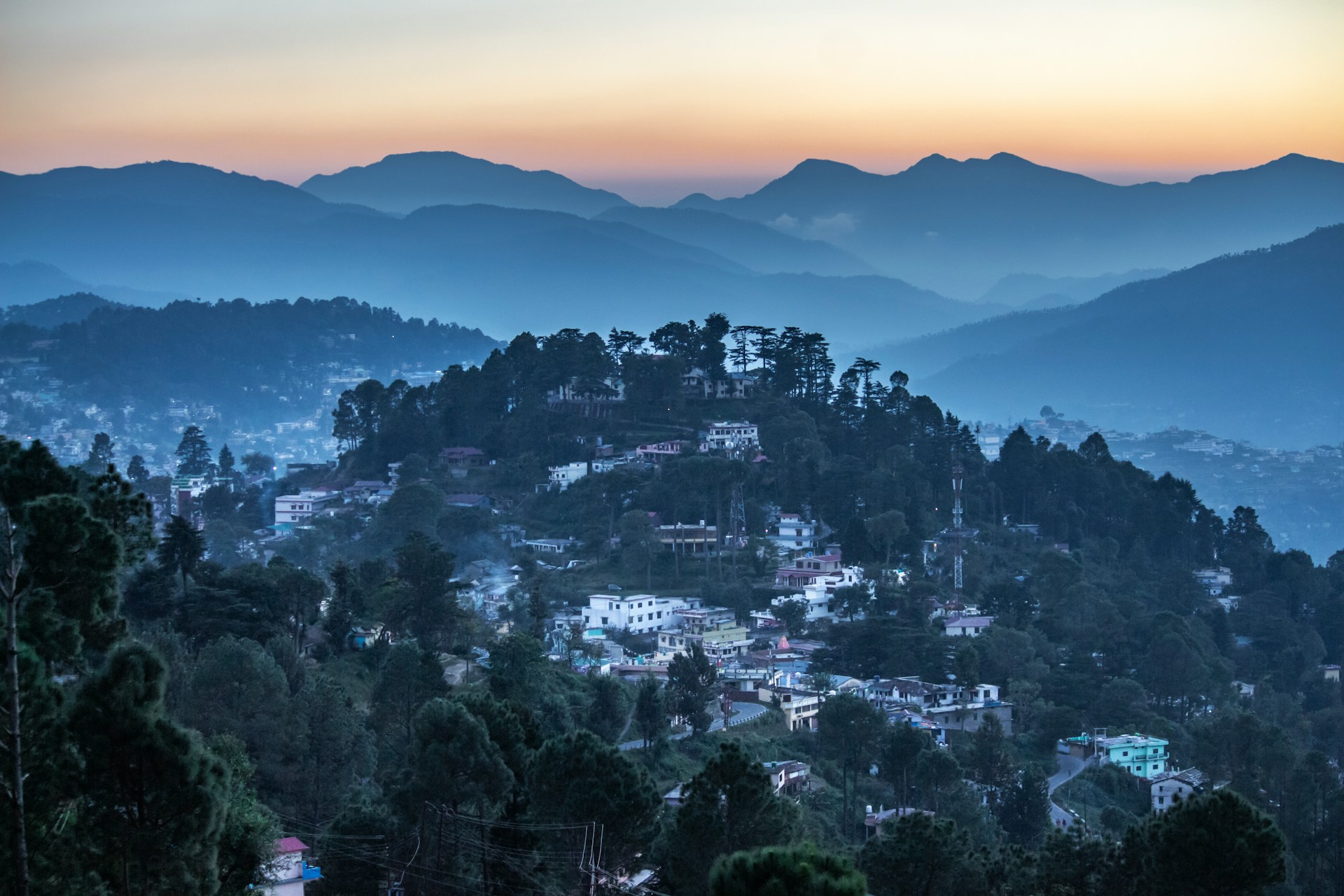
Khandagiri is not only a religious destination but also a wonderful place to experience serenity and natural beauty. The hilltop offers breathtaking views of the surrounding landscape, especially during sunset when the golden light spreads across the town of Chanderi. The tranquil atmosphere, cool breeze, and scenic setting make it an ideal spot for meditation, photography, and quiet reflection.
Architecture and Artistic Significance
The caves of Khandagiri are known for their simple yet elegant rock-cut architecture. Unlike heavily ornamented monuments, these caves reflect the minimalist style often associated with Jain spiritual traditions. The carvings emphasize devotion and symbolism rather than grandeur. The inscriptions and sculptures found here are valuable for historians because they help trace the development of Jain religious art in central India.
The figures of the Tirthankaras are carved with calm expressions and meditative postures, symbolizing peace, detachment, and spiritual enlightenment. The site demonstrates how religion and art were closely connected in ancient India, where caves often served as meditation chambers and places for monks to live and worship.
Spiritual Importance of Khandagiri
For followers of Jainism, Khandagiri remains a sacred pilgrimage destination. The caves and statues are reminders of the teachings of non-violence, self-discipline, and spiritual liberation preached by Jain Tirthankaras. Pilgrims often visit the site to meditate, offer prayers, and experience the peaceful atmosphere that surrounds the hill.
The location also attracts visitors who are interested in ancient Indian history and archaeology. Its combination of spirituality, heritage, and natural beauty makes it a unique destination in the region.
Best Time to Visit
The ideal time to visit Khandagiri is during the winter season, from October to March, when the weather remains pleasant and comfortable for climbing the hill and exploring the caves. Early mornings and evenings are especially enjoyable because of the cooler temperatures and beautiful views.
How to Reach Khandagiri
Khandagiri is accessible from Chanderi and nearby towns by road. Local transport options such as taxis and auto-rickshaws are available for visitors. The final stretch requires climbing steps to reach the caves and temple complex.
Google Maps
How to Reach Khandagiri

If you are traveling by car, you can take the NH 30 or NH 16 to reach the destination. Khandagiri is located at a distance of around 10 km from Bhopal, and it takes around 20 minutes to reach there by car.

If you are traveling by train, the nearest railway station is the Bhopal Junction Railway Station. From there, you can take a taxi or hire a car to reach Khandagiri. The railway station is well-connected to major cities across India.

If you are traveling by air, the nearest airport is the Raja Bhoj Airport in Bhopal. From there, you can take a taxi or hire a car to reach Khandagiri. The airport is well-connected to major cities in India, and there are frequent flights available.
FAQs
What is Khandagiri famous for?
Khandagiri is famous for its ancient Jain caves, rock-cut sculptures, inscriptions, and the giant statue of Lord Adinatha. It is also known for its peaceful environment and historical significance.
How old are the Khandagiri caves?
The caves are believed to be around 700 years old, although some carvings and additions were made between the 13th and 16th centuries.
Who is the statue at Khandagiri dedicated to?
The large statue is dedicated to Rishabnath, the first Jain Tirthankara, also known as Lord Adinatha.
How many steps are required to reach the caves?
Visitors need to climb approximately 100 steps to reach the caves and temple area.
Is Khandagiri suitable for photography?
Yes, Khandagiri is an excellent place for photography because of its ancient carvings, scenic hill views, and beautiful sunset landscapes.
What is the best time to visit Khandagiri?
The winter months from October to March are considered the best time to visit due to the pleasant weather conditions.