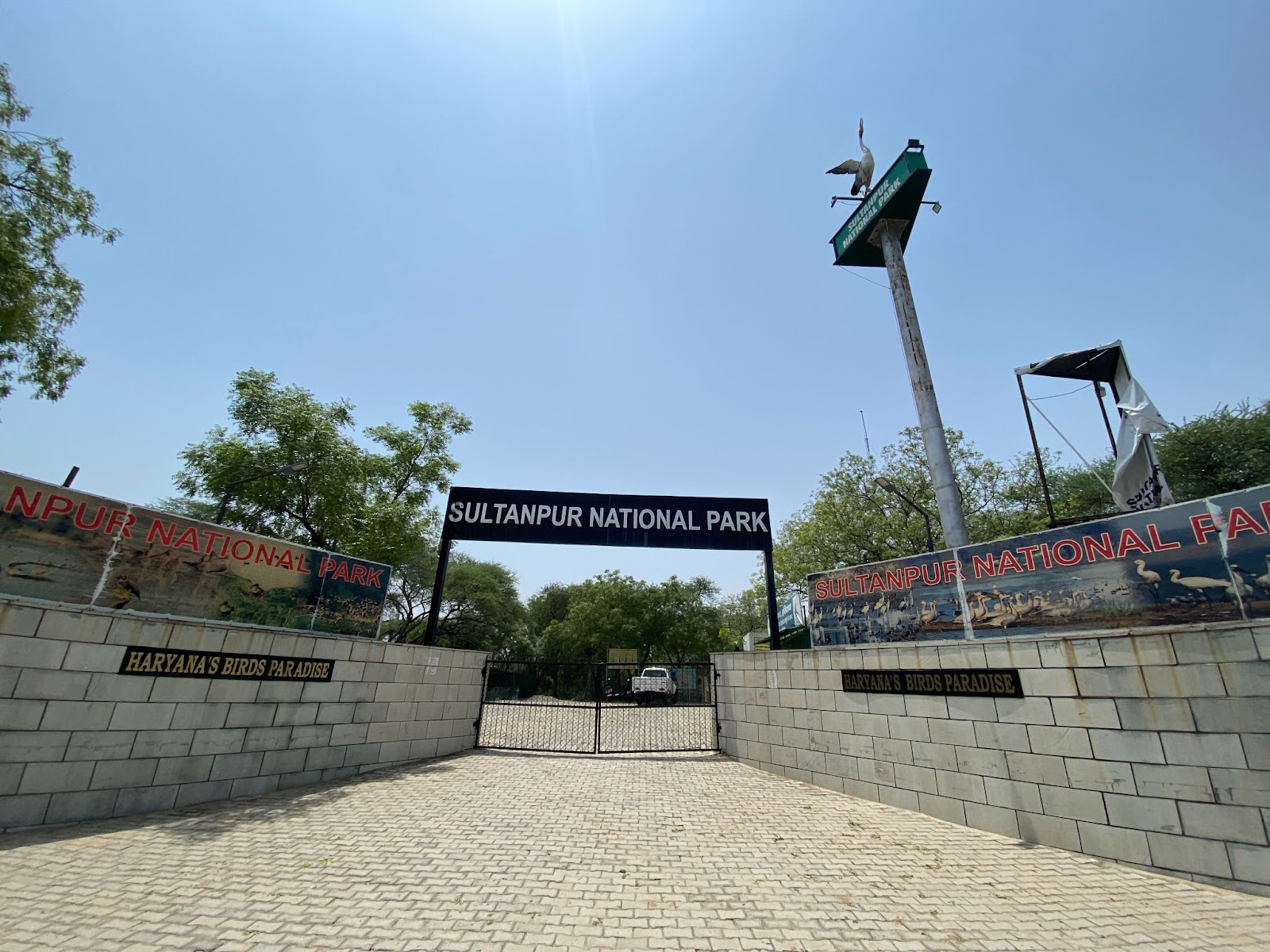
About Sultanpur National Park and Bird Sanctuary
If you are looking for a peaceful getaway away from the noise of the city, Sultanpur National Park and Bird Sanctuary is one of the best places to visit near Delhi and Gurugram. Located about 16 km from Gurugram in Haryana, this beautiful wetland attracts thousands of resident and migratory birds every year, making it a favorite destination for birdwatchers, photographers, nature enthusiasts, and weekend travelers.
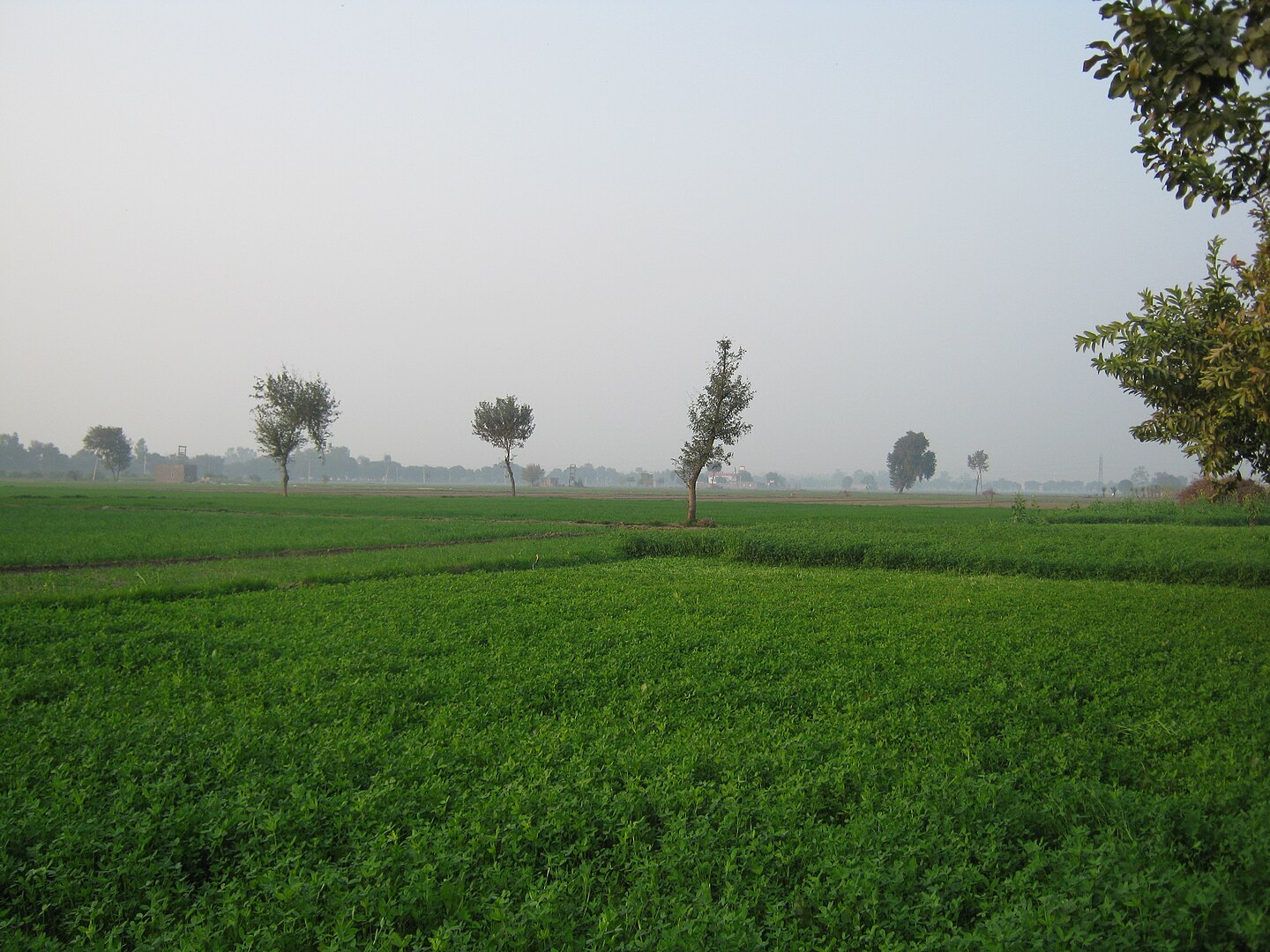
The sanctuary lies on the Gurugram–Farrukhnagar Road and covers an area of around 143 hectares. Surrounded by dry deciduous vegetation, including jamun, banyan, ber, and acacia trees, the park offers a refreshing natural environment amid the rapidly urbanizing landscape of the National Capital Region (NCR).
At the heart of the sanctuary is a shallow wetland ecosystem. During the monsoon season, rainwater fills the depression and creates ideal conditions for aquatic plants and birds. As temperatures rise during summer, water levels gradually recede, transforming the landscape and attracting different species adapted to seasonal changes. This dynamic ecosystem makes every visit unique throughout the year.
History of Sultanpur Bird Sanctuary
The village of Sultanpur is believed to have been named after Rajput Chauhan ruler Sultan Singh, a descendant of Harsh Dev Chauhan. The area’s ecological significance was recognized decades ago when conservationists observed the large number of migratory birds visiting the wetland each winter.
The sanctuary was officially declared a protected area under the provisions of the Punjab Wildlife Preservation Act. A major turning point came when renowned conservationist Peter Jackson, associated with the International Union for Conservation of Nature (IUCN), highlighted the importance of the wetland as a critical habitat for migratory birds.
Over the years, conservation efforts helped preserve the lake and its surrounding ecosystem. Recognizing its international ecological importance, Sultanpur was designated as a Ramsar Wetland Site in 2021, placing it among the world’s significant wetlands deserving conservation and sustainable management.
Birds of Sultanpur National Park
Sultanpur is famous for its incredible bird diversity. During winter, thousands of migratory birds arrive from Central Asia, Europe, Siberia, and other colder regions, while many resident species can be seen throughout the year.
Some commonly spotted migratory waterbirds include:
- Northern Shoveler.
- Northern Pintail.
- Garganey.
- Spot-billed Duck.
- Tufted Duck.
- Gadwall.
- Eurasian Wigeon.
- Common Teal.
- Bar-headed Goose.
- Greylag Goose
The wetlands also attract a variety of waders and shorebirds such as:
- Black-tailed Godwit.
- Ruff.
- Redshank.
- Common Sandpiper.
- Green Sandpiper.
- Wood Sandpiper.
- Common Snipe.
Other notable birds seen in the sanctuary include:
- Little Grebe.
- Oriental Darter.
- Little Cormorant.
- Great Cormorant.
- Indian Peafowl.
- Black Francolin.
- Yellow-footed Green Pigeon.
- Rose-ringed Parakeet.
- Indian Roller.
- Common Kestrel.
More than 250 species of birds have been recorded here, making the sanctuary one of the most important birdwatching destinations in North India.
Best Time to Visit
The best time to visit Sultanpur National Park is between October and March when migratory birds arrive in large numbers. Winter mornings are especially rewarding, as visitors can observe birds feeding, nesting, and flying over the wetland in pleasant weather conditions.
The monsoon season also brings lush greenery and attracts several resident species, although bird diversity is highest during winter.
Timings and Entry Information
The sanctuary is generally open from 7:00 AM to 4:30 PM and remains closed on Tuesdays. Early morning visits are recommended for birdwatching, photography, and enjoying the peaceful atmosphere before crowds arrive.
How to Reach Sultanpur National Park
By Road
Sultanpur National Park is well connected by road and can be easily reached from Delhi, Gurugram, Faridabad, and other nearby cities. It is located approximately 40 km from central Delhi and around 16 km from Gurugram. Private vehicles, taxis, and app-based cabs are the most convenient options.
The drive from Delhi usually takes around one to one-and-a-half hours, depending on traffic conditions.
By Rail
The nearest major railway station is Gurugram Railway Station, located about 15 km away. From the station, visitors can hire a taxi or auto-rickshaw to reach the sanctuary.
By Air
The nearest airport is Indira Gandhi International Airport, Delhi, situated approximately 35 km from Sultanpur. From the airport, taxis are readily available for the journey to the park.
Local Transportation
Auto-rickshaws and taxis are available from Gurugram city. Many visitors combine a visit to Sultanpur with nearby attractions in Gurugram and Farrukhnagar for a full-day excursion.
Nearby Attractions
Farrukhnagar Fort
Located a short drive from the sanctuary, Farrukhnagar Fort is a historic Mughal-era fort known for its old gateways, heritage structures, and fascinating history linked to the region’s salt trade.
Mata Sheetla Devi Temple
One of the most revered temples in Haryana, this ancient shrine attracts thousands of devotees throughout the year and is located in Gurugram.
Damdama Lake
Situated on the outskirts of Gurugram, Damdama Lake is a popular destination for boating, picnics, nature walks, and adventure activities.
Leisure Valley Park
A beautifully maintained urban park in Gurugram, ideal for evening strolls, family outings, and relaxation.
Heritage Transport Museum
Located near Tauru, this unique museum showcases India’s transportation history through vintage cars, motorcycles, aircraft models, and railway exhibits.
Travel Tips
- Carry binoculars for a better birdwatching experience.
- Visit during early morning hours when bird activity is at its peak.
- Wear comfortable walking shoes and light-colored clothing.
- Maintain silence to avoid disturbing wildlife.
- Carry drinking water, especially during warmer months.
- Photography enthusiasts should bring telephoto lenses for bird photography.
Maps
FAQs
Is Sultanpur Bird Sanctuary worth visiting?
Yes. It is one of the best birdwatching destinations near Delhi and Gurugram, offering excellent opportunities to observe migratory and resident birds in a natural wetland environment.
What is the best season to visit Sultanpur National Park?
The winter season, from October to March, is considered the best time because migratory birds arrive in large numbers during this period.
How far is Sultanpur Bird Sanctuary from Delhi?
The sanctuary is approximately 40 km from central Delhi and can be reached in about one to one-and-a-half hours by road.
Can photography be done inside the sanctuary?
Yes. Bird photography and nature photography are among the main attractions of the park. Early morning light provides the best conditions for photography.
Are food facilities available inside the sanctuary?
Basic facilities may be available near the entrance area, but visitors are advised to carry water and snacks, especially if planning a longer visit.
Is Sultanpur National Park suitable for families?
Absolutely. The park offers a peaceful environment, walking trails, educational opportunities, and wildlife viewing experiences suitable for visitors of all ages.
How much time is needed to explore the sanctuary?
Most visitors spend between two and four hours exploring the park, though serious birdwatchers may stay longer.