Image Source: vanitha lalwani
About Jibhi Falls
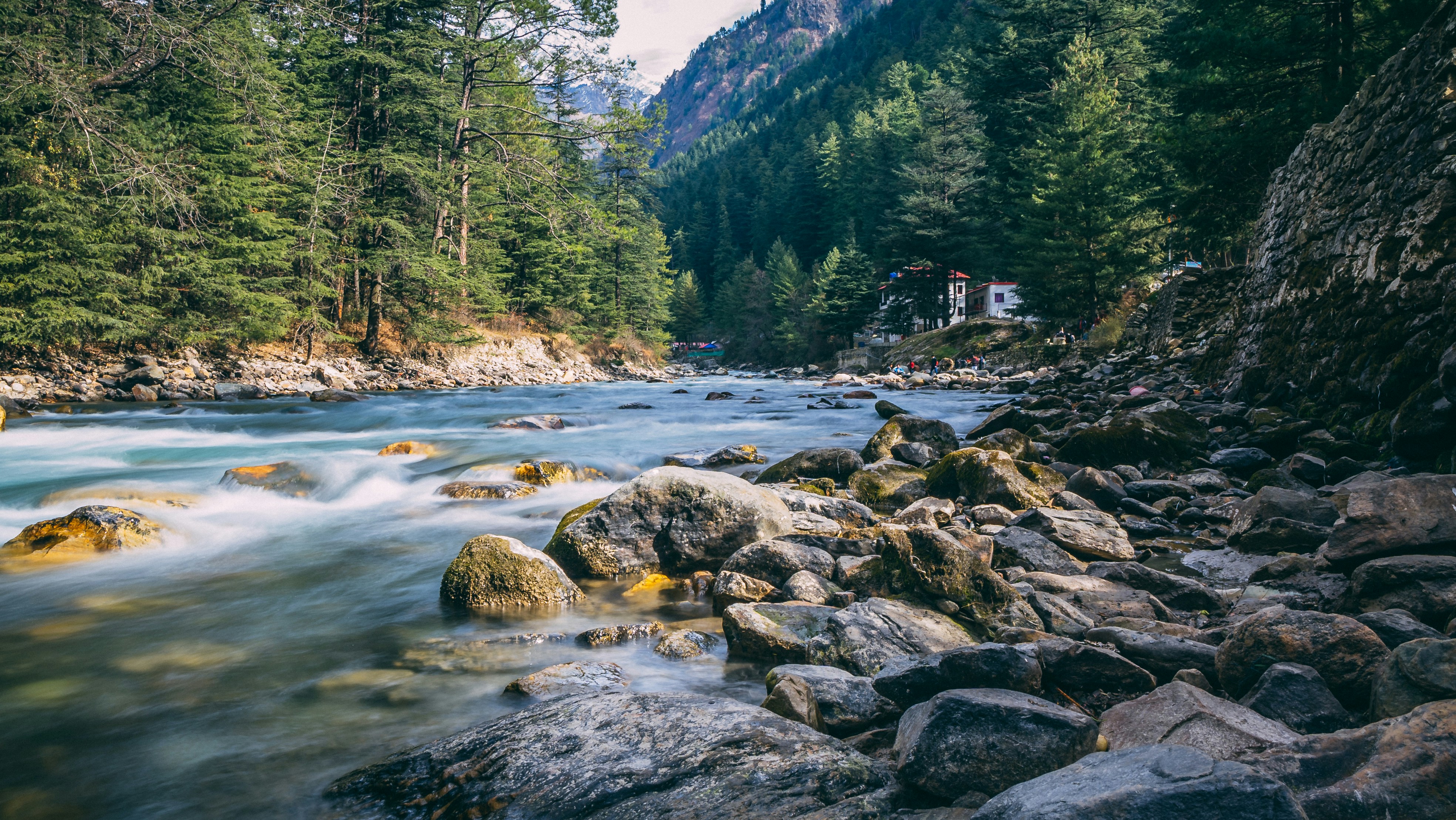
Nestled amidst dense deodar forests and charming Himalayan scenery, Jibhi Falls is one of the most popular natural attractions in Jibhi, a picturesque village in Himachal Pradesh’s Tirthan Valley. Cascading from a height of around 55 feet, this beautiful waterfall offers visitors a peaceful escape from the hustle and bustle of city life.
Unlike many crowded tourist spots, Jibhi Falls retains its natural charm. A wooden bridge and stone pathways lead visitors through lush greenery to the waterfall, creating a fairy-tale-like atmosphere. The soothing sound of rushing water, cool mountain air, and surrounding forest make it an ideal place to relax, meditate, or simply enjoy nature.
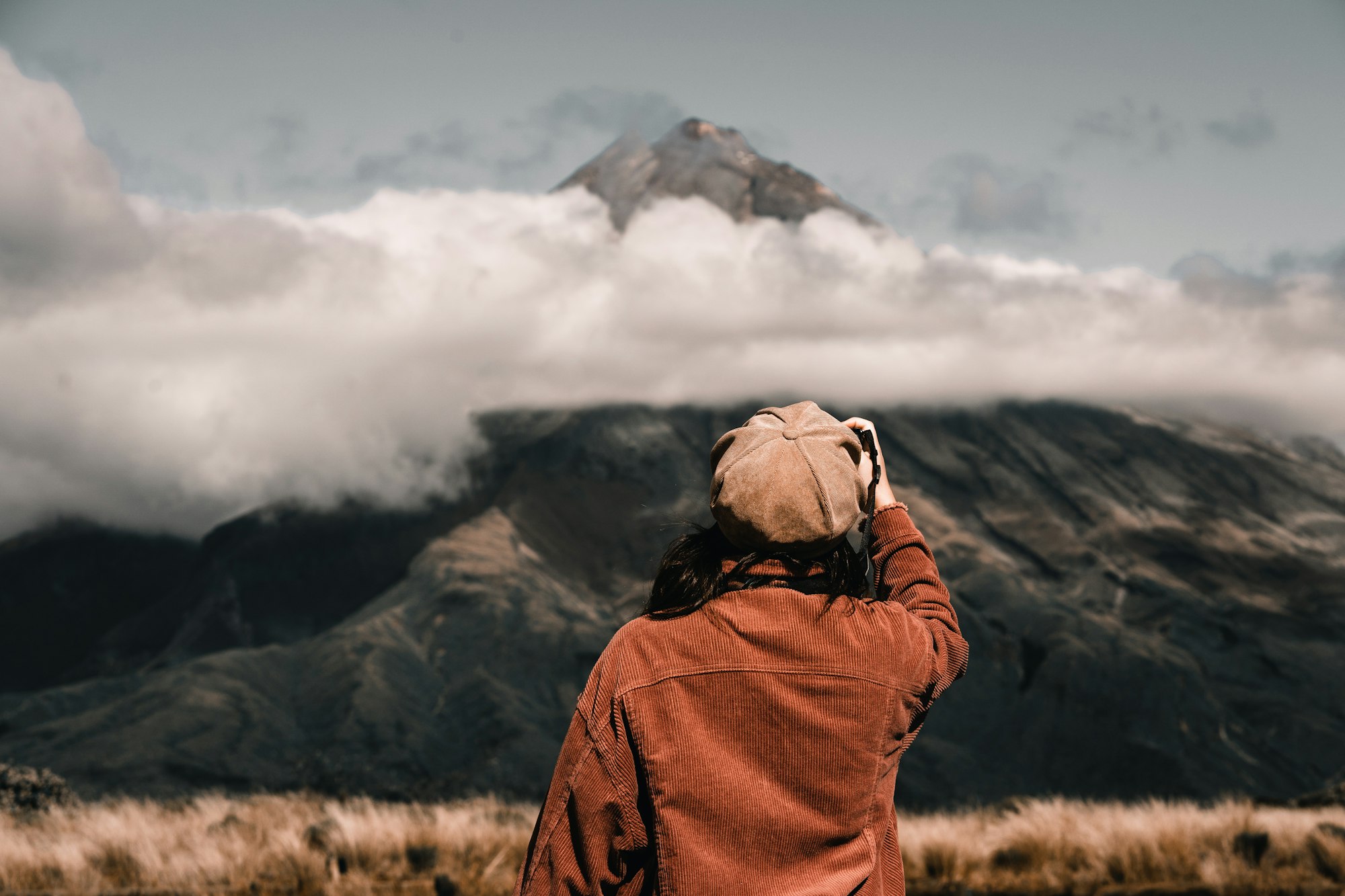
The waterfall is a favorite among photographers, nature lovers, trekkers, and families visiting the Tirthan Valley region. Many travelers consider it an essential stop while exploring Jibhi due to its easy accessibility and serene environment.
Best Time to Visit Jibhi Falls
Jibhi Falls can be visited throughout the year, but the experience varies with the seasons. The months between March and June offer pleasant weather, blooming vegetation, and comfortable temperatures for sightseeing. During the monsoon season, from July to September, the waterfall becomes more powerful and dramatic due to increased water flow, though trails may become slippery.
Autumn and early winter, from October to December, provide clear mountain views and a peaceful atmosphere. Early mornings are generally the best time to visit, as the area remains less crowded and visitors can enjoy the tranquility of the surroundings.
A nominal entry fee, usually around ₹20, is charged at the entrance gate that leads to the waterfall.
Local Experience Around the Falls
The area surrounding Jibhi Falls is dotted with traditional Himachali wooden houses, apple orchards, small cafés, and forest trails. Visitors often spend time exploring the nearby village lanes, interacting with locals, and enjoying authentic Himachali cuisine at local eateries.
The waterfall is also a wonderful place to sit beside the stream and enjoy the fresh mountain environment. During summer, many visitors dip their feet in the cool water, while photographers capture the stunning natural scenery from various viewpoints around the falls.
Accessibility and Directions
One of the biggest advantages of Jibhi Falls is its convenient location. The waterfall is situated close to Jibhi Market and can be reached within 5 to 10 minutes on foot. A short, well-maintained trail passes through a forested area before reaching the falls.
Most vehicles can be parked near the market area, making the attraction suitable for travelers of all age groups. Mobile connectivity and internet services are generally available in Jibhi, with major networks offering reasonable coverage.
Trekking and Adventure Opportunities Nearby
Jibhi serves as an excellent base for exploring several trekking routes in the region. Adventure enthusiasts often combine a visit to Jibhi Falls with treks to Serolsar Lake, Jalori Pass, Raghupur Fort, and the beautiful meadows of Shoja. These destinations showcase the region’s rich biodiversity, breathtaking mountain views, and traditional Himalayan culture.
Visitors planning to explore the wider Tirthan Valley region should ideally spend two to four days in the area to fully experience its natural beauty and attractions.
Nearby Attractions
1. Jalori Pass
Located about 12 kilometers from Jibhi, Jalori Pass is one of the most scenic mountain passes in Himachal Pradesh. It offers panoramic views of the Himalayan ranges and serves as the starting point for several popular treks.
2. Serolsar Lake
A pristine high-altitude lake surrounded by dense oak forests, Serolsar Lake is reached via a scenic trek from Jalori Pass. The lake is famous for its crystal-clear waters and peaceful setting.
3. Raghupur Fort
The ruins of this historic fort sit atop a hill near Jalori Pass and provide spectacular views of the surrounding valleys and snow-capped peaks.
4. Chehni Kothi
Known for its ancient tower architecture, Chehni Kothi is one of Himachal Pradesh’s architectural treasures. The village offers insights into traditional Himalayan construction techniques.
5. Shringa Rishi Temple
Located near Banjar, this revered temple is dedicated to Shringa Rishi and holds great religious significance for the local communities.
6. Great Himalayan National Park
A UNESCO World Heritage Site, the Great Himalayan National Park is home to diverse wildlife, rare Himalayan flora, and numerous trekking routes.
7. Chhoie Waterfall
Situated near Sharchi village, this beautiful waterfall is another hidden attraction within the Tirthan Valley region.
8. Shangarh Meadows
Famous for its vast green meadows and peaceful atmosphere, Shangarh is often described as one of Himachal Pradesh’s most beautiful offbeat destinations.
How to Reach Jibhi Falls
By Air
The nearest airport is Bhuntar Airport, located approximately 50 kilometers from Jibhi. Taxis and local buses are available from the airport to reach Jibhi.
By Road
Jibhi enjoys good road connectivity with major towns in Himachal Pradesh. Regular buses and taxis operate from Kullu, Manali, Shimla, Aut, Banjar, and Bhuntar.
Approximate distances:
- Aut – 32 km
- Banjar – 8 km
- Bhuntar – 50 km
- Kullu – 60 km
- Manali – 95 km
- Shimla – 160 km
From Aut on the Chandigarh-Manali Highway, travelers need to take the Banjar-Jibhi road that leads directly to the village.
By Train
There is no railway station in Jibhi. The nearest major railhead is Shimla Railway Station, about 160 kilometers away. Travelers can hire a taxi or board local buses from Shimla to reach Jibhi.
Maps
FAQs
1. Is Jibhi Falls worth visiting?
Yes, Jibhi Falls is one of the most scenic attractions in Tirthan Valley and offers a peaceful natural setting ideal for relaxation and photography.
2. How far is Jibhi Falls from Jibhi Market?
The waterfall is located within walking distance of the main market and can be reached in about 5 to 10 minutes.
3. Is there an entry fee for Jibhi Falls?
Yes, a small entry fee is usually charged at the entrance gate.
4. Can visitors swim in Jibhi Falls?
The pool near the waterfall is shallow in some areas, but swimming is generally not recommended due to slippery rocks and varying water flow.
5. What is the best season to visit Jibhi Falls?
Spring, summer, and autumn are considered the best seasons for visiting.
6. Is parking available near the waterfall?
Yes, parking facilities are available near Jibhi Market, from where visitors can walk to the falls.
7. How much time is required to visit Jibhi Falls?
Most visitors spend between 30 minutes and 1 hour exploring the waterfall and surrounding area.
8. Is Jibhi Falls suitable for families?
Yes, the short and easy walking trail makes it suitable for families, children, and elderly visitors.
9. Can Jibhi Falls be visited during winter?
Yes, the waterfall remains accessible during winter, although temperatures can be quite cold.
10. What other places can be explored along with Jibhi Falls?
Visitors often combine their trip with Jalori Pass, Serolsar Lake, Raghupur Fort, Chehni Kothi, Shangarh Meadows, and the Great Himalayan National Park.