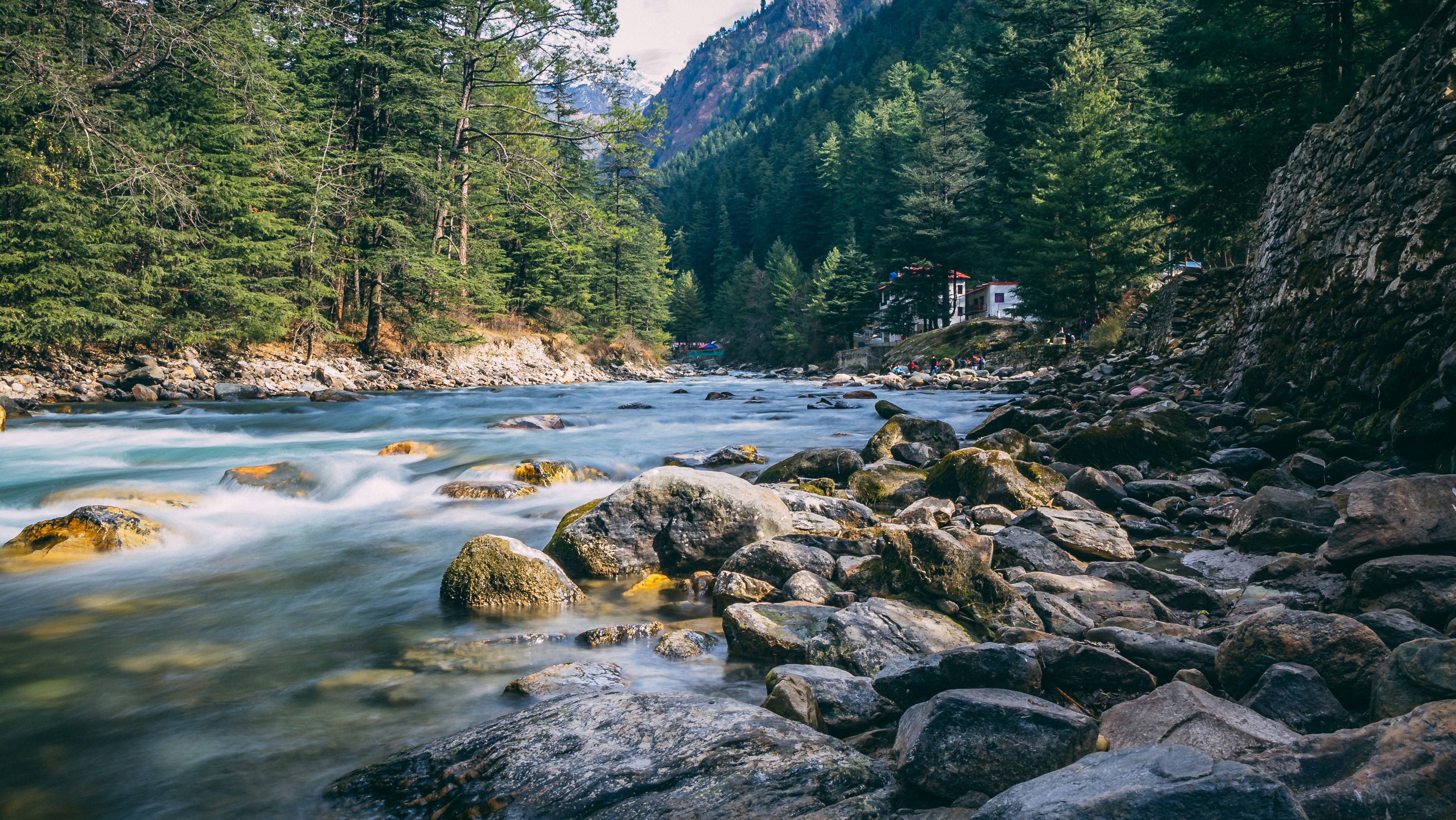
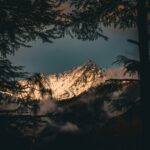
Perched high in the hills above the town of Dharamshala, McLeod Ganj is one of the most fascinating destinations in the Indian Himalayas. Often called “Little Lhasa,” this vibrant hill town blends Tibetan spirituality, Himalayan landscapes, colonial history, and modern backpacker culture. For many travellers visiting Dharamshala, this is the real destination they have in mind.
Located about 4 km uphill from Dharamshala town (or roughly 10 km via the bus route ), McLeod Ganj serves as the headquarters of the Tibetan Government-in-Exile and the residence of Tenzin Gyatso , the spiritual leader of Tibetan Buddhism. Because of this unique role, the town has become one of the most important centers of Tibetan culture outside Tibet.
—
Table of Contents
ToggleA Town Shaped by Tibetan Culture
The atmosphere of McLeod Ganj is unlike most hill stations in India. Tibetan prayer flags flutter across streets, Buddhist chants echo from monasteries, and monks in maroon robes walk alongside backpackers from across the world.
The most significant landmark here is the Tsuglagkhang Complex , which houses the Dalai Lama’s temple, monastery, and residence. Pilgrims, monks, and travellers gather here daily to spin prayer wheels, meditate, or attend Buddhist teachings when the Dalai Lama is in residence.
Over the decades, McLeod Ganj has grown into a global hub for the study of Tibetan Buddhism, meditation, yoga, and holistic healing . Many visitors stay for weeks or months attending courses, volunteering with refugee support organizations, or studying Buddhist philosophy.
—
A Brief History of McLeod Ganj
Although McLeod Ganj is now famous for Tibetan culture, its origins lie in the British colonial era . The town was established in the mid-1850s and named after David McLeod , who served as the Lieutenant-Governor of Punjab during British rule.
It originally functioned as a British garrison and administrative center for the colonial government. However, the region suffered major destruction during the 1905 Kangra earthquake , which devastated many settlements in the Kangra Valley.
For decades afterward, McLeod Ganj remained relatively quiet until 1960 , when the Dalai Lama arrived here after fleeing Tibet following the 1959 Tibetan Uprising . His arrival transformed the town into the political and cultural heart of the Tibetan exile community .
—
The Traveller Scene
Today, McLeod Ganj is one of the most popular traveller hubs in Himachal Pradesh , comparable in popularity to destinations like Manali. The town is packed with:
* Budget guesthouses and boutique hotels.
* Cafés serving Tibetan, Israeli, Italian, and Indian food.
* Trekking agencies organizing Himalayan expeditions.
* Bookshops and meditation centers.
* Stores selling Tibetan handicrafts and prayer items.
The multicultural environment attracts spiritual seekers, trekkers, digital nomads, and volunteers . Many NGOs here focus on Tibetan refugees, education, and cultural preservation.
—
Exploring the Streets of McLeod Ganj
Despite its global fame, McLeod Ganj is still a compact town centered around Main Chowk . Several important roads branch out from this central square:
Temple Road
This road leads south toward the Tsuglagkhang Complex , the spiritual heart of the town.
Bhagsu Road
Heading east, this road leads to the village of Bhagsunag, famous for its ancient temple and the beautiful Bhagsu Waterfall.
Dharamkot Road
Running north from the town, this route climbs toward Dharamkot, a peaceful hillside village popular with backpackers and yoga enthusiasts.
Jogibara Road
This road connects McLeod Ganj with Gangchen Kyishong , the administrative headquarters of the Tibetan government-in-exile.
TIPA Road
This route leads to the renowned Tibetan Institute of Performing Arts , where Tibetan music, dance, and opera traditions are preserved.
—
Nearby Attractions Worth Visiting
Several beautiful attractions lie within a short distance of McLeod Ganj:
* St. John in the Wilderness Church – A peaceful 19th-century Gothic church surrounded by dense cedar forest.
* Dal Lake – A small but scenic mountain lake with deodar trees around it.
* Bhagsu Waterfall – A popular trekking and relaxation spot.
* Dharamkot – Known for meditation centers and views of the Kangra Valley.
These locations make McLeod Ganj an excellent base for short hikes and day excursions .
—
Weather and Travel Tips
The climate here is cooler and wetter than many other Himalayan towns . Because McLeod Ganj lies on the southern slopes of the Dhauladhar Range , it receives heavy monsoon rainfall , especially between July and September.
Useful travel tips include:
* Carry rain gear or waterproof clothing , even outside the monsoon.
* Many shops and businesses remain closed on Mondays .
* Winter temperatures can drop close to freezing.
* The best seasons to visit are March–June and September–November .
—
Transport and Getting Around
Most buses arrive at the McLeod Ganj bus depot , located about 200 meters north of Main Chowk on the road leading toward St. John Church and Dal Lake. From here, travellers can easily walk or hire taxis to reach their accommodation.
Key transport points include:
* Taxi stand: Located on Mall Road.
* Shared jeeps: Often operate between Dharamshala and McLeod Ganj.
* Autorickshaws: Available near the main bus stand.
Regular buses connect the town to Dharamshala, Kangra, and other Himalayan destinations .
—
Why McLeod Ganj Is Special
What makes McLeod Ganj truly unique is the fusion of cultures . Few places in India combine Himalayan landscapes, Tibetan spirituality, colonial history, and international traveller culture in such a small area.
Whether you come for Buddhist teachings, Himalayan treks, Tibetan cuisine, meditation retreats, or simply the mountain atmosphere , McLeod Ganj offers an experience that feels both deeply spiritual and vibrantly global .