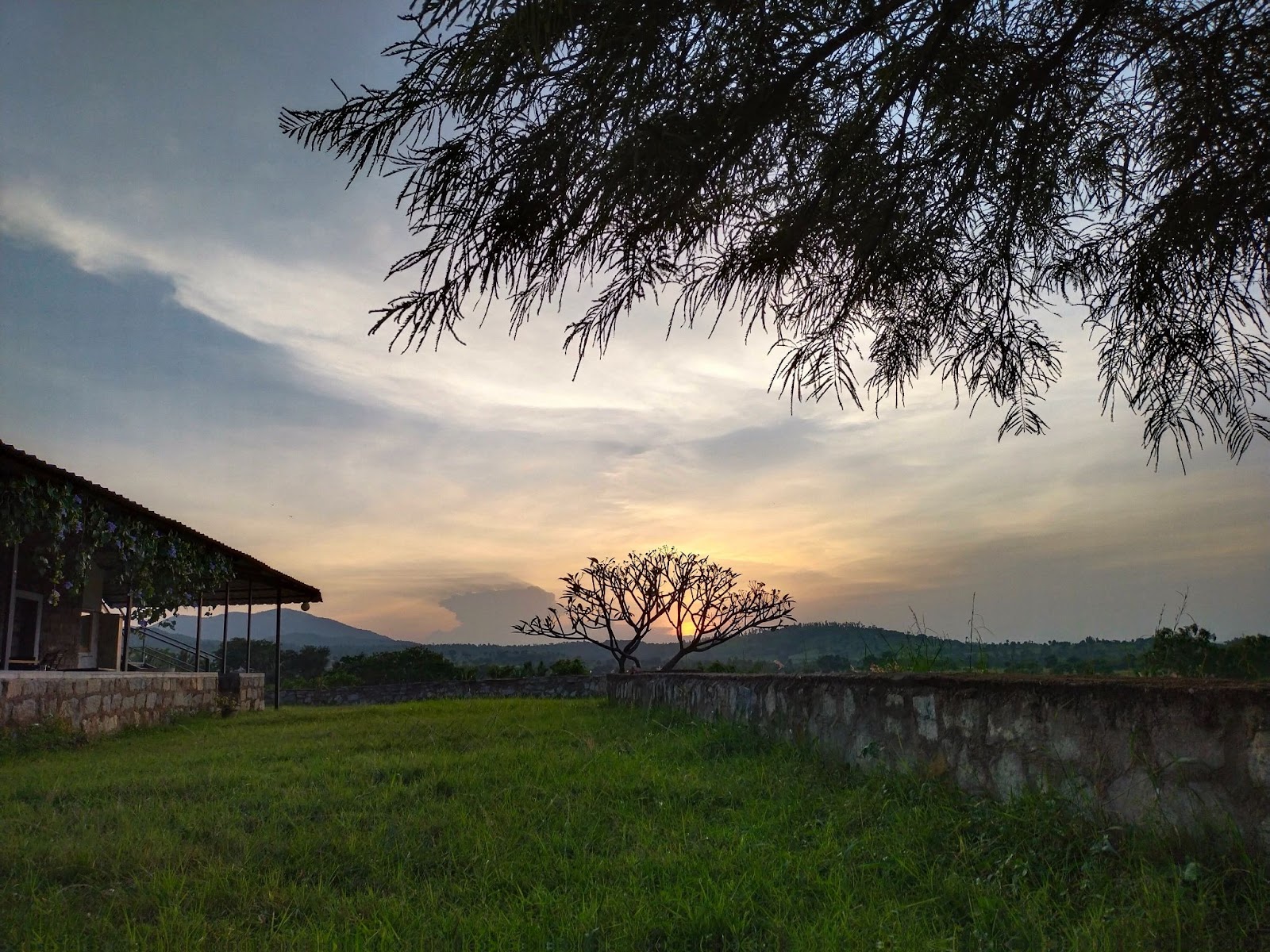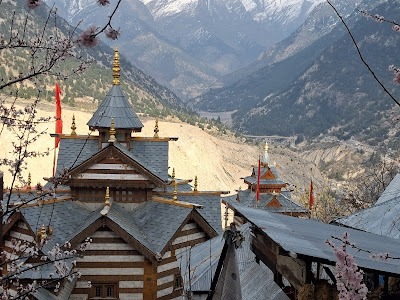
Image Source: Abhishek Negi
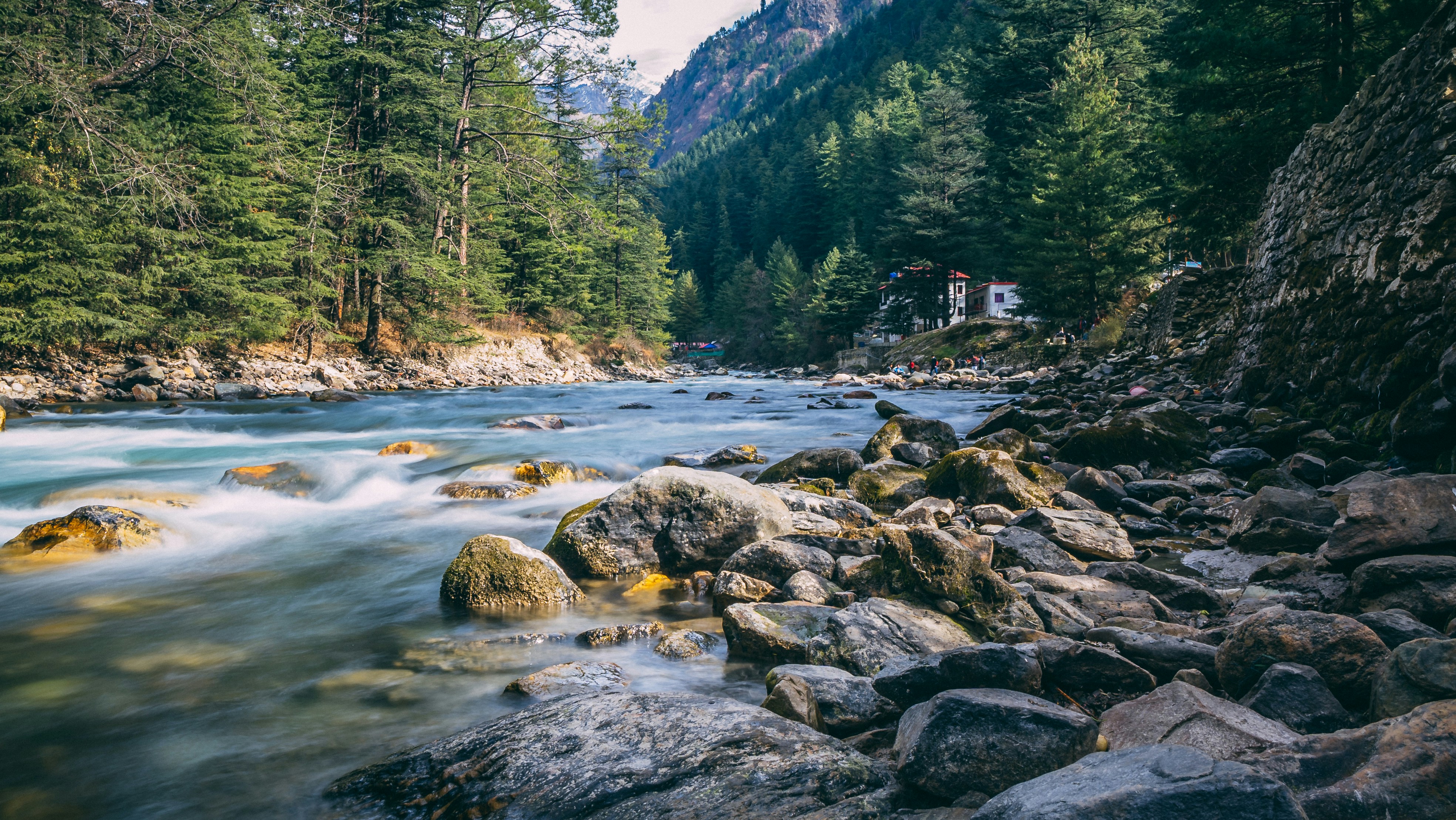
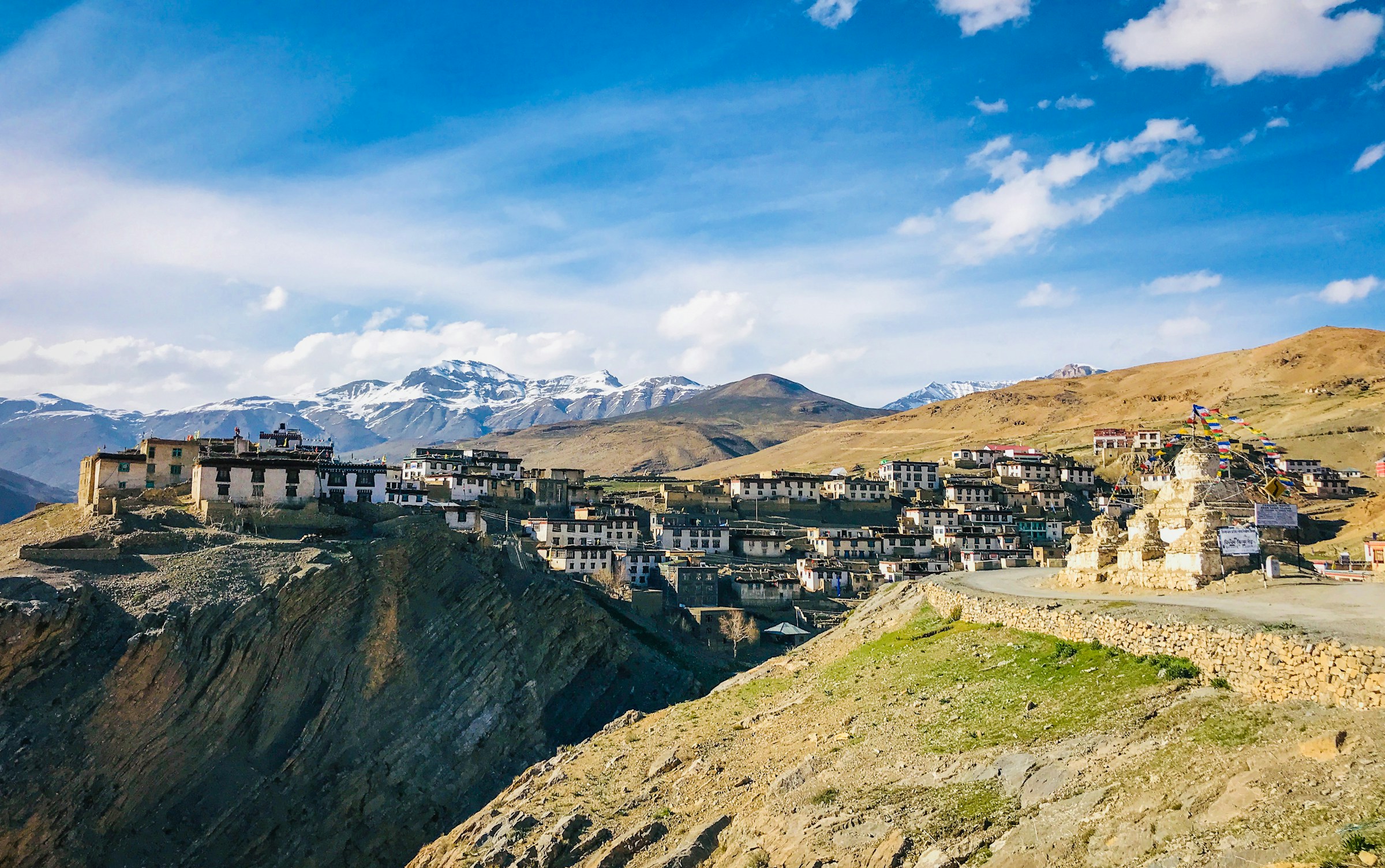
At an altitude of 3,180 meters, Ribba village lies in the Kinnaur district of Himachal Pradesh. Famous for its postcard-perfect vineyard and quiet trails, the village is a vault of centuries-old traditions, mysterious dieties and unique microclimates. Ribba village is famous for an abundance of Pine Nut or Chilgoza. In local dialect, Ribba is known as Rirang. Where “Ri” meansa (pine nuts) and Rang means mountain peak.
Land of Rare ‘Angoori’ Grapes
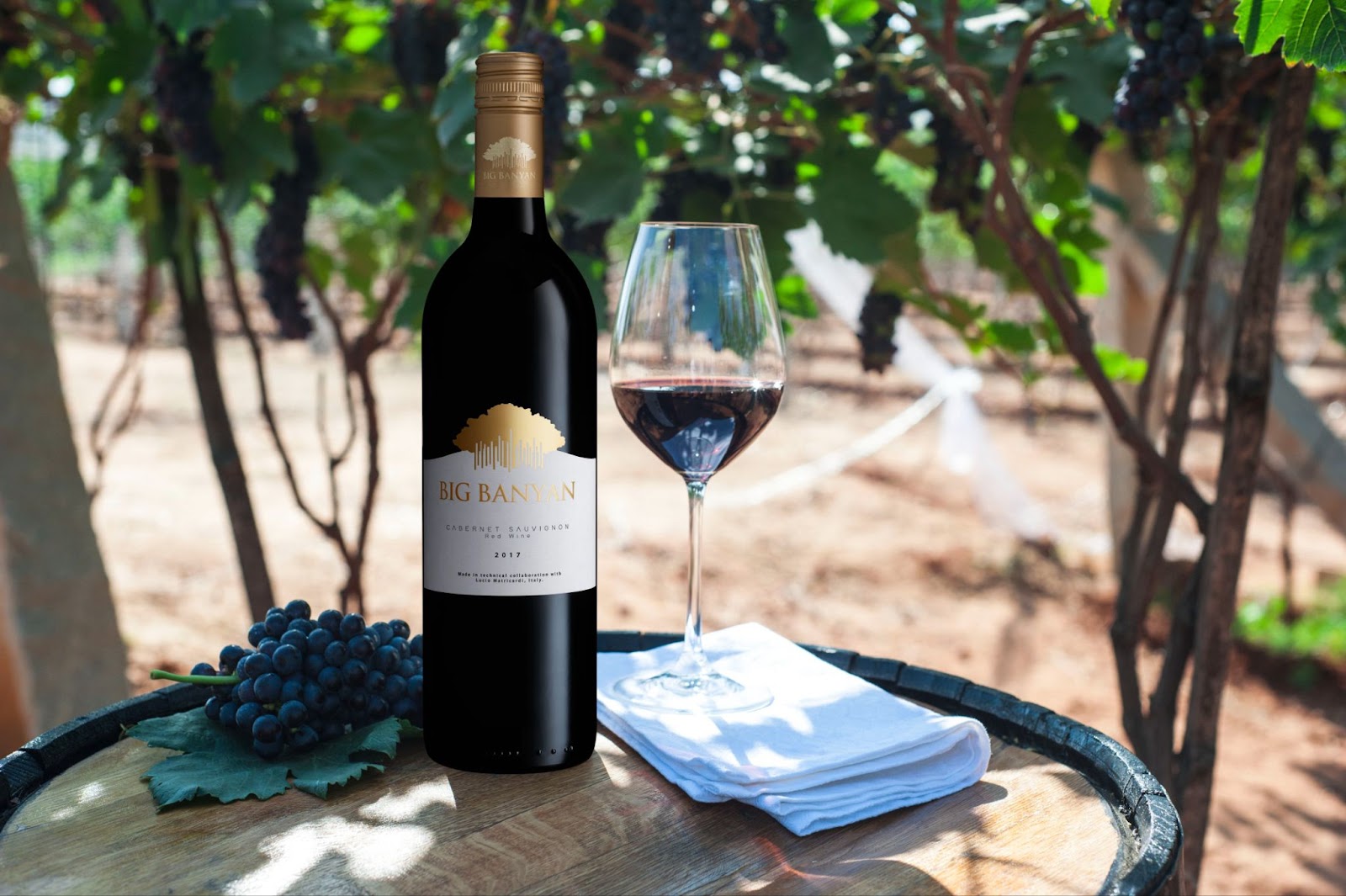
In the high altitude of the Himalayas, Ribba lies 33 KM towards East from District head quarters Reckong Peo. The village is quite famous for a rare variety of high-altitude grapes known as Angoori. The cold desert-type weather provides an optimum climate to grow locally brewed Angoori wine. Unlike commercially processed wine, these are homemade and deeply woven into the culture fabric of the village. Every household in Ribba village has its own unique recipe that has passed down through generations.
Worship of Dabla Devta—The Fire God
Dabla Devta is a powerful deity of Ribba village on whom the lives of local people revolve. The local deity is associated with fire and natural forces. It is believed that deity has powerful forces to control weather patterns, especially rainfall and crop yield.
Many age-old rituals like animal sacrifices, are performed in the Dabla temple. In traditional festivals, devotees pay offerings to the Dabal devta.
Blend of Animism, Hinduism, and Buddhism
In the Himalayas, Buddhism or Hinduism dominated the religion spectrum. But Ribba retains an animist belief system where natural elements like rivers, fire, and mountains are revered. The layered spiritual heritage is rarely found elsewhere. Kasuraj Ji Temple is another famous temple where both Hindu gods and Buddhist deities are worshipped.
Earthquake-Resistant Kat-Kuni Architecture
Rita faces frequent geological tremors. In Seismic zone V, the danger of a high-magnitude earthquake is always present. To provide safety and aesthetic charm, the villagers has developed traditional Kat-Kuni architecture. The special building style involves use of interlocking wooden beams with stone masonry. Many ancient houses and temples in the village are built using this unique method.
On the Forgotten Indo-Tibetan Trade Route
Before the pre-independent era, Ribba village once lay along the route of the Indo-Tibetan trade corridor. Culture and many things were exchanged through the silk route. However, after the closure of the India-Tibet border, things changed, but its influence is still visible in Ribba’s architecture, folklore, and even local attire.
Brutal Winters and Seasonal Migration
Situated in the high Himalayas range, the winter is very harsh on Ribba village. Temperatures often drop below -10°C , and snowfall can cut off the village from the rest of the world for weeks. Due to harsh conditions, villagers often migrate to lower altitudes during peak winter months for survival.
Mastery in Traditional Brewing
Ribba’s local wine has gained popularity from local wine to international brand. But if you visit the village today, you will see each household brews its own version of Angoori or other fruit liquors, often for personal consumption, festivals, or religious rituals. The brewing process is deeply ceremonial and treated with pride—akin to a family legacy.
Nearby Attractions Around Ribba Village
Ribba is a charming village in the Kinnaur district of Himachal Pradesh, situated amidst apple orchards, vineyards, and traditional Kinnauri settlements. Known for its locally produced grape wine (Angoori) and stunning views of the Himalayas, Ribba serves as an excellent base for exploring the Kalpa-Reckong Peo region.
1. Kalpa (12 km)
One of Kinnaur’s most popular destinations, Kalpa offers breathtaking views of the Kinner Kailash range. Visitors can explore traditional wooden houses, monasteries, and apple orchards while enjoying spectacular sunrise and sunset views.
2. Reckong Peo (13 km)
The district headquarters of Kinnaur, Reckong Peo is the main commercial center of the region. It is a convenient place for shopping, local cuisine, and arranging permits or transportation.
3. Kinner Kailash Viewpoint
This viewpoint offers stunning panoramas of the sacred Kinner Kailash peak, one of the most revered mountains in the Himalayas.
4. Narayan-Nagini Temple
A beautiful example of traditional Kinnauri architecture, this historic temple is known for its intricate woodwork and cultural significance.
5. Roghi Village
A picturesque village famous for its traditional lifestyle, scenic surroundings, and dramatic mountain roads.
6. Suicide Point
One of the most visited viewpoints near Kalpa, offering spectacular views of deep gorges, rugged cliffs, and the Sutlej Valley.
7. Hu-Bu-Lan-Kar Monastery
An ancient Buddhist monastery known for its peaceful ambiance, traditional murals, and spiritual importance.
8. Ribba Vineyards
Ribba is famous for its vineyards and traditional grape cultivation. Visitors can walk through the terraced fields and learn about local wine-making traditions.
9. Chini Village
Also known as Old Kalpa, Chini Village preserves the traditional heritage and architecture of the region.
10. Sutlej Valley
The dramatic Sutlej Valley surrounding Ribba offers incredible opportunities for photography, sightseeing, and nature walks.
Google Maps
FAQs About Ribba Village
1. Where is Ribba Village located?
Ribba Village is located in the Kinnaur district of Himachal Pradesh, approximately 12 km from Kalpa and 13 km from Reckong Peo.
2. Why is Ribba famous?
Ribba is famous for its vineyards, locally produced grape wine (Angoori), apple orchards, and traditional Kinnauri culture.
3. What is the best time to visit Ribba?
The ideal time to visit is from April to June and September to October when the weather is pleasant and the mountain views are clear.
4. Is Ribba worth visiting?
Yes, Ribba offers an authentic Kinnauri village experience, beautiful landscapes, and a peaceful atmosphere away from crowded tourist destinations.
5. How can I reach Ribba Village?
Ribba can be reached by road from Reckong Peo and Kalpa. The nearest major transport hub is Reckong Peo.
6. Are there accommodation options in Ribba?
Yes, visitors can find homestays, guesthouses, and small hotels offering comfortable stays and local hospitality.
7. Does Ribba receive snowfall?
Yes, the village receives snowfall during winter, particularly from December to February.
8. What activities can visitors enjoy in Ribba?
Popular activities include village walks, photography, orchard visits, cultural exploration, and short hikes in the surrounding hills.
9. Is Ribba suitable for family vacations?
Yes, its peaceful environment and easy accessibility make it suitable for families, couples, and nature enthusiasts.
10. How many days are enough for Ribba?
One to two days are sufficient to explore the village and nearby attractions around Kalpa and Reckong Peo.