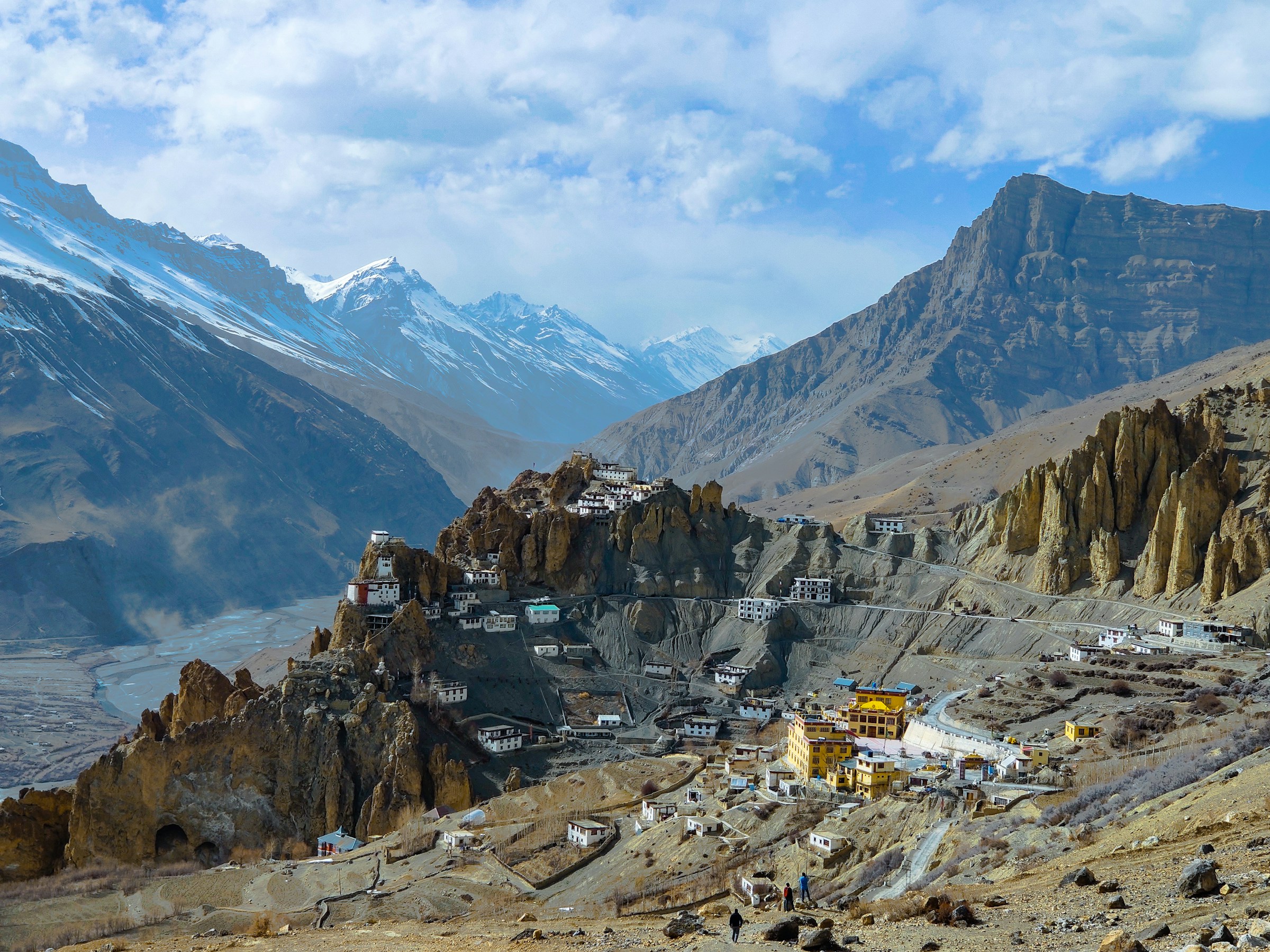
Image Source: Rakesh Kalia
About Taranda Dhank
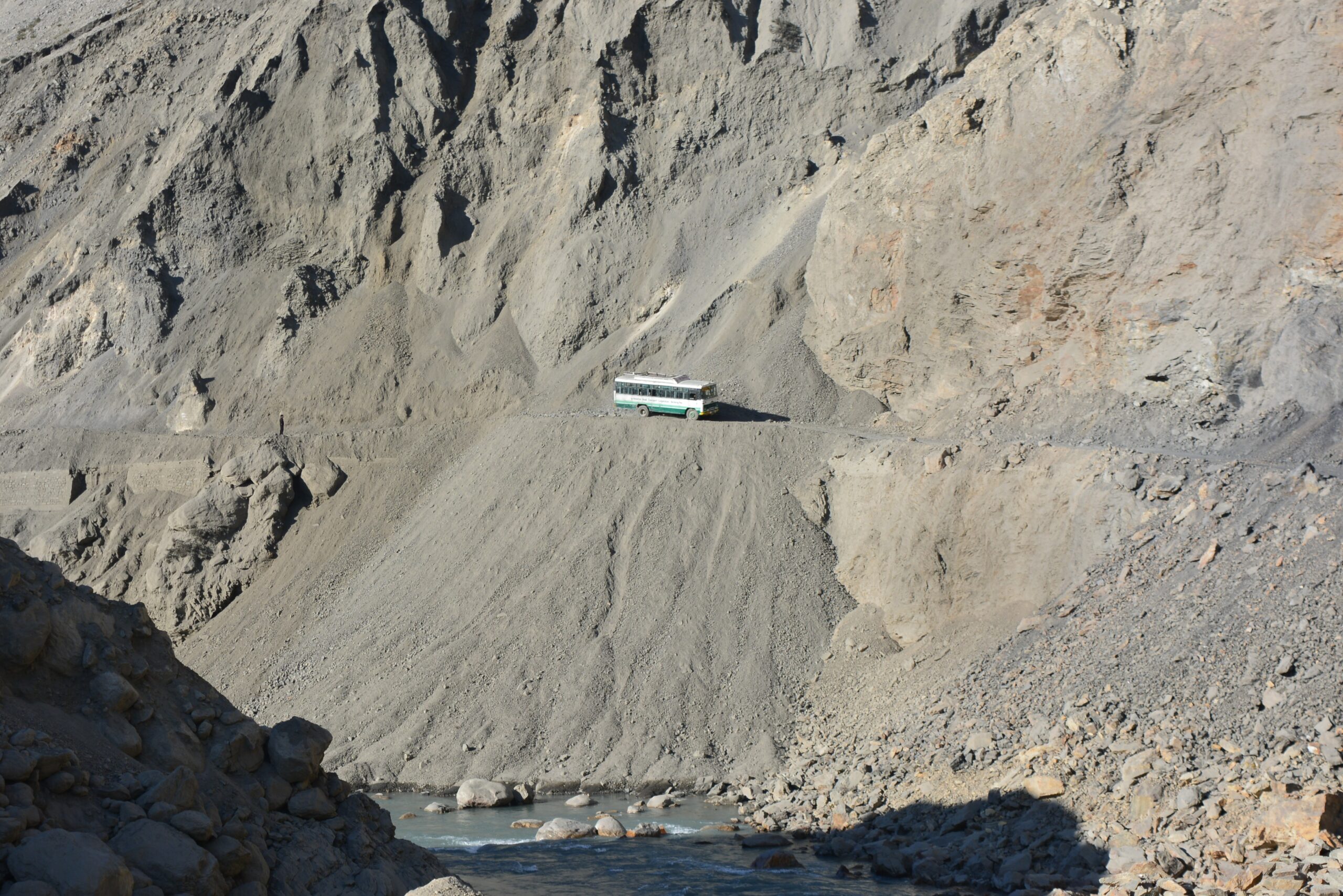
Taranda Dhank is one of the most dramatic and thrilling stretches along the historic Hindustan–Tibet Road (NH-5, formerly NH-22) in Himachal Pradesh’s Kinnaur district. Carved into steep mountain cliffs overlooking the roaring Sutlej River, this iconic location serves as the gateway to Kinnaur and leaves a lasting impression on every traveler heading toward Sangla, Kalpa, or Spiti Valley.
The moment you arrive at Taranda Dhank, the landscape changes dramatically. Towering rock faces rise on one side, while deep gorges plunge hundreds of meters down to the Sutlej River on the other. The road, painstakingly carved through solid rock, showcases the remarkable engineering efforts that made travel through these rugged Himalayan mountains possible. Its spectacular setting attracts adventure seekers, photographers, bikers, and road-trip enthusiasts from across the country.
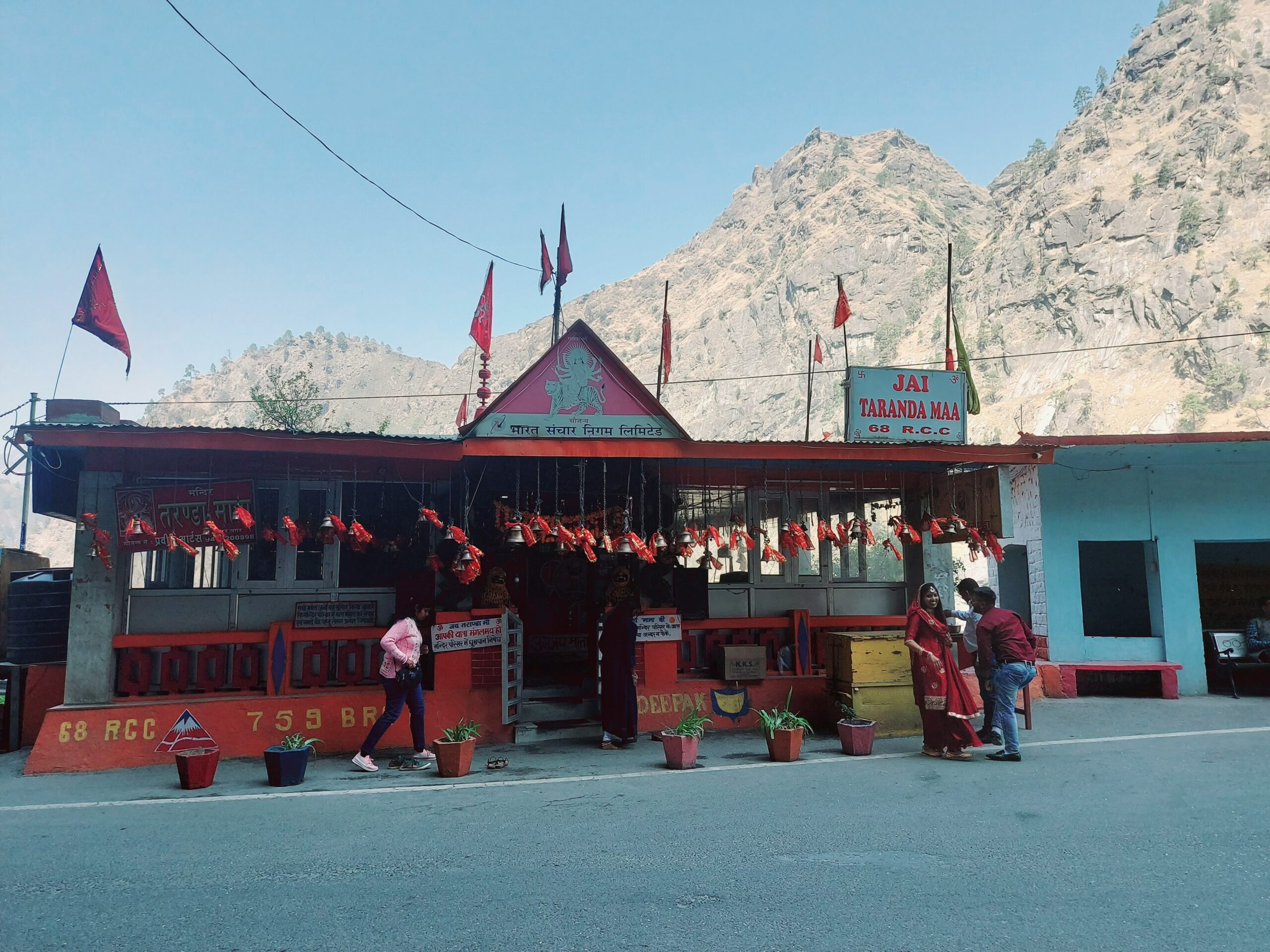
Taranda Mata Temple
One of the most revered landmarks at Taranda Dhank is the Taranda Mata Temple. Dedicated to the local deity Taranda Mata, the temple holds immense spiritual significance for residents and travelers alike. It is customary for drivers and pilgrims to stop here, offer prayers, and seek blessings before continuing their journey deeper into Kinnaur.
Local beliefs suggest that the road beyond Taranda Dhank can be unpredictable and challenging due to its narrow sections, landslides, and steep cliffs. As a result, many travelers consider a visit to the temple an important part of their journey, seeking protection and safe passage through the mountains.
One of India’s Most Thrilling Mountain Roads
Taranda Dhank is often counted among the most adventurous mountain roads in India. The route demands careful driving, especially during the monsoon season and winter months when falling rocks, snow, or road damage can create additional challenges.
Sharp bends, overhanging cliffs, and narrow stretches require drivers to remain fully alert. Yet, despite the challenges, the road rewards visitors with breathtaking views of rugged Himalayan terrain, deep river valleys, and dramatic rock formations. For many road-trippers, crossing Taranda Dhank becomes one of the most memorable highlights of a Kinnaur journey.
Landscape and Surroundings
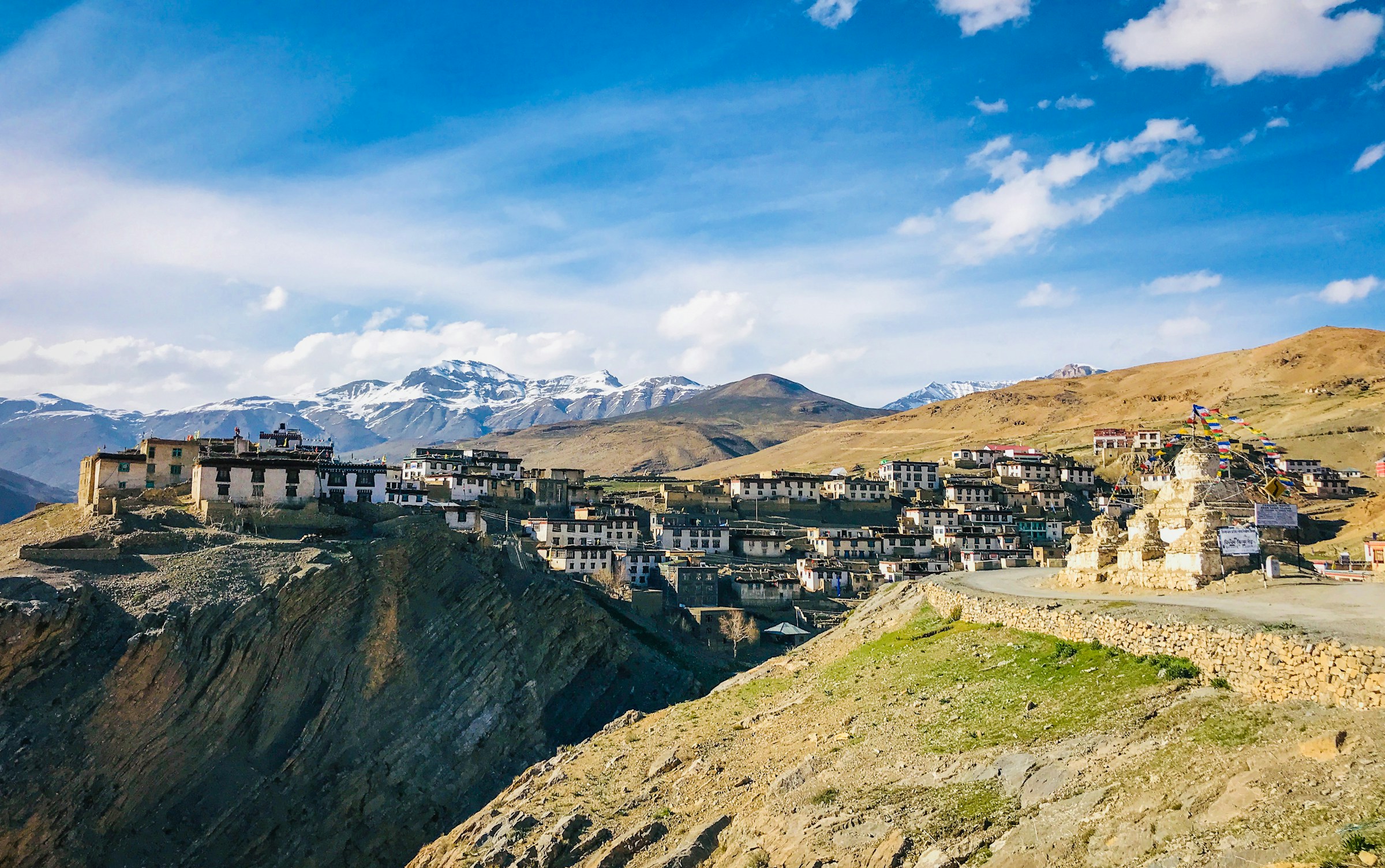
The terrain around Taranda Dhank is predominantly rocky and barren, with sparse vegetation clinging to the mountainsides. The harsh landscape reflects the transition from the greener lower Himalayas to the more rugged and arid regions of Kinnaur.
As travelers continue ahead, the scenery gradually changes. About 35 km from Taranda Dhank lies the Karcham Dam, a major hydroelectric project built on the Sutlej River. The district headquarters, Reckong Peo, is located approximately 23 km away and serves as the administrative and commercial center of Kinnaur. From there, visitors can easily access popular destinations such as Kalpa, Sangla Valley, and Chitkul.
Best Time to Visit Taranda Dhank
The ideal time to visit Taranda Dhank is between April and October when road conditions are generally favorable and the weather remains pleasant. During the monsoon season, travelers should check road conditions in advance, as landslides and falling rocks can occasionally disrupt traffic. Winter visits offer dramatic mountain scenery but may involve snowfall and colder temperatures.
Travel Tips for Visitors
- Drive cautiously and avoid speeding on narrow mountain roads.
- Stop at designated viewpoints instead of parking on blind turns.
- Check weather and road updates before traveling during monsoon or winter.
- Carry drinking water and basic emergency supplies.
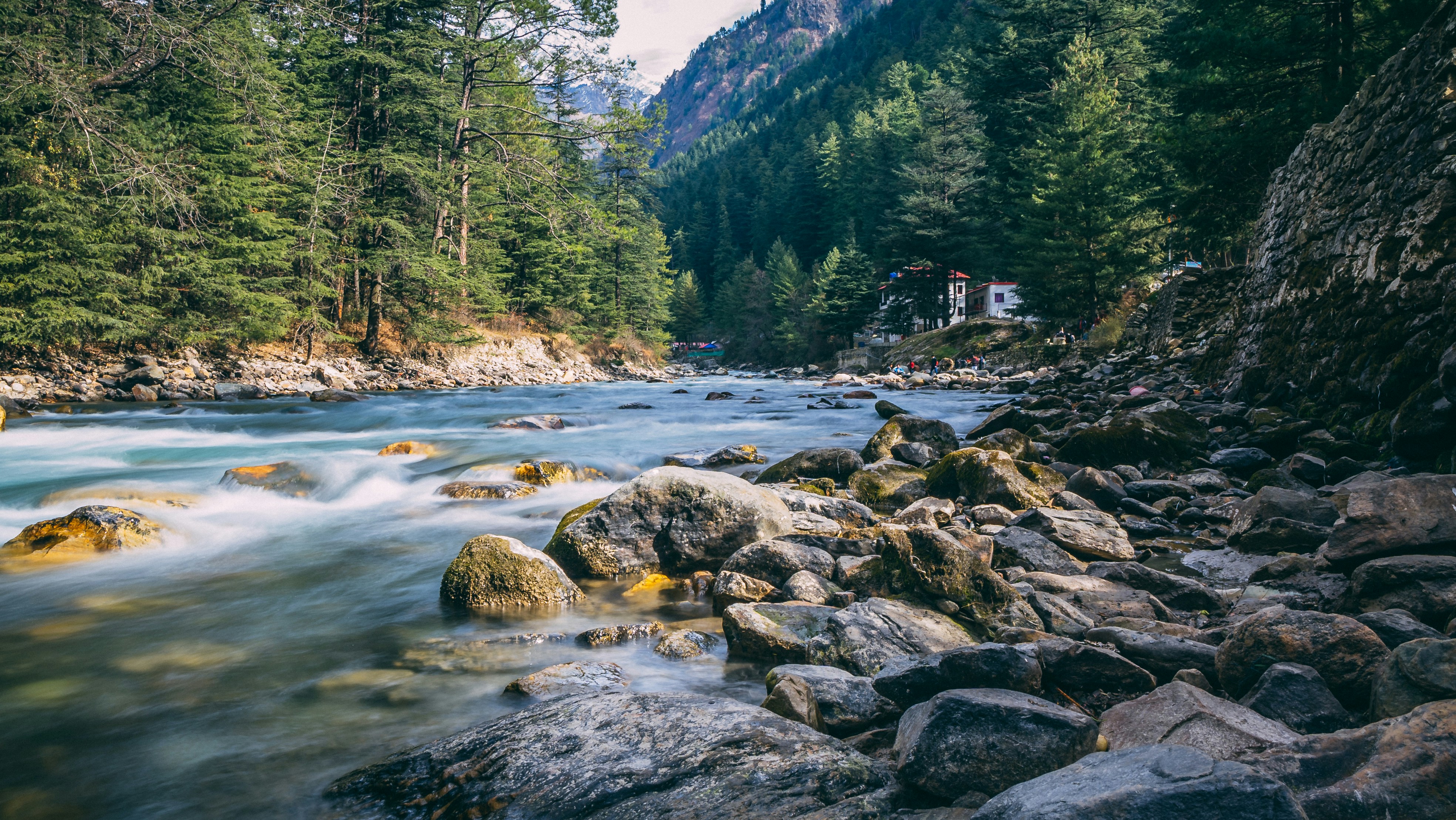
- Visit the Taranda Mata Temple and enjoy the panoramic views of the Sutlej Valley.
- Start your journey early in the day to avoid driving through mountain roads after dark.
Nearby Attractions
Kalpa (30 km)
A picturesque Himalayan village famous for its stunning views of the Kinnaur Kailash range, traditional wooden architecture, and peaceful atmosphere.
Reckong Peo (23 km)
The district headquarters of Kinnaur, offering markets, hotels, restaurants, and transport connections to nearby destinations.
Karcham Dam (35 km)
One of the largest hydroelectric projects in the region, located at the confluence of the Baspa and Sutlej rivers.
Sangla Valley (55 km)
A beautiful valley known for apple orchards, traditional villages, pine forests, and spectacular mountain scenery.
Chitkul (80 km)
The last inhabited village near the Indo-Tibetan border and one of the most scenic destinations in Himachal Pradesh.
Maps and Location of Taranda Dhank
FAQ’s
Why is Taranda Dhank famous?
Taranda Dhank is famous for its cliff-hugging mountain road, dramatic views of the Sutlej Gorge, and the revered Taranda Mata Temple.
Is Taranda Dhank dangerous?
The road can be challenging due to narrow sections, steep drops, and occasional landslides. Careful driving and attention to road conditions are essential.
Where is Taranda Dhank located?
Taranda Dhank is situated on NH-5 in Kinnaur district of Himachal Pradesh, between Rampur and Reckong Peo.
What is the significance of Taranda Mata Temple?
The temple is dedicated to Taranda Mata, a local deity believed to protect travelers journeying through the difficult mountain roads of Kinnaur.
Can motorcycles travel through Taranda Dhank?
Yes, motorcycles frequently travel through Taranda Dhank. In fact, it is a popular stop for bikers exploring Kinnaur and Spiti Valley.
What is the best time to visit Taranda Dhank?
April to October is considered the best period due to pleasant weather and relatively stable road conditions.
How far is Taranda Dhank from Reckong Peo?
Taranda Dhank is approximately 23 km from Reckong Peo and can be reached in about 45 minutes to an hour, depending on road conditions.