Image Source: kpop
About Tidong Valley
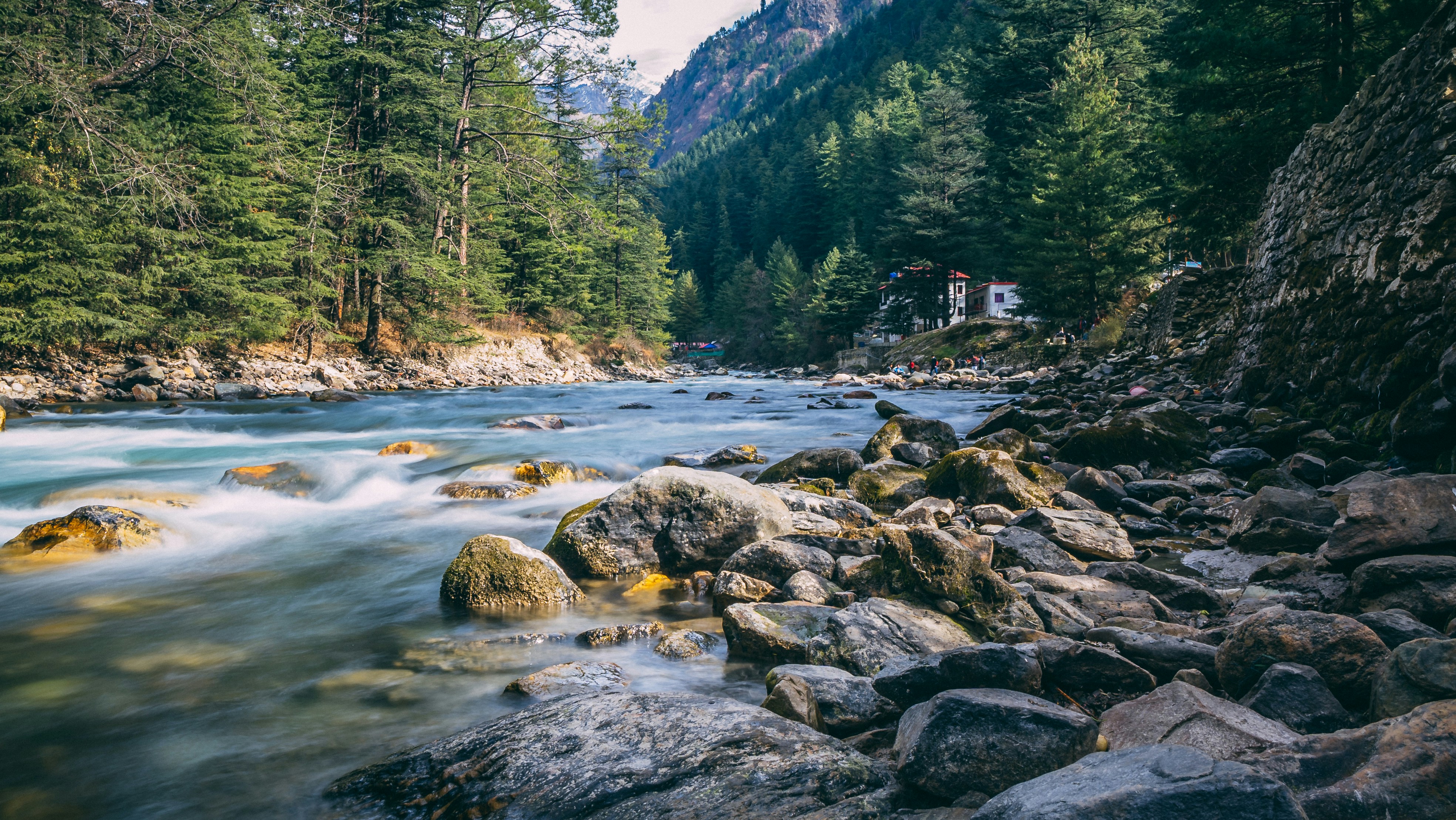
Nestled in the southeastern part of Kinnaur district in Himachal Pradesh, Tidong Valley is one of the region’s most remote and least-explored destinations. The valley stretches along the banks of the Tidong Stream, a mountain river that eventually merges with the mighty Sutlej River. Located at an elevation of around 2,500 to 3,000 meters above sea level, the valley is surrounded by dramatic Himalayan landscapes, including snow-covered peaks, dense forests, rocky cliffs, and deep gorges.
Unlike the more popular valleys of Kinnaur, Tidong Valley has managed to retain its raw beauty and traditional way of life. Its untouched scenery, peaceful villages, and rich cultural heritage make it a rewarding destination for travelers looking to experience an authentic side of the Himalayas.
The People of Tidong Valley
The inhabitants of the valley are known as Tidongpas, a community with a distinct cultural identity even among the diverse ethnic groups of Kinnaur. They speak Tidongpa, a unique dialect that shares similarities with Tibetan and other Kinnauri languages.
Life in the valley continues to be deeply connected to traditional customs, agriculture, and religious practices. The local people are known for their warm hospitality, vibrant festivals, and strong community bonds. Visitors often find the cultural richness of the valley just as fascinating as its natural beauty.
A Valley of Rugged Beauty
Tidong Valley is often described as a place of “savage grandeur” because of its dramatic terrain. Steep mountainsides, narrow river gorges, towering cliffs, and vast stretches of wilderness give the valley a wild and untamed character.
While it may not enjoy the same popularity as Sangla Valley, many travelers consider Tidong Valley even more rewarding because of its solitude and untouched landscapes. The region offers breathtaking views throughout the year, with changing seasons painting the mountains in different shades of green, gold, and white.
Trekking and Adventure Opportunities
For trekking enthusiasts, Tidong Valley serves as an excellent gateway to some of Kinnaur’s most spectacular high-altitude routes.
One of the most famous trekking routes is the Charang Ghati Pass, which stands at an elevation of approximately 5,242 meters and connects Tidong Valley with the Baspa Valley. The trek is known for its challenging terrain, alpine meadows, glacial landscapes, and stunning mountain views.
The valley also provides access to several prominent Himalayan peaks, including:
- Phawararang Peak (6,349 m).
- Jorkanden Peak (6,473 m).
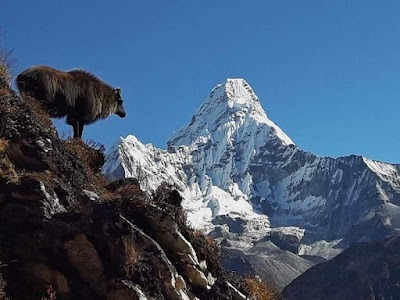
These towering mountains attract experienced trekkers, mountaineers, and adventure seekers from across the country. The region also offers magnificent views of the revered Kinnaur Kailash Range, one of the most sacred mountain ranges in Himachal Pradesh.
Villages of Tidong Valley
Tidong Valley is dotted with charming villages that preserve centuries-old traditions and architecture. Some of the notable settlements include:
- Rarang.
- Lambar.
- Charang.
- Thangi.
- Kuno.
- Asrang.
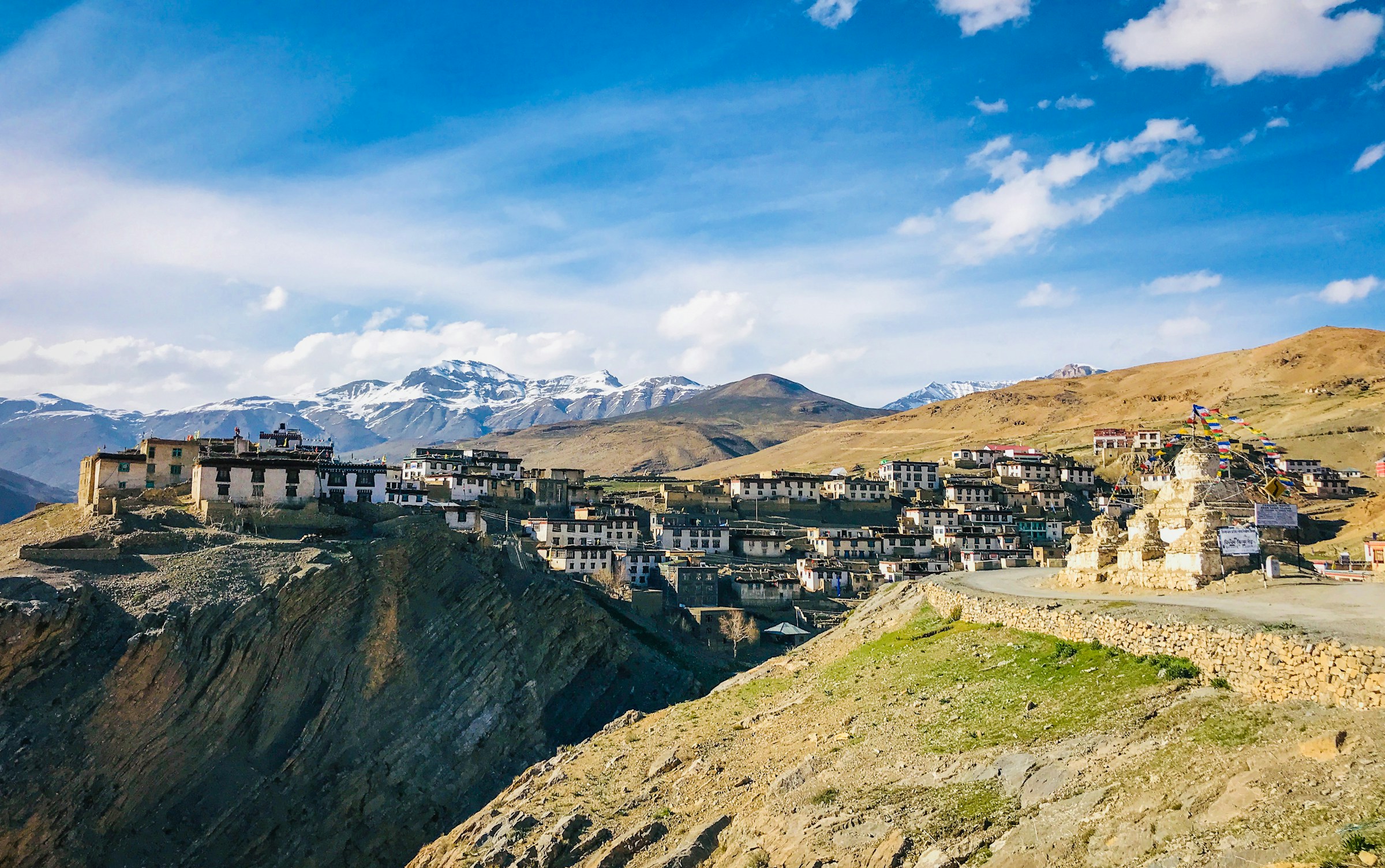
These villages offer visitors a glimpse into traditional Kinnauri life. Stone-and-wood houses, terraced fields, ancient temples, and Buddhist shrines create a unique cultural landscape. Walking through these villages allows travelers to experience local customs, cuisine, and architecture that have remained largely unchanged for generations.
Charang Monastery – A Spiritual Treasure
One of the valley’s most important cultural landmarks is the Charang Monastery, located in Charang village. Considered one of the oldest monasteries in Kinnaur, it stands as a testament to the region’s deep Buddhist heritage.
The monastery has been constructed using traditional materials such as mud, stone, and wood, blending harmoniously with the surrounding environment. Inside, visitors can find ancient Buddhist scriptures, beautifully preserved murals, prayer wheels, and intricate Thangka paintings. These artistic and religious treasures provide valuable insight into the history and spiritual traditions of Himalayan Buddhism.
The peaceful atmosphere of the monastery, combined with its historical significance, makes it one of the must-visit sites in Tidong Valley.
Best Time to Visit Tidong Valley
The ideal time to visit Tidong Valley is between May and October, when the weather remains pleasant and most roads and trekking routes are accessible. During this period, the valley comes alive with blooming vegetation, clear mountain views, and comfortable trekking conditions.
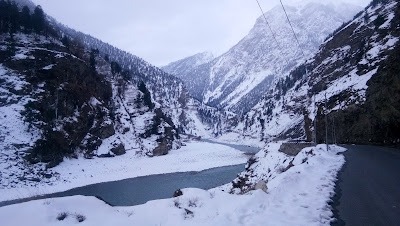
Winter months bring heavy snowfall and extremely cold temperatures, making travel more challenging but offering spectacular snow-covered landscapes.
Why Visit Tidong Valley?
Tidong Valley is perfect for travelers seeking:
- Untouched Himalayan landscapes.
- Authentic Kinnauri culture.
- Ancient monasteries and heritage sites.
- High-altitude trekking opportunities.
- Peaceful villages away from tourist crowds.
- Spectacular views of the Kinnaur Kailash Range.
Its combination of natural beauty, cultural richness, and adventure opportunities makes it one of Kinnaur’s hidden gems.
Maps
FAQs
Where is Tidong Valley located?
Tidong Valley is situated in the southeastern part of Kinnaur district in Himachal Pradesh, along the Tidong Stream, a tributary of the Sutlej River.
What is the altitude of Tidong Valley?
The valley lies at an elevation of approximately 2,500 to 3,000 meters above sea level.
Who are the people living in Tidong Valley?
The residents are known as Tidongpas and speak the Tidongpa dialect, which has linguistic connections to Tibetan and Kinnauri languages.
What is Tidong Valley famous for?
The valley is known for its rugged Himalayan landscapes, remote villages, trekking routes, cultural heritage, and the historic Charang Monastery.
Which are the main villages in Tidong Valley?
Important villages include Rarang, Lambar, Charang, Thangi, Kuno, and Asrang.
What is the significance of Charang Monastery?
Charang Monastery is one of the oldest monasteries in Kinnaur and houses ancient Buddhist texts, murals, and Thangka paintings.
Is Tidong Valley good for trekking?
Yes. The valley serves as a base for treks to Charang Ghati Pass, Phawararang Peak, Jorkanden Peak, and viewpoints overlooking the Kinnaur Kailash Range.
What is the best time to visit Tidong Valley?
The best time to visit is from May to October when the weather is favorable and roads remain open.
How can I reach Tidong Valley?
Travelers usually reach the valley via Reckong Peo and the Kinnaur road network. The villages of the valley are connected by mountain roads branching off from the Sutlej Valley route.
Is Tidong Valley suitable for offbeat travelers?
Absolutely. Tidong Valley is one of the least explored regions of Kinnaur and is ideal for those looking for authentic cultural experiences and untouched natural beauty.