Image Source: Vaibhav Thakur
Himachal Pradesh, the land of the gods, is abundant in its natural landscape. Mountains, lakes, hot springs, and valleys transport you away from the mundane experience of daily life. There is a place in Himachal that has the same potential but is still not very popular among the people. Yes, the Renuka Wildlife Sanctuary, located in the Himachal Pradesh district of Sirmaur and covering an area of 4,028 square kilometers, provides an exotic view and experience. A buffer zone of 3 square kilometers has been established.
Geography
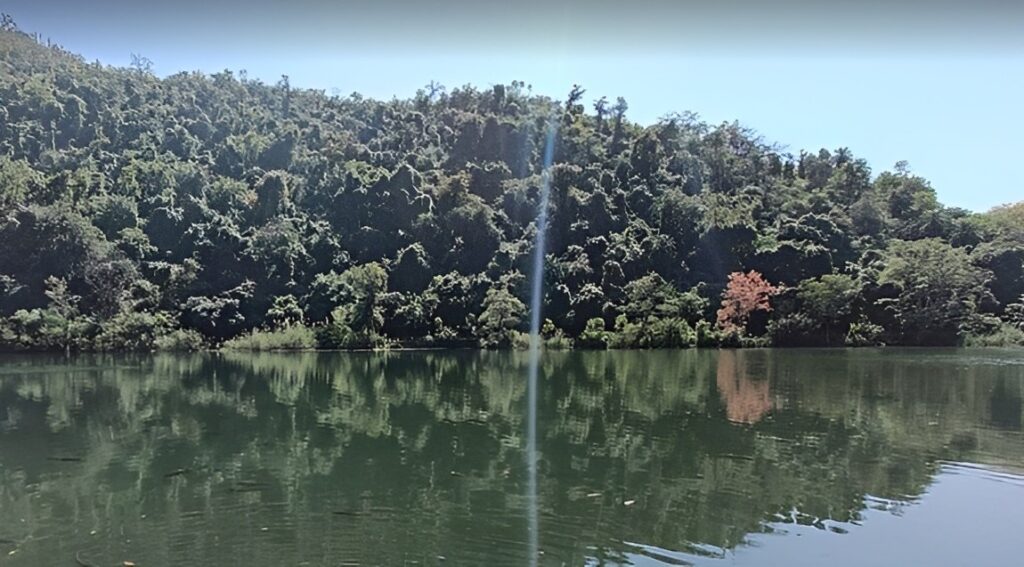
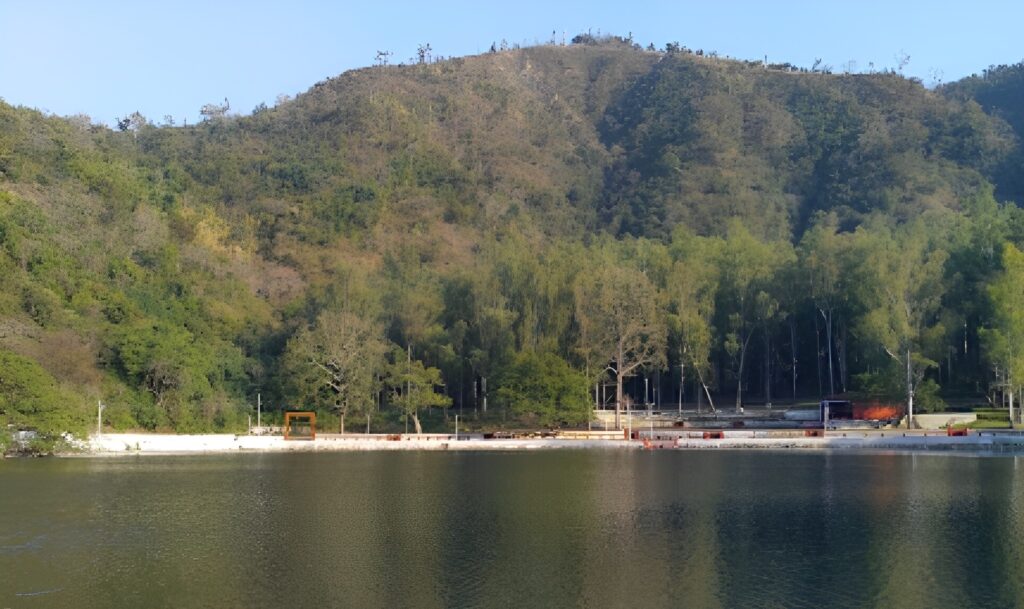
Renuka wildlife sanctuary houses a lake named Renuka Lake, which is the largest lake in Himachal Pradesh with a circumference of about 3214 meters. Lakes attract a number of bird visitors around the world. Being very important for ecological balance, it was designated as a Ramsar site in November 2005. Renuka Wildlife Sanctuary, also known as Renuka Forest, encloses a mini-zoo, which is the oldest zoo in Himachal Pradesh. It was set up in 1983. A pair of lions were brought to the zoo in 1975.
Renuka Temple, dedicated to Shri Renuka Ji, is in the background of Renuka Lake and gets visited during the Shri Renukaji Fair.
Relegious aspect
Renuka is the name of a lake, temple, and wildlife sanctuary. According to a popular legend, Pashuram, the sixth avatar of Vishnu, was the son of Renuka and Jamadagini. Once Pashuram’s father Jamadagini ordered Pashuram to kill Renukaji. Pashuram executes the order. After killing his mother, Pashuram begged his father for his mother’s life. At last, Jamadagini agreed.
But there was a devil named Shastarvahu who wanted to marry Renukaji and tried to abduct her. To escape the abduction, she fell into a small pond and disappeared into it. Ever since the lake has been worshipped as Renukaji Lake.
Flora of Renuka wildlife sanctuary
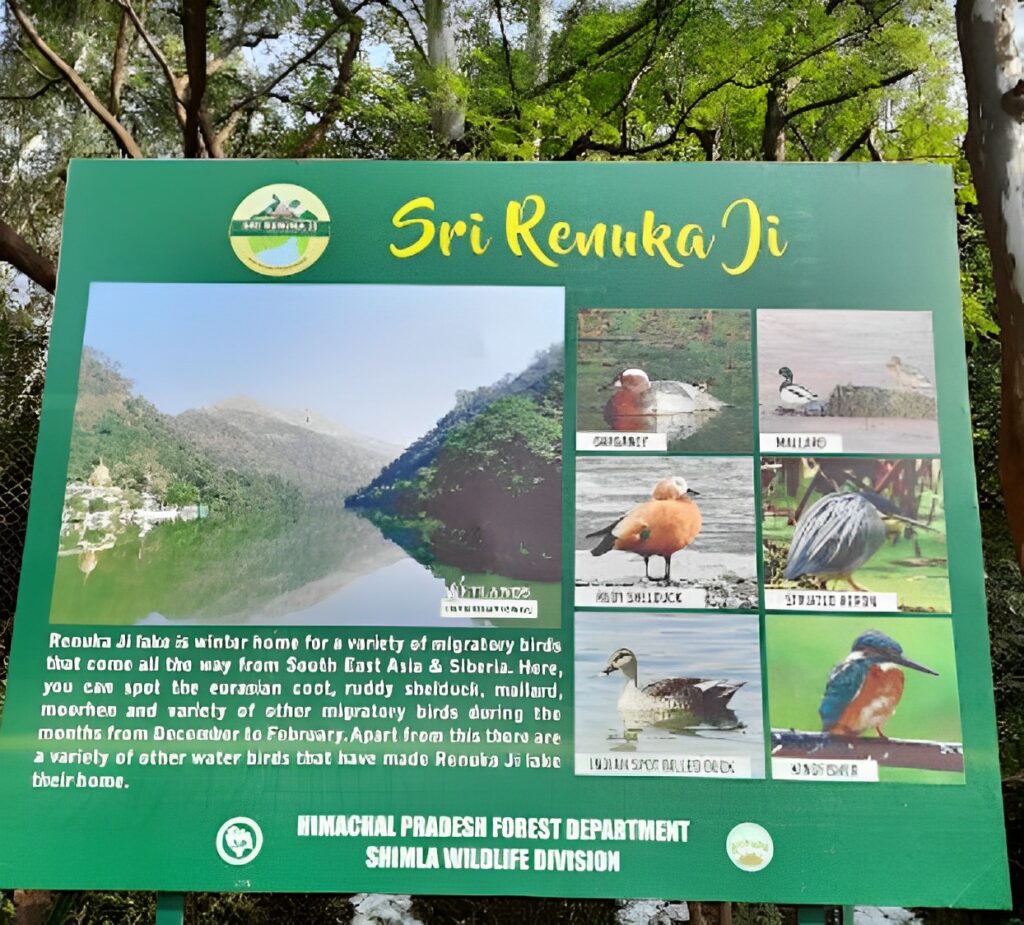
The flora of Renukaji Wildlife Sanctuary is composed of a variety of trees, shrubs, and herbs that grow in the lush green forests. The most common tree species found here are deodar, oak, pine, and kail. These trees provide a habitat for many species of wildlife and also play a crucial role in maintaining the balance of the ecosystem. The undergrowth is composed of a variety of shrubs and herbs that provide food and shelter for many species of wildlife.
Fauna of Renuka wildlife sanctuary
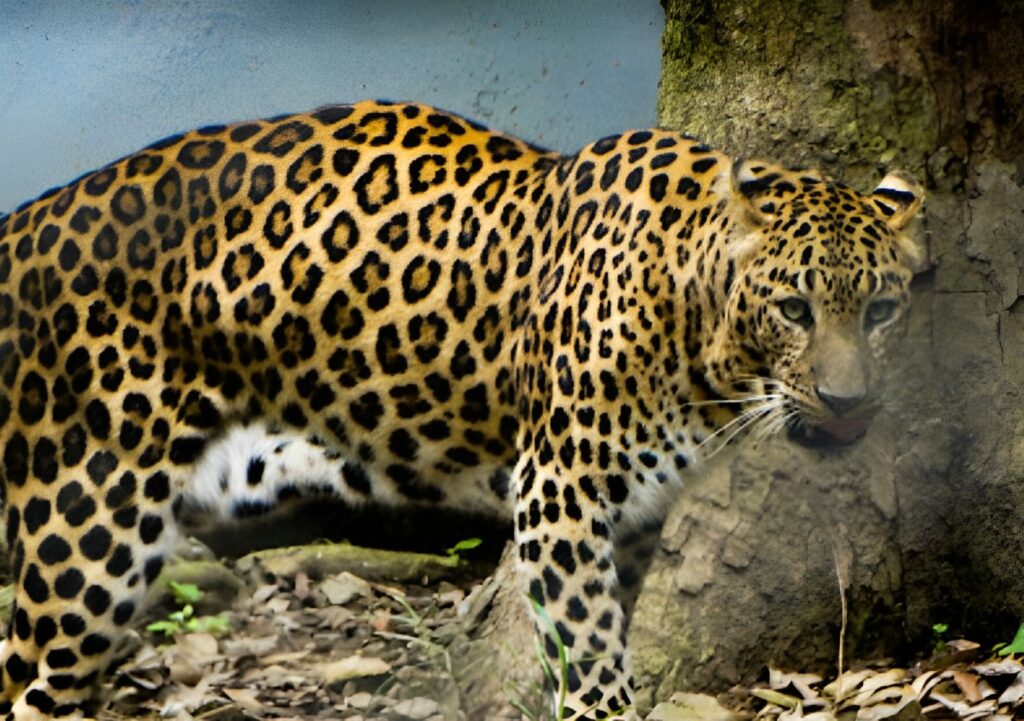
The fauna of Renukaji Wildlife Sanctuary is equally diverse and includes a variety of mammals, birds, reptiles, and amphibians. Some of the common mammals found here are the Himalayan black bear, leopard, yellow-throated marten, and the Himalayan tahr. The sanctuary is also home to a variety of bird species, including the monal, the koklass, and the Himalayan snowcock.
At present, the wildlife sanctuary comes under the Shimla Wildlife Division
.
How to Reach Renuka wildlife sanctuary

Air: Chandigarh airport is nearly 130 km away from Renukaji wildlife sanctuary.

Rail: The railway stations of Chandigarh and Kalka are 120 and 130 kilometers away, respectively.

Road: Dadadu, a small town in Sirmaur, is 30 km from Nahan. Nahan is well-connected with Chandigarh and other places
Nearby Attractions of Renuka Wildlife Sanctuary
Renuka Lake – Located adjacent to the sanctuary, Renuka Lake is the largest natural lake in Himachal Pradesh. Surrounded by forested hills, the lake is associated with the legend of Goddess Renuka and offers boating opportunities along with serene views.
Renuka Ji Temple – Situated near the lake, this ancient temple dedicated to Goddess Renuka is an important pilgrimage site. The temple attracts devotees throughout the year, especially during the annual Renuka Fair.
Parashurama Tal and Temple – Dedicated to Lord Parashurama, the son of Goddess Renuka, this sacred site holds great religious significance and is frequently visited by pilgrims exploring the Renuka region.
Jamu Peak – Rising above the Renuka Valley, Jamu Peak offers breathtaking panoramic views of the surrounding Shivalik Hills, forests, and Renuka Lake. It is a popular destination for trekking and nature photography.
Mini Zoo Renuka Ji – Located near the sanctuary, this small zoological park houses species such as lions, deer, and other animals native to the region, making it a popular attraction for families and wildlife enthusiasts.
Suketi Fossil Park – About 20 km from Renuka Ji, this unique park is known for its fossil discoveries and life-sized models of prehistoric animals. It provides visitors with an interesting glimpse into the region’s geological history.
FAQs
1. Where is Renuka Wildlife Sanctuary located?
Renuka Wildlife Sanctuary is located in the Sirmaur district of Himachal Pradesh, surrounding the famous Renuka Lake. It lies about 40 km from Nahan and is one of the most accessible wildlife sanctuaries in the state.
2. What is Renuka Wildlife Sanctuary famous for?
The sanctuary is known for its rich biodiversity, scenic forest landscapes, and its proximity to the sacred Renuka Lake. It is home to species such as sambar deer, barking deer, langurs, and a variety of birds.
3. What is the best time to visit Renuka Wildlife Sanctuary?
The best time to visit is from October to March when the weather is pleasant and ideal for wildlife spotting, nature walks, and sightseeing around Renuka Lake.
4. Is there an entry fee for Renuka Wildlife Sanctuary?
Entry fees and other charges may vary depending on current regulations. Visitors are advised to check with local authorities or the forest department before planning their visit.
5. Can visitors go trekking inside the sanctuary?
Yes, the sanctuary offers nature trails and walking paths through its forested areas. These trails provide opportunities to observe wildlife, birds, and the natural beauty of the Shivalik hills.
6. How much time is needed to explore Renuka Wildlife Sanctuary?
Most visitors spend half a day to a full day exploring the sanctuary, Renuka Lake, nearby temples, and other attractions in the area.
7. Are accommodation facilities available near the sanctuary?
Yes, several hotels, guest houses, and Himachal Pradesh Tourism accommodations are available around Renuka Ji, catering to different budgets.
8. Is Renuka Wildlife Sanctuary suitable for families and children?
Yes, the sanctuary is a family-friendly destination. Its easy accessibility, peaceful environment, boating facilities at Renuka Lake, and nearby zoo make it enjoyable for visitors of all ages.
9. What kinds of animals can be seen in the sanctuary?
Visitors may spot sambar deer, barking deer, wild boar, langurs, rhesus macaques, and numerous bird species. Wildlife sightings depend on the season and time of visit.
10. How can I reach Renuka Wildlife Sanctuary?
The sanctuary is well connected by road. The nearest major town is Nahan, while the closest railway station is Ambala. The nearest airport is Chandigarh Airport, from where taxis and buses are available to Renuka Ji.