Image Source: Neeti Bassi
About Kokernag
Nestled in the beautiful Anantnag district of South Kashmir, Kokernag is one of the region’s most peaceful and refreshing natural destinations. Famous for its crystal-clear freshwater springs, lush botanical gardens, trout hatcheries, and cool mountain climate, Kokernag offers a perfect escape into nature.
Located at the foothills of the scenic Breng Valley and around 70 kilometers from Srinagar, Kokernag is a popular choice for day trips, family outings, and weekend getaways. Surrounded by forests, flowing streams, and snow-covered peaks in the distance, the town carries a calm and rejuvenating atmosphere that instantly soothes the mind.
Unlike most Himalayan springs that emerge as a single stream, the Kokernag spring divides into several branches, making it unique both visually and geographically. Its icy-cold, mineral-rich waters and picturesque surroundings have made it one of Kashmir’s most loved natural attractions.
The Famous Kokernag Spring (Papashudan Nag)
The heart of Kokernag is its legendary spring, often referred to as Papashudan Nag. The name “Kokernag” comes from two Kashmiri words — Koker, meaning chicken, and Nag, meaning spring. Locals say the spring branches out in a shape resembling the claws of a hen, which inspired the name.
The spring is also spiritually significant. “Papashudan” translates to “the sin-cleansing spring,” reflecting the ancient belief that its waters purify both the body and soul. Many visitors still consider the spring sacred and believe its water possesses healing properties.
The water here is incredibly clear, cold, and naturally rich in minerals. It is believed to help with digestive and skin-related ailments, making it valued not only for its beauty but also for its therapeutic qualities.
The soothing sound of flowing water combined with the cool mountain air creates a deeply calming experience for visitors.
Botanical Garden of Kokernag
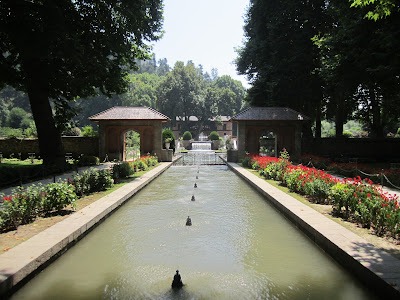
Kokernag is home to one of the oldest and largest botanical gardens in Jammu & Kashmir. Spread across beautifully landscaped lawns, the garden is filled with majestic chinar trees, colorful flower beds, pine groves, and walking paths that make it a paradise for nature lovers.
During spring and summer, the garden bursts into color with blooming tulips, daffodils, roses, and several seasonal flowers. Families often visit for picnics, while photographers and artists are drawn to the vibrant scenery and peaceful surroundings.
The botanical garden also serves as an important ecological and recreational space, showcasing the natural beauty of Kashmir in its purest form.
Trout Hatchery and Fishing Culture
Adjacent to the botanical garden lies the famous Kokernag trout hatchery, considered one of the oldest trout hatcheries in Asia. Established during the British era, the hatchery continues to operate successfully even today.
The hatchery breeds rainbow trout and brown trout, which thrive in the region’s cold, oxygen-rich waters. The nearby streams are ideal for trout farming and angling, making Kokernag an important destination for ecotourism and fishing enthusiasts.
Fresh trout dishes are also popular among visitors, offering a delicious culinary experience unique to the region.
Scenic Beauty and Pleasant Climate
Situated at an altitude of nearly 2,000 meters above sea level, Kokernag enjoys a cool and refreshing climate throughout much of the year. Even during peak summer, the spring water remains icy cold—so cold that dipping your hands into it can feel numbing within seconds.
The town’s breathtaking landscape includes forest-covered hills, sparkling streams, lush valleys, and distant snow-capped mountains. The gentle sound of water flowing through the channels adds to the area’s serene charm.
Autumn transforms Kokernag into a golden wonderland as chinar leaves turn vibrant shades of orange and yellow, while spring covers the region in colorful floral blooms. These seasons are especially popular among photographers and travelers looking to capture Kashmir’s natural beauty.
Spiritual and Cultural Importance
Kokernag is not only known for its natural beauty but also for its spiritual significance. Several important religious sites are located nearby, attracting pilgrims and cultural travelers.
Visitors often combine their trip with visits to:
- Aishmuqam Shrine — dedicated to Hazrat Zain-ud-din Wali.
- Vailoo Shiva Temple — a revered Hindu temple in the region.
These nearby shrines and temples add a spiritual dimension to the Kokernag experience and reflect the region’s rich cultural heritage.
Best Time to Visit Kokernag
The best time to visit Kokernag is from April to October when the weather is pleasant and the gardens are in full bloom.
- Spring (April to May): Ideal for flowers and greenery.
- Summer (June to August): Perfect for escaping the heat.
- Autumn (September to October): Famous for golden chinar landscapes.
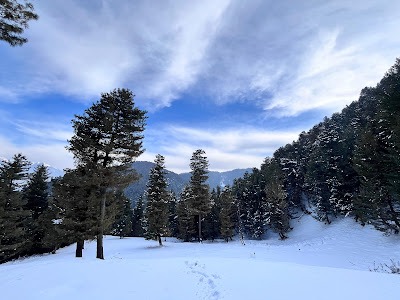
Winter also has its own charm, with snow-covered surroundings creating a peaceful and magical atmosphere.
How to Reach Kokernag
By Road
Kokernag is well connected by road from Srinagar and Anantnag. Taxis and local buses are easily available.
By Rail
The nearest railway station is Anantnag Railway Station.
By Air
The nearest airport is Srinagar International Airport.
Nearby Attractions to Kokernag
Nestled in the Anantnag district of South Kashmir, Kokernag is one of the most beautiful hill destinations in Jammu and Kashmir. Famous for its crystal-clear freshwater springs, lush botanical gardens, trout farms, and pleasant climate, Kokernag derives its name from the Kashmiri words “Koker” (hen) and “Nag” (spring), as the spring channels are believed to resemble a hen’s claw. Surrounded by forests, mountains, and scenic valleys, Kokernag serves as an excellent base for exploring many of South Kashmir’s natural and historical attractions.
Kokernag Botanical Garden
Located adjacent to the famous spring, the Kokernag Botanical Garden is known for its terraced lawns, colorful flower beds, fountains, and shaded walking paths. The garden offers a peaceful atmosphere and spectacular views of the surrounding mountains.
Kokernag Trout Fish Farm
One of the largest trout hatcheries in Kashmir, the Kokernag Trout Fish Farm is a major attraction for visitors. Fed by the crystal-clear spring waters, the farm plays an important role in trout breeding and fisheries development in the region.
Breng Valley
Located near Kokernag, Breng Valley is renowned for its dense forests, meadows, rivers, and traditional Kashmiri villages. The valley remains relatively unexplored and is ideal for nature lovers and photographers seeking pristine landscapes.
Ahlan Valley
A hidden gem near Kokernag, Ahlan Valley is known for its vast green meadows, pine forests, mountain streams, and tranquil surroundings. It is a popular destination for picnics, camping, and short treks.
Daksum
Situated along the scenic Anantnag–Kishtwar Road, Daksum is famous for its dense deodar forests, crystal-clear streams, and breathtaking mountain scenery. It serves as a gateway to several trekking routes and high-altitude passes.
Sinthan Top
One of the most spectacular mountain passes in Jammu and Kashmir, Sinthan Top lies at an altitude of over 12,000 feet. The pass offers panoramic views of snow-clad peaks, deep valleys, and alpine landscapes.
Verinag
Located a short drive from Kokernag, Verinag is famous as the source of the Jhelum River. The beautifully designed Mughal-era spring is surrounded by stone arcades and landscaped gardens.
Achabal Garden
Built by Empress Noor Jahan during the Mughal period, Achabal Garden is one of the finest Mughal gardens in Kashmir. Its flowing water channels, fountains, and ancient chinar trees attract visitors throughout the year.
Martand Sun Temple
Located near Anantnag, Martand Sun Temple is one of the most significant archaeological monuments in Kashmir. Constructed during the 8th century by King Lalitaditya Muktapida, the temple offers stunning views of the Kashmir Valley.
Margan Top
A high-altitude mountain pass connecting Kashmir with the remote Warwan Valley, Margan Top is known for its dramatic landscapes, alpine meadows, and breathtaking Himalayan views.
Warwan Valley
Often described as one of the most beautiful valleys in the Himalayas, Warwan Valley is famous for its untouched landscapes, rivers, glaciers, and traditional mountain villages.
Kounsarnag Lake
Located in the Pir Panjal Range, Kounsarnag Lake is a stunning alpine lake revered in local traditions. The lake is surrounded by towering peaks and attracts trekkers from across the region.
Shikargah
Near Achabal, Shikargah is a serene forest area once used as a royal hunting reserve. Today it is known for its peaceful environment, dense forests, and walking trails.
Pahalgam
Located about 50 kilometers from Kokernag, Pahalgam is one of Kashmir’s most famous tourist destinations, known for the Lidder River, scenic meadows, trekking routes, and breathtaking mountain views.
Betaab Valley
Near Pahalgam, Betaab Valley is famous for its lush green meadows, pine forests, and snow-capped mountain backdrop. It remains one of the most photographed locations in Kashmir.
Why Visit Kokernag?
Kokernag offers a perfect combination of natural beauty, tranquility, spirituality, and cultural richness. Whether you want to relax beside crystal-clear springs, explore Kashmir’s botanical wonders, enjoy fresh trout cuisine, or simply experience the calm of the mountains, Kokernag provides a memorable and refreshing escape.
Far from the noise of crowded tourist spots, it remains one of South Kashmir’s hidden gems where nature and peace exist in perfect harmony.
Google Maps
FAQ’s
1. Where is Kokernag located?
Kokernag is located in the Anantnag district of South Kashmir, around 70 kilometers from Srinagar.
2. Why is Kokernag famous?
Kokernag is famous for its freshwater springs, botanical garden, trout hatchery, and scenic mountain surroundings.
3. What does the name Kokernag mean?
In Kashmiri, “Koker” means chicken and “Nag” means spring, referring to the spring’s branching pattern that resembles a hen’s claws.
4. What is Papashudan Nag?
Papashudan Nag is another name for the Kokernag spring and means “the sin-cleansing spring.”
5. Is Kokernag suitable for family trips?
Yes, Kokernag is an excellent destination for families, nature lovers, photographers, and peaceful getaways.
6. What types of fish are bred in the hatchery?
The hatchery breeds rainbow trout and brown trout.
7. What is the best time to visit Kokernag?
The best time to visit is from April to October, especially during spring and autumn.
8. Are there nearby attractions around Kokernag?
Yes, visitors can explore nearby spiritual sites like Aishmuqam Shrine and Vailoo Shiva Temple.