Image Source: Amisha Manhas
Shanini valley is nestled within the pristine mountains of the Chenab valley.It is situated in the Bhaderwah tehsil of Doda district in the Union territory of Jammu and Kashmir.
Shanini’s often solitude is overshadowed by its more famous neighbors like Jai and Chinta valley. The valley is for offbeat travellers, nature lovers and trekking enthusiasts.
Geography and Landscape
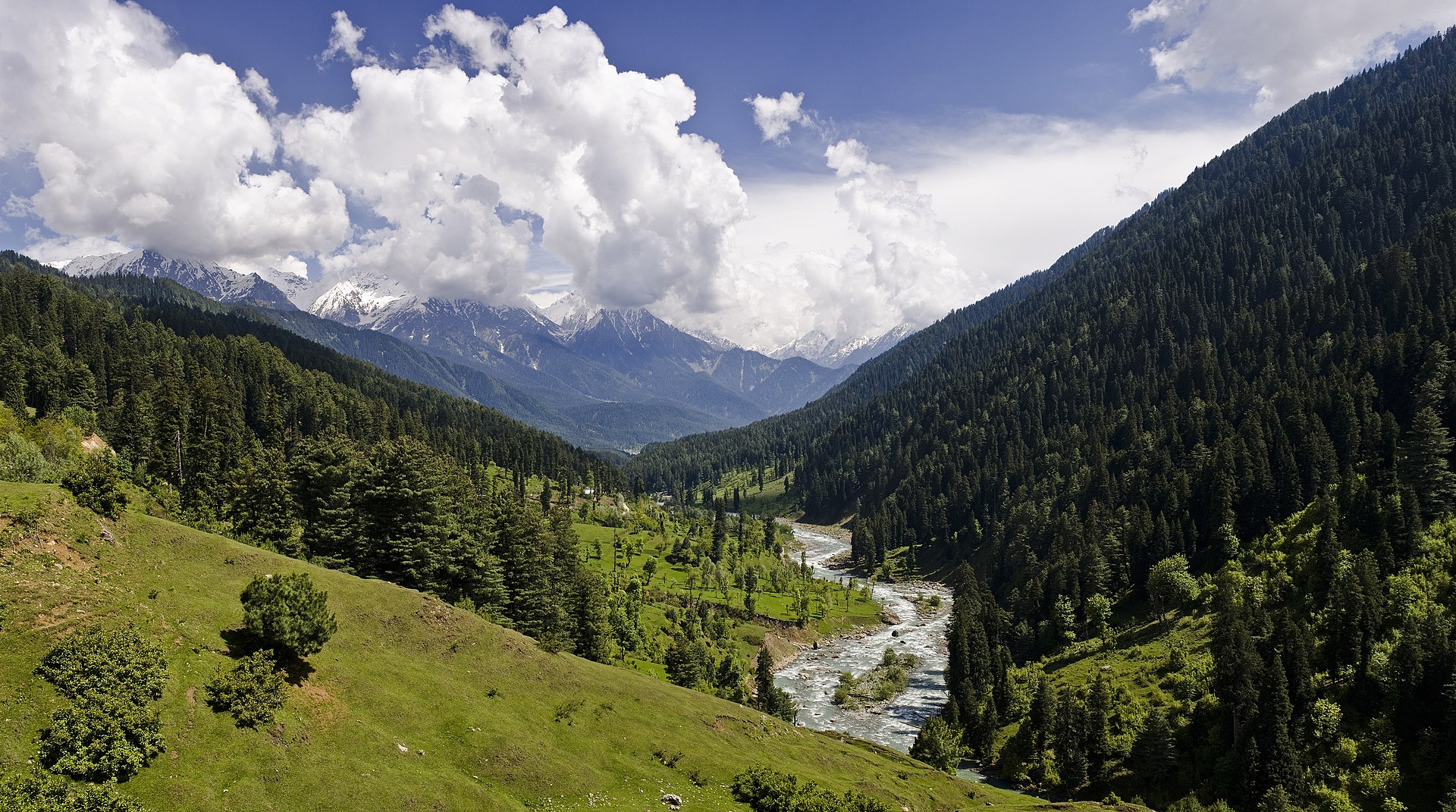
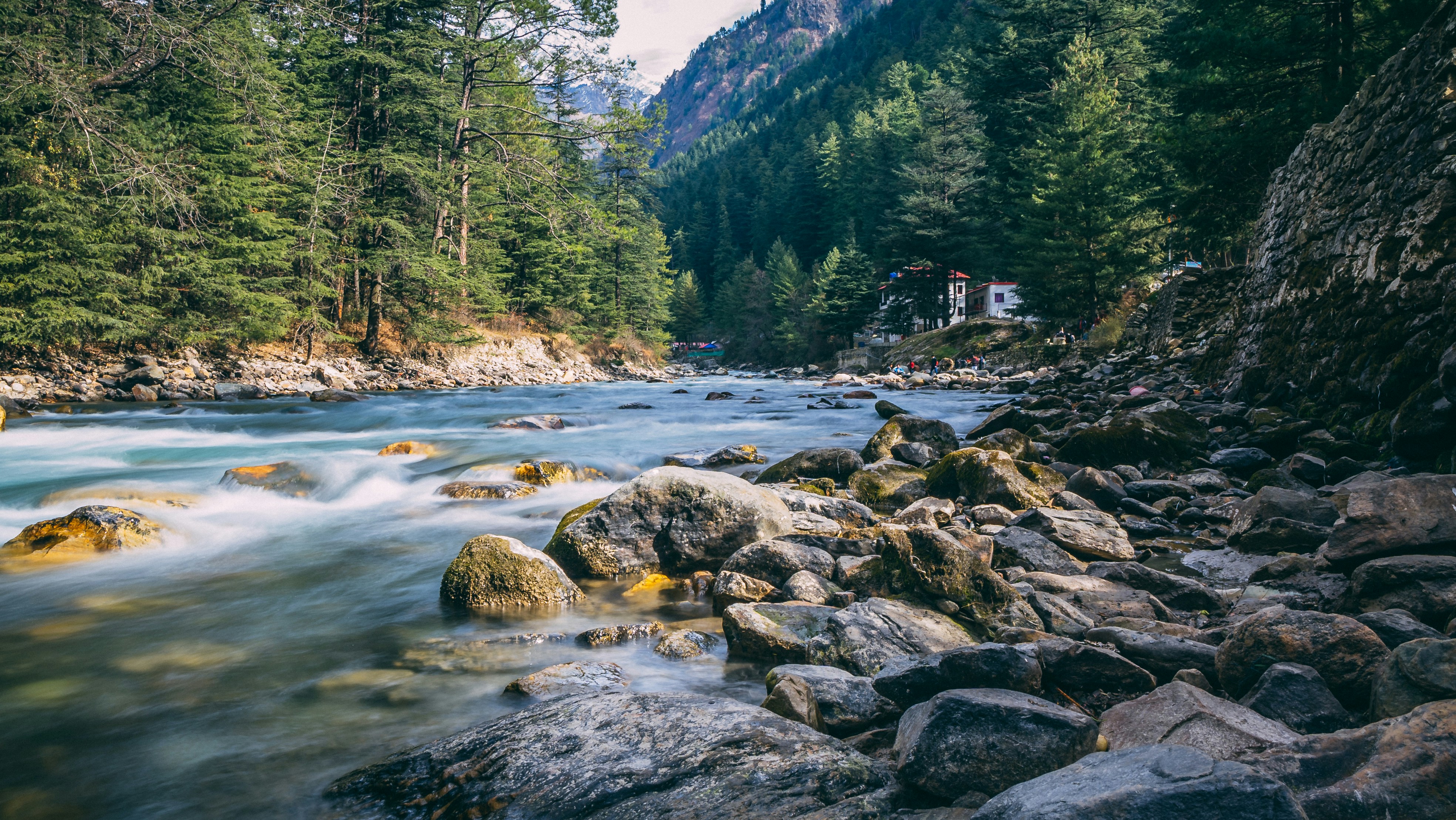
Tucked in the foothills of the Himalayan Pir Panjal range, the valley lies at an elevation that blesses it with a cool climate, alpine meadows, thick coniferous forest and crystal-clear streams.
The terrain here is a mosaic of rolling pastures, wildflower-laden slopes, and dense pine and deodar forests. The valley remains largely untouched by commercialization, which enhances its raw natural charm. It’s a perfect retreat for trekkers, photographers, and anyone looking for serene mountain bliss.
Historical and Cultural Significance
The valley is not famous from a historical point of view but it shares culture and traditional heritage with the greater Bhaderwah region. Due to its similarity to the natural beauty in the Kashmir valley, it’s often called “Chota Kashmir.”
The region has been historically inhabited by various Pahari-speaking tribes and communities, including Gujjars and Bakarwals, who practice transhumance and move with their livestock to high-altitude meadows like Shanini during the summer months. Visitors during this time may get a glimpse of the nomadic lifestyle, makeshift “dhoks” (shepherd huts), and local hospitality.
How to Reach Shanini Valley
Reaching Shanini valley is a combination of road travel and a short trek. Its
By Air:
The nearest airport is Jammu Airport (approx. 200 km from Bhaderwah).
From Jammu, one must travel by road to Bhaderwah and then proceed to Shanini.
By Train:
The closest major railway station is Udhampur Railway Station, about 120 km from Bhaderwah.
From Udhampur, taxis and buses are available to Bhaderwah.
By Road:
Bhaderwah is well connected by road via National Highway 244 from Doda and Batote.
Regular buses and taxis ply from Jammu and Udhampur to Bhaderwah.
From Bhaderwah town, travelers must take a vehicle to Chinta Valley, and from there, a short but scenic trek of about 3–5 km leads to Shanini Valley.
Best Time to Visit
The best time to visit Shanini valley is between May and October. During summer, the meadows are in full bloom and the weather is pleasant. During winter, the valley receives heavy snowfall, making it inaccessible and better suited for seasoned trekkers or snow adventurers.
Things to Do in Shanini Valley
Trekking & Hiking: The route from Chinta to Shanini offers panoramic views and opportunities for soft to moderate trekking.
Camping: Set up your tent under starlit skies, surrounded by alpine wilderness.
Photography: Every corner of Shanini is a photographer’s delight—from gurgling streams to mountain sunsets.
Cultural Interaction: Meet Gujjar and Bakarwal herders and learn about their nomadic traditions.
Nearby Attractions
Chinta Valley (Base for Shanini)
Just 20 km from Bhaderwah, known for its meadows and tranquil atmosphere.
Starting point for Shanini treks.
Jai Valley
Located 32 km from Bhaderwah.
Offers vast grasslands, river streams, and opportunities for horse riding and paragliding.
Padri Pass
Located on the Bhaderwah–Chamba road at 10,500 ft.
Great for snow activities in early summer and amazing viewpoints.
Seoj Meadow
A remote alpine meadow located at higher altitudes.
Requires trekking but offers dramatic Himalayan scenery.
Bhaderwah Town
Explore historical Bhaderwah Fort, Gupt Ganga temple, and local markets.
Where to Stay
While Shanini Valley does not have formal accommodation, camping is a popular option. Travellers should carry tents and essentials. Bhaderwah town that lies down offers several guesthouses, budget hotels, and government tourist lodges, such as:
Tourist Reception Centre Bhaderwah.
Hotel Sartaj.
Alpine Guest House.
Google maps
FAQs
1. Where is Shanini Valley located?
Shanini Valley is located in the mountainous Chenab Valley region of Jammu and Kashmir and is known for its scenic landscapes and remote Himalayan setting.
2. Why is Shanini Valley famous?
The valley is known for its untouched natural beauty, alpine meadows, dense forests, traditional villages, and peaceful environment.
3. What is the best time to visit Shanini Valley?
The best time to visit is from May to October when weather conditions are favorable and access roads are generally open.
4. Is Shanini Valley suitable for family trips?
Yes. Families looking for nature, peace, and scenic mountain landscapes can enjoy visiting the valley.
5. Are there trekking opportunities in the valley?
Yes. The surrounding mountains, forests, and meadows offer excellent opportunities for trekking and nature walks.
6. Does the valley receive snowfall?
Yes. The higher reaches of the valley receive substantial snowfall during winter, creating beautiful snow-covered landscapes.
7. Are accommodation facilities available?
Basic accommodation may be available in nearby towns and villages, while better facilities can be found in larger centers of the Chenab region.
8. Is camping possible in Shanini Valley?
Yes. Camping is possible in many meadow areas, though visitors should follow local regulations and environmental guidelines.
9. What kind of wildlife can be seen in the area?
The forests and mountains around the valley support various Himalayan bird species and wildlife typical of the Chenab Valley ecosystem.
10. Is Shanini Valley crowded with tourists?
No. The valley remains relatively unexplored compared to popular destinations in Kashmir, making it ideal for travelers seeking offbeat experiences and tranquility.